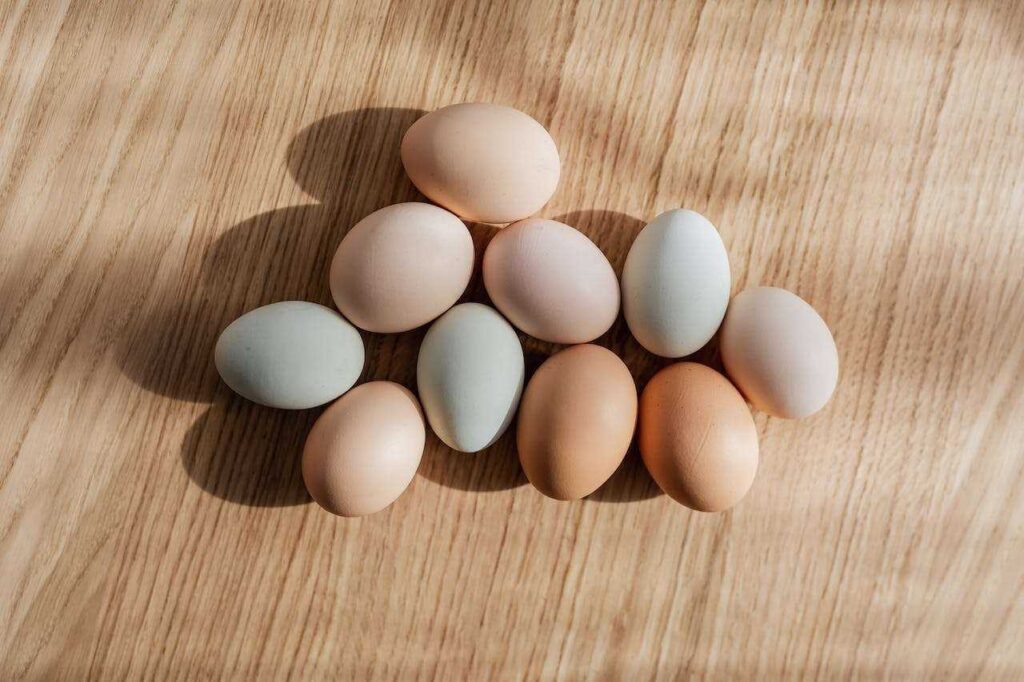
A hen that lays nearly every day sounds ideal when you’re hoping to collect fresh eggs from your backyard. But not all chickens are bred for the same purpose. Some have been selected for exceptional egg production, while others balance laying ability with larger bodies, temperament, foraging behaviour or traditional breed characteristics.
Which chicken breeds lay the most eggs per year? ISA Browns, Lohmann Browns, White Leghorns and Golden Comets are among the strongest choices for high egg output. Productive strains may lay approximately 280–320 eggs annually under suitable management. Australorps, Rhode Island Reds and Sussex are also worth considering, especially if you prefer traditional dual-purpose birds.
These figures are estimates, not promises. A chicken’s actual production depends on its age, genetics, diet, daylight, health and living conditions.
The Utah State University Extension comparison of egg-laying breeds provides useful planning estimates for common commercial hybrids and traditional breeds.
This guide compares the leading layers, explains how to judge feed efficiency, and considers what happens to egg production as hens grow older.
Table of contents
- Which chickens produce the most eggs? A quick comparison
- 1. ISA Brown: One of the leading brown-egg hybrids
- 2. Lohmann Brown: Consistent laying potential
- 3. White Leghorn: High egg numbers from a lighter hen
- 4. Golden Comet: A productive backyard laying hybrid
- 5. Bovans Brown: Strong commercial laying performance
- 6. Australorp: Productive and generally calm
- 7. Rhode Island Red: A hardy brown-egg producer
- 8. Sussex: Useful production and traditional versatility
- 9. Ancona: A lighter traditional layer
- 10. Plymouth Rock: Dependable all-round backyard value
- Egg Production Efficiency & Yield Matrix
- High-production hybrid chickens vs heritage breeds
- Most efficient egg-laying chickens for low feed costs
- Best chicken breeds for large brown eggs
- Chicken breeds that lay eggs through winter without light
- How long do high-production chickens lay eggs?
- How to support a healthy laying flock
- Why has my chicken stopped laying eggs?
- A welfare reminder: More eggs isn’t the only goal
- Frequently asked questions
- Which laying chickens should you choose?
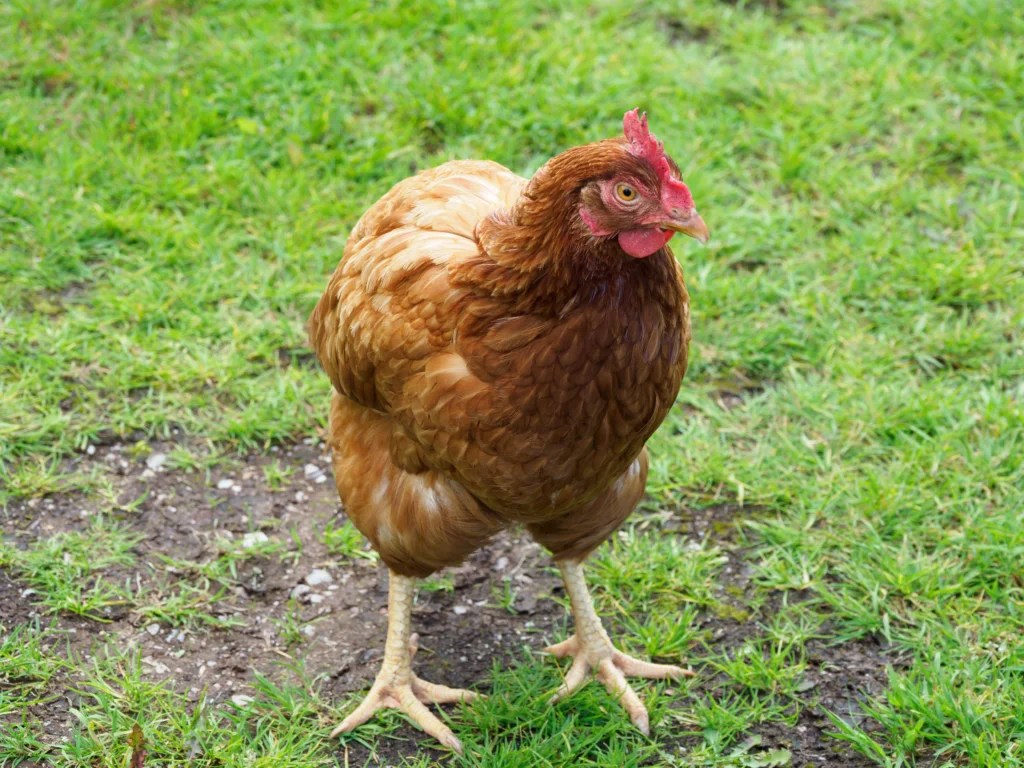
Which chickens produce the most eggs? A quick comparison
| Breed or hybrid | Approximate annual egg potential | Typical egg colour | Best reason to consider |
|---|---|---|---|
| ISA Brown | 300–320 | Light brown | High-output commercial hybrid |
| Lohmann Brown | 300–320 | Brown | Productive brown-egg hybrid |
| White Leghorn | 280–320 | White | Strong production from a light-bodied bird |
| Golden Comet | 280–320 | Brown | Productive hybrid for backyard flocks |
| Australorp | 250–300 | Brown | Productive traditional breed with calm tendencies |
| Rhode Island Red | 250–300 | Brown | Good production and dual-purpose characteristics |
| Sussex | 250–300 | Light brown | Traditional dual-purpose bird with useful laying potential |
| Ancona | 220–280 | White | Active, relatively light traditional layer |
| Plymouth Rock | 200–250 | Brown | Balanced backyard and dual-purpose choice |
Bovans Brown is another important commercial contender. Its breeder publishes strong cumulative production results, but a directly comparable one-year figure should be obtained from the relevant performance guide rather than calculated from unrelated reporting periods.
The table uses broad breed and hybrid estimates from Utah State University Extension. Results from individual flocks can differ considerably, especially where heritage and modern production strains share the same breed name.
1. ISA Brown: One of the leading brown-egg hybrids
ISA Brown hens have been selectively bred for consistent commercial egg production.
They are widely recognised for laying large numbers of brown eggs and maintaining useful production over an extended laying cycle.
The official ISA Brown performance information describes high laying persistence, strong feed conversion and adaptability to different commercial housing systems.
For backyard keepers, ISA Browns may appeal because they combine productive laying with generally manageable behaviour.
How many eggs does an ISA Brown lay?
Utah State University Extension gives a broad potential range of 300–320 eggs annually.
The breeder publishes higher cumulative totals across a longer commercial laying cycle, but those numbers shouldn’t be described as yearly production.
Actual output depends on the particular strain, age, feed, seasonal conditions and management.
Your dog deserves a social life just as exciting and fulfilling as yours and the Charlotte Dog Club is exactly where that adventure begins. Explore these 3 unmissable Charlotte Dog Club events that bring together passionate dog lovers, happy tails, and the kind of pure, unfiltered canine joy that reminds you exactly why you became a dog parent in the first place.
What should beginners consider?
ISA Browns are bred primarily for egg production rather than preserving a traditional heritage breed.
Choose a reputable source, ask about the birds’ age and health, and plan for their needs after peak laying has passed.
Best suited to: Owners whose main priority is a productive brown-egg flock.
2. Lohmann Brown: Consistent laying potential
Lohmann Brown is another commercially developed laying hybrid with a reputation for high production.
Like ISA Brown, it is designed primarily for egg output and consistent performance.
The Utah State University breed comparison lists a potential range of around 300–320 eggs annually.
Why consider Lohmann Browns?
Their attraction is straightforward: high brown-egg production without needing to select a large traditional dual-purpose breed.
For a small household flock, that can mean collecting useful numbers of eggs from relatively few birds during their most productive period.
However, the name refers to a commercial hybrid, not a heritage breed with identical performance across all breeding sources.
Ask suppliers which laying strain they actually sell.
Best suited to: Egg-focused owners wanting a commercially selected brown-egg layer.
3. White Leghorn: High egg numbers from a lighter hen
White Leghorns are among the best-known white-egg layers.
Unlike many large dual-purpose chickens, Leghorns have comparatively light bodies and have long been valued for efficient egg production.
The Utah State University Extension comparison places White Leghorns in the 280–320 egg range.
Why body size matters
A smaller chicken generally needs less energy for body maintenance than a substantially larger chicken, although productive efficiency also depends on the actual strain and management.
This can make Leghorns attractive to keepers interested in the relationship between feed consumption and egg output.
However, feed efficiency should be measured rather than assumed from body size alone.
Temperament and management
Leghorns are often described as active and alert.
They may be less suited to someone seeking a particularly docile, heavy-bodied family hen.
Secure fencing, adequate space and opportunities for normal foraging behaviour are important.
Best suited to: Owners who prioritise efficient white-egg production and can accommodate active birds.
4. Golden Comet: A productive backyard laying hybrid
Golden Comets are popular sex-linked hybrids, generally bred for strong brown-egg production.
A sex-linked cross allows certain chick characteristics, including colour, to help distinguish males from females in particular breeding programmes.
Golden Comets are often described as friendly and approachable, although individual temperament varies.
Annual egg production
Utah State University Extension lists approximately 280–320 eggs per year for Golden Comets.
This places them among the most productive options in its backyard breed comparison.
Their appeal is not limited to egg numbers. Some keepers also value their comparatively manageable temperament.
A note about hybrid names
Golden Comet is a hybrid trade or breeding designation rather than a single universally standardised heritage breed.
Different hatcheries may use different parent stock or commercially related crosses.
Ask the supplier about the actual birds rather than assuming every similarly coloured hybrid will produce identical results.
Best suited to: Backyard keepers looking for a high-output brown-egg hybrid.
5. Bovans Brown: Strong commercial laying performance
Bovans Brown deserves attention in any comparison of productive laying chickens.
The official Bovans Brown profile reports strong laying persistence, feed-conversion performance and brown eggs across commercial production systems.
Its published commercial cage data include 474 eggs per hen housed during a laying period spanning 18–100 weeks of age.
That is a cumulative figure over more than one year, not an annual egg estimate.
How should backyard owners interpret those numbers?
Commercial performance guides are valuable for comparing genetic strains under specified management conditions.
But feed, housing, lighting and other factors may differ from those in a garden flock.
The most useful question is not whether a backyard hen will reproduce a commercial performance table exactly, but whether the strain’s characteristics suit the owner’s facilities and priorities.
Best suited to: Keepers comparing productive brown-egg hybrids who can obtain reliable strain-specific information.
6. Australorp: Productive and generally calm
Australorps offer an attractive balance between egg production and traditional chicken characteristics.
Developed from Orpington ancestry, they are commonly described as large, calm and useful for both eggs and general backyard keeping.
Utah State University Extension lists approximately 250–300 brown eggs annually as a broad potential range.
Why choose an Australorp over a commercial hybrid?
Some keepers prefer the characteristics of a traditional breed, including larger body size, familiar appearance and generally calmer temperament.
Australorps can be a good choice when a family values more than the maximum number of eggs.
However, heritage breeding lines differ. A bird selected primarily for exhibition may not lay like a line selected for productivity.
Best suited to: Owners who want strong laying potential and a generally manageable traditional breed.
7. Rhode Island Red: A hardy brown-egg producer
Rhode Island Reds are widely recognised as productive dual-purpose chickens.
They have substantial histories in both practical farming and backyard poultry keeping.
Utah State University Extension provides an annual laying estimate of approximately 250–300 eggs.
Production strains versus heritage strains
Not all Rhode Island Reds are genetically equivalent.
Some are selected for high egg output, while others are maintained for heritage characteristics or exhibition standards.
These differences can affect laying performance, body type and temperament.
Temperament considerations
Rhode Island Reds are commonly described as active and sometimes assertive.
A confident bird may fit into a practical flock, but keepers should watch interactions with smaller or quieter hens.
Adequate access to feeders, drinkers, nests and roosting areas helps prevent unnecessary competition.
Best suited to: Owners seeking a productive traditional brown-egg bird with dual-purpose characteristics.
8. Sussex: Useful production and traditional versatility
Sussex chickens have a long history as British dual-purpose poultry.
They are available in several colour varieties and are often valued for their combination of laying potential and substantial bodies.
Utah State University Extension lists Sussex hens at approximately 250–300 eggs annually.
That is a useful reference point, not a guarantee for every traditional Sussex flock.
Why choose Sussex?
Sussex may suit a keeper who values a productive bird that also has familiar heritage qualities.
Their interest in foraging and generally calm character can make them engaging additions to a well-managed flock.
However, productive output varies between breeding lines.
Climate considerations
Sussex can cope with cool conditions when housed properly, but hot weather requires particular attention.
Shade, ventilation and accessible fresh drinking water matter more than relying on the reputation of a breed as hardy.
Best suited to: Keepers who want a traditional dual-purpose breed with good egg potential.
9. Ancona: A lighter traditional layer
Anconas are active, relatively light-bodied chickens associated with white-egg production.
They can appeal to experienced backyard keepers who enjoy lively birds and have space for foraging.
Utah State University Extension estimates approximately 220–280 eggs annually.
What makes them different?
Anconas are generally more active and less heavy-bodied than Australorps or Sussex.
This can appeal to owners prioritising mobility and traditional white-egg production.
However, their lively nature may be less suitable for keepers wanting birds that readily tolerate frequent handling.
Best suited to: Owners who can accommodate energetic birds and want a traditional white-egg layer.
10. Plymouth Rock: Dependable all-round backyard value
Plymouth Rocks, especially the familiar Barred variety, are traditional dual-purpose chickens.
They are known for their substantial build, recognisable plumage and generally practical backyard characteristics.
Utah State University Extension lists roughly 200–250 eggs annually.
That may be less than a productive commercial hybrid, but maximum egg output isn’t the only measure of a useful flock.
Why consider Plymouth Rocks?
A keeper may value a calm, curious chicken with traditional dual-purpose characteristics rather than selecting solely for egg numbers.
Plymouth Rocks can fit into households that enjoy observing normal poultry behaviour and managing a mixed-purpose backyard flock.
Best suited to: Owners who prefer a balanced traditional breed over the highest possible annual egg count.
Egg Production Efficiency & Yield Matrix
The following matrix summarises the main trade-offs between high-output hybrids, productive traditional layers and larger dual-purpose birds.
| Production tier | Examples | Egg-yield expectations | Feed and space considerations | Management priority |
|---|---|---|---|---|
| High-output commercial hybrids | ISA Brown, Lohmann Brown, Golden Comet, Bovans Brown | High; published annual and cumulative figures must be distinguished | Selected for production efficiency; requirements depend on strain and housing | Appropriate feed, health monitoring and realistic retirement planning |
| High-output traditional layers | White Leghorn, Rhode Island Red | Approximately 250–320, depending on breed and strain | Leghorns are comparatively light; Rhode Island Reds have more substantial bodies | Match facilities to temperament and activity |
| Productive dual-purpose breeds | Australorp, Sussex | Approximately 250–300 in extension comparisons | Larger body size may increase maintenance needs, but actual efficiency is not determined by size alone | Suitable nutrition, nesting arrangements and climate management |
| Other useful traditional breeds | Ancona, Plymouth Rock | Approximately 200–280, depending on breed | Different body sizes, activity levels and flock requirements | Select for overall suitability, not maximum numbers alone |
These are planning estimates, not guaranteed yearly output.
High-production hybrid chickens vs heritage breeds
The main difference is the breeding objective.
Commercial laying hybrids are developed to produce high numbers of marketable eggs efficiently under defined management conditions.
Heritage breeds are generally maintained as established breeds with broader characteristics, such as body form, traditional utility and reproductive continuity.
What commercial hybrids do well
Commercial laying hybrids often achieve impressive production, particularly during their most productive periods.
Their genetics are selected for traits such as egg number, egg size, shell quality, laying persistence and feed efficiency.
However, results in a backyard flock may differ from breeder performance tables.
What traditional breeds offer
A heritage or traditional breed may appeal because of temperament, body size, foraging behaviour, conservation interest or dual-purpose utility.
Some traditional breeds also lay very well.
White Leghorns, Rhode Island Reds, Australorps and Sussex demonstrate that high productivity is not limited to modern commercial hybrids.
Which is better for a backyard owner?
Choose according to your goals.
If egg numbers are the main priority, a well-sourced commercial laying hybrid may be attractive.
If you also value preserving a traditional breed, keeping a larger dual-purpose bird or choosing a particular temperament, consider the appropriate heritage options.
Neither category removes the need for suitable housing, health care and daily management.
Most efficient egg-laying chickens for low feed costs
The hen producing the most eggs is not automatically the cheapest hen to keep.
Feed efficiency is a relationship between what the bird consumes and what she produces.
Commercial breeders often report feed conversion as the amount of feed required to produce a specified mass of eggs.
For a backyard keeper, another useful measure is the total feed purchased divided by the number of usable eggs collected.
Why feed efficiency is more complicated than body size
A light-bodied Leghorn may consume less feed for maintenance than a much heavier breed.
But daily food consumption alone doesn’t establish which hen produces eggs most economically.
Egg size, laying frequency, wasted feed, weather conditions and feed price also matter.
A larger hen producing large eggs may compare differently when measured by egg mass rather than simply egg count.
What about free-ranging?
Foraging can provide activity and access to natural food sources, but its nutritional contribution varies with season, climate and available vegetation.
Do not assume that free-ranging allows owners to replace a complete laying ration with whatever hens find outdoors.
How to keep useful records
Record monthly:
- Number of laying hens.
- Number of usable eggs collected.
- Approximate feed purchased and remaining.
- Bird age and breed or strain.
- Significant weather, moulting or flock-health changes.
A record kept over several seasons is far more informative than estimating efficiency from a breed description alone.
Best chicken breeds for large brown eggs
If egg colour matters to you, several productive breeds may be worth considering.
ISA Browns, Lohmann Browns, Bovans Browns, Golden Comets and Rhode Island Reds produce brown eggs.
Australorps, Plymouth Rocks and Sussex also lay brown or tinted eggs, depending on breed characteristics and strain.
However, large egg size cannot be promised from breed alone.
A young pullet often lays smaller eggs when she first begins production. Egg size can increase with age, while shell quality may decline in older birds.
The University Extension guidance on raising chickens for egg production discusses changes in egg size and shell quality as hens age.
If you want large brown eggs, ask the hatchery or breeder for documented characteristics of the actual laying strain.
And remember that shell colour is not evidence that one egg is inherently more nutritious than another.
Chicken breeds that lay eggs through winter without light
No chicken breed is guaranteed to maintain peak egg production throughout winter without supplementary lighting.
Day length strongly affects reproductive activity in hens.
As daylight decreases, laying commonly slows or stops, especially around moulting.
Penn State Extension’s guide to winter egg production explains the importance of photoperiod and the normal decline in production during shorter days.
Which breeds may continue laying?
Some productive hybrids and certain traditional strains may continue laying during part of winter, depending on age, climate and management.
However, claims that Australorps, Sussex or Rhode Island Reds will reliably lay every day through winter without artificial light are not justified.
Is extra lighting necessary?
Supplementary lighting is a management choice, not an obligation.
Some owners prioritise continued winter egg production. Others prefer to allow a natural seasonal decline.
Any lighting programme should account for bird welfare and appropriate dark periods.
Penn State advises gradual changes and warns against excessive light exposure.
If you’re unsure which approach is suitable, discuss the flock’s age, health and management goals with a poultry-experienced professional.
How long do high-production chickens lay eggs?
High-producing chickens don’t automatically stop laying at two years old.
However, their most productive period is generally earlier in life, and egg production tends to decline with age.
University Extension explains that many backyard flocks continue laying on and off for three to four years, with progressively lower annual output.
Individual hens may continue producing eggs beyond that period.
The first laying year
Many hens begin laying during their first year, depending on breed, development and season.
Their production can increase as they reach maturity.
Commercial laying hybrids may achieve especially strong output under suitable conditions.
The second laying year
Some high-producing hens continue laying consistently, but annual output can begin to decline.
Age, moulting and season affect both frequency and egg characteristics.
Later years
Older hens may lay fewer eggs, take longer seasonal breaks or produce eggs with thinner shells.
A hen that lays fewer eggs is not necessarily unhealthy.
However, sudden changes, abnormal posture, weakness, repeated straining or other concerning signs deserve veterinary attention.
Planning for retirement
Before purchasing productive laying hens, decide how the flock will be cared for after peak laying.
Every hen still needs food, shelter, social companionship and appropriate healthcare even when egg production falls.
Keeping hens responsibly means budgeting for their whole lives, not only their most productive years.
How to support a healthy laying flock
Breed selection establishes potential. Management determines how successfully hens can express that potential while remaining healthy.
Provide a suitable laying ration
Laying hens require appropriate nutrition for maintenance and egg production.
Complete commercial layer feeds are formulated with the nutrients required by adult laying hens.
Treats or scratch grains should not displace a substantial share of the balanced diet.
Young birds have different requirements, so feeds intended for laying adults should not be automatically offered to growing chicks.
Consider calcium appropriately
Calcium is essential for eggshell formation.
The University Extension feeding guide notes that some layers may benefit from separate oyster shell offered free-choice, particularly when shell quality suggests additional calcium may be needed.
That does not mean every bird requires the same supplementation, or that thin shells prove calcium deficiency.
Age, disease and other nutritional or husbandry factors may be involved.
If eggshell abnormalities persist, consult a poultry-experienced veterinarian or nutrition adviser rather than simply increasing supplements.
Keep water available
Hens need reliable access to fresh, clean water.
A failure in the watering system can quickly interfere with normal feeding and production.
Waterers should be checked regularly, particularly during freezing weather or high temperatures.
Provide appropriate nesting space
Nest boxes should be clean, accessible and comfortable.
Collect eggs frequently enough to reduce breakage and prolonged exposure to dirt.
If hens repeatedly lay outside nest boxes, review access, privacy, competition and the flock’s normal behaviour.
Support normal poultry behaviour
Hens need safe opportunities to move, perch, forage and dust bathe.
A high-production strain still has behavioural and welfare needs.
Choosing a productive bird does not justify overcrowding, poor ventilation or eliminating normal rest and movement.
Why has my chicken stopped laying eggs?
A decline in laying may be entirely normal, particularly during moulting or shorter days.
But sudden changes can also reflect husbandry or health problems.
Possible contributors include:
- Seasonal daylight changes.
- Moulting.
- Increasing age.
- Inadequate feed or water.
- Stress from environmental disturbance.
- Extreme weather.
- Parasites or disease.
- Broodiness in suitable breeds.
- Changes to flock composition or housing.
The University Extension resource on egg production explains how nutrition, light, age and health influence laying performance.
Look at the whole flock rather than assuming one cause.
If a hen stops laying alongside weakness, abnormal breathing, a swollen abdomen, straining or other signs of illness, seek prompt poultry veterinary advice.
Never attempt to treat a suspected reproductive disorder simply by changing calcium supplements or extending lighting hours.
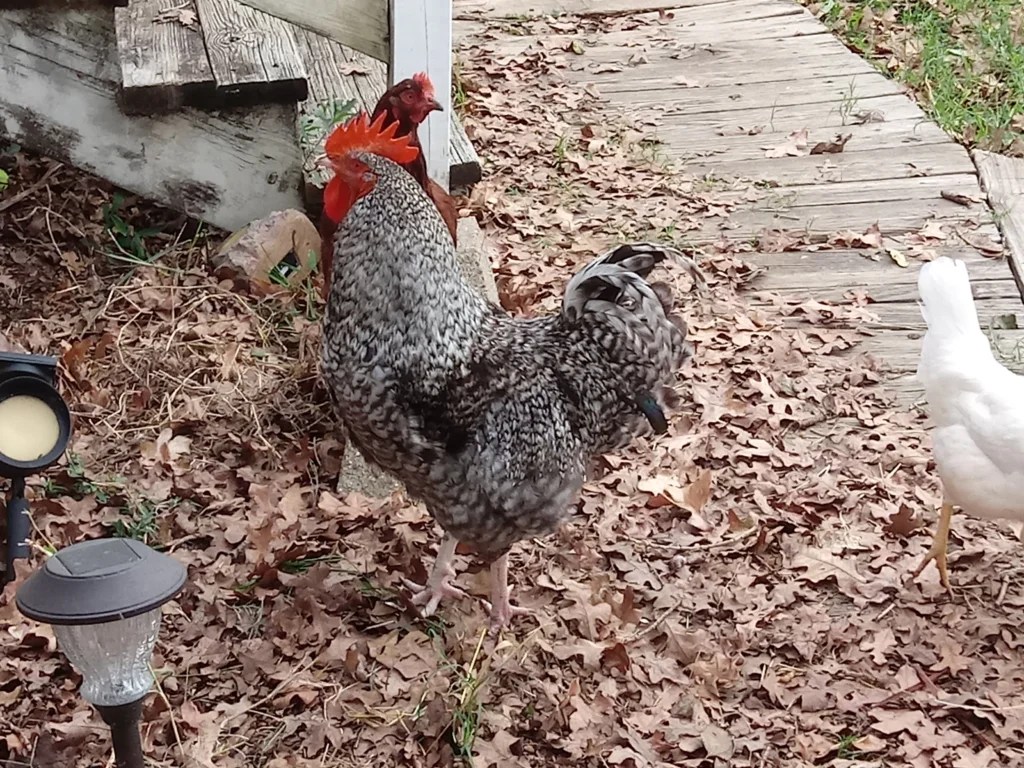
A welfare reminder: More eggs isn’t the only goal
A backyard flock should remain healthy and comfortable throughout the birds’ lives.
Intensive egg-production genetics do not remove the need for enrichment, suitable space or veterinary care.
There are also human-health responsibilities.
The CDC’s backyard poultry guidance explains that chickens can carry Salmonella even when they appear healthy.
Wash your hands after handling birds, eggs or coop equipment. Keep poultry equipment outside living and food-preparation spaces.
Young children require additional precautions.
Responsible egg keeping means paying attention to the welfare of the hens as well as the eggs collected.
Frequently asked questions
Commercial hybrids such as ISA Brown and Lohmann Brown are among the leading brown-egg producers, with White Leghorns also offering excellent potential. Results depend on the specific strain and husbandry conditions.
A hen cannot be expected to lay exactly one egg every day throughout a year. Egg formation takes time, and laying pauses naturally. Commercial strains can achieve very high annual production, but 365 eggs should not be treated as a normal guarantee.
ISA Browns are selected specifically for commercial egg production and generally have higher advertised laying potential. Rhode Island Reds offer productive dual-purpose characteristics, although actual results depend on the breeding line.
ISA Browns, Golden Comets and Australorps may suit beginners seeking productive birds with generally manageable temperaments. Individual behaviour, housing and daily care remain important.
No. Eggshell colour does not establish laying frequency. White Leghorns are strong producers of white eggs, while many highly productive hybrids lay brown eggs.
Yes. Hens can lay eggs without a cockerel. A cockerel is required to fertilise eggs, not to stimulate normal table-egg production.
Not automatically. A suitable layer ration already provides calcium, and some laying hens may benefit from separate oyster shell. Supplementation should reflect the flock’s diet and needs, with persistent shell-quality problems assessed appropriately.
Which laying chickens should you choose?
If your goal is the highest potential egg count, begin by comparing commercial laying hybrids such as ISA Brown, Lohmann Brown, Golden Comet and Bovans Brown, alongside productive White Leghorns.
If you want strong production combined with traditional breed characteristics, consider Australorps, Rhode Island Reds and Sussex.
For a balanced backyard flock, Plymouth Rocks may still be attractive even if they produce fewer eggs than specialised hybrids.
Compare the birds’ actual breeding lines, temperament, housing needs and expected productive lifespan before buying.
The best egg-laying chicken isn’t necessarily the one with the highest number in a catalogue. It’s the hen whose genetics, welfare needs and expected production fit your flock over the long term.