The information and calculator data provided in this article are aggregated from peer-reviewed veterinary literature, including the Merck Veterinary Manual and AVMA guidelines. This content is for educational and informational purposes only and is not a substitute for professional veterinary advice, diagnosis, or treatment. Always consult with a licensed veterinarian before administering any medication or altering your pet’s health regimen.
Dog ACL injuries are a common concern among pet owners, especially those with higher weight dogs. The anterior cruciate ligament (ACL) is crucial for a dog’s knee stability, and an injury can lead to significant pain and mobility issues. This complete guide explores the intricate relationship between dog ACL injury and weight, providing insights into prevention, management, and recovery. By understanding the risk factors and implementing effective weight management strategies, you can enhance your dog’s quality of life and prevent future injuries.
Our canine companions bring so much joy to our lives, but seeing them struggle can be heartbreaking. One common injury affecting active dogs is a torn ACL, also known as the Cranial Cruciate Ligament. This ligament provides stability to the knee joint, and a tear can cause significant pain and difficulty walking. While ACL injuries can happen to any dog, there’s a crucial factor that can significantly impact the risk and recovery process: weight.
In this guide, we’ll explore the connection between dog weight and ACL injuries. We’ll explore how excess weight puts extra strain on the joints, increasing the risk of tears. But fear not, pet parents! We’ll also share valuable information on preventing ACL injuries through weight management and explore tips for supporting your dog’s recovery after surgery if needed.
Whether you’re looking to keep your furry friend healthy and active or navigating the road to recovery after an ACL injury, this guide is here to help you with knowledge. So, grab a comfy spot on the couch with your pup by your side, and let’s dive in!
Table of contents
- Understanding Dog ACL Injuries with 15 Tips
- The Link Between Dog Weight and ACL Injury
- Preventing Dog ACL Injury with Weight Loss
- Managing Dog Weight After ACL Surgery
- Dog ACL Recovery and Weight Control
- Canine Obesity and Cruciate Ligament Injuries
- Dog ACL Injury Symptoms
- Dog ACL Surgery Recovery Time
- Weight Management for Dogs
- Healthy Weight for Dog Breeds
- Dog Joint Supplements for Weight Loss
- Exercise for Higher weight Dogs After Surgery
- Preventing Future Dog ACL Injuries
- Dog Physical Therapy After ACL Surgery
- Best Dog Food for Joint Health
- Dog Joint Pain Relief for Higher weight Dogs
- Dog ACL Injury and Weight
- FAQ
Understanding Dog ACL Injuries with 15 Tips
CCL Injury & Canine Weight Correlation
Carrying just 10% excess body weight significantly increases chronic stress on your dog’s cranial cruciate ligament (CCL), making sudden tears far more likely during normal running. Keeping your dog at an ideal body condition score (BCS 4-5/9) reduces orthopedic joint inflammation and speeds up post-injury recovery.
| Key Care Dimension | Recommended Standard | Primary Benefit | Management Best Practice |
|---|---|---|---|
| Preventative Veterinary Care | Annual or biannual clinical checkups | Early detection of underlying disease | Maintain up-to-date vaccine and wellness records |
| Species-Appropriate Diet | Formulated to life stage and activity level | Optimal muscle tone and metabolic balance | Measure exact daily feeding portions consistently |
| Environmental Enrichment | Daily mental exercise and physical activity | Prevents boredom and destructive behaviors | Rotate interactive toys and training games weekly |
| Emergency Preparedness | Dedicated pet emergency fund or insurance policy | Guarantees immediate medical care access | Keep 24-hour ER clinic contact readily accessible |
What is an ACL Injury?
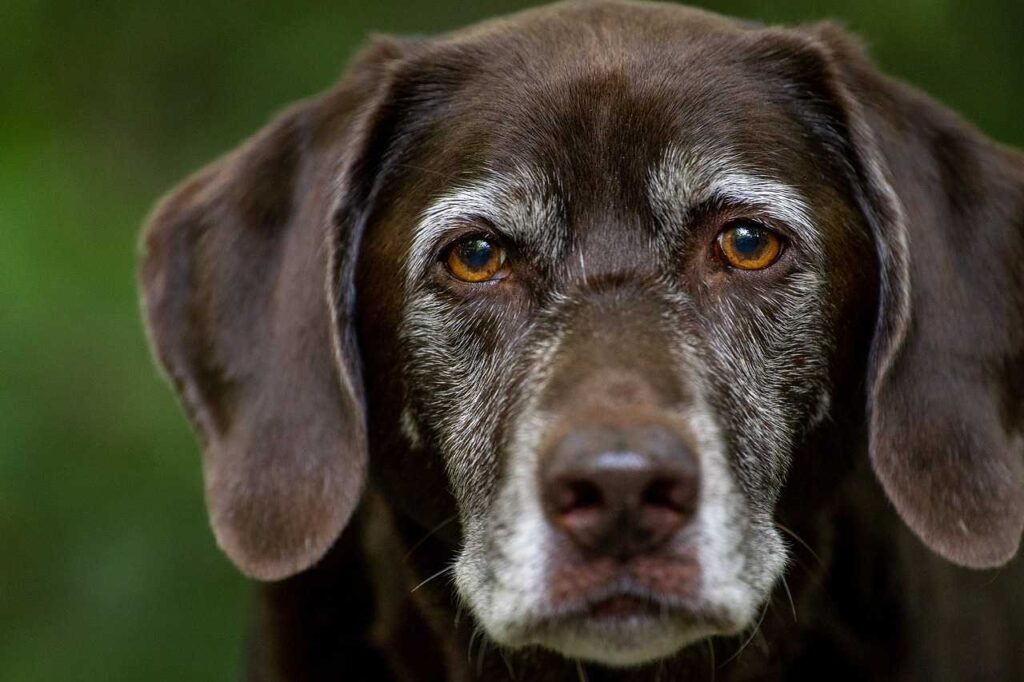
An ACL injury in dogs refers to a tear or rupture of the anterior cruciate ligament, a key stabilizing ligament in the knee joint. This injury can be partial or complete and is often seen in active dogs, particularly those involved in high-impact activities. However, higher weight dogs are at a higher risk due to the additional stress on their joints.
Dog ACL Injury Risk Factors
Several factors contribute to the risk of ACL injuries in dogs:
- Weight: Higher weight are more susceptible due to the increased pressure on their joints.
- Breed: Certain breeds, such as Labrador Retrievers, Rottweilers, and Golden Retrievers, are genetically predisposed to ACL injuries.
- Age: Older dogs have a higher risk due to the wear and tear of ligaments over time.
- Activity Level: Highly active dogs, especially those engaged in activities requiring sudden turns and jumps, are at greater risk.
A few extra pounds might seem harmless but for your pet, carrying unnecessary weight can silently steal years from their life. Discover these practical, compassionate tips for managing pet obesity and help your beloved companion shed the weight, reclaim their energy, and live their happiest, healthiest life possible.
The Link Between Dog Weight and ACL Injury
Dog ACL Injury and Weight Gain
Excess weight significantly contributes to the likelihood of an ACL injury. The additional weight strains the ligaments, making them more prone to tearing. Moreover, higher weight dogs often lead a more sedentary lifestyle, weakening their muscles and ligaments, further increasing the risk.
Higher weight Dog ACL Tear
Higher weight dogs are more prone to ACL tears because their joints bear extra weight, causing wear and tear. Even minor activities can lead to injuries in higher weight dogs, making weight management a crucial aspect of prevention.
Dog Weight and ACL Injury Risk
Maintaining an ideal weight is essential for reducing the risk of ACL injuries. A balanced diet and regular exercise can help keep your dog in shape, reducing the strain on their joints and ligaments.
Preventing Dog ACL Injury with Weight Loss
Importance of Weight Management
Weight management plays a vital role in preventing ACL injuries. A well-maintained weight reduces the pressure on your dog’s joints, lowering the risk of injuries. Implementing a balanced diet and regular exercise routine is key to achieving and maintaining a healthy weight.
Best Practices for Weight Loss
- Balanced Diet: Opt for a high-quality, balanced diet that meets your dog’s nutritional needs without excess calories.
- Regular Exercise: Engage your dog in regular, low-impact exercises such as walking and swimming to promote weight loss without straining their joints.
- Portion Control: Monitor portion sizes to avoid overfeeding. Using a measuring cup can help ensure consistent portions.
- Healthy Treats: Replace high-calorie treats with healthier options such as carrot sticks or apple slices.
Your dog’s joints are quietly bearing the burden of every extra pound they carry and they’re doing it without a single complaint. Learn 6 proven, vet-approved strategies to beat dog obesity and protect their precious joint health before those preventable pounds turn into a painful, life-limiting problem your dog never deserved.
Managing Dog Weight After ACL Surgery
Post-Surgery Weight Management
Managing your dog’s weight after ACL surgery is crucial for a successful recovery. Excess weight can hinder the healing process and increase the risk of re-injury. Implementing a post-surgery weight management plan can help your dog recover effectively.
Best Diet for Dog After ACL Surgery
A balanced, nutrient-rich diet is essential for recovery. Consider the following dietary tips:
- High-Protein Diet: Protein aids in muscle repair and recovery.
- Low-Fat Options: Choose low-fat food options to prevent weight gain.
- Joint Supplements: Incorporate joint supplements such as glucosamine and chondroitin to support joint health.
Dog ACL Recovery and Weight Control
Importance of Weight Control During Recovery
Weight control during recovery is vital to prevent additional strain on the healing ligament. Keeping your dog’s weight in check can facilitate a smoother recovery and reduce the risk of complications.
Strategies for Effective Weight Control
- Controlled Exercise: Follow your vet’s guidelines for controlled exercise to prevent re-injury while promoting weight loss.
- Dietary Adjustments: Adjust your dog’s diet to ensure they receive adequate nutrients without excess calories.
- Monitoring Progress: Regularly monitor your dog’s weight and adjust their diet and exercise routine as needed.
Canine Obesity and Cruciate Ligament Injuries
The Impact of Obesity on Joint Health
Obesity negatively impacts joint health, leading to various issues, including ACL injuries. The excess weight causes additional wear and tear on the ligaments, making them more susceptible to injuries.
Preventing ACL Injuries Through Weight Management
Preventing ACL injuries involves maintaining a healthy weight through a balanced diet and regular exercise. Weight management not only reduces the risk of ACL injuries but also promotes overall joint health.
Dog ACL Injury Symptoms
Recognizing the Signs
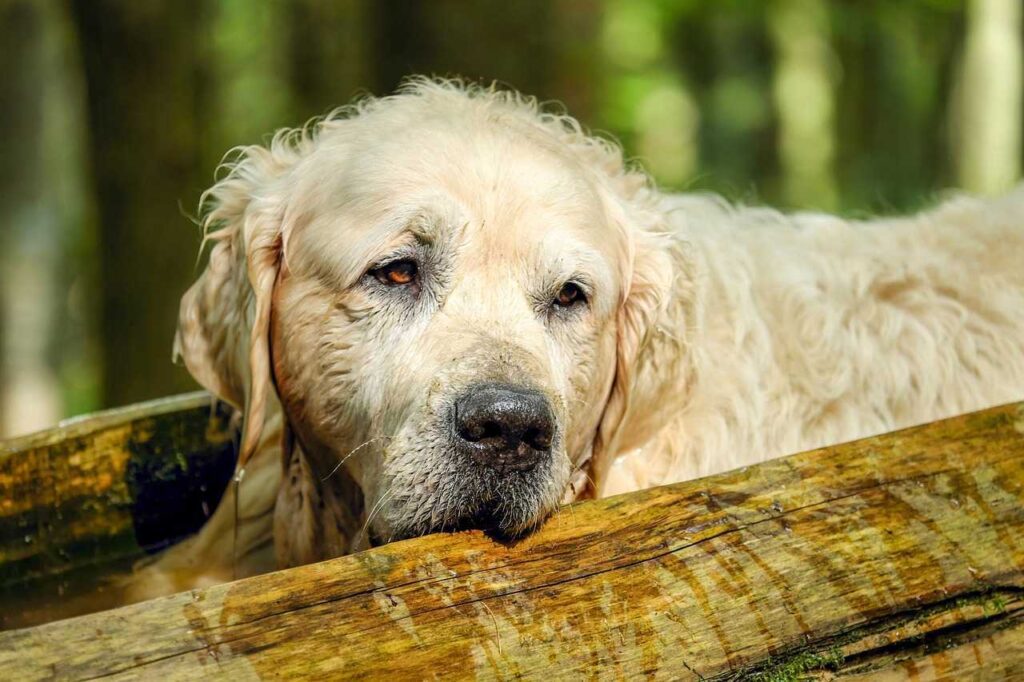
Recognizing the symptoms of an ACL injury can help you seek prompt veterinary care. Common signs include:
- Limping: Favoring one leg over the other.
- Swelling: Swelling around the knee joint.
- Pain: Signs of pain when the affected leg is touched or moved.
- Decreased Activity: Reluctance to engage in physical activities.
Early Detection and Treatment
Early detection and treatment are crucial for a better prognosis. If you notice any signs of an ACL injury, consult your veterinarian immediately for a thorough examination and appropriate treatment plan.
Great horses aren’t just born they’re built on a foundation of exceptional nutrition, careful science, and deep understanding. Explore the fascinating art and science of fueling champion horses and discover what it truly takes to nourish these breathtaking animals to their absolute peak of health and performance.
Dog ACL Surgery Recovery Time
Typical Recovery Timeline
The recovery time for ACL surgery varies depending on the severity of the injury and the type of surgery performed. Generally, it takes about 8-12 weeks for initial recovery, with full recovery potentially taking up to six months.
Post-Surgery Care
Post-surgery care is essential for a successful recovery. Follow your vet’s instructions for wound care, medication, and controlled exercise to ensure your dog heals properly.
Weight Management for Dogs
Importance of Maintaining a Healthy Weight
Maintaining a healthy weight is crucial for your dog’s overall well-being. It reduces the risk of various health issues, including ACL injuries, and promotes a longer, healthier life.
Tips for Effective Weight Management
- Regular Exercise: Engage your dog in regular physical activities suited to their age and breed.
- Balanced Diet: Provide a balanced diet that meets their nutritional needs without excess calories.
- Portion Control: Monitor portion sizes to prevent overfeeding.
- Healthy Treats: Opt for low-calorie, nutritious treats.
Healthy Weight for Dog Breeds
Understanding Breed-Specific Weight Ranges
Different dog breeds have specific weight ranges that are considered healthy. Understanding these ranges can help you maintain your dog’s weight within the ideal limits.
Monitoring Your Dog’s Weight
Regularly monitoring your dog’s weight and body condition score can help you ensure they remain within the healthy weight range for their breed. Consult your veterinarian for guidance on the ideal weight for your dog.
Your pet’s age in human years might surprise you more than you ever expected and knowing it changes everything. Use this fun, accurate pet age calculator to instantly convert your dog or cat’s age into human years and gain a beautiful new perspective on every precious stage of their life journey.
Dog Joint Supplements for Weight Loss
Benefits of Joint Supplements
Joint supplements can support your dog’s joint health and aid in weight loss. Common supplements include glucosamine, chondroitin, and omega-3 fatty acids.
Choosing the Right Supplements
Consult your veterinarian to choose the right supplements for your dog’s specific needs. They can recommend the appropriate dosage and type of supplement based on your dog’s health condition.
Exercise for Higher weight Dogs After Surgery
Low-Impact Exercises
Engaging your higher weight dog in low-impact exercises after surgery can promote weight loss and aid in recovery. Suitable exercises include:
- Walking: Short, controlled walks to avoid overexertion.
- Swimming: A low-impact activity that promotes muscle strengthening and weight loss.
Monitoring Exercise Routine
Monitor your dog’s exercise routine and adjust it based on their recovery progress. Avoid high-impact activities that could strain the healing ligament.
Preventing Future Dog ACL Injuries
Strategies for Prevention
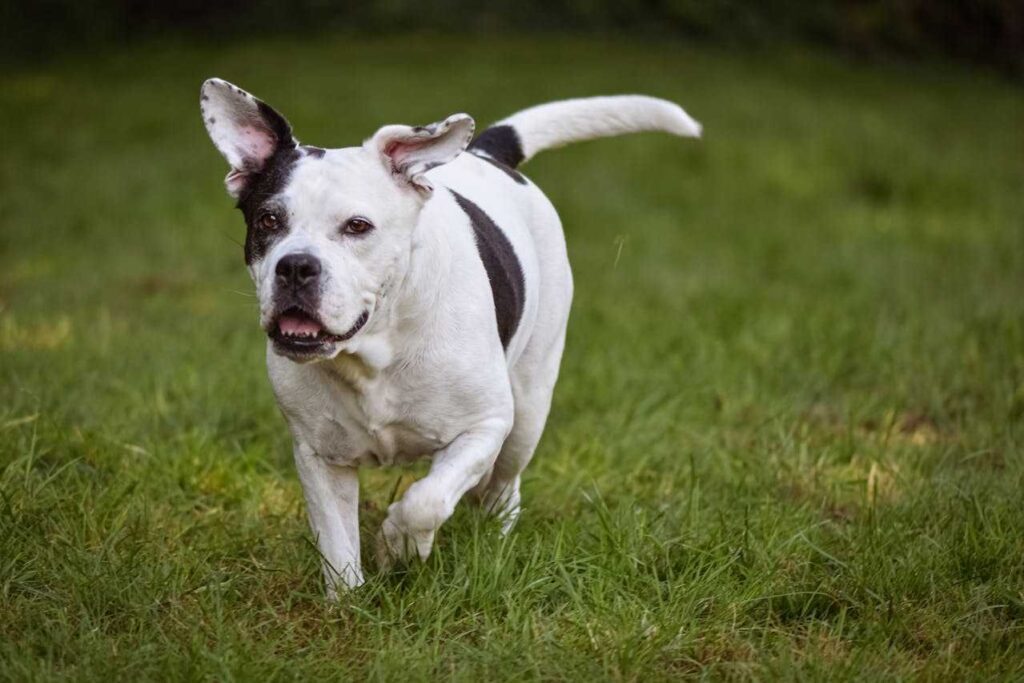
Preventing future ACL injuries involves maintaining a healthy weight, providing regular exercise, and ensuring proper joint care. Implementing these strategies can reduce the risk of re-injury.
Regular Veterinary Check-Ups
Regular veterinary check-ups are essential for monitoring your dog’s joint health and overall well-being. Your vet can provide guidance on preventive measures and early detection of potential issues.
Neutering your cat at the right age can make a dramatic difference in their behavior, health, and overall happiness. Find out the best age to neuter your cat to effectively prevent spraying and make the most informed, loving decision for your feline companion’s long-term wellbeing.
Dog Physical Therapy After ACL Surgery
Benefits of Physical Therapy
Physical therapy can significantly aid in your dog’s recovery after ACL surgery. It helps improve mobility, strengthen muscles, and reduce pain.
Common Physical Therapy Techniques
- Hydrotherapy: Using water to support weight and reduce strain on joints.
- Massage Therapy: Enhancing blood circulation and reducing muscle tension.
- Controlled Exercises: Specific exercises designed to improve strength and flexibility.
Best Dog Food for Joint Health
Nutrient-Rich Diet
Providing a nutrient-rich diet can support your dog’s joint health. Look for dog food that includes:
- High-Quality Protein: Supports muscle repair and maintenance.
- Omega-3 Fatty Acids: Reduces inflammation and promotes joint health.
- Antioxidants: Supports overall health and reduces oxidative stress.
Consulting Your Veterinarian
Consult your veterinarian to choose the best dog food for your dog’s joint health. They can recommend specific brands and formulations based on your dog’s needs.
Dog Joint Pain Relief for Higher weight Dogs
Managing Joint Pain
Managing joint pain in higher weight dogs involves weight management, medication, and supplements. Consult your veterinarian for appropriate pain management strategies.
Pain Relief Options
- Medications: Anti-inflammatory medications prescribed by your vet.
- Supplements: Joint supplements to support joint health.
- Physical Therapy: Techniques to reduce
Dog ACL Injury and Weight
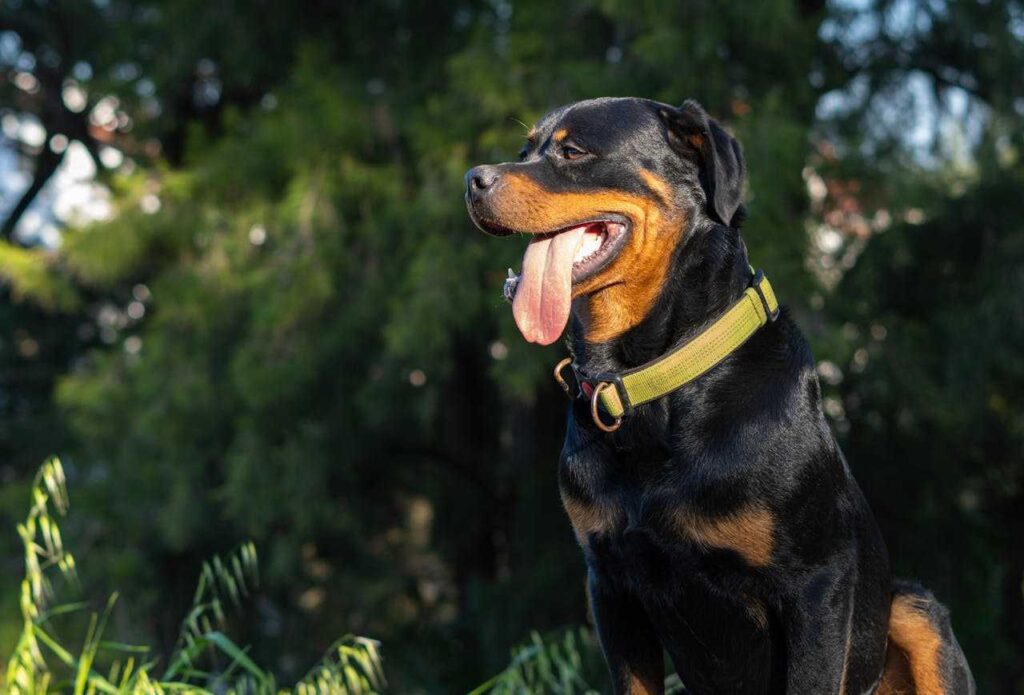
Phew! We’ve covered a lot of ground, but remember, keeping your dog at a healthy weight is one of the most effective ways to prevent ACL injuries and ensure a smooth recovery if one occurs. By incorporating a healthy diet, regular exercise, and regular weight checks, you can significantly reduce the risk and help your furry friend live a long, active, and pain-free life.
Of course, every dog is an individual, and if you have any concerns about your dog’s weight or suspect an ACL injury, always consult your veterinarian. They can create a personalized plan for your precious pup, whether it’s weight management strategies or recommending the best course of action for recovery.
So, go forth, armed with this knowledge, and shower your dog with love, healthy meals, and fun exercise! Together, you can create a happy and healthy life for your furry best friend.
FAQ
An ACL injury in dogs refers to a tear or rupture of the anterior cruciate ligament, a crucial stabilizing ligament in the knee joint. This injury often causes pain, limping, and decreased activity. It can occur due to sudden twists, turns, or overexertion, especially in higher weight or highly active dogs.
A dog’s weight significantly impacts the risk of an ACL injury. Excess weight puts additional stress on the ligaments, increasing the likelihood of a tear or rupture. Higher weight dogs often have weaker muscles and ligaments, making them more prone to injuries during physical activities.
Common symptoms of a torn ACL in dogs include limping, swelling around the knee joint, pain when the affected leg is touched or moved, and a reluctance to engage in physical activities. Early detection of these symptoms is crucial for prompt veterinary care and treatment.
Preventing ACL injuries involves maintaining a healthy weight through a balanced diet and regular exercise. Low-impact exercises, such as walking and swimming, are beneficial. Regular veterinary check-ups and monitoring your dog’s activity levels can also help in early detection and prevention of injuries.
After ACL surgery, a high-protein, low-fat diet is recommended to aid in muscle repair and prevent weight gain. Including joint supplements like glucosamine and chondroitin can support joint health. Consult your veterinarian for a tailored diet plan suited to your dog’s recovery needs.
📊 Interactive Pet Health & Care Calculators
Plan your pet’s healthcare and daily budget with our free interactive tools:
🐾 Related Resources & Interactive Tools in This Guide:
- Interactive Calculator: Puppy Growth & Target Adult Weight Calculator — Estimate your puppy target adult size and milestone weight trajectory.
- Clinical Resource: The First Birthday: When Is a Puppy Considered an Adult Dog?
- Behavior & Training Guide: Ultimate Very Young Puppy Care Guide 2026: Complete Newborn to 8-Week Puppy Care for New Pet Parents
- Related Expert Guide: Professional Pet Chef Services: Your Complete Safety-First Guide to Gourmet Pet Nutrition in 2026
Growth & Immunization Tracking: To predict your puppy’s adult weight based on current breed trajectory, use our interactive Puppy Growth Calculator. For core vaccine timelines and veterinary cost planning, refer to the Puppy Vaccination Schedule Tool.
Peer-Reviewed Veterinary & Clinical Sources
- American College of Veterinary Surgeons (ACVS) (2022). Cranial Cruciate Ligament Disease in Dogs: Biomechanics and Management. ACVS Small Animal Surgery Guides. American College of Veterinary Surgeons (ACVS) Reference.
- Adams, V. J., et al. (2011). Influence of Body Weight and Conformation on Cruciate Rupture Risk in Dogs. Journal of Small Animal Practice. Adams, V. J., et al. Reference.
- Association for Pet Obesity Prevention (APOP) (2023). Impact of Excess Adipose Tissue on Canine Orthopedic Longevity. APOP Clinical Research Survey. Association for Pet Obesity Prevention (APOP) Reference.
📚 Related Topic Cluster Guides & Veterinary Tools
Explore our complete Pet Care & Clinical Health Hub for comprehensive guides, veterinary diagnostic checklists, and daily care protocols.
- A Guide to Keep Your Guinea Pig Happy and Engaged
- How to Keep Your Pet Fish Healthy and Happy
- The Ultimate Dog Weight Loss Guide: Diet Plans, Exercise Routines, and Organisation Strategies for a Healthier Pup
- 13 Ways to Keep Your Pup Happy on Rainy Days
- Interactive Tool: Instant Pet Poison & Toxicity Risk Estimator