The information and calculator data provided in this article are aggregated from peer-reviewed veterinary literature, including the Merck Veterinary Manual and AVMA guidelines. This content is for educational and informational purposes only and is not a substitute for professional veterinary advice, diagnosis, or treatment. Always consult with a licensed veterinarian before administering any medication or altering your pet’s health regimen.
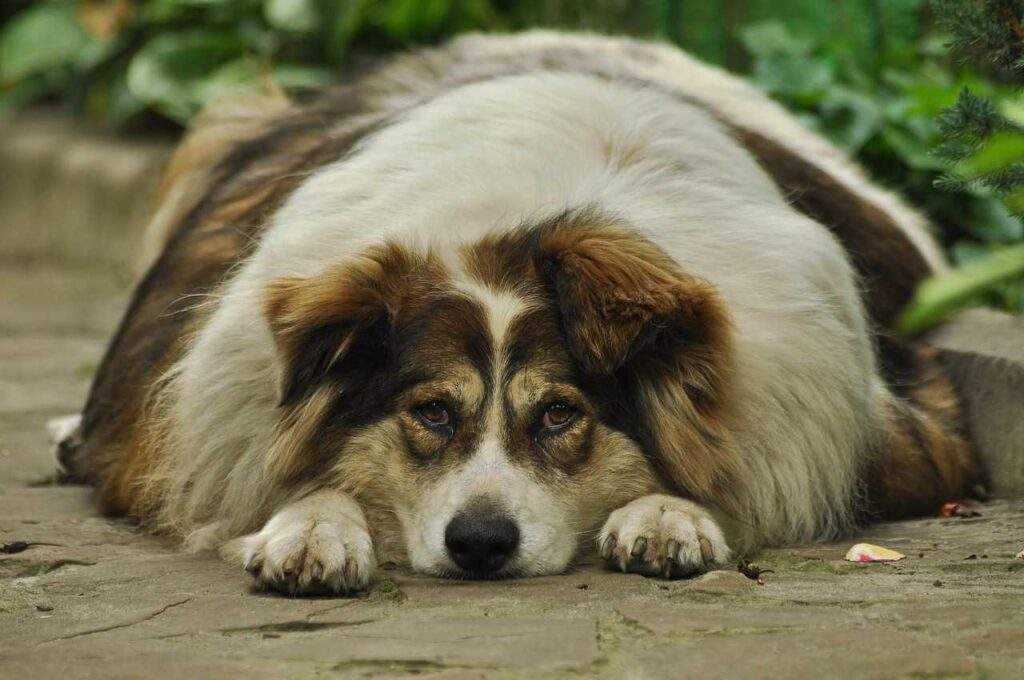
How to exercise an higher weight dog with bad joints is one of the most medically layered questions in companion animal care, because it sits at the intersection of two conditions that make each other worse in a continuous feedback loop: excess weight accelerates joint damage, and joint pain reduces the activity level needed to lose the excess weight. The Association for Pet Obesity Prevention’s body condition scoring resource confirms the cycle directly: extra weight increases stress on joints and can worsen osteoarthritis. Pain reduces activity, reduced activity promotes weight gain, and added weight further increases pain. Breaking this cycle is the entire goal of every strategy in this guide (Association for Pet Obesity Prevention (APOP)).
VCA Animal Hospitals’ obesity and pain overview confirms the scale of the problem: more than 50% of dogs and cats in North America are higher weight, and obesity is now the most important disease process pet owners must face. At least 20% of all dogs regardless of age show some evidence of osteoarthritis, and the risk rises as an higher weight dog gets older making how to exercise an highrweight dog with bad joints one of the most practically urgent guides in pet care. The 9 strategies below address exercise, nutrition, supplementation, hydrotherapy, multi-dog household management, and pain recognition in a sequenced, medically informed program (VCA Animal Hospitals).
Table of contents
- Body Condition Score Quick Check: Identify Before You Start How to Exercise an Higher weight Dog With Bad Joints
- Signs Your Dog Is in Pain From Being Higher weight: Recognize Before You Exercise
- How to Exercise an Higher weight Dog With Bad Joints: Way 1 Short Leash Walking Protocol
- How to Exercise an Overweight Dog With Bad Joints: Way 2 Dog Water Treadmill Therapy Cost and Benefits
- How to Exercise an Overweight Dog With Bad Joints: Way 3 Swimming
- How to Exercise an Overweight Dog With Bad Joints: Way 4 Sit-to-Stand Strengthening
- How to Exercise an Overweight Dog With Bad Joints: Way 5 Canine Arthritis Foundation Protocol
- Best Joint Supplement for Senior Overweight Dogs: Essential Support for How to Exercise an Overweight Dog With Bad Joints
- Best Low Calorie Dog Food for Joint Health 2026: The Nutritional Foundation for How to Exercise an Overweight Dog With Bad Joints
- How to Put a Dog on a Diet When You Have Multiple Dogs: Meal Management for How to Exercise an Overweight Dog With Bad Joints
- How to Exercise an Overweight Dog With Bad Joints: Ways 6 Through 9 The Complete Program
- Frequently Asked Questions About How to Exercise an Overweight Dog With Bad Joints
Body Condition Score Quick Check: Identify Before You Start How to Exercise an Higher weight Dog With Bad Joints
Dog Joint Health: 9 Proven Ways to Beat Dog Obesity in 2026: Clinical Guidelines & Safe Protocol
Administering over-the-counter or prescription care requires exact dosing calculated strictly by your pet verified body weight. Never administer human combination formulas containing decongestants, acetaminophen, or xylitol artificial sweeteners. Always confirm active ingredient milligrams with your licensed veterinarian before beginning treatment to avoid accidental toxicity or dangerous organ complications.
| Clinical Parameter | Standard Veterinary Guideline | Common Risk Factor | Recommended Action |
|---|---|---|---|
| Weight-Based Dosing | Exact mg/kg calculation required | Underdosing or severe overdose | Weigh pet on digital veterinary scale |
| Active Ingredient Check | Single active drug only | Toxic additives (Xylitol, Pseudoephedrine) | Scrutinize human packaging label |
| Administration Window | Every 8, 12, or 24 hours as directed | Drug accumulation in liver/kidneys | Adhere strictly to dosing intervals |
| Veterinary Escalation | Immediate if symptoms worsen past 48h | Underlying infection or organ disease | Schedule clinical exam and bloodwork |
The 3-Step Physical Touch Test for How to Exercise an Higher weight Dog With Bad Joints Planning
Before implementing how to exercise an higher weight dog with bad joints, confirm whether your dog is actually higher weight using this 3-step Body Condition Score (BCS) physical test. The BCS is the veterinary standard for weight assessment in dogs and requires no scale just your hands and eyes.
The Association for Pet Obesity Prevention and PetMD’s obesity in dogs guide together confirm the three-step assessment protocol:
Step 1: The Rib Test.
Place both hands flat on the dog’s sides with your thumbs along the spine and your fingers spread across the rib cage. Apply light pressure comparable to pressing on the back of your hand. If your dog is at a healthy weight, you feel the ribs distinctly under a thin layer of tissue with minimal effort. or push through a noticeable layer of fat to locate the ribs, or if you cannot feel individual ribs at all, your dog is higher weight. If the ribs are immediately visible or feel sharp and prominent with no tissue covering, the dog is underweight.
Step 2: The Profile View.
Stand back and observe the dog from the side while they stand squarely on all four feet. A dog at a healthy BCS shows a visible upward tuck from the chest toward the abdomen, sometimes called the abdominal tuck or waist tuck. Gluckstadt Animal Hospital confirms: the chest should be wider than the abdomen, and there should be a noticeable tuck-up from chest to stomach about where their waist should be. If the underside forms a flat, horizontal line or curves downward (a pendulous abdomen), the dog carries excess abdominal fat (Gluckstadt Animal Hospital).
Step 3: The Top-Down View.
Look directly down at the dog while they stand. A healthy BCS presents a visible hourglass shape: wider at the ribcage, narrowing noticeably at the waist, then slightly widening again at the hips. If the dog appears as a rectangle or barrel shape with no visible waist narrowing between the ribs and hips, excess body fat is present. Coastal Veterinary Care confirms the top-down waist check as one of the most reliable at-home weight indicators, particularly for dense-coated breeds where the side profile is obscured by coat volume (Coastal Veterinary Care).
BCS Result Interpretation:
| BCS Score | Rib Test Result | Profile View | Top-Down View | Action Required |
|---|---|---|---|---|
| 1 to 3 (Underweight) | Ribs visible or sharp with no tissue | Severe abdominal tuck; spine prominent | Hourglass with spine clearly visible | Veterinary evaluation; increased caloric intake |
| 4 to 5 (Ideal) | Ribs felt easily under thin tissue layer | Mild abdominal tuck visible | Clear hourglass waist | Maintain current weight and exercise |
| 6 to 7 (Overweight) | Ribs felt with firm pressure through fat layer | Minimal or no waist tuck | Rectangle shape; little to no waist | Implement the 9-strategy program below |
| 8 to 9 (Obese) | Ribs not palpable; fat deposits on spine and base of tail | No tuck; pendulous abdomen | Barrel shape; no visible waist | Immediate veterinary weight management plan |
Signs Your Dog Is in Pain From Being Higher weight: Recognize Before You Exercise
Signs your dog is in pain from being higher weight must be recognized and documented before beginning any how to exercise an higher weight dog with bad joints program, because an exercise program that ignores active pain signals causes injury instead of recovery.
VCA Animal Hospitals’ weight and pain overview and the Center for Dog Pain Relief’s obesity and osteoarthritis guide together confirm the complete signs your dog is in pain from being higher weight:
Behavioral signs your dog is in pain from being higher weight:
- Reluctance to rise from a lying position or visible stiffness during the first few steps after rest
- Slowing down or stopping during walks that were previously completed without difficulty
- Refusal to climb stairs, jump onto furniture, or enter the car activities requiring joint extension under body weight
- Irritability, increased snapping or growling when touched near the hips, spine, or legs
- Licking, chewing, or fixating on a specific joint area
Physical signs your dog is in pain from being higher weight:
- Visible limping or uneven gait favoring one leg or shifting weight away from a painful joint
- Muscle atrophy in the hindquarters from reduced weight-bearing activity
- Heavy panting during short, low-intensity walks that previously required no respiratory effort
- Incontinence in severe cases where the dog cannot rise quickly enough for outdoor elimination
The Association for Pet Obesity Prevention confirms the cycle these signs represent: signs can be subtle, such as slowing down on walks, stiffness after rest, reluctance to jump or climb stairs, or less interest in play. Any combination of three or more of these signs warrants veterinary examination before implementing the exercise program below, to confirm there is no undiagnosed fracture, ligament tear, or advanced OA requiring medical management before physical activity begins (Association for Pet Obesity Prevention (APOP)).
How to Exercise an Higher weight Dog With Bad Joints: Way 1 Short Leash Walking Protocol
How to exercise an higher weight dog with bad joints begins with walking, not because it is the most exciting intervention, but because it is the most accessible, requires no equipment or facility access, and produces measurable weight loss when structured correctly.
Sierra Pet Meds’ low-impact joint exercise guide confirms the walking framework: short, steady walks on even surfaces are the foundation of any joint-care plan, with multiple brief sessions recommended rather than one long trek. AKC Pet Insurance’s high weight dog exercise guide confirms the flat terrain requirement: choose flat, even walking surfaces like grass or paved paths rather than steep hills or uneven ground, which places asymmetric joint stress on compromised hips and knees.
The week-by-week walking escalation for how to exercise an higher weight dog with bad joints:
- Weeks 1 to 2: Two 10-minute walks daily on flat, even terrain; monitor for limping, excessive panting, or reluctance to continue; rest if any sign appears
- Weeks 3 to 4: Two 15-minute walks daily; introduce gentle grass surfaces which absorb impact better than pavement
- Weeks 5 to 8: Two 20-minute walks daily; if the dog is completing sessions without panting or stiffness, introduce one brief uphill segment of 2 to 3 minutes per session for increased caloric expenditure
- Month 3 onward: Build toward two 30-minute walks daily as the sustainable maintenance target
The Grubby Puppy’s overweight dog exercise guide confirms the flat surface rule specifically for bad-joint dogs: minimize stress on joints by opting for flat, even surfaces like grassy parks or paved trails and avoiding steep hills or uneven terrain at the start of the program (The Grubby Puppy).
How to Exercise an Overweight Dog With Bad Joints: Way 2 Dog Water Treadmill Therapy Cost and Benefits
Dog Water Treadmill Therapy Cost and Benefits: The Gold Standard for How to Exercise an Overweight Dog With Bad Joints
Dog water treadmill therapy cost and benefits represents the single most effective and joint-protective exercise modality for how to exercise an overweight dog with bad joints, because underwater treadmill therapy uses the buoyancy of water to reduce joint load while providing resistance that builds the muscle mass needed to support damaged joints.
Stride Canine Rehab’s 2026 underwater treadmill benefits guide confirms the seven confirmed benefits for the joint-compromised overweight dog: Stride Canine Rehabilitation
- Low-impact exercise: Buoyancy significantly reduces stress on joints and bones, making it the optimal choice for dogs with arthritis or joint issues
- Improved mobility: Gradual water resistance builds strength and improves range of motion, enabling dogs to regain agility over time
- Weight management: Underwater treadmill sessions assist in weight loss by providing a calorie-burning workout that is easy on the body
- Increased muscle strength: Walking against water resistance strengthens muscles, improving tone and function around damaged joints
- Pain relief: Warm water soothes stiff muscles and provides relief during rehabilitation
- Caloric burn: Aquatic therapy increases energy expenditure significantly some studies indicate dogs burn 30 to 50% more calories exercising in water than on land
- Consistent participation: Dogs often perceive underwater sessions as playful rather than strenuous, making consistent attendance easier to maintain
Dog water treadmill therapy cost and benefits the full pricing breakdown:
Vital Vet’s hydrotherapy guide and Wag Walking’s hydrotherapy cost reference together confirm the current dog water treadmill therapy cost and benefits pricing:
| Service Type | Initial Consultation | Single Session | Package (6 sessions) |
|---|---|---|---|
| Pool-based hydrotherapy | $36 | $30 | $150 to $180 |
| Underwater treadmill | $47 to $50 | $35 to $50 | $200 to $280 |
| Fitness swim with certified therapist | Included in consultation | $20 | $100 to $120 |
For the overweight dog with actively painful joints, the initial veterinary referral to a certified canine rehabilitation therapist (CCRP) is the recommended pathway to underwater treadmill access, as the CCRP designs the water depth, speed, and session duration specifically to the dog’s BCS, joint condition, and current pain level.
How to Exercise an Overweight Dog With Bad Joints: Way 3 Swimming
Swimming as How to Exercise an Overweight Dog With Bad Joints Safely
How to exercise an overweight dog with bad joints through open-water swimming provides the same buoyancy benefits as the underwater treadmill at zero facility cost for dogs who enjoy water and have access to safe swimming environments. Dog Breed Pro confirms swimming as a superb, low-impact exercise for overweight dogs that eases joint strain; ideal for dogs with arthritis or those struggling with land exercises, with short 10 to 15 minute sessions boosting metabolism and improving physical condition (Dog Breed Pro).
Begin with shallow wading at the water’s edge before asking the dog to swim, use a properly fitted dog life jacket for all swimming sessions regardless of the dog’s swimming ability, and keep initial sessions to 5 to 10 minutes. Longer swims fatigue the supporting muscles around compromised joints before those muscles have built sufficient endurance. AKC Pet Insurance confirms swimming burns calories without stressing the joints and is particularly suitable for dogs with hip and joint issues who need to build cardiovascular fitness while the joints are protected (AKC Pet Insurance).
How to Exercise an Overweight Dog With Bad Joints: Way 4 Sit-to-Stand Strengthening
How to exercise an overweight dog with bad joints through targeted muscle-building exercises at home uses the sit-to-stand repetition, which builds the quadricep and gluteal muscle groups that directly support the hips and knees the joints most affected by obesity-related OA. Meowant’s safe exercises for dogs with joint issues guide confirms the sit-to-stand technique: ask your dog for a sit, and just as their rear touches the ground, use a treat to lure them back into a standing position; the movement should be slow and controlled, aiming for 2 to 3 sets of 6 to 10 repetitions (MeoWant).
Begin with 2 sets of 5 repetitions once daily, performed on a non-slip surface such as a yoga mat or carpeted area. Increase to 3 sets of 10 repetitions over 3 to 4 weeks as muscle endurance improves. The sit-to-stand requires no facility access, costs nothing, and directly builds the periarticular muscle mass that reduces the mechanical load on damaged joint surfaces during every other activity in the dog’s daily life.
How to Exercise an Overweight Dog With Bad Joints: Way 5 Canine Arthritis Foundation Protocol
How to exercise an overweight dog with bad joints in line with the evidence-based arthritis management framework is confirmed by Canine Arthritis Organization’s exercise and weight loss guide: when dogs are overweight or obese, they are significantly more likely to develop symptoms of arthritis, and maintaining a healthy weight and lean body condition are the most important things you can do to manage arthritis in dogs. Exercise for the arthritic overweight dog must be consistent frequency (daily), low to moderate intensity (never exhausting), and variable surface (grass preferred over concrete) (Canine Arthritis Management).
The Canine Arthritis Organization recommends that exercise sessions for arthritic overweight dogs prioritize frequency over duration two or three 15-minute sessions daily produces better joint outcome than one 45-minute session, because shorter sessions maintain synovial fluid production in the joint without reaching the fatigue threshold that triggers post-exercise inflammatory flare.
Best Joint Supplement for Senior Overweight Dogs: Essential Support for How to Exercise an Overweight Dog With Bad Joints
Best joint supplement for senior overweight dogs is the nutritional intervention that runs in parallel with the exercise program throughout the entire weight loss journey, because the joint cartilage damage that obesity causes cannot be reversed by weight loss alone it requires active nutritional support of the cartilage matrix, synovial fluid production, and joint inflammation management.
Furry Aging’s best joint supplements for senior dogs guide confirms the top-reviewed best joint supplement for senior overweight dogs products based on ingredient quality and veterinary recommendation: Nutramax Cosequin, Nutramax Dasuquin for Large Breeds, PetHonesty Advanced Hip + Joint, Nutramax Dasuquin for Small and Medium Breeds, and Zesty Paws Advanced Mobility Bites (Furry Aging).
The key active ingredients in the best joint supplement for senior overweight dogs:
| Ingredient | Mechanism | Evidence Level | Found In |
|---|---|---|---|
| Glucosamine HCl | Stimulates proteoglycan synthesis in cartilage matrix; provides building blocks for cartilage repair | Extensive veterinary clinical data | Cosequin, Dasuquin, Zesty Paws |
| Chondroitin sulfate | Inhibits cartilage-degrading enzymes; retains water in cartilage for cushioning | Strong; synergistic with glucosamine | Cosequin, Dasuquin, PetHonesty |
| MSM (methylsulfonylmethane) | Anti-inflammatory; supports collagen synthesis | Moderate; confirmed pain reduction in OA dogs | Dasuquin with MSM, VetriScience Senior |
| Green-lipped mussel | Omega-3 fatty acids + glycosaminoglycans; broad-spectrum joint anti-inflammatory | Strong; unique to this source | VetriScience Senior Hip and Joint |
| Omega-3 fatty acids (EPA/DHA) | Systemic anti-inflammatory; reduces joint inflammation markers | Extensive | VetriScience Senior; fish oil supplements |
| SDMA/EGCG (ASU) | Avocado soybean unsaponifiables; inhibits OA progression; enhances glucosamine efficacy | Strong; endorsed by VOHC | Dasuquin with ASU |
Hip and Joint product specification
VetriScience’s Senior Healthy Hip and Joint product specification confirms the senior-specific formulation difference: Senior Healthy Hip and Joint offers L-Carnitine (which is good for both heart and muscle health) and Omega-3 fatty acids, providing multiple joint and cardiovascular benefits that the standard adult hip and joint formula does not include. Senior Dog Care’s top 5 joint supplements for large senior dogs guide confirms Dasuquin with MSM, Cosequin, and Nutri-Vet Joint Health DS plus MSM as the three most veterinarian-recommended products for large senior dogs specifically.
Best Low Calorie Dog Food for Joint Health 2026: The Nutritional Foundation for How to Exercise an Overweight Dog With Bad Joints
Best low calorie dog food for joint health 2026 is the dietary component that determines the pace of weight loss, and selecting a formula that addresses both caloric restriction and joint support simultaneously is the most efficient nutritional strategy for how to exercise an overweight dog with bad joints.
Dogster’s January 2026 best low-calorie dog foods review confirms the 10 top-reviewed best low calorie dog food for joint health 2026 options for the overweight dog. Dog Food Advisor’s best food for dogs with arthritis 2026 confirms the top joint-health food recommendations with glucosamine content specifications. Dogster’s best dog foods for joint health review confirms the overlap between low-calorie and joint-supportive formulas.
What to look for in the best low calorie dog food for joint health 2026:
- Guaranteed analysis showing 300 to 350 kcal per cup or less for adult weight management formulas
- Minimum 400mg glucosamine per kilogram of food as a naturally occurring or added ingredient
- Omega-3 fatty acids (EPA and DHA) from fish meal or fish oil as a named ingredient in the top 5 ingredients
- Lean protein (chicken, turkey, fish) as the first ingredient with protein content of 25 to 30% on a dry matter basis to preserve muscle mass during caloric restriction
- Controlled fat content (8 to 12% dry matter) to reduce caloric density without eliminating essential fatty acids
What to avoid in the best low calorie dog food for joint health 2026:
- Corn, wheat, or soy as the first ingredient (high glycemic index; contributes to fat storage even at restricted caloric intake)
- Artificial preservatives (BHA, BHT, ethoxyquin) which are associated with increased systemic inflammation
- Corn syrup or molasses as a palatability enhancer (empty calories in a calorie-restricted formula)
- Generic “meat meal” or “animal fat” as primary protein or fat source without species specification
How to Put a Dog on a Diet When You Have Multiple Dogs: Meal Management for How to Exercise an Overweight Dog With Bad Joints
How to put a dog on a diet when you have multiple dogs is the practical management challenge that defeats many well-intentioned weight loss programs, because the overweight dog finishes its reduced-calorie portion and immediately moves to consume the calorie-unrestricted food in every other bowl in the house.
VCA Animal Hospitals’ weight reduction plan guide confirms the veterinary-standard multi-dog feeding protocol: feed the dogs specific meals during the day and monitor mealtime; remove any leftover food after the designated mealtime; feed the overweight dog her diet in one room while feeding the other dog elsewhere; allow them to eat for 15 to 30 minutes, then remove any uneaten food. Small Door Vet’s dog diet guide confirms room separation as the most reliable multi-dog feeding management system: the key is to separate the dog that is dieting from any other dogs during mealtime, accomplished by putting the dogs in separate rooms and closing the doors.
The complete how to put a dog on a diet when you have multiple dogs daily protocol:
- Establish fixed mealtimes for all dogs: Eliminate free-choice feeding for every dog in the household simultaneously; two scheduled meals daily at consistent times for all dogs reduces the resource-guarding and opportunistic stealing that free-feeding environments create
- Separate rooms for every meal: Place the dieting dog in a closed room for every feeding session; the separation is non-negotiable and must be consistent at every single meal
- Set a 20-minute meal window: Small Door Vet confirms removing all food after 15 to 30 minutes; this prevents the dieting dog from returning to other dogs’ unfinished bowls after its own meal is complete (Small Door Veterinary)
- Use separate treat protocols: The dieting dog receives low-calorie training treats (baby carrots, cucumber slices, small pieces of plain cooked chicken) while other dogs receive their standard treats; conduct all training reward sessions for the dieting dog separately from training sessions involving other dogs
- Install microchip-activated feeders for high-risk households: In multi-dog households where physical separation is architecturally difficult, microchip-activated automatic feeders open only for the registered dog’s microchip, preventing food theft at the bowl level
- Track every dog’s weight weekly: Hill’s Pet Nutrition’s multi-dog feeding guide confirms the monitoring requirement: separate bowls with pre-portioned meals give the owner the visibility to know exactly how much each dog is consuming and whether the separation protocol is preventing cross-contamination of the dieting dog’s restricted calorie budget (Hill’s Pet Nutrition)
How to Exercise an Overweight Dog With Bad Joints: Ways 6 Through 9 The Complete Program
How to exercise an overweight dog with bad joints is completed through four additional strategies that address indoor exercise, pacing, recovery, and the veterinary relationship that makes the entire program medically supervised rather than owner-improvised.
Way 6: Indoor dog treadmill sessions.
A dog-specific treadmill (not a human treadmill, which has an exposed belt and unsafe deck length for dog gait mechanics) provides controlled, weather-independent, flat-surface walking for days when outdoor access is limited. Pet Jope’s weight management exercise guide confirms dog treadmills as great for overweight dogs needing controlled movement indoors. Start at the treadmill’s lowest speed setting, stand at the front of the treadmill and reward the dog for forward movement, and build to 10 to 15-minute sessions over 2 to 3 weeks (Pet Jope).
Way 7: Structured sniff walks.
Allowing the overweight dog with bad joints to move at its own pace while following its nose through a park or yard provides mental enrichment and physical activity without the handler-imposed pace that may exceed the dog’s comfortable joint threshold. Canine Arthritis Organization confirms that consistent low-intensity movement produces better long-term arthritis outcomes than intermittent vigorous exercise, and sniff walks are inherently low-intensity, self-paced, and cognitively engaging (Canine Arthritis Management).
Way 8: The 48-hour soreness monitoring protocol.
After introducing any new exercise type or increasing session duration, observe the dog for the 24 to 48 hours following the session. Increased limping, new stiffness on rising, or reluctance to move the next morning are signals that the previous session exceeded the joint’s current tolerance and the duration or intensity must be reduced by 25%. Sierra Pet Meds confirms that for joint-compromised dogs, the goal is consistent daily low-intensity movement rather than progressively intense sessions the exercise program that produces the most weight loss is the one the dog can maintain every single day without pain-driven interruption (Sierra Pet Meds).
Way 9: The veterinary weight loss partnership.
VCA Animal Hospitals’ weight reduction plan guide is explicit: losing weight and getting in shape can add not only years to your dog’s life, it can also make those extra years more enjoyable but the safest weight loss programs are veterinarian-designed, with monthly weight checks, caloric targets calculated from the dog’s current metabolic weight rather than ideal weight, and exercise intensity decisions made in the context of confirmed joint imaging findings rather than owner observation alone. Schedule an initial weight management consultation, confirm no unmanaged joint pathology before beginning the exercise program, and request a CCRP referral for underwater treadmill access if the dog’s BCS is 8 or higher (VCA Animal Hospitals).
Frequently Asked Questions About How to Exercise an Overweight Dog With Bad Joints
How to exercise an overweight dog with bad joints without causing pain: Sierra Pet Meds confirms to start with short leash walks on flat terrain in multiple brief sessions rather than one long session, and to use swimming or underwater treadmill hydrotherapy as the primary exercise modality for dogs in active joint pain. AKC Pet Insurance confirms flat surfaces, grass over pavement, and gradual duration increases as the three non-negotiable joint-protective exercise principles.
Best joint supplement for senior overweight dogs: Furry Aging confirms Nutramax Dasuquin for Large Breeds, Nutramax Cosequin, and Zesty Paws Advanced Mobility Bites as the top-reviewed options. VetriScience’s Senior Hip and Joint formula adds L-Carnitine and Omega-3 fatty acids specifically for senior dogs, providing cardiovascular and joint benefits simultaneously. Look for glucosamine, chondroitin, MSM, and green-lipped mussel as the four active ingredients that together provide the most comprehensive joint support for the overweight senior.
Signs your dog is in pain from being overweight: VCA Animal Hospitals confirms the primary signs include slowing down on walks, stiffness after rest, reluctance to jump or climb stairs, and less interest in play. The Center for Dog Pain Relief adds irritability, lameness or limping, reluctance to stand, and pain when touched near hips or spine as additional indicators. Three or more of these signs present simultaneously warrants veterinary examination before beginning any exercise program.
🐾 Related Resources & Interactive Tools in This Guide:
- Interactive Calculator: Puppy Growth & Target Adult Weight Calculator — Estimate your puppy target adult size and milestone weight trajectory.
- Clinical Resource: How to Prevent French Bulldog Breathing Problems: The Complete French Bulldog Health Guide 2026
- Behavior & Training Guide: First Week With a Golden Retriever Puppy: The Complete Training and Nurturing Guide 2026
- Related Expert Guide: How to Firm Up Puppy Poop Quickly: The Complete Puppy Diarrhea Management Handbook 2026
Growth & Immunization Tracking: To predict your puppy’s adult weight based on current breed trajectory, use our interactive Puppy Growth Calculator. For core vaccine timelines and veterinary cost planning, refer to the Puppy Vaccination Schedule Tool.
📚 Related Topic Cluster Guides & Veterinary Tools
Explore our complete Pet Care & Clinical Health Hub for comprehensive guides, veterinary diagnostic checklists, and daily care protocols.
- How to Cure Dog Bad Breath Without Brushing: 11 Ways to Banish Bad Breath
- How to Arrange a House for a Paralyzed Dog: Mobility Guide
- Pros and Cons of Neutering a Dog at 6 Months: The Exact Spay and Neuter Age Guide
- How to Calm a Male Dog When a Female Is on Heat: The Complete Guide
- Interactive Tool: Pet Age to Human Years Conversion Calculator