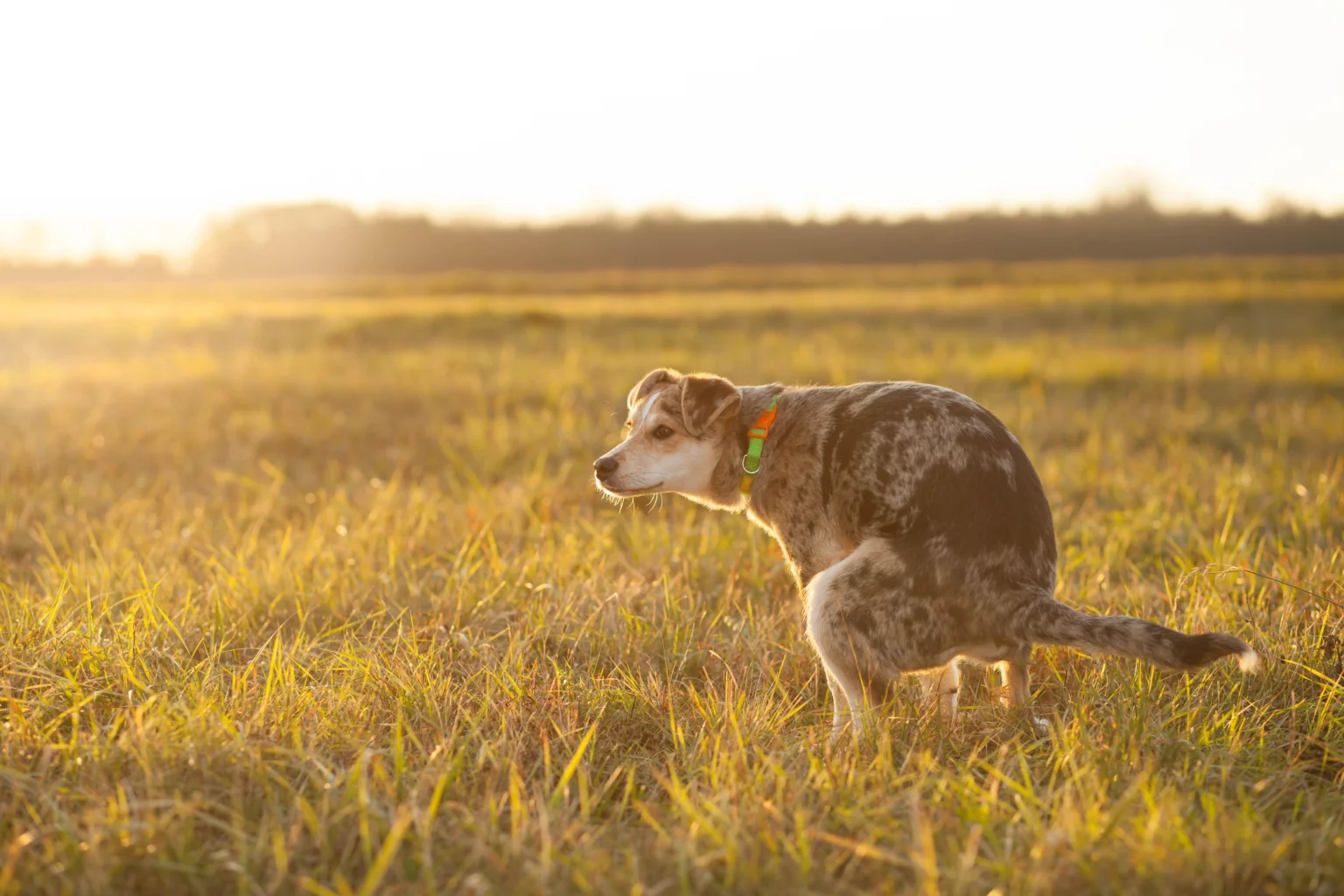
According to clinical protocols established by the American Veterinary Medical Association (AVMA), this evidence-based clinical guide provides key insights: Your dog’s poo can reveal useful clues about their digestive health. Although checking it is hardly anyone’s favourite job, changes in colour, texture or contents can help you recognise when something might be wrong. Normal dog poo is usually brown, formed and moist enough to hold its shape. But what if your dog suddenly passes yellow, green, black or reddish stool? What does clear jelly-like mucus mean? And could those tiny white specks actually be worms? Unusual dog poo colour can indicate dietary changes, intestinal irritation, parasites or gastrointestinal disease. However, colour alone cannot diagnose the cause. Some changes are relatively minor, particularly when they happen once and your dog otherwise appears healthy. Others require prompt veterinary attention. Black, sticky, tar-like stools may indicate digested blood and require urgent assessment. Substantial bleeding, repeated bloody diarrhoea, collapse, pale gums or suspected poisoning are also serious warning signs. This guide explains what different dog poo colours and textures may mean, how to recognise mucus and possible tapeworm segments, and when to contact your veterinary surgeon.
⚡ Direct Answer:
Unusual dog poop colour indicates changes in intestinal transit time, dietary indiscretion, or underlying systemic pathology. Normal stool is chocolate-brown and firm. Black tarry stool (melena) indicates digested blood from the stomach or upper intestines requiring emergency veterinary care. Bright red blood (hematochezia) indicates lower intestinal or rectal bleeding. Mustard-yellow or orange stool points to rapid transit, food intolerance, or biliary issues, while white rice-like flecks commonly indicate Dipylidium caninum tapeworm segments.
💡 Quick Answer: What Does Unusual Dog Poop Colour Mean?
Unusual dog poop colour indicates changes in intestinal transit time, dietary indiscretion, or underlying systemic pathology. Normal stool is chocolate-brown and firm. Black tarry stool (melena) indicates digested blood from the stomach or upper intestines requiring emergency veterinary care. Bright red blood (hematochezia) indicates lower intestinal or rectal bleeding. Mustard-yellow or orange stool points to rapid transit, food intolerance, or biliary issues, while white rice-like flecks commonly indicate Dipylidium caninum tapeworm segments.
Table of contents
- Dog Poop Colour Chart: Normal vs Abnormal
- What Does Normal Dog Poop Look Like?
- Why Is My Dog Pooping Black, Sticky, Tarry Stool?
- What Does Bright-Red Blood in Dog Poop Mean?
- Why Is My Dog Pooping Mustard-Yellow Soft Stool?
- What Does Orange Dog Poop Mean?
- What Causes Bright-Green Dog Poop Besides Grass?
- What Does Pale Grey or Clay-Coloured Dog Poop Mean?
- What Do White Specks in Dog Poop Look Like if They Are Tapeworms?
- Why Is There Clear or Pink Mucus Coating on Dog Poop?
- Mucus in Dog Poop vs Colitis: What’s the Difference?
- What Does Watery Dog Diarrhoea Mean?
- When Is Unusual Dog Poop an Emergency?
- Is It Safe to Treat Unusual Dog Poop at Home?
- How to Collect a Dog Poop Sample for the Vet
- How to Prevent Common Dog Stool Problems
- Common Mistakes When Checking Dog Poop
- Frequently Asked Questions
- Final Verdict: Understanding Unusual Dog Poop Colours
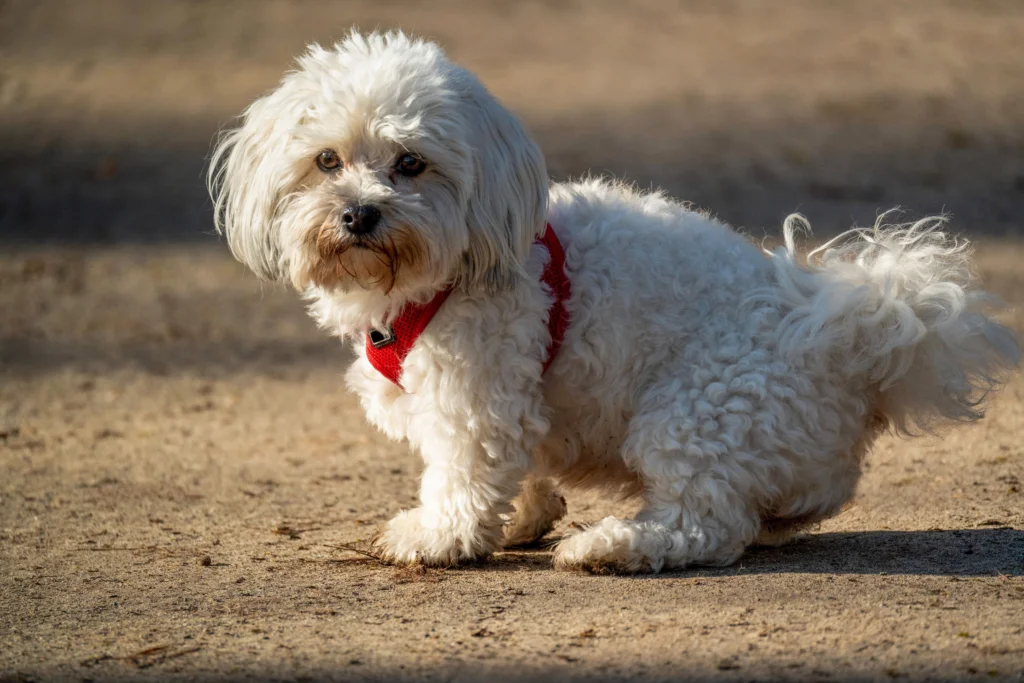
Dog Poop Colour Chart: Normal vs Abnormal
Per the American Animal Hospital Association (AAHA) canine clinical guidelines, A dog’s stool should be assessed by its colour, consistency, contents and any accompanying symptoms. The following chart provides possible explanations and practical guidance. Important: This chart describes possible causes, not confirmed diagnoses. The severity of symptoms and your dog’s overall condition determine the urgency. Fecal evaluations and cytology assist veterinarians in differentiating between upper gastrointestinal hemorrhage presenting as melaena and lower colonic inflammation presenting as hematochezia, ensuring appropriate targeted therapy and probiotic support.
What Does Normal Dog Poop Look Like?
According to comparative clinical research evaluated by Cornell University College of Veterinary Medicine, Healthy dog poo is generally medium to dark brown. It should have enough structure to retain its shape when picked up without falling apart or spreading like liquid. Fecal evaluations and cytology assist veterinarians in differentiating between upper gastrointestinal hemorrhage presenting as melaena and lower colonic inflammation presenting as hematochezia, ensuring appropriate targeted therapy and probiotic support.
Characteristics of Normal Dog Poop
As documented by veterinary clinicians at UC Davis School of Veterinary Medicine, Typical healthy stool has several features: Dogs vary in their normal bowel habits. Diet, age, activity and individual digestive patterns can all affect how often a dog defecates. A sudden change from your dog’s usual pattern may be more informative than comparing every bowel movement with an idealised picture. Fecal evaluations and cytology assist veterinarians in differentiating between upper gastrointestinal hemorrhage presenting as melaena and lower colonic inflammation presenting as hematochezia, ensuring appropriate targeted therapy and probiotic support.
Should Dog Poop Smell Bad?
According to clinical consensus recommendations from the World Small Animal Veterinary Association (WSAVA), Dog poo normally has an unpleasant odour. However, a particularly unusual or persistent change in smell can accompany dietary changes or digestive problems. Smell alone cannot identify parasites, infection or a specific illness. If an unusual odour occurs with diarrhoea, vomiting, blood, weight loss or reduced appetite, contact your vet. Nobody enjoys talking about cat poop, but your cat’s litter box is one of the most honest health reports they will ever give you. Learn how to tell if your cat’s poop is abnormal with this 2026 diagnostic guide and find out what healthy looks like, which warning signs to watch for, and when to stop guessing and call your vet.
Why Is My Dog Pooping Black, Sticky, Tarry Stool?
Per peer-reviewed clinical studies published in the Journal of the American Veterinary Medical Association (JAVMA), Black, tar-like dog poo is one of the most concerning stool changes. It may indicate melaena, which is the passage of digested blood through the gastrointestinal tract. Fecal evaluations and cytology assist veterinarians in differentiating between upper gastrointestinal hemorrhage presenting as melaena and lower colonic inflammation presenting as hematochezia, ensuring appropriate targeted therapy and probiotic support.
What Does Melaena Look Like?
According to evidence compiled by the American Kennel Club (AKC) veterinary advisory board, Melaena may produce stool that is: The appearance can reflect blood that has undergone digestion before leaving the body. Fecal evaluations and cytology assist veterinarians in differentiating between upper gastrointestinal hemorrhage presenting as melaena and lower colonic inflammation presenting as hematochezia, ensuring appropriate targeted therapy and probiotic support.
What Causes Black Tarry Stool?
Per emergency clinical protocols from the American College of Veterinary Internal Medicine (ACVIM), Possible causes include: The Merck Veterinary Manual explains the significance of dark, tar-like stool as a possible sign of gastrointestinal bleeding. Fecal evaluations and cytology assist veterinarians in differentiating between upper gastrointestinal hemorrhage presenting as melaena and lower colonic inflammation presenting as hematochezia, ensuring appropriate targeted therapy and probiotic support.
Is All Black Dog Poop Internal Bleeding?
According to clinical protocols established by the American Veterinary Medical Association (AVMA), No. Certain foods, supplements and medicines can darken stool. For example, substances containing iron or bismuth may affect appearance. However, a black, sticky, tar-like consistency must not be dismissed as a harmless colour change. Fecal evaluations and cytology assist veterinarians in differentiating between upper gastrointestinal hemorrhage presenting as melaena and lower colonic inflammation presenting as hematochezia, ensuring appropriate targeted therapy and probiotic support.
What Should You Do?
Per the American Animal Hospital Association (AAHA) canine clinical guidelines, Contact a veterinary practice urgently if your dog passes stool resembling black tar. If your dog also develops weakness, collapse, pale gums, vomiting blood or significant distress, seek emergency veterinary care immediately. Engaging your dog in calming interactive brain games for dogs can lower stress-induced digestive upset. Do not attempt to treat suspected gastrointestinal bleeding with home remedies. Fecal evaluations and cytology assist veterinarians in differentiating between upper gastrointestinal hemorrhage presenting as melaena and lower colonic inflammation presenting as hematochezia, ensuring appropriate targeted therapy and probiotic support.
What Does Bright-Red Blood in Dog Poop Mean?
According to comparative clinical research evaluated by Cornell University College of Veterinary Medicine, Bright-red blood in stool is called haematochezia. It often suggests fresh bleeding from the lower digestive tract or tissues around the anus. The blood may appear as: Fecal evaluations and cytology assist veterinarians in differentiating between upper gastrointestinal hemorrhage presenting as melaena and lower colonic inflammation presenting as hematochezia, ensuring appropriate targeted therapy and probiotic support.
- Small red streaks on formed stool.
- Drops of blood after defecation.
- Blood mixed with soft stool.
- Red mucus.
- Repeated bloody diarrhoea.
Possible Causes of Fresh Blood
As documented by veterinary clinicians at UC Davis School of Veterinary Medicine, Fresh blood can occur with: Blood colour helps describe the appearance, but it does not establish the exact source. Fecal evaluations and cytology assist veterinarians in differentiating between upper gastrointestinal hemorrhage presenting as melaena and lower colonic inflammation presenting as hematochezia, ensuring appropriate targeted therapy and probiotic support.
Is a Small Red Streak an Emergency?
According to clinical consensus recommendations from the World Small Animal Veterinary Association (WSAVA), A small, isolated streak in an otherwise healthy adult dog is not necessarily the same urgency as heavy bleeding. Nevertheless, contact your veterinary practice for guidance whenever visible blood appears. The PDSA’s guidance on blood in dog poo recommends veterinary advice when blood is present. Fecal evaluations and cytology assist veterinarians in differentiating between upper gastrointestinal hemorrhage presenting as melaena and lower colonic inflammation presenting as hematochezia, ensuring appropriate targeted therapy and probiotic support.
When Is Bloody Dog Poop an Emergency?
Per peer-reviewed clinical studies published in the Journal of the American Veterinary Medical Association (JAVMA), Seek urgent veterinary care if: Puppies require particular caution because serious infections and dehydration can progress rapidly. Fecal evaluations and cytology assist veterinarians in differentiating between upper gastrointestinal hemorrhage presenting as melaena and lower colonic inflammation presenting as hematochezia, ensuring appropriate targeted therapy and probiotic support.
Why Is My Dog Pooping Mustard-Yellow Soft Stool?
According to evidence compiled by the American Kennel Club (AKC) veterinary advisory board, Mustard-yellow stool may look light brown, golden yellow or distinctly yellow. Its texture may be formed, soft or watery. Fecal evaluations and cytology assist veterinarians in differentiating between upper gastrointestinal hemorrhage presenting as melaena and lower colonic inflammation presenting as hematochezia, ensuring appropriate targeted therapy and probiotic support.
What Causes Yellow Dog Poop?
Per emergency clinical protocols from the American College of Veterinary Internal Medicine (ACVIM), Possible explanations include: Yellow stool is sometimes attributed to bile. However, the colour alone cannot establish a bile disorder, liver disease or a specific infection. Fecal evaluations and cytology assist veterinarians in differentiating between upper gastrointestinal hemorrhage presenting as melaena and lower colonic inflammation presenting as hematochezia, ensuring appropriate targeted therapy and probiotic support.
Is Yellow Diarrhoea Always Serious?
According to clinical protocols established by the American Veterinary Medical Association (AVMA), Not every isolated yellow bowel movement indicates major illness. If your adult dog passes one slightly soft yellow stool but continues eating, drinking and behaving normally, close observation may be reasonable initially. However, repeated diarrhoea, vomiting, reduced appetite, weakness or abdominal pain requires veterinary advice. Fecal evaluations and cytology assist veterinarians in differentiating between upper gastrointestinal hemorrhage presenting as melaena and lower colonic inflammation presenting as hematochezia, ensuring appropriate targeted therapy and probiotic support.
Should You Switch to Chicken and Rice?
Per the American Animal Hospital Association (AAHA) canine clinical guidelines, Do not automatically begin an improvised chicken-and-rice diet whenever stool turns yellow. Dietary changes should be appropriate for the dog’s age, health and symptoms. A basic chicken-and-rice mixture is not nutritionally complete for long-term feeding. You can evaluate your dog’s caloric requirements using our free pet nutrition & calorie calculator. If your dog has persistent diarrhoea, speak with your veterinarian about an appropriate feeding plan. Fecal evaluations and cytology assist veterinarians in differentiating between upper gastrointestinal hemorrhage presenting as melaena and lower colonic inflammation presenting as hematochezia, ensuring appropriate targeted therapy and probiotic support.
What Does Orange Dog Poop Mean?
According to comparative clinical research evaluated by Cornell University College of Veterinary Medicine, Orange stools may result from dietary ingredients, altered digestion or other gastrointestinal changes. For example, coloured ingredients can sometimes influence stool appearance. However, persistent orange or yellow-orange stool may require veterinary investigation. Fecal evaluations and cytology assist veterinarians in differentiating between upper gastrointestinal hemorrhage presenting as melaena and lower colonic inflammation presenting as hematochezia, ensuring appropriate targeted therapy and probiotic support.
Could Orange Stool Indicate Liver Problems?
As documented by veterinary clinicians at UC Davis School of Veterinary Medicine, Some digestive and bile-related disorders can change stool colour. However, orange stool alone cannot identify a liver or gallbladder condition. If the colour change is accompanied by vomiting, jaundice, poor appetite, abdominal discomfort or unusual lethargy, seek prompt veterinary assessment. Fecal evaluations and cytology assist veterinarians in differentiating between upper gastrointestinal hemorrhage presenting as melaena and lower colonic inflammation presenting as hematochezia, ensuring appropriate targeted therapy and probiotic support.
What Causes Bright-Green Dog Poop Besides Grass?
According to clinical consensus recommendations from the World Small Animal Veterinary Association (WSAVA), Grass is one possible reason for greenish dog poo. However, other factors may contribute. Fecal evaluations and cytology assist veterinarians in differentiating between upper gastrointestinal hemorrhage presenting as melaena and lower colonic inflammation presenting as hematochezia, ensuring appropriate targeted therapy and probiotic support.
Possible Causes of Green Dog Poop
Per peer-reviewed clinical studies published in the Journal of the American Veterinary Medical Association (JAVMA), These include: A veterinarian may recommend further investigation if green stool persists or occurs with diarrhoea or other symptoms. Fecal evaluations and cytology assist veterinarians in differentiating between upper gastrointestinal hemorrhage presenting as melaena and lower colonic inflammation presenting as hematochezia, ensuring appropriate targeted therapy and probiotic support.
Does Bright-Green Dog Poop Mean Rat Poison?
According to evidence compiled by the American Kennel Club (AKC) veterinary advisory board, No. Bright-green stool does not prove rodenticide poisoning. Some rodenticide products are coloured, but the colour does not reliably indicate which chemical is present or whether poisoning has occurred. Equally, a dog that has eaten rodenticide may initially produce ordinary-looking stool. The Pet Poison Helpline warns against relying on bait colour to identify the toxic ingredient. Fecal evaluations and cytology assist veterinarians in differentiating between upper gastrointestinal hemorrhage presenting as melaena and lower colonic inflammation presenting as hematochezia, ensuring appropriate targeted therapy and probiotic support.
What if Your Dog May Have Eaten Rat Poison?
Per emergency clinical protocols from the American College of Veterinary Internal Medicine (ACVIM), Contact a veterinarian or animal poison service immediately. Do not wait for diarrhoea, abnormal stool colour or bleeding to develop. Do not induce vomiting unless specifically instructed by a veterinary professional. If possible, retain the product packaging or photograph its label to help identify the substance. Fecal evaluations and cytology assist veterinarians in differentiating between upper gastrointestinal hemorrhage presenting as melaena and lower colonic inflammation presenting as hematochezia, ensuring appropriate targeted therapy and probiotic support.
What Does Pale Grey or Clay-Coloured Dog Poop Mean?
According to clinical protocols established by the American Veterinary Medical Association (AVMA), Pale, greyish or clay-coloured stool is less typical than normal brown poo. Such changes can sometimes be associated with altered digestion or problems affecting bile flow. However, stool appearance alone cannot confirm liver disease, pancreatic disease or another specific condition. Fecal evaluations and cytology assist veterinarians in differentiating between upper gastrointestinal hemorrhage presenting as melaena and lower colonic inflammation presenting as hematochezia, ensuring appropriate targeted therapy and probiotic support.
When Should You Be Concerned?
Per the American Animal Hospital Association (AAHA) canine clinical guidelines, Seek veterinary advice when the change is: If the dog also shows yellowing of the eyes or gums, significant abdominal pain or marked illness, assessment becomes more urgent. Fecal evaluations and cytology assist veterinarians in differentiating between upper gastrointestinal hemorrhage presenting as melaena and lower colonic inflammation presenting as hematochezia, ensuring appropriate targeted therapy and probiotic support.
What Do White Specks in Dog Poop Look Like if They Are Tapeworms?
According to comparative clinical research evaluated by Cornell University College of Veterinary Medicine, Small white or cream-coloured fragments in dog poo may be tapeworm segments. One important canine tapeworm is Dipylidium caninum. Fecal evaluations and cytology assist veterinarians in differentiating between upper gastrointestinal hemorrhage presenting as melaena and lower colonic inflammation presenting as hematochezia, ensuring appropriate targeted therapy and probiotic support.
What Do Tapeworm Segments Look Like?
As documented by veterinary clinicians at UC Davis School of Veterinary Medicine, Tapeworm segments may resemble: Fresh segments may sometimes move. Fecal evaluations and cytology assist veterinarians in differentiating between upper gastrointestinal hemorrhage presenting as melaena and lower colonic inflammation presenting as hematochezia, ensuring appropriate targeted therapy and probiotic support.
Are White Specks Always Worms?
According to clinical consensus recommendations from the World Small Animal Veterinary Association (WSAVA), No. Undigested food, seeds and other material may resemble parasite segments. A photograph or collected sample can help your veterinarian assess what you have found. Fecal evaluations and cytology assist veterinarians in differentiating between upper gastrointestinal hemorrhage presenting as melaena and lower colonic inflammation presenting as hematochezia, ensuring appropriate targeted therapy and probiotic support.
How Do Dogs Get Dipylidium Tapeworms?
Per peer-reviewed clinical studies published in the Journal of the American Veterinary Medical Association (JAVMA), Dogs commonly acquire Dipylidium caninum by swallowing an infected flea. Consequently, parasite treatment alone may not prevent recurrence if the flea problem remains uncontrolled. The Companion Animal Parasite Council explains the tapeworm’s lifecycle and recommended diagnostic considerations. Fecal evaluations and cytology assist veterinarians in differentiating between upper gastrointestinal hemorrhage presenting as melaena and lower colonic inflammation presenting as hematochezia, ensuring appropriate targeted therapy and probiotic support.
Can a Faecal Test Miss Tapeworms?
According to evidence compiled by the American Kennel Club (AKC) veterinary advisory board, Yes. Routine faecal examination does not always detect Dipylidium infections reliably. Visible segments may provide valuable information. Ask your veterinarian about appropriate testing, parasite treatment and flea prevention. Do not select a dewormer or dosage based solely on an online photograph. Fecal evaluations and cytology assist veterinarians in differentiating between upper gastrointestinal hemorrhage presenting as melaena and lower colonic inflammation presenting as hematochezia, ensuring appropriate targeted therapy and probiotic support.
Why Is There Clear or Pink Mucus Coating on Dog Poop?
Per emergency clinical protocols from the American College of Veterinary Internal Medicine (ACVIM), The intestines normally produce mucus to help move stool through the digestive tract. Small amounts may not be visible. However, obvious mucus may appear as a clear, slippery or jelly-like coating. Fecal evaluations and cytology assist veterinarians in differentiating between upper gastrointestinal hemorrhage presenting as melaena and lower colonic inflammation presenting as hematochezia, ensuring appropriate targeted therapy and probiotic support.
What Causes Mucus in Dog Poop?
According to clinical protocols established by the American Veterinary Medical Association (AVMA), Visible mucus can occur when the large intestine becomes irritated or inflamed. Possible contributing factors include: Fecal evaluations and cytology assist veterinarians in differentiating between upper gastrointestinal hemorrhage presenting as melaena and lower colonic inflammation presenting as hematochezia, ensuring appropriate targeted therapy and probiotic support.
- Colitis.
- Sudden dietary changes.
- Eating unsuitable material.
- Stress-related intestinal disturbance.
- Parasites.
- Infections.
- Other inflammatory digestive conditions.
What Does Clear Mucus Mean?
Per the American Animal Hospital Association (AAHA) canine clinical guidelines, Clear mucus may indicate irritation of the lower intestine. A single small amount in an otherwise well adult dog may not indicate a serious problem. However, persistent or recurrent mucus warrants investigation. Fecal evaluations and cytology assist veterinarians in differentiating between upper gastrointestinal hemorrhage presenting as melaena and lower colonic inflammation presenting as hematochezia, ensuring appropriate targeted therapy and probiotic support.
What Does Pink Mucus Mean?
According to comparative clinical research evaluated by Cornell University College of Veterinary Medicine, Pink mucus may contain a small amount of fresh blood. This can occur with inflammation or irritation of the lower bowel. Contact your veterinary practice for advice, particularly if pink mucus recurs or accompanies diarrhoea. Fecal evaluations and cytology assist veterinarians in differentiating between upper gastrointestinal hemorrhage presenting as melaena and lower colonic inflammation presenting as hematochezia, ensuring appropriate targeted therapy and probiotic support.
What About Yellow Mucus?
As documented by veterinary clinicians at UC Davis School of Veterinary Medicine, Yellowish mucus can occur with intestinal secretions and digestive material. Its colour alone cannot identify the underlying cause. Other symptoms and examination findings are more informative. Fecal evaluations and cytology assist veterinarians in differentiating between upper gastrointestinal hemorrhage presenting as melaena and lower colonic inflammation presenting as hematochezia, ensuring appropriate targeted therapy and probiotic support.
Mucus in Dog Poop vs Colitis: What’s the Difference?
According to clinical consensus recommendations from the World Small Animal Veterinary Association (WSAVA), Mucus is a visible finding. Colitis is inflammation of the colon, or large intestine. A dog can pass mucus for several reasons, and not every mucus-covered stool means colitis. Fecal evaluations and cytology assist veterinarians in differentiating between upper gastrointestinal hemorrhage presenting as melaena and lower colonic inflammation presenting as hematochezia, ensuring appropriate targeted therapy and probiotic support.
Common Signs of Colitis
Per peer-reviewed clinical studies published in the Journal of the American Veterinary Medical Association (JAVMA), Possible signs include: The Merck Veterinary Manual’s colitis guidance explains these typical large-bowel symptoms. Fecal evaluations and cytology assist veterinarians in differentiating between upper gastrointestinal hemorrhage presenting as melaena and lower colonic inflammation presenting as hematochezia, ensuring appropriate targeted therapy and probiotic support.
Can Stress Cause Mucus?
According to evidence compiled by the American Kennel Club (AKC) veterinary advisory board, Stress can contribute to gastrointestinal disturbances in some dogs. However, stress should not be assumed to be the cause of recurring mucus without considering infections, parasites and other medical conditions. Fecal evaluations and cytology assist veterinarians in differentiating between upper gastrointestinal hemorrhage presenting as melaena and lower colonic inflammation presenting as hematochezia, ensuring appropriate targeted therapy and probiotic support.
Is Colitis Always Serious?
Per emergency clinical protocols from the American College of Veterinary Internal Medicine (ACVIM), The severity varies. Some cases are relatively mild, while others require substantial diagnostic investigation or treatment. The underlying cause and the dog’s overall health determine the appropriate management. Fecal evaluations and cytology assist veterinarians in differentiating between upper gastrointestinal hemorrhage presenting as melaena and lower colonic inflammation presenting as hematochezia, ensuring appropriate targeted therapy and probiotic support.
What Does Watery Dog Diarrhoea Mean?
According to clinical protocols established by the American Veterinary Medical Association (AVMA), Watery diarrhoea occurs when stool loses its normal form and becomes liquid. Possible causes include: Fecal evaluations and cytology assist veterinarians in differentiating between upper gastrointestinal hemorrhage presenting as melaena and lower colonic inflammation presenting as hematochezia, ensuring appropriate targeted therapy and probiotic support.
- Dietary indiscretion.
- Sudden food changes.
- Intestinal parasites.
- Infections.
- Inflammatory digestive conditions.
- Certain medicines.
- Other illnesses.
Why Is Repeated Watery Diarrhoea Concerning?
Per the American Animal Hospital Association (AAHA) canine clinical guidelines, Repeated liquid stool can cause fluid and electrolyte losses. Puppies, dogs and dogs with existing medical conditions may become unwell more quickly. Fecal evaluations and cytology assist veterinarians in differentiating between upper gastrointestinal hemorrhage presenting as melaena and lower colonic inflammation presenting as hematochezia, ensuring appropriate targeted therapy and probiotic support.
When Should You Contact a Vet?
According to comparative clinical research evaluated by Cornell University College of Veterinary Medicine, Seek advice promptly when diarrhoea is repeated, persistent or accompanied by other symptoms. Urgent assessment is important if your dog develops: Fecal evaluations and cytology assist veterinarians in differentiating between upper gastrointestinal hemorrhage presenting as melaena and lower colonic inflammation presenting as hematochezia, ensuring appropriate targeted therapy and probiotic support.
- Blood in diarrhoea.
- Repeated vomiting.
- Severe weakness.
- Significant abdominal pain.
- Dehydration.
- Collapse.
Can Parvovirus Cause Bloody Diarrhoea?
As documented by veterinary clinicians at UC Davis School of Veterinary Medicine, Yes. Canine parvovirus is one possible cause of severe gastrointestinal illness, especially in susceptible puppies. However, bloody diarrhoea does not automatically mean parvo, and parvo can develop before visible blood appears. An unvaccinated or incompletely vaccinated puppy with lethargy, vomiting or diarrhoea needs prompt veterinary assessment. Fecal evaluations and cytology assist veterinarians in differentiating between upper gastrointestinal hemorrhage presenting as melaena and lower colonic inflammation presenting as hematochezia, ensuring appropriate targeted therapy and probiotic support.
When Is Unusual Dog Poop an Emergency?
According to clinical consensus recommendations from the World Small Animal Veterinary Association (WSAVA), Some stool changes can be monitored briefly, but serious warning signs require immediate action. Fecal evaluations and cytology assist veterinarians in differentiating between upper gastrointestinal hemorrhage presenting as melaena and lower colonic inflammation presenting as hematochezia, ensuring appropriate targeted therapy and probiotic support.
Dog Poop Emergency Guide
| Finding | Recommended urgency |
|---|---|
| Black, sticky, tar-like stool | Urgent veterinary assessment |
| Large amounts of bright-red blood | Emergency assessment |
| Repeated bloody diarrhoea | Urgent or emergency assessment |
| Collapse or severe weakness | Emergency immediately |
| Pale gums with abnormal stool | Emergency immediately |
| Possible rat poison exposure | Immediate veterinary or poison advice |
| Repeated vomiting with diarrhoea | Urgent assessment |
| Puppy with severe diarrhoea | Prompt veterinary assessment; urgent if weak or vomiting |
| Persistent mucus or unexplained stool changes | Veterinary appointment |
| One mildly unusual formed stool in an otherwise healthy adult | Monitor closely and seek advice if it continues |
Per peer-reviewed clinical studies published in the Journal of the American Veterinary Medical Association (JAVMA), The Merck Veterinary Manual’s veterinary warning-sign guidance provides further context on symptoms requiring professional attention. Do not wait for a fixed 24- or 48-hour period if your dog appears seriously unwell. Fecal evaluations and cytology assist veterinarians in differentiating between upper gastrointestinal hemorrhage presenting as melaena and lower colonic inflammation presenting as hematochezia, ensuring appropriate targeted therapy and probiotic support.
Is It Safe to Treat Unusual Dog Poop at Home?
According to evidence compiled by the American Kennel Club (AKC) veterinary advisory board, A single mildly abnormal bowel movement in an otherwise healthy adult dog does not always require emergency treatment. However, home observation is only reasonable when there are no concerning accompanying symptoms. Fecal evaluations and cytology assist veterinarians in differentiating between upper gastrointestinal hemorrhage presenting as melaena and lower colonic inflammation presenting as hematochezia, ensuring appropriate targeted therapy and probiotic support.
What You Can Do Safely
Per emergency clinical protocols from the American College of Veterinary Internal Medicine (ACVIM), For an adult dog that is bright, eating normally and has no blood or repeated diarrhoea: Fecal evaluations and cytology assist veterinarians in differentiating between upper gastrointestinal hemorrhage presenting as melaena and lower colonic inflammation presenting as hematochezia, ensuring appropriate targeted therapy and probiotic support.
- Make fresh drinking water available.
- Avoid introducing unnecessary new treats.
- Record the colour and consistency.
- Watch for further abnormal bowel movements.
- Monitor appetite, energy and vomiting.
- Contact your veterinary practice if changes persist or recur.
Should You Fast Your Dog for 12 Hours?
According to clinical protocols established by the American Veterinary Medical Association (AVMA), Do not use a blanket fasting rule for every dog with mucus or soft stool. The suitability of withholding food depends on age, overall health, clinical symptoms and veterinary guidance. Puppies and dogs with certain medical conditions require particular care. Fecal evaluations and cytology assist veterinarians in differentiating between upper gastrointestinal hemorrhage presenting as melaena and lower colonic inflammation presenting as hematochezia, ensuring appropriate targeted therapy and probiotic support.
Should You Feed Chicken and Rice?
Per the American Animal Hospital Association (AAHA) canine clinical guidelines, A short-term veterinary-directed feeding plan may sometimes use easily digestible ingredients. However, an improvised chicken-and-rice mixture is not a complete long-term diet. It should not replace appropriate veterinary treatment for bloody diarrhoea, persistent vomiting or serious illness. Fecal evaluations and cytology assist veterinarians in differentiating between upper gastrointestinal hemorrhage presenting as melaena and lower colonic inflammation presenting as hematochezia, ensuring appropriate targeted therapy and probiotic support.
Can You Give Human Anti-Diarrhoeal Medicine?
According to comparative clinical research evaluated by Cornell University College of Veterinary Medicine, Do not give human medicines without veterinary approval. Some products are inappropriate or potentially dangerous for dogs. Similarly, do not administer antibiotics or dewormers without determining whether they are suitable. Fecal evaluations and cytology assist veterinarians in differentiating between upper gastrointestinal hemorrhage presenting as melaena and lower colonic inflammation presenting as hematochezia, ensuring appropriate targeted therapy and probiotic support.
How to Collect a Dog Poop Sample for the Vet
As documented by veterinary clinicians at UC Davis School of Veterinary Medicine, A faecal sample may help your veterinarian investigate parasites or gastrointestinal illness. Fecal evaluations and cytology assist veterinarians in differentiating between upper gastrointestinal hemorrhage presenting as melaena and lower colonic inflammation presenting as hematochezia, ensuring appropriate targeted therapy and probiotic support.
Step 1: Use a Clean Collection Tool
According to clinical consensus recommendations from the World Small Animal Veterinary Association (WSAVA), Wear disposable gloves or use a clean scoop. Fecal evaluations and cytology assist veterinarians in differentiating between upper gastrointestinal hemorrhage presenting as melaena and lower colonic inflammation presenting as hematochezia, ensuring appropriate targeted therapy and probiotic support.
Step 2: Choose a Recent Sample
Per peer-reviewed clinical studies published in the Journal of the American Veterinary Medical Association (JAVMA), Collect stool that has not been excessively contaminated with soil, grass or litter. Fecal evaluations and cytology assist veterinarians in differentiating between upper gastrointestinal hemorrhage presenting as melaena and lower colonic inflammation presenting as hematochezia, ensuring appropriate targeted therapy and probiotic support.
Step 3: Use a Leakproof Container
According to evidence compiled by the American Kennel Club (AKC) veterinary advisory board, Place the sample in a clean container or one provided by the veterinary practice. Fecal evaluations and cytology assist veterinarians in differentiating between upper gastrointestinal hemorrhage presenting as melaena and lower colonic inflammation presenting as hematochezia, ensuring appropriate targeted therapy and probiotic support.
Step 4: Record the Collection Time
Per emergency clinical protocols from the American College of Veterinary Internal Medicine (ACVIM), Label the container with the dog’s identity and the time collected. Fecal evaluations and cytology assist veterinarians in differentiating between upper gastrointestinal hemorrhage presenting as melaena and lower colonic inflammation presenting as hematochezia, ensuring appropriate targeted therapy and probiotic support.
Step 5: Ask About Storage
According to clinical protocols established by the American Veterinary Medical Association (AVMA), Different tests may have different handling requirements. Contact the veterinary practice for instructions about refrigeration and delivery. Fecal evaluations and cytology assist veterinarians in differentiating between upper gastrointestinal hemorrhage presenting as melaena and lower colonic inflammation presenting as hematochezia, ensuring appropriate targeted therapy and probiotic support.
Step 6: Wash Your Hands
Per the American Animal Hospital Association (AAHA) canine clinical guidelines, Clean your hands and any equipment after handling faeces. Fecal evaluations and cytology assist veterinarians in differentiating between upper gastrointestinal hemorrhage presenting as melaena and lower colonic inflammation presenting as hematochezia, ensuring appropriate targeted therapy and probiotic support.
Should You Take a Photograph?
According to comparative clinical research evaluated by Cornell University College of Veterinary Medicine, Yes, a photograph may be helpful when unusual colours, mucus, blood or possible parasite segments are present. However, photographs cannot replace laboratory examination or veterinary diagnosis. Fecal evaluations and cytology assist veterinarians in differentiating between upper gastrointestinal hemorrhage presenting as melaena and lower colonic inflammation presenting as hematochezia, ensuring appropriate targeted therapy and probiotic support.
How to Prevent Common Dog Stool Problems
As documented by veterinary clinicians at UC Davis School of Veterinary Medicine, Not every gastrointestinal problem can be prevented. However, several basic care practices can support digestive health. Cats go wild for canned tuna, but how much is safe and how often is a question every cat owner should get a straight answer on. Get the 2026 guide to how much canned tuna a cat can safely eat and learn how to offer this favorite treat in a way your cat enjoys without putting their health at risk. Fecal evaluations and cytology assist veterinarians in differentiating between upper gastrointestinal hemorrhage presenting as melaena and lower colonic inflammation presenting as hematochezia, ensuring appropriate targeted therapy and probiotic support.
Feed a Suitable Complete Diet
According to clinical consensus recommendations from the World Small Animal Veterinary Association (WSAVA), Choose a nutritionally complete food appropriate for your dog’s age and health. Fecal evaluations and cytology assist veterinarians in differentiating between upper gastrointestinal hemorrhage presenting as melaena and lower colonic inflammation presenting as hematochezia, ensuring appropriate targeted therapy and probiotic support.
Make Dietary Changes Gradually
Per peer-reviewed clinical studies published in the Journal of the American Veterinary Medical Association (JAVMA), A gradual transition may reduce digestive upset when changing food for a healthy dog. Fecal evaluations and cytology assist veterinarians in differentiating between upper gastrointestinal hemorrhage presenting as melaena and lower colonic inflammation presenting as hematochezia, ensuring appropriate targeted therapy and probiotic support.
Avoid Unnecessary Table Scraps
According to evidence compiled by the American Kennel Club (AKC) veterinary advisory board, Rich, fatty or unfamiliar foods can contribute to digestive problems. Some human foods are also toxic to dogs. Fecal evaluations and cytology assist veterinarians in differentiating between upper gastrointestinal hemorrhage presenting as melaena and lower colonic inflammation presenting as hematochezia, ensuring appropriate targeted therapy and probiotic support.
Maintain Appropriate Parasite Prevention
Per emergency clinical protocols from the American College of Veterinary Internal Medicine (ACVIM), Follow veterinary guidance for deworming, flea control and faecal testing based on your dog’s risk factors. Fecal evaluations and cytology assist veterinarians in differentiating between upper gastrointestinal hemorrhage presenting as melaena and lower colonic inflammation presenting as hematochezia, ensuring appropriate targeted therapy and probiotic support.
Prevent Access to Dangerous Substances
According to clinical protocols established by the American Veterinary Medical Association (AVMA), Keep medicines, rodenticides, cleaning chemicals and unsafe foods away from pets. Fecal evaluations and cytology assist veterinarians in differentiating between upper gastrointestinal hemorrhage presenting as melaena and lower colonic inflammation presenting as hematochezia, ensuring appropriate targeted therapy and probiotic support.
Monitor Regular Bowel Habits
Per the American Animal Hospital Association (AAHA) canine clinical guidelines, Notice significant changes in frequency, consistency, colour and behaviour. Early recognition can help you provide useful information to your veterinarian. Fecal evaluations and cytology assist veterinarians in differentiating between upper gastrointestinal hemorrhage presenting as melaena and lower colonic inflammation presenting as hematochezia, ensuring appropriate targeted therapy and probiotic support.
Common Mistakes When Checking Dog Poop
Assuming Every Dark Stool Means Bleeding
According to comparative clinical research evaluated by Cornell University College of Veterinary Medicine, Ordinary dark-brown stool is not the same as black, tar-like melaena. However, suspected melaena deserves urgent assessment. Fecal evaluations and cytology assist veterinarians in differentiating between upper gastrointestinal hemorrhage presenting as melaena and lower colonic inflammation presenting as hematochezia, ensuring appropriate targeted therapy and probiotic support.
Believing Bright-Green Poop Proves Poisoning
As documented by veterinary clinicians at UC Davis School of Veterinary Medicine, Green stool does not identify a toxin. Suspected poisoning requires immediate action regardless of poo colour. Fecal evaluations and cytology assist veterinarians in differentiating between upper gastrointestinal hemorrhage presenting as melaena and lower colonic inflammation presenting as hematochezia, ensuring appropriate targeted therapy and probiotic support.
Treating Every White Speck as a Worm
According to clinical consensus recommendations from the World Small Animal Veterinary Association (WSAVA), White fragments can have several explanations. A photograph or sample may help with identification. Fecal evaluations and cytology assist veterinarians in differentiating between upper gastrointestinal hemorrhage presenting as melaena and lower colonic inflammation presenting as hematochezia, ensuring appropriate targeted therapy and probiotic support.
Ignoring Pink Mucus
Per peer-reviewed clinical studies published in the Journal of the American Veterinary Medical Association (JAVMA), Pink mucus may contain fresh blood. Seek veterinary advice rather than assuming it is harmless. Fecal evaluations and cytology assist veterinarians in differentiating between upper gastrointestinal hemorrhage presenting as melaena and lower colonic inflammation presenting as hematochezia, ensuring appropriate targeted therapy and probiotic support.
Waiting Two Days During Severe Diarrhoea
According to evidence compiled by the American Kennel Club (AKC) veterinary advisory board, Repeated vomiting, substantial blood, weakness and dehydration require prompt care. Fecal evaluations and cytology assist veterinarians in differentiating between upper gastrointestinal hemorrhage presenting as melaena and lower colonic inflammation presenting as hematochezia, ensuring appropriate targeted therapy and probiotic support.
Automatically Fasting a Dog
Per emergency clinical protocols from the American College of Veterinary Internal Medicine (ACVIM), Routine fasting is not appropriate for every dog or medical circumstance. Fecal evaluations and cytology assist veterinarians in differentiating between upper gastrointestinal hemorrhage presenting as melaena and lower colonic inflammation presenting as hematochezia, ensuring appropriate targeted therapy and probiotic support.
Using Stool Colour to Diagnose Disease
According to clinical protocols established by the American Veterinary Medical Association (AVMA), Colour provides clues but is not a substitute for examination and appropriate testing. Fecal evaluations and cytology assist veterinarians in differentiating between upper gastrointestinal hemorrhage presenting as melaena and lower colonic inflammation presenting as hematochezia, ensuring appropriate targeted therapy and probiotic support.
Frequently Asked Questions
Healthy dog poo is usually medium to dark brown, well formed and moist enough to retain its shape.
Black, tar-like stool may contain digested blood, known as melaena. Seek urgent veterinary assessment, especially if your dog is weak, vomiting or has pale gums.
Fresh red blood may originate from the lower intestine or anal region. Causes vary, so veterinary advice is recommended. Substantial or repeated bleeding requires urgent care.
Yellow stool may occur with dietary changes, altered intestinal transit or gastrointestinal illness. Persistent changes or accompanying symptoms require veterinary assessment.
Possible causes include coloured foods, altered digestion or other ingested material. Green stool does not diagnose poisoning.
Tapeworm segments may resemble small grains of rice or pale seeds. Some move when freshly passed. Ask your vet about identification and treatment.
Visible clear mucus can occur with lower-intestinal irritation, including colitis. Repeated or substantial mucus warrants veterinary advice.
It may indicate mucus mixed with fresh blood. Contact your vet, especially if the finding recurs or your dog has diarrhoea.
Yes. Colitis may cause mucus, frequent small bowel movements, urgency and straining even when visible blood is absent.
Do not follow a universal fasting rule. Feeding recommendations depend on the dog’s age, health and symptoms.
Not always. An isolated mild change in an otherwise healthy adult dog may be monitored closely, but blood, black tar-like stool, repeated diarrhoea or other illness changes the urgency.
A recent sample may be useful, particularly when parasites or gastrointestinal disease are suspected. Ask the veterinary practice about collection and storage.
Final Verdict: Understanding Unusual Dog Poop Colours
Per the American Animal Hospital Association (AAHA) canine clinical guidelines, Unusual dog poo colour can provide clues about digestive health, but it cannot diagnose a disease by itself. Normal stool is generally brown and formed. Black, sticky, tar-like stool may indicate digested blood and requires urgent assessment. Bright-red blood can suggest fresh bleeding, while clear or pink mucus may be associated with lower-bowel irritation. Yellow and green stools have several possible explanations, and small white rice-like pieces may be tapeworm segments. The most important step is to consider both the stool and your dog’s overall condition. A single mild colour change in an otherwise healthy adult dog may not be an emergency. However, substantial bleeding, repeated bloody diarrhoea, suspected poisoning, collapse, pale gums or serious illness require immediate veterinary attention. Use stool appearance as a reason to observe, document and seek appropriate care—not as a substitute for veterinary diagnosis.