

The information and calculator data provided in this article are aggregated from peer-reviewed veterinary literature, including the Merck Veterinary Manual and AVMA guidelines. This content is for educational and informational purposes only and is not a substitute for professional veterinary advice, diagnosis, or treatment. Always consult with a licensed veterinarian before administering any medication or altering your pet’s health regimen.
Table of contents
Pitbull is a misunderstood yet extraordinary breed of dogs. Known for their strength, intelligence, and loyalty, Pitbulls are a group of breeds that include the American Pit Bull Terrier, American Staffordshire Terrier, and Staffordshire Bull Terrier. Over the years, stereotypes have painted them as aggressive and dangerous, but in reality, Pitbulls are among the most loving and devoted dogs when raised with care and affection.
Often misunderstood and unfairly stereotyped, Pitbulls have been the subject of many misconceptions. However, these dogs are far more than their negative reputation. When raised with love, care, and proper training, Pitbulls can make wonderful family pets.
In this post, we’ll debunk common myths and highlight five compelling reasons why Pitbulls can be fantastic companions for families. From their loyal and affectionate nature to their playful personalities, we’ll explore the many qualities that make this breed so special.
1. Pitbull: Loyal and Affectionate Temperament
Pitbull Dog: 5 Reasons Why They Make Great Family Pets: Growth Milestones & Timeline
Most puppies reach physical adulthood between 12 and 24 months depending on their breed size category. Small toy breeds finish growing around 9 to 12 months, medium breeds at 12 to 15 months, and giant large breeds continue skeletal and muscle development until 18 to 24 months under balanced veterinary nutrition standards.
| Breed Size Category | Adult Weight Range | Growth Plate Closure | Full Physical Maturity |
|---|---|---|---|
| Toy & Small Breeds (< 20 lbs) | 4 to 20 lbs (2 to 9 kg) | 8 to 11 Months | 10 to 12 Months |
| Medium Breeds (21 to 50 lbs) | 21 to 50 lbs (10 to 23 kg) | 12 to 14 Months | 12 to 15 Months |
| Large Breeds (51 to 90 lbs) | 51 to 90 lbs (24 to 41 kg) | 14 to 18 Months | 18 to 24 Months |
| Giant Breeds (> 90 lbs) | 90 to 180+ lbs (42 to 82 kg) | 18 to 24 Months | 24 to 36 Months |
One of the defining traits of Pitbulls is their loyalty and affection. Despite their tough exterior, Pitbulls are incredibly loving and crave companionship, making them an ideal choice for families.
What Makes Pitbulls So Affectionate?
- Strong Bonding Abilities: Pitbulls form deep connections with their families, often becoming fiercely protective and devoted.
- Natural Caregivers: Historically nicknamed “nanny dogs,” they are known for their gentle nature with children.
- Emotional Awareness: Pitbulls can pick up on their owner’s emotions and provide comfort during difficult times.
Tips for Encouraging a Loving Temperament
- Early Socialization: Introduce your Pitbull to various environments, people, and other pets at a young age.
- Quality Time: Spend time playing, walking, and cuddling with your dog to strengthen your bond.
- Positive Reinforcement: Use praise and treats to reward good behavior, reinforcing their affectionate nature.
Fun Fact: During World War I, Pitbulls were often used in propaganda posters as symbols of courage and loyalty!
Resource: Learn more about breed-specific temperament from the American Kennel Club.
2. Pitbull: Highly Trainable and Intelligent
Pitbulls are not just strong; they are smart too. Their intelligence and eagerness to please make them highly trainable, excelling in obedience and specialized activities.
Training Benefits
- Obedience: Pitbulls quickly learn commands like sit, stay, and come.
- Special Skills: Many Pitbulls perform well in agility courses, therapy dog programs, and even police work.
- Behavioral Management: Proper training minimizes behavioral issues and enhances their role as family pets.
Training Strategies
- Start Early: Begin training as early as eight weeks old.
- Positive Reinforcement: Reward-based techniques work best for Pitbulls.
- Consistency: Stick to consistent rules and commands to avoid confusion.
- Enroll in Classes: Puppy training classes or obedience courses help socialize and train your dog in a structured environment.
Fun Fact: A famous Pitbull named Sergeant Stubby served in World War I, saving countless lives by alerting soldiers to gas attacks!
Resource: For step-by-step training tips, check out Zak George’s Dog Training Revolution.
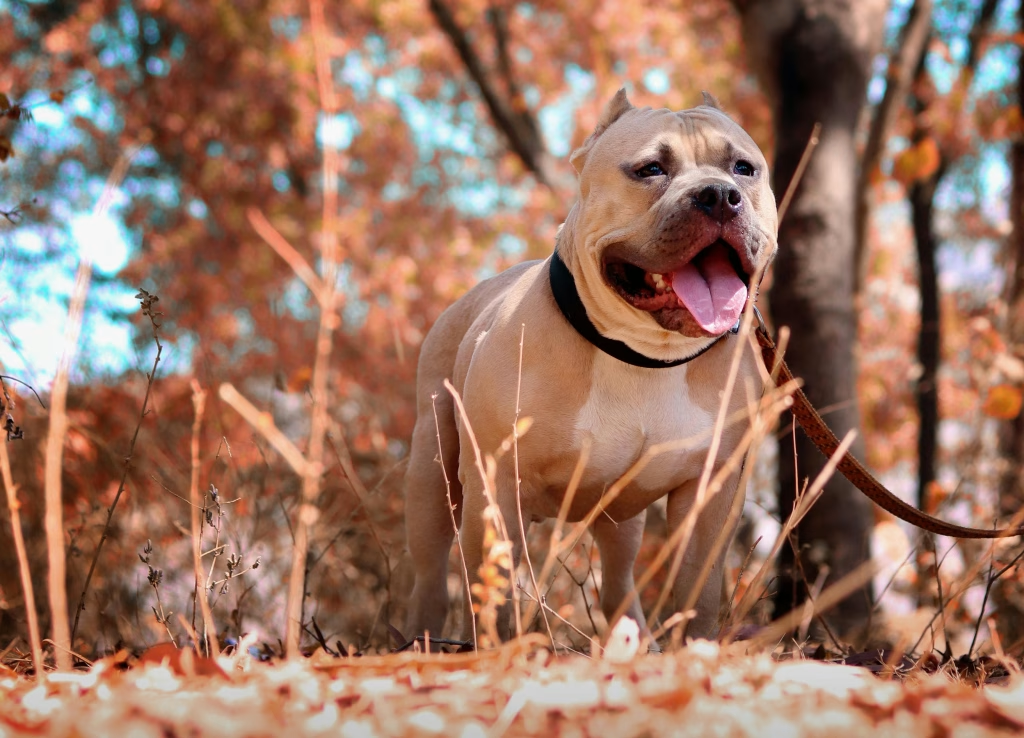
3. Pitbull: Energetic and Playful Nature
If your family enjoys an active lifestyle, a Pitbull could be the perfect fit. Their energy levels make them ideal companions for outdoor activities and playtime.
How Much Exercise Does a Pitbull Need?
- Daily Walks: Aim for 30–60 minutes of walking every day.
- Interactive Play: Engage in games like fetch, tug-of-war, or hide-and-seek.
- Structured Exercise: Activities like running, hiking, or swimming help burn energy while keeping them healthy.
Indoor Play Ideas
For families in colder climates or during bad weather, these activities can help keep your Pitbull engaged:
- Puzzle Toys: Stimulate their mind with treat-dispensing toys.
- Training Drills: Use indoor spaces for short training sessions.
- DIY Obstacle Course: Set up a simple obstacle course using household items.
Fun Fact: Pitbulls are natural athletes and often excel in canine sports like weight pulling and dock diving!
Resource: Learn more about keeping dogs active from The Spruce Pets.
4. Pitbull: Versatile and Adaptable
Whether you live in a cozy apartment or a sprawling house, Pitbulls can adapt to various living conditions. Their ability to thrive in different environments makes them an excellent choice for diverse households.
Apartment-Friendly Dogs
- Compact Size: Despite their muscular build, Pitbulls are medium-sized and fit comfortably in apartments.
- Quiet Nature: They are not prone to excessive barking, making them suitable for shared spaces.
- Calm Indoors: With sufficient exercise, Pitbulls are relaxed and content indoors.
Pitbull Temperament
- Great with Kids: Pitbulls are known for their patience and tolerance around children.
- Social Pets: They enjoy being part of family activities and thrive in busy households.
Transitioning to New Environments
- Keep their bedding, toys, and feeding area consistent.
- Introduce them gradually to new spaces to minimize anxiety.
- Maintain a regular schedule for walks, meals, and playtime.
Resource: For tips on raising dogs in apartments, visit ASPCA’s Pet Care Guides.
5. Pitbull: Healthy and Long-Lived Breed
Pitbulls are generally strong dogs with a lifespan of 12–16 years. Proper care and attention to their health can ensure they live long, happy lives.
Common Health Concerns
- Skin Allergies: Regular grooming and hypoallergenic diets can help.
- Hip Dysplasia: Maintain an ideal weight to reduce strain on their joints.
- Heart Issues: Feed a heart-healthy diet and schedule regular vet checkups.
Pitbull Diet Tips
- High-Quality Dog Food: Look for options that list real meat as the primary ingredient.
- Balanced Nutrition: Ensure their diet includes proteins, healthy fats, and essential vitamins.
- Avoid Harmful Foods: Keep them away from chocolate, grapes, and onions.
Grooming Needs
- Brush their short coat weekly to remove loose fur.
- Bathe them as needed, typically every 4–6 weeks.
- Check their nails, ears, and teeth regularly for hygiene.
Fun Fact: Pitbulls are one of the least prone breeds to shedding, making them relatively low-maintenance in grooming!
Resource: For diet and nutrition tips, explore Dog Food Advisor.

Debunking Myths: Are Pitbulls Dangerous?
The stereotype of Pitbulls being inherently dangerous is unfair and inaccurate. Studies show that behavior depends on upbringing, training, and environment rather than breed.
Why the Misconception?
- History: Used in dogfighting rings, leading to a tarnished reputation.
- Media Bias: Isolated incidents sensationalized by the press.
The Truth About Pitbulls
- They rank highly in temperament tests, often outperforming breeds like Golden Retrievers.
- Aggression in dogs is more about owner behavior and training than genetics.
Resource: For factual information, visit the National Canine Research Council.
A Loving, Loyal Companion
Pitbulls are resilient, loving, and versatile dogs that excel as family pets when given the proper care and training. Their affectionate temperament, intelligence, and adaptability make them exceptional companions for families, individuals, and even those living in apartments.
Pitbulls, when raised responsibly, can be incredibly loving and loyal companions. By dispelling common myths and understanding their unique needs, you can embrace the joy and companionship that a Pitbull can bring to your family.
Remember, a well-socialized and well-trained Pitbull is a happy and well-adjusted dog. By providing them with plenty of exercise, mental stimulation, and positive reinforcement, you can cultivate a strong bond with your furry friend.
So, the next time you encounter a Pitbull, don’t be afraid to give them a chance. You might be surprised by the warmth and affection they have to offer.
No, Pitbulls are not inherently dangerous. Like any breed, their behavior depends on how they are raised and trained.
Yes, Pitbulls can be great with children when raised and trained properly. Early socialization is crucial.
Pitbulls are energetic dogs and require daily exercise, including walks, runs, and playtime.
Positive reinforcement training is the best method for training Pitbulls. Early socialization and obedience training are essential.
While Pitbulls are generally healthy, they can be prone to certain health issues, such as hip dysplasia and heart problems. Regular veterinary check-ups are important.
A high-quality dog food formulated for adult dogs is recommended. Consult with your veterinarian to determine the best diet for your individual dog.
Pitbulls have a short, dense coat that requires minimal grooming. Regular brushing and occasional baths are sufficient.
While Pitbulls can adapt to apartment living, they require regular exercise and mental stimulation. A house with a yard is ideal.
The price of a Pitbull puppy can vary depending on the breeder and the specific bloodline. It’s important to choose a reputable breeder to ensure a healthy and well-adjusted puppy.
Research reputable breeders in your area, ask for references, and visit the breeder’s facility to meet the puppies and their parents.
📊 Interactive Pet Health & Care Calculators
Plan your pet’s healthcare and daily budget with our free interactive tools:
🐾 Related Resources & Interactive Tools in This Guide:
- Interactive Calculator: Puppy Growth & Target Adult Weight Calculator — Estimate your puppy target adult size and milestone weight trajectory.
- Clinical Resource: Pet Brushing Basics: How to Keep Your Pet’s Coat Healthy
- Behavior & Training Guide: Managing Pet Weight Problems: Ideas for a Healthier Weight
- Related Expert Guide: The First Birthday: When Is a Puppy Considered an Adult Dog?
Growth & Immunization Tracking: To predict your puppy’s adult weight based on current breed trajectory, use our interactive Puppy Growth Calculator. For core vaccine timelines and veterinary cost planning, refer to the Puppy Vaccination Schedule Tool.
📚 Related Topic Cluster Guides & Veterinary Tools
Explore our complete Pet Lifestyle & Living Hub for comprehensive guides, veterinary diagnostic checklists, and daily care protocols.
- Are Alsatian Dogs Good With Kids? 7 Reasons They’re Perfect for Your Family
- Why Is My Dog Staring at Me So Intently? Behavior Guide
- Why Has My Dog Stopped Playing With Toys: 2026 Guide
- The Best Family Dog Breeds: First-Time Owner and Financial Reality Guide 2026
- Interactive Tool: Pet Age to Human Years Conversion Calculator




1 Comment
The interactive puppy growth chart was extremely helpful. Watching my Golden Retriever pup’s milestones unfold on paper made me more mindful of each developmental stage.