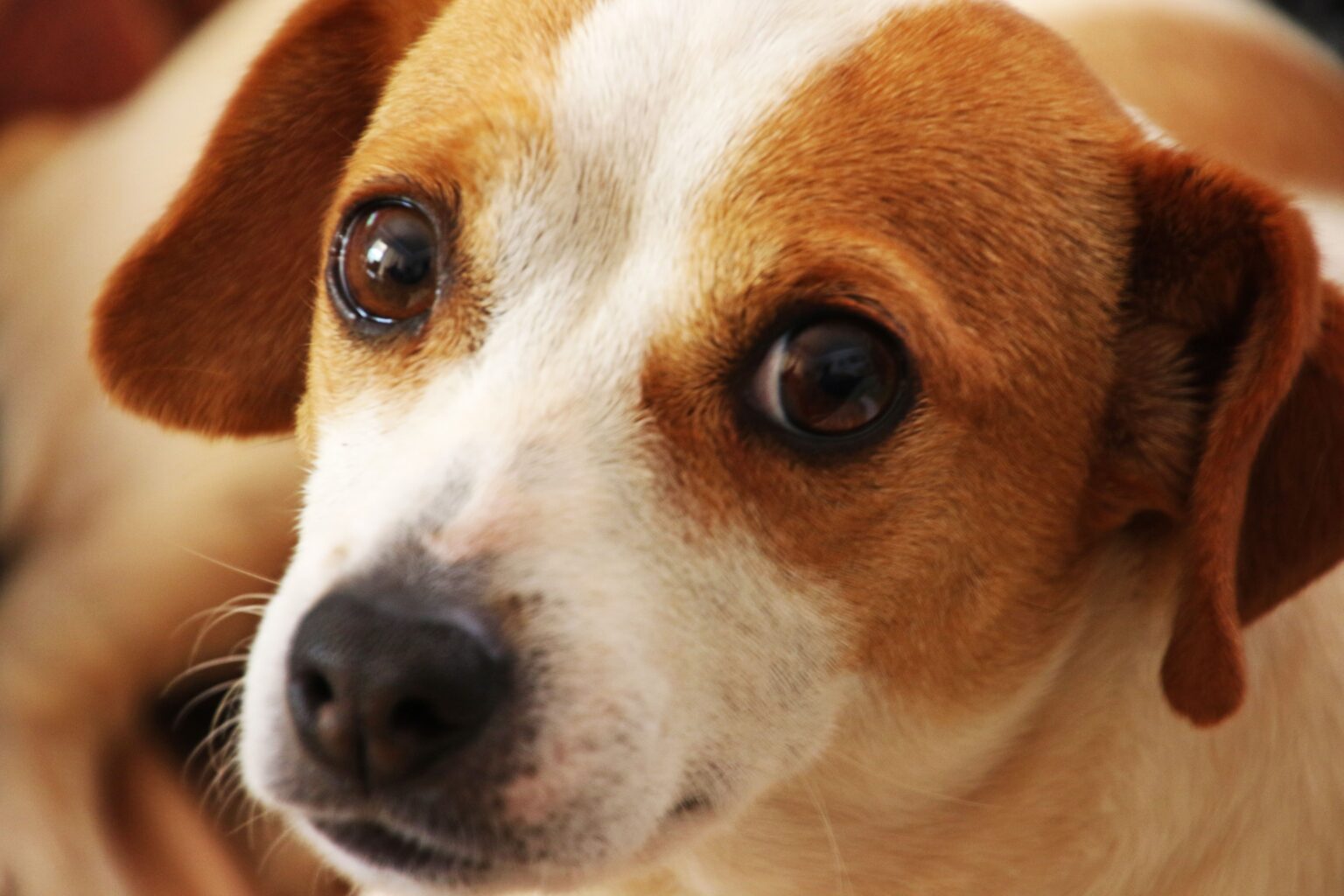
💡 Quick Veterinary Answer: Dogs stare at you to communicate urgent needs (meals, outdoor potty breaks), express affection through mutual oxytocin release, or read your subtle facial expressions. If the stare is paired with stiff body posture, unblinking eyes, or guarding food/toys, it is a “hard stare” signaling stress, boundary testing, or discomfort rather than affection.
⚕️ Veterinary Data & Research Notice: The information and calculator data provided in this article are aggregated from peer-reviewed veterinary literature, including the Merck Veterinary Manual and AVMA guidelines. This content is for educational and informational purposes only and is not a substitute for professional veterinary advice, diagnosis, or treatment. Always consult with a licensed veterinarian before administering any medication or altering your pet’s health regimen.
Why is my dog staring at me so intently is a question almost every dog owner eventually asks, and the honest answer depends entirely on context, body language, and timing. According to PetMD’s behavioral breakdown, dogs stare for many reasons, from soliciting attention and food to expressing deep affection, and learning to read the accompanying signals is the key to understanding what your dog actually wants.
Answering why is my dog staring at me so intently requires looking beyond the eyes alone to the entire package of body language surrounding that gaze. This guide uses a Canine Stare Diagnostic Framework to break down the three major stare types, their physical markers, the underlying canine intent behind each, and exactly how you should respond in the moment.
Table of contents
- Why Is My Dog Staring at Me So Intently: The Canine Stare Diagnostic Framework
- Affectionate Staring & Mutual Oxytocin Release
- Staring While Lying Down: Safety & Vigilance
- Staring Combined With Whining: Communicating Needs
- Begging and Fixation During Mealtime
- Anticipatory Staring & Routine Cue Recognition
- Hard Stares as Warning Signals: Identifying Stress & Guarding
- Distinguishing Between the Three Stare Types in Real Time
- Frequently Asked Questions
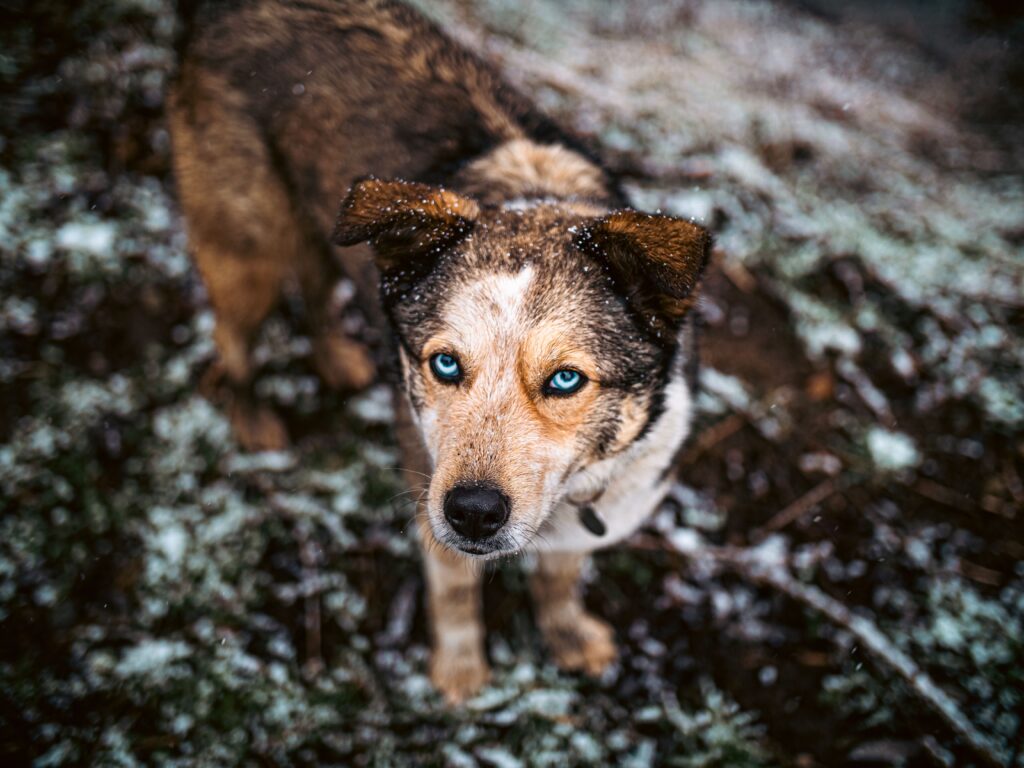
Why Is My Dog Staring at Me So Intently: The Canine Stare Diagnostic Framework
Canine Stare Diagnostic Summary
Dogs stare at you to communicate needs like meals or potty breaks, express affection through mutual oxytocin release, or read your subtle facial expressions. If the stare is paired with a stiff posture, unblinking eyes, or guarding a toy, it signals tension or stress rather than affection.
| Observed Behavioral Cue | Primary Underlying Motivation | Accompanying Physical Signal | Recommended Owner Response |
|---|---|---|---|
| Direct Focused Staring | Affection, communication, or resource request | Soft eye gaze with relaxed facial muscles | Acknowledge calmly with gentle praise or routine cue |
| Shadowing / Following Closely | Attachment, territorial routine, or insecurity | Upright tail position with forward-facing ears | Maintain calm consistency; reward independent settling |
| Sudden Agitation / Avoidance | Overstimulation, pain, or environmental stress | Flattened ears, stiff posture, or tail flicking | Give immediate space; remove provoking triggers |
| Repetitive Frustration Behaviors | Boredom, lack of exercise, or barrier frustration | Pacing, whining, or destructive scratching | Introduce puzzle feeders and daily structured exercise |
Before addressing specific scenarios, it helps to understand the three broad categories that answer why is my dog staring at me so intently in almost every situation you’ll encounter. The Association of Veterinary Behaviorists confirms that owners can often detect the difference between a “hard stare,” the face they might see before aggression occurs, and a “soft gaze,” seen during training, play, or snuggling.
Growth & Immunization Tracking: To predict your puppy’s adult weight based on current breed trajectory, use our interactive Puppy Growth Calculator. For core vaccine timelines and veterinary cost planning, refer to the Puppy Vaccination Schedule Tool.
| The Stare Type | Facial & Body Markers | Underlying Canine Intent | Recommended Owner Action |
|---|---|---|---|
| Soft Affectionate Stare | Soft blinking, relaxed ears, loose posture | Releasing oxytocin; seeking bonding or comfort | Reciprocate with calm praise or gentle petting |
| Anticipatory / Demand Stare | Wide unblinking eyes, leaning forward, subtle tail wag | Expecting a routine event (walk, treat, dinner) | Redirect behavior using a sit or place command before rewarding |
| Hard / Threat Stare | Rigid body posture, unblinking glare, closed mouth, stiff ears | Defending resources; signaling a boundary warning | Freeze movement, break direct eye contact, and give the dog physical space |
VCA Hospitals’ guide to canine communication confirms that the opposite of a direct stare, looking away, communicates safety and non-threat, while a direct stare with wide-open eyes is one of the most subtle but significant signs of rising tension in dog body language.
Affectionate Staring & Mutual Oxytocin Release
Is Dog Staring a Sign of Affection
One of the most common answers to why is my dog staring at me so intently is simple love, and is dog staring a sign of affection is confirmed repeatedly by veterinary behaviorists. A groundbreaking study covered by Medical Daily found that when dogs and owners exchange gazes, both species experience a rush of oxytocin, the same “love hormone” involved in human parent-child bonding, particularly when the gaze is held for five minutes or longer.
This soft affectionate stare typically comes paired with relaxed body language: soft blinking, loose posture, and gently relaxed ears rather than a rigid, fixed expression. PawChamp’s detailed guide confirms that mutual gaze between dogs and owners triggers this same oxytocin release, reinforcing why is my dog staring at me so intently often comes down to nothing more complicated than genuine attachment.
Soft Gazes During Restful Moments
Is dog staring a sign of affection even during completely mundane, quiet moments, like when you’re simply sitting on the couch? According to PetMD, if your staring dog just cannot keep their eyes off you, this may indicate affection and show how important you are to them, since dogs with strong bonds genuinely want eyes on their favorite person at all times, even during low-stimulation moments when nothing exciting is happening.
The recommended owner action for this soft affectionate stare is straightforward: reciprocate with calm praise or gentle petting. This reinforces the positive bonding cycle without escalating your dog into an overly excited or demanding state, keeping the interaction calm and mutually rewarding.
Staring While Lying Down: Safety & Vigilance
Why Does My Dog Stare at Me While Lying Down
A frequently asked variation of why is my dog staring at me so intently involves the specific scenario of why does my dog stare at me while lying down, often during quiet evening moments like watching television. Dial-a-Vet’s veterinary response confirms this is generally normal behavior that can indicate they are seeking attention, are curious about your actions, or simply feel comfortable and safe in your presence.
PawChamp adds important nuance to why does my dog stare at me while lying down, noting that a dog staring at you from across the room while sprawled out is almost always benign, essentially keeping comfortable tabs on you and monitoring your movements without expending unnecessary energy to get up and follow you physically.
Pre-Sleep Gazing and Pack Reassurance
Dial-a-Vet’s guide specifically highlights that staring before sleep is a particularly meaningful variant of why does my dog stare at me while lying down, since this behavior is a form of bonding that shows your dog feels secure and attached to you. It can also function as a way of seeking comfort, essentially using your presence as a calming anchor before drifting off for the night.
However, the same source cautions that excessive staring while lying down might occasionally indicate underlying issues like anxiety or confusion, particularly if the behavior is new, intensifying, or accompanied by other signs of distress such as pacing, panting, or restlessness rather than a relaxed, settled posture.
Staring Combined With Whining: Communicating Needs
Why Does My Dog Stare at Me and Whine
When staring is accompanied by vocalization, the question shifts to why does my dog stare at me and whine, which introduces several additional possible explanations beyond simple affection. PetsCare’s behavioral breakdown lists five common reasons: seeking attention, signaling hunger or thirst, indicating discomfort or pain, expressing anxiety or stress, and communicating a specific desire like going outside or wanting a toy that’s out of reach.
Determining exactly why does my dog stare at me and whine requires observing the surrounding context carefully. If the whining occurs near mealtime or an empty water bowl, hunger or thirst is the likely driver. If it happens alongside limping or changes in posture, PetsCare warns this combination could signal genuine physical discomfort or pain that warrants veterinary attention rather than simple behavioral dismissal.
Recognizing Anxiety and Environmental Confusion
Another layer to why does my dog stare at me and whine involves anxiety, stress, or genuine confusion about a command or situation. Dial-a-Vet’s separate response on this exact combination confirms that staring and whining together could indicate discomfort or pain, or the dog might simply be seeking attention and interaction, making it essential to rule out physical causes before assuming a purely behavioral explanation.
The ASPCA’s guide on canine whining adds that some dogs whine excessively when interacting with people, usually while adopting a submissive posture such as a tucked tail, lowered body, and averted gaze, which is a distinctly different presentation from the direct, sustained eye contact seen in confident anticipatory staring.
Begging and Fixation During Mealtime
Why Does My Dog Stare at Me While I Eat
Perhaps the most universally relatable version of why is my dog staring at me so intently occurs during mealtimes, and why does my dog stare at me while I eat has a fairly predictable behavioral explanation rooted in learned association. Business Insider’s expert-sourced guide confirms that dogs may focus their attention on their owner when they are seeking attention or food, and this staring behavior often intensifies specifically around food-related activities since dogs quickly learn that persistent staring sometimes results in a dropped scrap or shared bite.
This mealtime version of why does my dog stare at me while I eat typically falls squarely into the anticipatory or demand stare category from the diagnostic framework. The physical markers usually include wide, unblinking eyes, a forward-leaning posture, and sometimes a subtle, hopeful tail wag, all signaling that your dog expects a routine and highly rewarding event, namely, food falling their way.
How to Discourage Unwanted Staring During Meals
The recommended response to why does my dog stare at me while I eat is to redirect the behavior using a sit or place command before offering any reward, rather than reinforcing the stare-and-receive pattern directly. This teaches your dog that calm, non-staring behavior, or a specific alternative command, is what actually earns rewards, gradually reducing the intensity and persistence of mealtime staring over time.
Consistency matters significantly here. If some family members occasionally reward the stare with scraps while others ignore it, your dog receives mixed signals that make the behavior harder to extinguish, since intermittent reinforcement is actually one of the most powerful ways to strengthen a behavior long-term.
Anticipatory Staring & Routine Cue Recognition
Anticipatory Staring Before Walks and Treats
Beyond mealtimes, why is my dog staring at me so intently often connects to broader anticipatory behavior tied to daily routines like walks, treats, or playtime. PetMD explains that dogs have learned that making eye contact will get their pet parent’s attention, and at certain times of day or in certain circumstances, they specifically use staring to convey particular expectations tied to routine events.
This anticipatory stare shares physical markers with the demand stare seen at mealtimes: wide, alert eyes, a forward lean, and often a subtly wagging tail that signals excitement rather than tension. The underlying canine intent remains consistent across these scenarios, your dog is expecting a specific, predictable, and rewarding event based on learned patterns in your daily schedule.
Curiosity and Reading Human Body Language
A related but distinct explanation for why is my dog staring at me so intently involves genuine curiosity about your actions and emotional state. PetMD notes dogs may examine what you’re doing simply out of curiosity or to see if you’re about to offer a snack or a walk, while Business Insider adds that dogs also stare in an effort to read and understand their owner’s body language, using your visual cues as a reliable indicator of your current emotional state and likely next actions.
Hard Stares as Warning Signals: Identifying Stress & Guarding
How to Tell if Dog Staring Is Aggressive
The most critical variation of why is my dog staring at me so intently to recognize is the hard or threat stare, and learning how to tell if dog staring is aggressive can genuinely prevent injury. VCA Hospitals confirms that the most subtle sign of rising aggression is a direct stare with eyes wide open, and this signal often precedes more overt aggressive displays if not addressed.
According to Business Insider’s expert interviews, how to tell if dog staring is aggressive comes down to watching for a cluster of accompanying signals rather than the stare alone: a lowered head, stiff body posture, lifted lips, ears raised forward, and a barely moving or stagnant tail. If a dog is guarding a valuable resource like a bone, they may stare without blinking at all, appearing to be on the verge of attacking or lunging toward the perceived threat.
How to Tell if Dog Staring Is Aggressive in Multi-Dog Households
Understanding how to tell if dog staring is aggressive becomes especially important in households with multiple dogs. Duty Danes’ guide to canine body language explains that hard stares, sometimes called “dirty looks,” combined with stiff postures represent canine challenges and passive threats indicating rising tension in a social relationship. If a staring dog approaches another dog with a stiff, ritualized posture and the second dog fails to offer deferential behavior like looking away, the situation can escalate quickly into a dangerous confrontation.
A reference guide from Illinois State University reinforces this warning directly, noting that dogs rarely look directly into each other’s eyes because it’s considered inherently threatening, and a direct stare paired with a tense facial expression, wrinkled muzzle, or retracted lips displaying teeth is much more likely to represent a genuine threat than casual curiosity.
The Correct Owner Response to a Hard Stare
When you correctly identify how to tell if dog staring is aggressive, the appropriate response differs dramatically from how you’d react to affectionate or anticipatory staring. The diagnostic framework recommends freezing your movement immediately, deliberately breaking direct eye contact, and giving the dog physical space rather than attempting to soothe, correct, or physically approach them.
VCA Hospitals confirms this approach aligns with natural canine communication patterns, since looking away is precisely what dogs themselves do when they don’t want to appear threatening. By mimicking this submissive, non-confrontational signal, you communicate that you are not challenging the dog’s boundary, which often de-escalates the situation without requiring any further intervention.
Distinguishing Between the Three Stare Types in Real Time
Since why is my dog staring at me so intently can stem from three very different underlying causes, practicing rapid identification in the moment is a valuable skill for every dog owner. The key differentiators center on blink rate, muscle tension, and surrounding context.
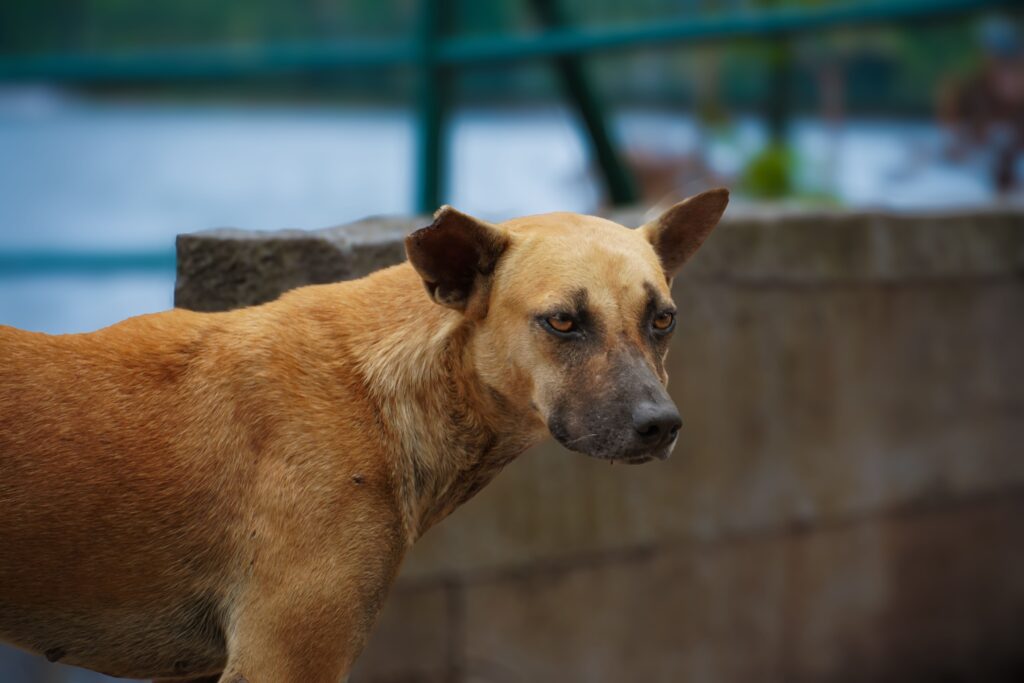
A soft affectionate stare features relaxed blinking, a loose, comfortable posture, and typically occurs during calm, low-stakes moments like resting together or quiet bonding time. An anticipatory or demand stare involves wide, alert eyes with a forward lean and often a wagging tail, and it reliably occurs in predictable contexts tied to food, walks, or play. A hard threat stare is characterized by an unblinking, rigid glare, a closed mouth, and stiff ears, and it typically emerges in contexts involving resource guarding, unfamiliar situations, or perceived threats.
AVSAB’s veterinary behaviorist analysis reinforces that because the tail is only one piece of a dog’s communication system, owners must consider facial expressions and overall body positioning together to accurately determine intent, rather than relying on the eyes or any single signal in isolation.
Frequently Asked Questions
An unblinking stare can indicate two very different things depending on context. In a relaxed dog engaged in training or anticipating a reward, it typically signals intense focus. In a tense or anxious dog, particularly one guarding a resource, an unblinking stare can signal stress or serve as a direct precursor to guarding behavior, making surrounding body language essential for correct interpretation.
Nighttime staring combined with whining often points toward a need for reassurance, discomfort from stiffness or joint pain that worsens after lying still, or simple anxiety related to darkness or unfamiliar nighttime sounds, and ruling out physical causes with a veterinarian is recommended if the behavior is new or worsening.
Generally yes, though owners of senior dogs should also watch for excessive staring that might indicate cognitive decline or vision loss rather than purely affectionate bonding, since aging dogs sometimes rely more heavily on visual monitoring of their owner as other senses diminish.
If demand staring persists despite consistent redirection, ensure every household member is enforcing the same rules around food sharing, since inconsistent reinforcement from even one family member can maintain the behavior indefinitely regardless of how consistently everyone else responds.
🐾 Related Resources & Interactive Tools in This Guide:
- Interactive Calculator: Pet Age in Human Years Calculator — Convert your pet chronological age to accurate biological human years.
- Clinical Resource: Why Has My Dog Stopped Playing With Toys: 2026 Guide
- Behavior & Training Guide: Why Is My Cat Aggressive Towards My Child? The Absence Guide
- Related Expert Guide: When Is It Safe to Separate Puppies From Their Mother Safely?
📚 Related Topic Cluster Guides & Veterinary Tools
Explore our complete Pet Lifestyle & Living Hub for comprehensive guides, veterinary diagnostic checklists, and daily care protocols.