Selecting the right dog breed requires evaluating daily exercise stamina, coat shedding, biddability, and living space adaptability alongside verified clinical health risks. Use our interactive Dog Breed Comparison Tool below to compare any two to three breeds side by side with zero guesswork.
Dog Breed Comparison Tool: Compare Any 2 to 3 Breeds Side by Side
Select up to three breeds to analyze energy, coat shedding, trainability, family compatibility, size ranges, and veterinary health profiles with zero guesswork.
Behavioral Genetics Note: Peer-reviewed research published in Science (Morrill et al., 2022) analyzing over 18,000 dogs confirmed that breed identity explains only approximately 9% of behavioral variance in individual dogs. While inherited working drives (e.g. herding heel-nipping, pointing, retrieving) are real, traits such as human sociability, threshold for aggression, and individual stability are shaped primarily by early socialization, training, and household environment.
The Hypoallergenic Myth: Clinical allergy literature (Nicholas et al., 2011; Vredegoor et al., 2012) demonstrates that all domestic dogs produce Can f 1 protein allergens in their saliva, dander, and urine. Single-coated non-shedding breeds (like Poodles and Bichons) shed significantly less loose hair into the air, but no dog is medically 100% allergy-safe.
Frequently Asked Questions
How accurate are dog breed trait ratings?
Breed trait ratings represent standard population baselines defined by breed parent clubs and official kennel registries. While they offer a reliable guide for physical size, exercise drive, and coat maintenance, an individual dog's temperament is influenced heavily by training, socialization, and lineage.
Is any dog breed truly 100% hypoallergenic?
No dog breed is completely allergen-free. Dog allergies are triggered by dander proteins (specifically Can f 1 and Can f 2) and saliva, not fur. Non-shedding breeds with hair coats trap loose dander, which reduces airborne spread, making them better tolerated by mild allergy sufferers.
What should families with young children prioritize?
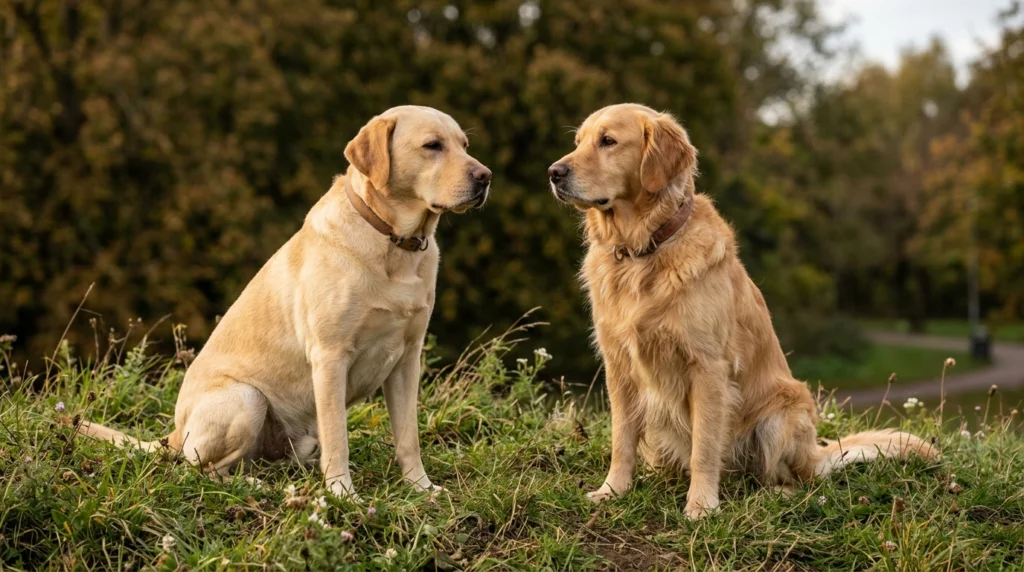
Families should look for high tolerance for touch, low bite reactivity, and manageable physical excitement. Breeds like Golden Retrievers and Labradors are naturally social, but energetic young dogs require continuous supervision to prevent accidental knocks or mouthy play.
Why does lifespan vary so dramatically between breeds?
Canine longevity correlates inversely with adult body size. Giant breeds (like Great Danes and Bernese Mountain Dogs) experience accelerated cellular aging and higher rates of orthopedic and cardiac conditions, averaging 7 to 10 years, whereas small breeds routinely live 12 to 16 years.
Explore Companion Pet Care & Nutrition Tools
Calculate personalized physical, medical, and nutritional requirements for your chosen breed:
How to Compare Dog Breeds for Adoption and Family Fit
When prospective pet parents research dog breeds, they frequently encounter idealized descriptions that gloss over daily management challenges. A high-energy working breed like a Belgian Malinois or Australian Shepherd requires substantial physical exertion (often 90 to 120 minutes daily) paired with cognitive puzzles to prevent destructive displacement behaviors. Conversely, companion and toy breeds like the Boston Terrier, Cavalier King Charles Spaniel, or French Bulldog thrive on moderate neighborhood strolls and indoor companionship.
To make an informed choice, prospective owners must evaluate five core lifestyle criteria before selecting a breed:
- Daily Exercise Budget: High-drive sporting and herding breeds require active cardiovascular exertion, while low-drive companion breeds are satisfied with casual sensory sniff-walks.
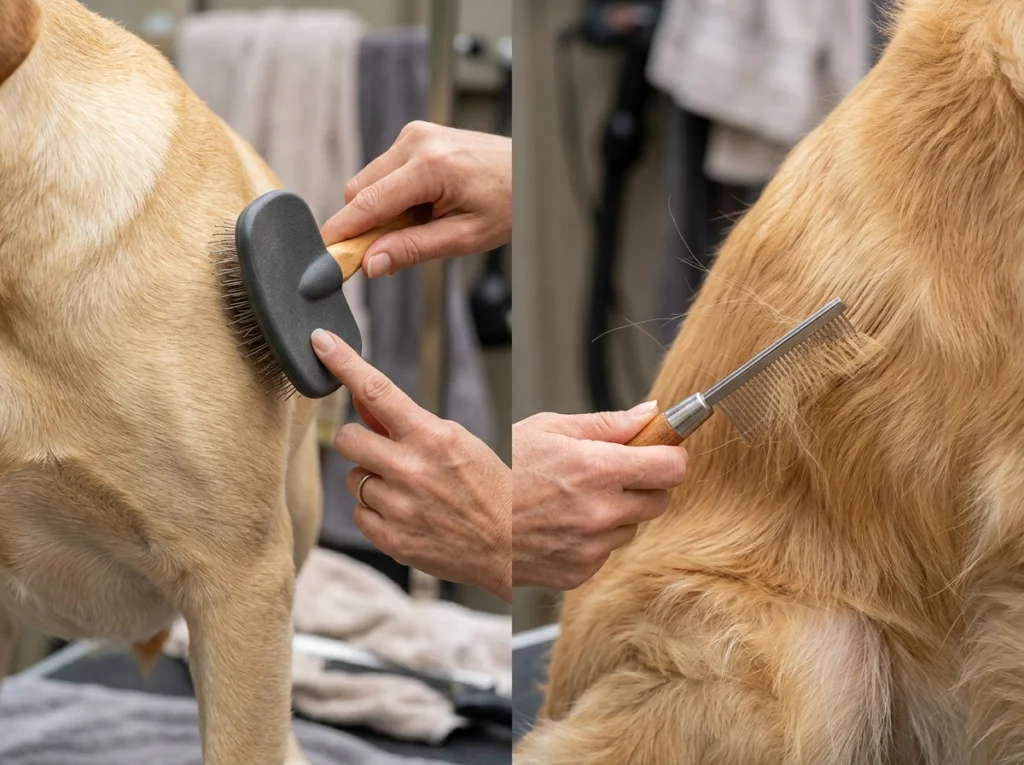
- Coat Maintenance & Seasonal Shedding: Double-coated breeds (e.g., German Shepherds, Siberian Huskies, Golden Retrievers) blow their undercoats twice annually and require weekly de-shedding, whereas wire-haired and curly single coats demand professional trimming every 4 to 6 weeks.
- Biddability vs. Independent Problem Solving: Breeds developed for close handler cooperation (Retrievers, Poodles) learn standard obedience quickly, whereas hounds and livestock guardian breeds are genetically hardwired for independent decision-making.
- Living Space & Barking Tendencies: Apartment living demands low vocalization triggers and calm indoor demeanor rather than simply small physical size.
- Lifespan & Hereditary Health Predispositions: Understanding breed-specific risks—such as gastric dilatation-volvulus (GDV) in deep-chested breeds, hip dysplasia in large dogs, and brachycephalic obstructive airway syndrome (BOAS) in flat-faced dogs—allows owners to budget for preventive veterinary care.
Veterinary Science: Breed Standards vs. Individual Dogs
A landmark genomic investigation published in Science (Morrill et al., 2022) analyzing more than 18,000 companion dogs demonstrated that breed identity accounts for only approximately 9% of behavioral variation in individual dogs. While specific ancestral motor patterns—such as pointing in bird dogs, retrieving in gundogs, and heel-driving in herders—exhibit measurable genetic heritability, general behavioral traits like human sociability, threshold for fear, and household stability depend overwhelmingly on puppy socialization, positive-reinforcement training, and early environment.
Official breed baselines published by registries such as the American Kennel Club (AKC) Breed Standards provide valuable conformational benchmarks for physical size, adult weight, and coat morphology. However, veterinary behaviorists emphasize that each dog must be evaluated as an individual rather than assuming guaranteed temperament based on pedigree alone.
The Truth About Hypoallergenic Dog Breeds
Clinical allergy literature (Vredegoor et al., 2012; Nicholas et al., 2011) confirms that no domestic dog breed is 100% hypoallergenic. The primary canine allergen is Can f 1, a lipocalin protein produced in canine salivary glands, sebaceous glands, and perianal secretions, along with albumin (Can f 3) and prostatic kallikrein (Can f 5).
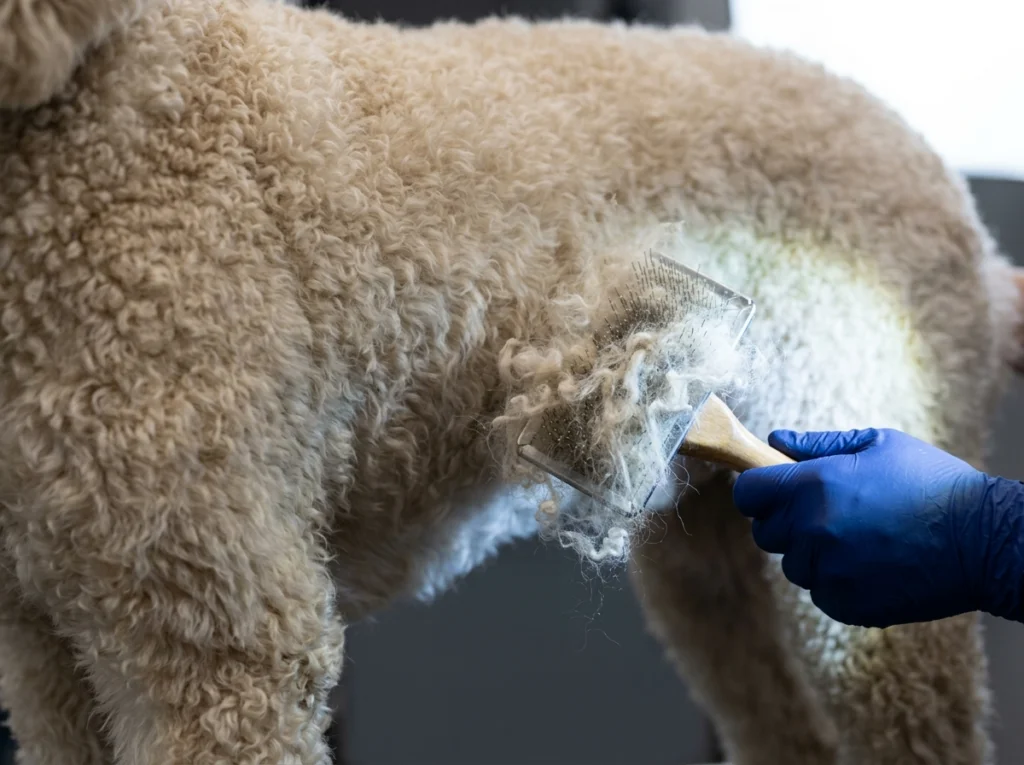
Single-coated non-shedding breeds—such as Standard and Miniature Poodles, Bichon Frises, Portuguese Water Dogs, and Soft Coated Wheaten Terriers—have continuously growing hair coats rather than a shedding double coat. Because their fine curly or wavy hairs trap shed dander against the skin rather than releasing clouds of hair into home air currents, allergic individuals often experience fewer respiratory symptoms around them. However, individuals with severe canine allergies who touch the dog or encounter salivary proteins can still trigger significant allergic rhinitis or asthma reactions.
Physical Dimensions and Longevity Correlation
Canine lifespan correlates inversely with adult body mass. Large population studies conducted by the Dog Aging Project and life-stage veterinary protocols from the American Animal Hospital Association (AAHA) document that giant breeds undergo accelerated cellular aging, telomere shortening, and elevated oxidative stress compared to small toy dogs.
| Breed Size Category | Adult Weight Bracket | Median Lifespan | Daily Exercise Target | Primary Clinical Vulnerabilities |
|---|---|---|---|---|
| Toy & Small Breeds (Chihuahua, Dachshund, Yorkie) |
Under 20 lbs (1–9 kg) | 12 – 16 Years | 30 – 45 Minutes | Mitral valve disease, patellar luxation, tracheal collapse |
| Medium Breeds (Beagle, Border Collie, Spaniel) |
21 – 50 lbs (10–23 kg) | 11 – 14 Years | 60 – 90 Minutes | Hip dysplasia, cruciate ligament disease, idiopathic epilepsy |
| Large Breeds (Labrador, German Shepherd, Boxer) |
51 – 90 lbs (24–41 kg) | 9 – 12 Years | 60 – 100 Minutes | Elbow/hip dysplasia, gastric dilatation-volvulus (bloat), hemangiosarcoma |
| Giant Breeds (Great Dane, Mastiff, St. Bernard) |
91+ lbs (42+ kg) | 7 – 9 Years | 45 – 60 Minutes (Controlled) | Dilated cardiomyopathy (DCM), osteosarcoma, severe degenerative joint disease |
Frequently Asked Questions About Choosing and Comparing Dog Breeds
How accurate are dog breed trait ratings?
Breed trait ratings represent standard population baselines defined by breed parent clubs and official kennel registries. While they offer a reliable guide for physical size, exercise drive, and coat maintenance, an individual dog’s temperament is influenced heavily by training, socialization, and lineage.
Is any dog breed truly 100% hypoallergenic?
No dog breed is completely allergen-free. Dog allergies are triggered by dander proteins (specifically Can f 1 and Can f 2) and saliva, not fur. Non-shedding breeds with hair coats trap loose dander, which reduces airborne spread, making them better tolerated by mild allergy sufferers.
What should families with young children prioritize?
Families should look for high tolerance for touch, low bite reactivity, and manageable physical excitement. Breeds like Golden Retrievers and Labradors are naturally social, but energetic young dogs require continuous supervision to prevent accidental knocks or mouthy play.
Why does lifespan vary so dramatically between breeds?
Canine longevity correlates inversely with adult body size. Giant breeds (like Great Danes and Bernese Mountain Dogs) experience accelerated cellular aging and higher rates of orthopedic and cardiac conditions, averaging 7 to 10 years, whereas small breeds routinely live 12 to 16 years.
🐾 Explore Companion Pet Care & Longevity Tools
📊 AKC Dog Breed Group Comparison & Trait Matrix
Key behavioural, physical, and care requirement benchmarks across major dog breed classifications:
| Breed Group | Typical Weight Range | Energy & Exercise Need | Shedding Intensity | Trainability & Working Drive |
|---|---|---|---|---|
| Sporting (e.g. Golden Retriever, Lab) | 50 – 80 lbs | High (60–90 min/day) | Moderate to Heavy | Eager to please, highly biddable |
| Working (e.g. Boxer, Rottweiler) | 65 – 130 lbs | Moderate to High | Low to Moderate | Strong protective instinct, needs firm leadership |
| Herding (e.g. German Shepherd, Collie) | 35 – 85 lbs | Very High (90+ min/day) | Heavy (Seasonal blowout) | Exceptional intelligence, requires mental jobs |
| Toy (e.g. Pomeranian, Chihuahua) | 4 – 12 lbs | Low to Moderate | Low to Moderate | Companion-focused, sensitive handling required |
| Hound (e.g. Beagle, Dachshund) | 16 – 75 lbs | Moderate | Low to Moderate | Scent-driven, independent problem solvers |
| Non-Sporting (e.g. French Bulldog, Poodle) | 15 – 70 lbs | Low to High | Low (Poodle) to Moderate | Highly diverse traits, adaptable household pets |