A Holland Lop with floppy ears. A Mini Rex with a coat that feels like velvet. A fluffy Lionhead that looks as though it has wandered out of a storybook. Or a Flemish Giant stretching across the living-room rug.
It’s easy to fall for a rabbit’s appearance. Choosing one you can live with happily for years takes more thought.
The best rabbit breeds for indoor pets include the Holland Lop, Mini Rex, Lionhead and Dutch rabbit, while Flemish Giants can suit homes with generous space. But the right match depends more on the individual rabbit’s temperament, health, grooming needs and living environment than its breed name alone.
Small rabbits still need substantial exercise space. Short-haired rabbits still shed. And even a naturally sociable rabbit may dislike being picked up.
This guide compares popular house-rabbit breeds, explains their different care requirements and helps you decide whether a particular rabbit would suit your household.
Table of contents
- Best Indoor Rabbit Breeds at a Glance
- What Makes a Rabbit Suitable for Indoor Living?
- 1. Holland Lop: A Compact Rabbit With a Distinctive Appearance
- 2. Mini Rex: A Small Rabbit With a Velvety Coat
- 3. Flemish Giant: A Large Rabbit for a Spacious Home
- 4. Lionhead: A Small Rabbit With Bigger Grooming Responsibilities
- 5. Netherland Dwarf: Very Small, but Not Necessarily Easy
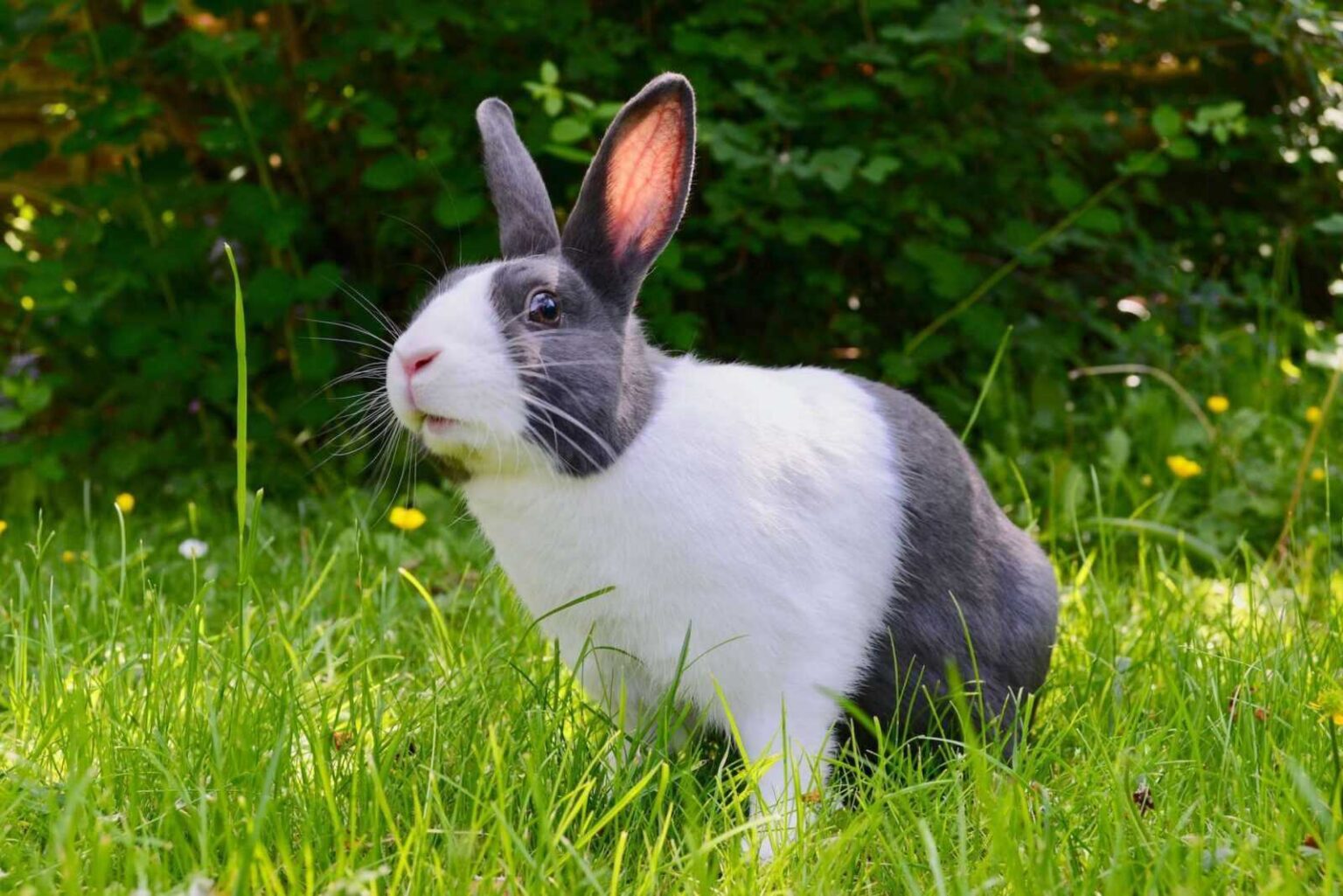
- 6. Dutch Rabbit: A Familiar Small-to-Medium House Rabbit
- 7. Adult Mixed-Breed Rescue Rabbits: Often an Excellent Starting Point
- Which Rabbit Breed Is the Most Affectionate?
- Best Rabbit Breeds for Beginners and Families
- Smallest Pet Rabbit Breeds That Stay Small
- Low-Shedding Rabbit Breeds for Allergies
- Are Flemish Giant Rabbits Good House Pets?
- How to Set Up Your Home for Indoor Rabbits
- How Much Grooming Does Each Breed Need?
- A Five-Question Rabbit Breed Matching Checklist
- Common Mistakes When Choosing an Indoor Rabbit
- Frequently Asked Questions
- Final Thoughts: Choose the Rabbit, Not Just the Breed
Best Indoor Rabbit Breeds at a Glance
The breed weights below are approximate adult guides, not guarantees for individual animals. Crossbreeds may fall outside these ranges.
| Rabbit breed | Approximate adult weight | Coat and grooming | Potential household match | Important consideration |
|---|---|---|---|---|
| Holland Lop | Up to around 1.8 kg (4 lb) under the US breed standard | Short coat; regular brushing | Owners interested in a compact lop-eared rabbit | Lop ears can increase ear-health concerns |
| Mini Rex | Around 1.6–2 kg (3.5–4.5 lb) | Short, plush Rex coat | Owners who prefer a short-haired rabbit | Greater susceptibility to sore hocks |
| Lionhead | Up to around 1.7 kg (3.75 lb) under the US standard | Distinctive mane; variable grooming demands | Owners comfortable with regular coat care | Matting around the mane and hindquarters |
| Flemish Giant | Often around 6.8 kg (15 lb) or more | Short coat; regular grooming | Homes with extensive rabbit-safe floor space | Higher space demands, transport and foot-care considerations |
| Netherland Dwarf | Up to around 1.1 kg (2.5 lb) under the US standard | Usually short coat | Owners who appreciate very small rabbits | Small size does not guarantee easy handling |
| Dutch | Up to around 2.5 kg (5.5 lb) under the US standard | Usually short coat | Households considering a small-to-medium rabbit | Temperament varies individually |
| Adult mixed-breed rescue rabbit | Varies | Depends on coat | Many first-time owners seeking a known personality | Actual health and care needs must be assessed |
These are comparison categories, not rankings of intelligence, affection or ease of care.
Before choosing any of them, it’s worth understanding what indoor rabbits actually need.
What Makes a Rabbit Suitable for Indoor Living?
A suitable house rabbit needs much more than the ability to fit inside a cage.
Consider these five factors before looking at breeds.
The very first meeting between your new rabbit and your existing pets sets the tone for every interaction that follows so getting it right truly matters. Learn how to introduce a new rabbit to your existing pets with patience and confidence using these calm, proven strategies that keep every animal safe, respected, and on the path to building the kind of gentle, trusting bond that makes a multispecies household an absolute joy to live in.
1. Individual Temperament
Some rabbits are confident and curious. Others are cautious, independent or slow to trust unfamiliar people.
Breed descriptions may suggest general traits, but they are no substitute for observing the actual animal.
The House Rabbit Society’s family advice recommends paying attention to temperament, personality, energy level and how well the rabbit’s needs fit household expectations.
2. Enough Living Space
An indoor rabbit should have room to run, turn, stretch, stand upright, hide and explore.
The PDSA recommends a minimum of 3 m × 2 m × 1 m for a compatible pair, with more space preferable.
That space should be accessible throughout the day, not just for occasional supervised exercise.
A small bedroom cage is not adequate permanent accommodation, even for a dwarf rabbit.
Your rabbit deserves so much more than a basic store-bought cage they deserve a thoughtfully built habitat that genuinely supports their need to explore, rest, and feel completely at home. Follow this complete DIY rabbit cage guide and create a safe, spacious, and wonderfully comfortable habitat your bunny will happily call their own from the very first hop inside.
3. Companionship
Rabbits are social animals.
Most benefit from living with an appropriately matched rabbit companion rather than being kept alone.
The PDSA’s rabbit companionship guidance explains why suitable bonding and neutering matter.
Human affection does not automatically replace the company of another compatible rabbit.
4. Grooming and Health
A Lionhead’s mane may need frequent attention. A Mini Rex’s feet require careful monitoring. A lop-eared rabbit may need particular vigilance for ear problems.
These are not reasons to dismiss an otherwise suitable rabbit, but they should affect your decision.
5. Daily Care and Long-Term Commitment
All rabbits need appropriate food, clean water, hygiene, enrichment and health checks.
They also need knowledgeable veterinary care, holiday arrangements and owners who can respond promptly if they stop eating or show signs of illness.
The most suitable rabbit is one whose needs you can meet consistently.
1. Holland Lop: A Compact Rabbit With a Distinctive Appearance
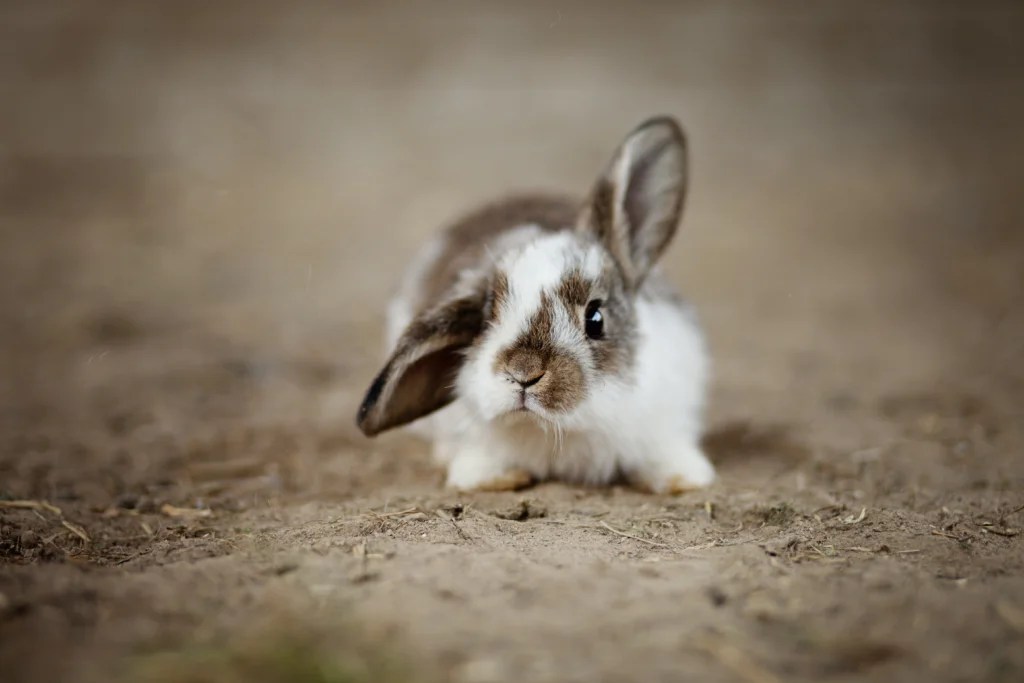
Holland Lops are recognised for their small, rounded appearance and hanging ears.
The American Rabbit Breeders Association standard sets a maximum adult weight of approximately 4 lb (1.8 kg).
Their compact size appeals to people who want a smaller house rabbit.
What Is a Holland Lop’s Temperament Like?
Some Holland Lops are outgoing, curious and comfortable approaching familiar people.
Others may be reserved or dislike close handling.
Descriptions such as affectionate, docile or playful should be treated as possible individual characteristics, not guaranteed breed traits.
Spend time observing the particular rabbit before deciding.
A rabbit that approaches voluntarily, investigates its environment and settles comfortably around people may be a better match than one chosen for ear shape alone.
Housing and Exercise
A Holland Lop still needs an appropriately large living area.
Its small size does not mean a compact cage is enough.
Provide non-slip flooring, places to hide, hay, a suitable litter area and opportunities to explore.
Health Considerations
Lop-eared rabbits warrant particular attention to ear health.
A Royal Veterinary College study of lop-eared rabbits found higher rates of several ear abnormalities in the examined lop-eared rabbits.
Subsequent research has continued to associate lop ears with increased ear abnormalities.
Dental-health evidence is more mixed: a larger UK veterinary-record study did not find that lop ears independently increased overall dental-disease odds.
Owners should therefore avoid assuming every lop will develop dental disease, while taking ear discomfort and routine veterinary checks seriously.
Potential match: Someone seeking a compact rabbit who understands the welfare considerations associated with lop ears.
Less suitable for: Anyone choosing solely for appearance or assuming a small rabbit will need little space.
2. Mini Rex: A Small Rabbit With a Velvety Coat
The Mini Rex is known for its short, dense coat and distinctive plush texture.
Adults are generally around 3.5–4.5 lb (1.6–2 kg) under the American breed standard.
The relatively short coat may appeal to people who do not want the additional grooming demands of a mane or long wool.
Are Mini Rex Rabbits Calm?
Some are relaxed and sociable, while others are active or cautious.
It is more useful to meet a particular Mini Rex than to assume it will be calm because of its breed.
An adult rescue rabbit may already have a more established, observable personality.
Grooming Requirements
The short Rex coat generally does not require the same detangling work as a long-haired rabbit.
However, Mini Rex rabbits still shed.
They need regular coat checks, gentle grooming as appropriate and additional attention during moulting.
Why Flooring Matters
Mini Rex rabbits deserve particular attention to the skin and fur under their feet.
Research published by the University of Missouri College of Veterinary Medicine identifies Rex-type rabbits as predisposed to sore hocks because of reduced protective fur on weight-bearing surfaces.
Sore hocks can involve inflamed or damaged skin and may become painful or infected.
Provide suitable non-abrasive, dry flooring and avoid wire floors or persistently damp areas.
A rabbit with redness, sores or altered movement needs veterinary assessment.
Are Mini Rex Rabbits Hypoallergenic?
No.
A plush, short coat does not make a rabbit allergy-free.
A person may react to rabbit allergens or to hay, bedding and dust associated with rabbit care.
The House Rabbit Society’s allergy guidance recommends considering the actual allergy triggers rather than assuming a breed solves the problem.
Potential match: Owners who prefer a short-coated rabbit and can provide appropriate flooring and routine health checks.
Less suitable for: Anyone expecting a no-shedding or guaranteed hypoallergenic animal.
3. Flemish Giant: A Large Rabbit for a Spacious Home
A Flemish Giant is dramatically different from a dwarf breed.
These rabbits commonly weigh 15 lb (approximately 6.8 kg) or more, although individual sizes vary.
Their appearance attracts people who want a substantial companion animal.
However, the larger body size changes several practical considerations.
Are Flemish Giants Gentle?
Flemish Giants are sometimes described as gentle or dog-like.
Some may indeed be calm and sociable.
But those descriptions should not be taken as promises.
A large rabbit may be energetic, wary, independent or reluctant to be handled.
Its personality matters more than a breed nickname.
How Much Space Does a Flemish Giant Need?
A giant rabbit needs substantial room to move naturally.
An enclosure that technically meets a minimum dimension for two medium-sized rabbits may not provide an appropriate practical arrangement for a much larger animal.
Consider a generously sized, rabbit-proofed room or extensive permanent living area.
The rabbit must be able to stretch, turn, run and stand comfortably.
Its companion will also need adequate space.
Practical Costs and Equipment
Large rabbits may require:
- Larger litter trays and hiding places.
- More substantial transport carriers.
- Suitable resting surfaces and flooring.
- Greater volumes of food and bedding.
- More planning for safe handling and veterinary transport.
A rabbit this large cannot necessarily be lifted safely or comfortably by one person.
Handling should be minimised where appropriate and performed correctly.
Giant Rabbit Health Considerations
Larger body weight can increase pressure on the feet.
The Merck Veterinary Manual identifies heavy breeds, including Flemish Giants, among rabbits susceptible to sore hocks.
Appropriate surfaces, hygiene, exercise and weight management matter.
Are Flemish Giant Rabbits Good House Pets?
They can be, provided the home is spacious enough and the owner can meet their needs.
A giant rabbit is not automatically a good choice for a first-time owner, nor should it be dismissed solely for its size.
The important question is whether the individual rabbit, available accommodation and owner’s resources fit.
Potential match: Households with substantial permanent floor space, suitable resources and a preference for a larger rabbit.
Less suitable for: Cramped accommodation or homes without practical options for large carriers, litter trays and safe movement.
4. Lionhead: A Small Rabbit With Bigger Grooming Responsibilities
Lionheads are recognisable by their mane of longer fur around the head.
Some have a relatively modest mane. Others have more extensive wool, including around the flanks and hindquarters.
The US breed standard lists a maximum adult weight of 3.75 lb (approximately 1.7 kg).
What Are Lionheads Like?
Some Lionheads are curious, lively and comfortable interacting with familiar people.
Others prefer a quieter environment.
Their distinctive appearance cannot predict how affectionate they will be.
An individual rabbit’s confidence, experiences and health are more informative.
Grooming a Lionhead
The longer coat can become tangled or matted.
How often grooming is needed depends on the individual coat and whether the rabbit is moulting.
Check the mane, underside and hindquarters regularly.
During periods of heavy shedding, more frequent grooming may be necessary.
The San Diego House Rabbit Society’s grooming guidance explains that longer coats can develop tangles and mats and may require professional grooming assistance.
Does Grooming Prevent Wool Block?
The term wool block is sometimes used casually to describe digestive problems supposedly caused by swallowed fur.
That explanation is too simple.
Rabbits normally ingest some hair while grooming. Digestive illness can involve multiple factors, including reduced gut movement or inadequate food intake.
Brushing helps manage loose hair and matting, but it is not a guaranteed method of preventing GI stasis.
A rabbit that stops eating or producing droppings needs urgent veterinary assessment.
Is a Lionhead a Good First Rabbit?
It can be suitable for someone who is prepared for its grooming requirements.
However, a person uncomfortable with regular coat maintenance may be better matched with an appropriate short-haired rabbit.
Potential match: Owners who enjoy caring for a distinctive coat and can maintain regular grooming.
Less suitable for: Anyone who wants to avoid grooming or is likely to overlook matting.
5. Netherland Dwarf: Very Small, but Not Necessarily Easy
Netherland Dwarfs are among the smallest recognised domestic rabbit breeds.
The US breed standard gives a maximum adult weight of around 2.5 lb (1.1 kg).
Their size is one of their main attractions.
Does a Tiny Rabbit Need Less Space?
Not in the way many owners expect.
A very small rabbit still needs room to run, stretch, hop, forage and interact with a suitable companion.
It should not be confined permanently to a small cage because of its body weight.
Temperament and Handling
Some Netherland Dwarfs are confident and inquisitive. Others are more reserved.
Being small does not mean enjoying being picked up.
Their delicate size can also make inappropriate handling particularly concerning.
Young children should not be expected to lift or carry them independently.
Health Considerations
Some dwarf-type rabbits have skull conformations associated with particular dental or tear-drainage concerns.
This is a reason to seek an appropriate veterinary examination and avoid choosing on facial appearance alone.
Potential match: Owners who enjoy observing a small, active rabbit and can provide appropriate space and handling.
Less suitable for: Households expecting a tiny rabbit to be a cuddly, easily carried pet.
6. Dutch Rabbit: A Familiar Small-to-Medium House Rabbit
Dutch rabbits are recognisable by their contrasting coat markings.
They are generally small-to-medium rabbits rather than dwarf rabbits.
Their short coat may make routine grooming more manageable than that of a long-haired breed.
Are Dutch Rabbits Friendly?
Some are confident and sociable, but there is no guarantee that a Dutch rabbit will be affectionate.
Ask a rescue organisation or experienced carer about the particular rabbit’s behaviour.
Notice whether it approaches people voluntarily, enjoys exploring and appears comfortable in ordinary home conditions.
Daily Care
Dutch rabbits require the same fundamental standards as other domestic rabbits:
- Substantial permanent space.
- Appropriate rabbit companionship.
- Suitable food and unlimited hay or grass.
- Enrichment and opportunities to exercise.
- Routine grooming and health checks.
Potential match: Households seeking a small-to-medium short-coated rabbit whose actual temperament has been assessed.
Less suitable for: Anyone expecting breed markings to predict personality.
7. Adult Mixed-Breed Rescue Rabbits: Often an Excellent Starting Point
A mixed-breed rabbit may not have a distinctive pedigree name, but that doesn’t make it less suitable as a pet.
For someone choosing a first indoor rabbit, an adult rescue rabbit can be particularly worth considering.
Why an Adult Can Be Easier to Match
With an adult, a rescue team may already know:
- Whether the rabbit is confident or cautious.
- Whether it enjoys interacting with people.
- Its existing grooming needs.
- Whether it is litter-trained.
- Its medical history, where known.
- Whether it has a compatible bonded companion.
These details can be more useful than a prediction based on breed.
The House Rabbit Society encourages owners to consider the rabbit’s actual personality and family circumstances, including whether adopting an older rabbit may be suitable.
Consider an Existing Bonded Pair
Adopting rabbits that are already appropriately bonded may reduce the uncertainty involved in finding and introducing a companion.
However, you must still confirm their health, neutering status and suitability for your accommodation.
The PDSA’s companionship guide explains why rabbits should generally live with compatible rabbits and why bonding needs care.
Which Rabbit Breed Is the Most Affectionate?
There is no reliable scientific ranking that proves one domestic rabbit breed is always the most affectionate.
You may encounter claims that Holland Lops, Mini Rex rabbits or Flemish Giants are especially cuddly.
Those claims are often based on individual experiences or broad breed stereotypes rather than controlled comparisons.
A more useful question is:
Which individual rabbit is comfortable interacting with people in the way I hope to interact with it?
Some rabbits enjoy sitting beside someone on the floor.
Others approach for a gentle stroke and then hop away.
Many dislike being picked up, even if they trust their owners.
Look for voluntary, relaxed interaction rather than expecting a rabbit to tolerate being held.
Best Rabbit Breeds for Beginners and Families
For first-time owners, an adult rescue rabbit with a known temperament may be more predictable than a young pedigree rabbit.
The breed is still useful information, but so are health, handling tolerance, grooming needs and companionship.
Families With Young Children
Rabbits are often marketed as children’s pets, but they are physically delicate and may be frightened by sudden movements or rough handling.
A rabbit should not be acquired with the expectation that a child will carry it, dress it up or provide all daily care.
Adults must remain responsible.
Children can learn by helping with appropriate tasks such as preparing suitable food under supervision, observing rabbit behaviour and assisting with safe enrichment.
Families With Older Children
Older children may be able to participate more extensively in routine care, depending on their maturity and the rabbit’s temperament.
But the adult still needs to manage welfare, medical care and long-term decisions.
The best family rabbit is one that suits the adults as well as the children.
Beginners With Limited Grooming Experience
An appropriately assessed short-haired rabbit may be less demanding to groom than a rabbit with a long mane or wool coat.
However, all rabbits still require coat and health checks.
Mini Rex rabbits also need careful attention to flooring and foot health, so short fur doesn’t mean universally easier care.
Smallest Pet Rabbit Breeds That Stay Small
If adult body size matters, consider recognised dwarf and compact breeds rather than choosing an unidentified baby rabbit because it currently looks tiny.
| Breed | General adult size | Main consideration |
|---|---|---|
| Netherland Dwarf | Very small | Handling and possible conformation-related health concerns |
| Holland Lop | Small | Lop-ear health considerations |
| Lionhead | Small | Coat and grooming needs |
| Mini Rex | Small | Foot health and flooring |
| Dutch | Small-to-medium | May be larger than the dwarf breeds |
These size descriptions refer to recognised breed types; they do not guarantee the size of every rabbit sold under those names.
Mixed-breed rabbits may have an uncertain adult size, especially when very young.
If you need more certainty, consider adopting an adult.
Remember: A smaller body does not justify a smaller welfare standard.
Low-Shedding Rabbit Breeds for Allergies
A common misconception is that a Mini Rex or another short-haired rabbit is hypoallergenic.
No rabbit breed can be guaranteed allergy-free.
Rabbits shed fur, and allergic reactions may involve the animal, hay, bedding or environmental dust.
Does a Mini Rex Shed Less?
Mini Rex rabbits have a short, distinctively textured coat, but they still shed.
It is not accurate to promise that a Mini Rex will produce no loose fur or allergens.
What About Hay Allergies?
Some people who experience symptoms around rabbits may react to hay or dust.
The House Rabbit Society’s allergy guidance discusses hay-related problems and possible ways to reduce exposure.
If someone in your household has asthma or a significant allergy, discuss the issue with an appropriate healthcare professional before adopting a rabbit.
A breed label should not substitute for allergy assessment.
Are Flemish Giant Rabbits Good House Pets?
Yes, individual Flemish Giants can adapt well to indoor living when their needs are met.
However, their size changes the practical requirements considerably.
You need enough safe floor space for normal activity and sufficient room for a suitable companion.
You also need a transport carrier, litter setup and veterinary-care plan that can accommodate a large animal.
Their calm reputation should not be treated as a guarantee.
Meet the rabbit, discuss its care history and assess whether your home can support it.
A Flemish Giant is best viewed as a substantial, long-term housing and care commitment rather than an oversized novelty pet.
How to Set Up Your Home for Indoor Rabbits
Once you’ve shortlisted a suitable rabbit or bonded pair, examine your home before committing.
Provide Continuous Space
The PDSA’s indoor rabbit guidance recommends a secure living area of at least 3 m × 2 m × 1 m for a pair, and more space is better.
Giant rabbits and larger groups may need additional room beyond general minimum examples.
The area should allow normal movement, hiding, eating and resting.
Use Suitable Flooring
Rabbits need a secure grip when they run or turn.
Slippery floors can make movement difficult.
Provide suitable non-slip, dry and comfortable surfaces.
This is especially relevant for Rex-coated and giant rabbits because of their potential vulnerability to foot problems.
Avoid abrasive flooring and wire surfaces as permanent resting areas.
Rabbit-Proof the Room
Rabbits may chew electrical cables, furniture, skirting boards and other objects.
Protect wiring and remove hazards before allowing unsupervised access.
Keep medicines, cleaning products and unsuitable houseplants away from the rabbits.
Provide Litter Facilities
Use appropriately sized litter trays with safe litter.
Giant rabbits may need much larger trays than dwarf breeds.
Some rabbits learn litter habits more easily than others, and accidents can still occur.
Offer Suitable Food and Water
A rabbit’s diet should be based on appropriate hay or grass, with fresh water and additional foods suited to its needs.
The PDSA’s rabbit health guidance explains why appropriate feeding is important for both dental and digestive health.
Do not use breed stereotypes to justify a poor diet.
Plan for Companionship
A suitable bonded rabbit companion is generally an important part of welfare.
Do not assume a human family can replace all rabbit social interaction.
Seek help from a knowledgeable rescue or rabbit-experienced professional when arranging introductions.
How Much Grooming Does Each Breed Need?
Grooming depends on more than breed.
An individual’s coat density, health, age and moulting pattern all affect the work involved.
| Breed or coat type | General grooming approach | Main issue to monitor |
|---|---|---|
| Holland Lop | Regular gentle brushing, more during moulting | Loose fur and ear health |
| Mini Rex | Gentle coat checks and grooming as appropriate | Loose fur and sore hocks |
| Flemish Giant | Regular grooming and body checks | Mobility, coat condition and feet |
| Lionhead | Frequent coat inspection; brush according to mane and moult | Matting and tangled fur |
| Netherland Dwarf | Regular short-coat care | Handling stress and general coat condition |
| Dutch | Regular short-coat care | Seasonal shedding |
| Long-haired or Angora-type rabbit | More intensive, often frequent grooming | Matting and skin problems |
The San Diego House Rabbit Society recommends adjusting grooming to coat type and seeking help when matting becomes difficult to manage.
Never pull hard at mats or use scissors near delicate rabbit skin without appropriate skill.
A Five-Question Rabbit Breed Matching Checklist
Before choosing, answer these questions honestly.
| Question | Why it matters |
|---|---|
| Do I have enough permanent floor space for a suitable pair? | Breed size does not remove the need for exercise |
| Can I manage the coat’s grooming needs? | Longer coats and moulting increase the workload |
| Am I comfortable with the breed’s known health considerations? | Lop ears, Rex coats and giant size may require particular attention |
| Do I want a rabbit that enjoys interaction on its own terms? | Most rabbits do not enjoy being carried repeatedly |
| Can I commit to long-term veterinary care, companionship and daily maintenance? | All rabbits need ongoing care |
If several answers are no, reconsider the breed, your setup or whether now is the right time for rabbits.
Common Mistakes When Choosing an Indoor Rabbit
| Mistake | Better approach |
|---|---|
| Choosing purely by appearance | Assess the individual’s health and temperament |
| Assuming a small rabbit needs little space | Provide appropriate permanent exercise space |
| Buying a lop without considering ear health | Understand potential conformation-related risks |
| Assuming Rex fur means allergy-free | Assess allergies and expect shedding |
| Choosing a giant without planning large equipment | Check space, transport and costs first |
| Underestimating Lionhead grooming | Evaluate the actual coat and moulting needs |
| Expecting all rabbits to enjoy cuddles | Let the rabbit choose how to interact |
| Keeping a rabbit alone without considering companionship | Explore suitable bonding and rescue options |
| Buying a baby rabbit expecting a guaranteed personality | Consider an adult with an established temperament |
| Leaving children responsible for all care | Make adults the primary carers |
Frequently Asked Questions
There is no single best breed. Holland Lops, Mini Rex rabbits, Lionheads, Dutch rabbits and others may suit indoor living if their needs are met. An adult rescue rabbit with a known temperament can also be an excellent choice.
No breed reliably guarantees the most affectionate personality. Look for an individual rabbit that voluntarily approaches people, appears relaxed and responds comfortably to gentle interaction.
Some individual Holland Lops may suit first-time owners, but their small size and appearance do not guarantee easy care. Owners should understand space requirements and potential lop-ear health issues.
No. Mini Rex rabbits shed and may trigger allergies. Hay, bedding and dust can also be relevant allergens.
Recognised compact breeds include Netherland Dwarfs, Holland Lops and Lionheads. Exact adult size varies, particularly in crossbreeds.
They can be suitable for homes with generous permanent space, appropriate equipment and the resources to care for a large rabbit. Their individual temperament still matters.
Not every Lionhead needs the same routine. Coat type and moulting affect grooming frequency. Check the fur regularly and increase grooming when necessary to prevent matting.
A healthy, appropriately socialised rabbit with a suitable temperament may be a good family companion. Adults must supervise interactions and take responsibility for care. Breed alone cannot guarantee safe handling.
Final Thoughts: Choose the Rabbit, Not Just the Breed
Holland Lops are compact but have important ear-health considerations. Mini Rex rabbits have beautiful plush coats but need suitable flooring. Lionheads appeal to owners who enjoy grooming, while Flemish Giants require substantial space and practical planning.
Yet none of these breed descriptions can tell you exactly how an individual rabbit will behave.
If you’re choosing your first indoor rabbit, spending time with adoptable adults and discussing their personalities with a reputable rescue may be more valuable than looking for a particular pedigree.
Make sure you can provide sufficient space, appropriate rabbit companionship, a suitable diet, regular grooming and veterinary care.
The best rabbit breed for your home is the one whose individual needs and personality fit the care you can genuinely provide for its whole life.