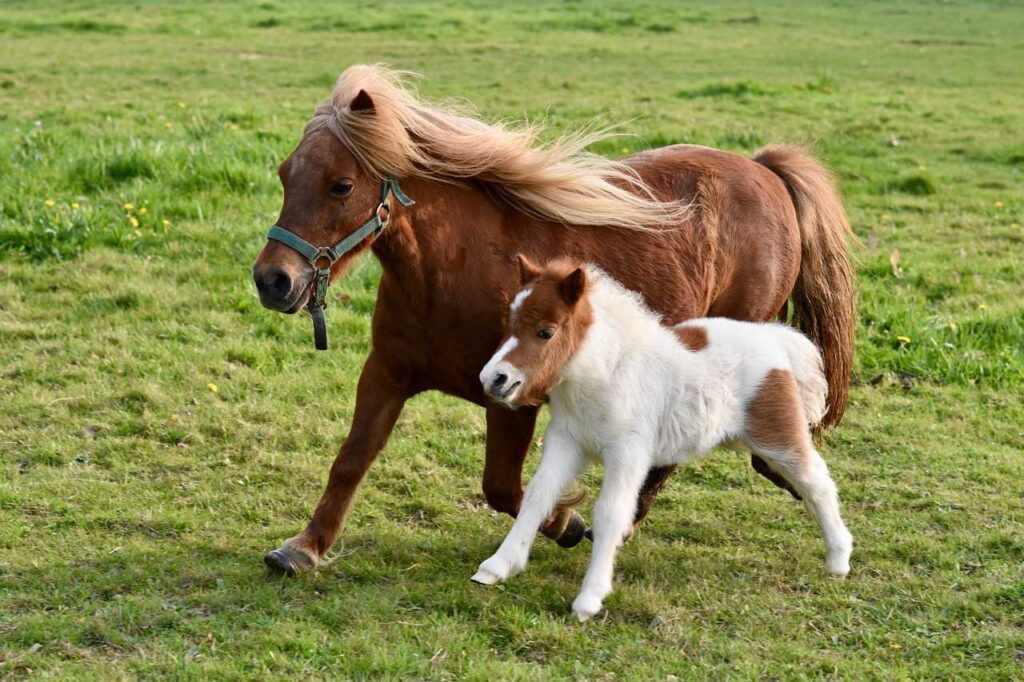
A child standing beside a pony with a grooming brush is a familiar picture of family life around horses. The pony seems more manageable than a full-sized horse, and the child can reach its shoulder without standing on a box.
That difference in height can be useful. But it doesn’t tell you whether the pony is gentle, well-trained or suitable for a beginner.
Are ponies good for first-time horse owners? Yes, a mature, well-trained pony with an appropriate temperament can make an excellent family companion. The safest choice depends on the individual pony’s behaviour, its intended activities, your family’s experience and whether you can meet its daily needs.
Ponies can offer children opportunities to learn handling, grooming, riding and animal-care skills. Some are steady companions that remain part of family life for many years.
However, ponies aren’t miniature, low-maintenance horses. They need proper nutrition, hoof care, veterinary attention, suitable turnout, equine companionship and consistent handling.
The Utah State University Extension guide to buying your first horse recommends choosing a mature, experienced animal and seeking help from knowledgeable people before purchasing.
Here are ten reasons ponies may suit family life, along with the responsibilities that come with each advantage.
Table of contents
- 1. Their smaller size can make everyday interaction more accessible
- 2. Experienced ponies can help children learn to ride
- 3. Some ponies have calm, companionable personalities
- 4. Ponies can teach children responsibility
- 5. Some ponies may eat less than larger horses
- 6. Ponies can be hardy, adaptable outdoor companions
- 7. Ponies can encourage family outdoor activities
- 8. Ponies can become long-term family companions
- 9. Ponies can be versatile companions for different activities
- 10. The right pony can help a family learn about horses before moving to larger equines
- Family Pony Suitability & Safety Matrix
- Best calm pony breeds for beginner kids
- Is it cheaper to keep a pony than a horse?
- How much room does a pony need in a backyard?
- Pony vs horse for a child beginner rider
- How to choose your family’s first pony
- Average lifespan of a pony vs horse
- Common mistakes families make when buying ponies
- Frequently asked questions
- Should your family get a pony?
1. Their smaller size can make everyday interaction more accessible
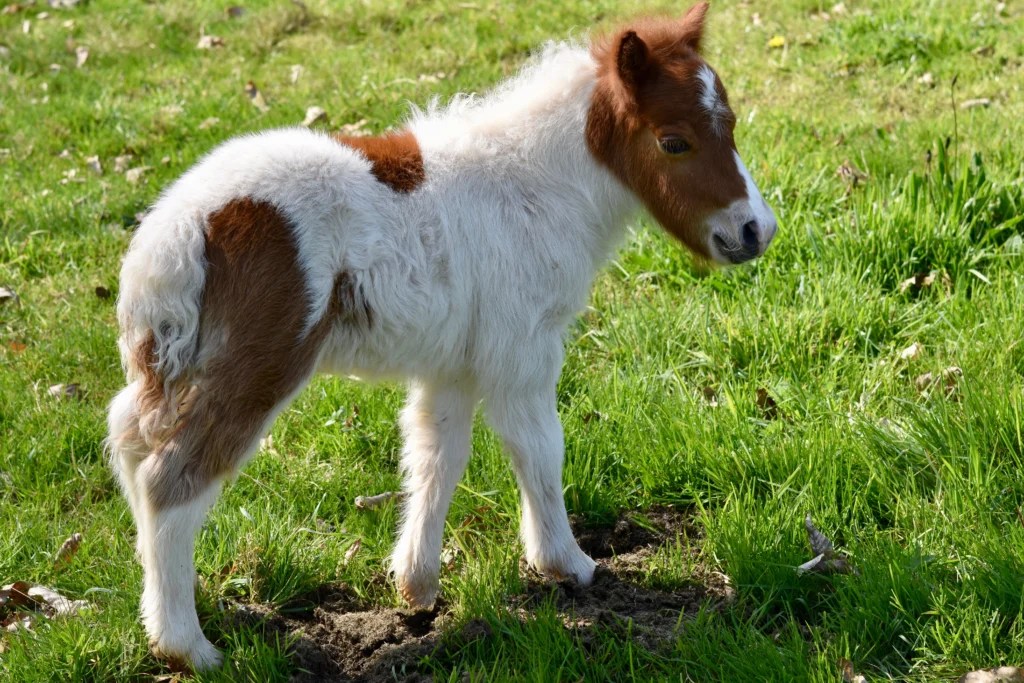
Ponies are generally classified as equines measuring no more than 14.2 hands at the withers, although definitions vary between breed registries and equestrian organisations.
A hand equals four inches, making 14.2 hands equivalent to 58 inches, or approximately 147 centimetres.
For a child learning to groom, a shorter pony may be easier to reach than a tall horse.
Children may be able to brush the shoulder, neck and parts of the body more comfortably. Appropriate pony-sized grooming equipment can also be easier for small hands to manage.
But height should never be confused with safety.
A pony can kick, bite, bolt, pull away or knock someone over. Even a relatively small pony is much stronger than a child.
What parents should do
Introduce children to pony handling under the supervision of an experienced adult or qualified instructor.
Teach them to approach calmly, avoid standing directly behind the pony and remain attentive to its body language.
Don’t assume a child can safely lead or tack up a pony merely because its back is lower.
Best family benefit: Easier physical access for supervised grooming and age-appropriate handling activities.
Finding a cat that genuinely loves the beautiful chaos of family life the noise, the kids, the constant activity is easier when you know exactly which breeds were made for it. Discover the top 10 cat breeds that bring feline harmony to family homes and find the purring, affectionate, endlessly patient companion your whole family has been waiting to welcome home.
2. Experienced ponies can help children learn to ride
A suitable pony can provide a child with opportunities to develop balance, coordination and riding confidence.
Many riding schools use trained ponies for beginner lessons because their size can suit younger riders.
The important word is trained.
A pony that’s calm with an experienced rider may behave differently with a novice who gives unclear cues or loses balance.
The pony’s education and the instructor’s ability to match horse and rider matter enormously.
Pony vs horse for a beginner child rider
A pony may suit a smaller child because its height and body shape can make it easier to establish an appropriate riding position.
However, a narrow pony is not automatically better than a broad one, and a child’s legs do not have to reach one arbitrary point on the barrel to establish safe fit.
A qualified instructor should assess the child’s height, weight, balance, strength and riding experience alongside the pony’s build, soundness, conditioning and suitable tack.
The saddle must fit the pony and rider appropriately.
Parents should also understand that children can outgrow a pony’s riding suitability while the animal still has many years to live.
Before buying, discuss what happens when the child becomes taller or heavier.
Best family benefit: Access to appropriately scaled riding experiences when horse and rider are professionally matched.
3. Some ponies have calm, companionable personalities
One of the main attractions of pony ownership is the possibility of building a relationship with an animal that becomes familiar with the household.
A mature pony with a suitable temperament may respond calmly to everyday grooming, leading and routine care.
Over time, children can learn to recognise whether the pony is relaxed, curious, distracted or uncomfortable.
However, ponies are individuals.
Some are patient and cooperative. Others are sensitive, energetic or quick to take advantage of inconsistent handling.
A pony described as bomb-proof should never be considered incapable of reacting to sudden noise, pain or fear.
Why experience matters more than age alone
An older pony with years of appropriate training may offer a more predictable experience than a young animal still learning basic skills.
Utah State University Extension advises novice owners to seek a mature, seasoned horse and obtain experienced assistance during selection.
Age alone isn’t sufficient. An older pony can also have medical, soundness or behavioural needs that affect suitability.
Best family benefit: A well-matched pony can offer a consistent companion for children learning to interact with horses respectfully.
4. Ponies can teach children responsibility
A family pony creates regular opportunities for children to participate in animal care.
There are grooming brushes to clean, water supplies to check and equipment to put away. Children may also help prepare appropriate care materials under adult direction.
For older children, supervised participation can encourage organisation, observation and practical decision-making.
The important distinction is between participating and being responsible for the animal’s welfare.
Adults remain accountable for daily care, even when the pony was purchased primarily for a child.
A youngster may lose interest, become busy with school or be unable to recognise illness or discomfort.
The pony still needs attention every day.
Age-appropriate tasks
Young children may watch an adult groom the pony or help organise brushes away from the animal.
Older children can gradually learn safe grooming and supervised stable routines.
Experienced teenagers may take on additional responsibilities, provided competent adults continue checking that the pony’s needs are met.
Best family benefit: Meaningful opportunities to develop animal-care skills and reliable routines.
5. Some ponies may eat less than larger horses
One reason families consider ponies is their smaller body size.
A smaller pony may require less total forage than a much larger horse, which can reduce certain feed-related expenses.
But ponies vary enormously in size, workload, body condition and nutritional needs.
A 300-pound miniature pony and a substantial 900-pound riding pony do not require the same feeding plan.
The University of Minnesota Extension guide to estimating horse bodyweight explains how body size and condition differ among equine types.
Why efficient feeding can become a challenge
Some ponies are easy keepers, meaning they maintain or gain condition on relatively modest energy intake.
That can sound economical, but it creates another responsibility: avoiding inappropriate weight gain.
Higher weight ponies, particularly those with insulin dysregulation, may face increased laminitis risk.
Laminitis is a serious disorder involving painful damage to structures supporting the hoof.
The American Association of Equine Practitioners discusses obesity and related metabolic risks in horses and ponies.
What about grazing muzzles?
A properly selected grazing muzzle may help some ponies consume less grass while retaining turnout opportunities.
However, it isn’t necessary or suitable for every animal.
A veterinarian or qualified equine nutrition specialist should help determine whether restricted grazing, modified turnout or another feeding arrangement is appropriate.
Don’t use a grazing muzzle as a substitute for checking body condition, maintaining access to water and monitoring the pony’s welfare.
Best family benefit: Potentially lower total feed consumption, balanced against the need for careful nutrition management.
6. Ponies can be hardy, adaptable outdoor companions
Many pony breeds developed in environments that required resilience, efficient use of forage and the ability to cope with changing weather.
Some have dense winter coats and substantial builds.
These characteristics can make particular ponies well suited to outdoor life when facilities and management are appropriate.
But hardiness is not immunity to bad weather.
Every pony needs safe fencing, reliable drinking water, suitable shelter and protection from environmental hazards.
Cold weather, persistent rain, mud and excessive heat can create different welfare problems.
Shelter and turnout still matter
A pony should have space for normal movement and opportunities for appropriate social behaviour.
Access to turnout supports activity, but pasture conditions vary across the United States.
The Penn State Extension guide to pasture and hay for horses explains that land requirements depend on forage production, grazing management and how much supplementary feed is available.
Dry lots or managed turnout areas can be useful where unrestricted grazing is unsuitable.
Best family benefit: Suitable breeds and individuals can adapt to different managed outdoor environments, without eliminating the need for proper facilities.
7. Ponies can encourage family outdoor activities
A family pony can become part of ordinary outdoor routines.
Children may enjoy supervised grooming, leading practice, groundwork or simply observing how the pony behaves in its paddock.
These activities can help families spend time together while learning about animal behaviour.
However, not every interaction needs to involve riding.
Grooming, calm leading exercises and suitable enrichment can provide enjoyable ways to spend time with a pony that is retired from riding or temporarily not in ridden work.
Keep activities appropriate
A pony should not be expected to participate when boring, exhausted, frightened or otherwise unwell.
Choose activities appropriate to the animal’s age, fitness, training and temperament.
Supervision and suitable protective equipment remain important, particularly where children handle horses.
Best family benefit: Shared outdoor routines centred on caring for and understanding an animal.
8. Ponies can become long-term family companions
A pony purchase is rarely a short-term commitment.
With suitable care, many horses and ponies live into their twenties or thirties, although lifespan varies considerably.
The University of Minnesota Extension’s senior horse guide notes that many horses and ponies can live into their twenties or thirties.
This creates an opportunity for a long relationship.
It also creates a planning responsibility.
A pony bought for an eight-year-old may still require care when that child has left school, moved away or lost interest in riding.
Plan beyond the riding years
Older ponies may need changes in diet, dental care, exercise or other management.
Some become suitable companions rather than riding animals.
Before buying, ask whether the family can financially and practically support the pony throughout its life.
Best family benefit: The possibility of a lasting relationship, provided the household is prepared for long-term ownership.
9. Ponies can be versatile companions for different activities
Not every family wants the same thing from a pony.
One family may be interested in lead-rein lessons. Another may prefer groundwork, driving, local shows or caring for a retired companion.
A suitable pony can sometimes participate in more than one activity, depending on its training and abilities.
That versatility can be appealing when a child’s interests change.
However, the animal should be selected for realistic intended use rather than assuming any pony can safely perform every activity.
Choose the pony before choosing the dream
Ask a qualified instructor to help assess the intended activities.
If the main goal is children’s riding, choose an animal with appropriate ridden experience.
If the family wants a companion animal, prioritise social compatibility, manageable care needs and a safe temperament.
Avoid buying an untrained pony because it looks attractive or seems like an exciting project.
Best family benefit: Opportunities for different equine activities when the animal is appropriately trained and suited to them.
10. The right pony can help a family learn about horses before moving to larger equines
A carefully selected pony may provide a valuable introduction to horse ownership.
Families learn about hoof care, stable routines, feeding, equipment, veterinary appointments and the importance of training.
Those skills remain useful when caring for larger horses.
But pony ownership is not a simplified substitute for proper equine knowledge.
A pony still needs farrier services, dental care, parasite-management planning, emergency veterinary provision and informed daily husbandry.
The Utah State University Extension first-horse buying guide recommends gaining practical experience before purchasing.
Riding lessons, volunteering at a reputable stable or arranging a suitable lease may help families learn before making a permanent commitment.
Best family benefit: Practical experience with equine care that can prepare a family for responsible long-term ownership.
Family Pony Suitability & Safety Matrix
Before choosing a pony, compare the likely benefits with the responsibilities they create.
| Consideration | Pony advantage | Essential management | Mistake to avoid |
|---|---|---|---|
| Height | May be easier for children to reach during grooming | Supervise all handling and assess riding fit professionally | Assuming small means safe |
| Feeding | Smaller ponies may require less total food | Assess weight, body condition and diet | Overfeeding concentrates or unrestricted pasture |
| Temperament | Experienced individuals can be good novice companions | Observe actual behaviour and training | Trusting the phrase “bomb-proof” |
| Riding | Some ponies suit smaller riders | Use suitable tack, helmets and qualified instruction | Buying a pony too small for the rider or intended use |
| Housing | Some facilities may be smaller in scale | Provide safe fencing, shelter, turnout and companionship | Assuming an ordinary small garden is adequate |
| Cost | Feed consumption may sometimes be lower | Budget for all ongoing and emergency costs | Expecting horse-level veterinary expenses to disappear |
| Lifespan | Potentially long-term companionship | Plan for retirement and senior care | Buying only for a child’s current interest |
Best calm pony breeds for beginner kids
Breed descriptions can provide a starting point when choosing a family pony, but they should never replace evaluation of the individual animal.
Three commonly considered types include:
Welsh Pony
Welsh ponies are versatile and widely used in riding and children’s equestrian activities.
Their activity level and temperament can vary, and some individuals are more forward-going than a complete beginner needs.
Shetland Pony
Shetlands are small, strong and often intelligent.
Their compact size can appeal to families with young children, but they are powerful for their height and may be very determined.
A small Shetland isn’t automatically easier to handle than a larger, better-trained pony.
Connemara Pony
Connemaras are known for versatility and athletic ability.
A mature, trained Connemara may be suitable for some families, although its size, activity level and riding experience should be assessed individually.
The best beginner pony is usually an individual with a proven record of safe, appropriate work — not simply a member of a particular breed.
Is it cheaper to keep a pony than a horse?
Sometimes, but the savings can be smaller than families expect.
A pony may consume less forage than a large horse, particularly if it is substantially lighter.
However, many ownership costs do not decrease in proportion to body size.
A farrier may charge similar rates for routine appointments. Dental examinations, vaccinations, veterinary visits, boarding, insurance and emergency care can still be substantial expenses.
A small pony with complex health needs may cost more than a healthy larger horse.
The University of Minnesota Extension guide to caring for horses on a budget recommends focusing on prevention, appropriate management and realistic financial planning rather than assuming ownership is inexpensive.
Expenses to include in your budget
- Boarding or property maintenance.
- Hay, suitable feed and water.
- Farrier and dental care.
- Routine veterinary services and emergency funds.
- Fencing, shelter and bedding.
- Tack, grooming supplies and protective equipment.
- Riding instruction and ongoing training.
- Companionship arrangements and retirement costs.
Obtain actual local quotations before purchasing.
How much room does a pony need in a backyard?
There is no single acreage figure appropriate for every pony and property.
The amount of land needed depends on whether it supplies grazing or simply provides exercise, the number of equines, soil, climate, drainage, forage growth and management.
Penn State Extension explains that two to three acres per horse may be appropriate for grazing in some northeastern US circumstances, while smaller managed paddocks can serve primarily as exercise areas when forage is supplied separately.
That is not a universal legal or welfare minimum for ponies.
A small backyard without suitable fencing, shelter, manure management and companionship may be unsuitable even if it has enough grass to look attractive.
Also check zoning, local ordinances, land-use restrictions and any homeowners’ association rules.
Do not purchase a pony before confirming that the intended property can support safe equine housing and management.
Pony vs horse for a child beginner rider
The right choice depends on the child and the individual equine.
| Factor | Pony | Horse |
|---|---|---|
| Height | Often more accessible to smaller children | May be too tall or broad for some young riders |
| Temperament | Varies widely | Varies widely |
| Carrying suitability | Must be assessed individually | Must be assessed individually |
| Training | Experienced pony may suit a novice | Experienced horse may also suit a novice |
| Long-term fit | Child may outgrow the pony’s riding capacity | Larger animal may suit a taller rider, but must still match skill |
| Ownership cost | Potential savings on some feed expenses | Higher feed costs possible, but total costs vary |
Don’t select by height alone. A quiet, well-trained small horse may be safer for a particular child than a lively pony.
The riding instructor should help assess the rider’s competence and the animal’s suitability before any purchase.
How to choose your family’s first pony
A pony should be selected through a careful process rather than a single attractive advert.
1. Define its intended job
Decide whether the pony will be used for children’s riding, groundwork, companionship or another specific activity.
Be realistic about the child’s present ability rather than buying an animal for hoped-for future skills.
2. Work with an experienced instructor
Ask someone familiar with your child’s riding and handling ability to help evaluate potential ponies.
They should observe the animal being caught, groomed, tacked up, led and, where relevant, ridden by a competent person before a prospective novice tries it.
3. Evaluate the individual temperament
Look for a pony that behaves predictably during ordinary activities.
Ask about previous owners, training history, handling difficulties and situations that make the animal anxious.
No single demonstration can guarantee future behaviour.
4. Arrange an independent pre-purchase veterinary examination
The American Association of Equine Practitioners recommends a veterinary purchase examination to help buyers understand the animal’s health and suitability-related risks.
The veterinarian should know the pony’s intended use.
A veterinary examination does not replace a riding instructor’s assessment of training and temperament.
5. Confirm the long-term care plan
Know where the pony will live, how it will receive companionship, who will provide daily care and how veterinary emergencies will be handled.
Don’t rely on the child being the only person responsible.
Average lifespan of a pony vs horse
Ponies are often described as longer-lived than large horses, but exact averages vary and cannot be reduced to one universal comparison.
Many horses and ponies live into their twenties, and some reach their thirties.
Individual longevity depends on genetics, body condition, disease, workload, environment and healthcare.
Smaller size may be associated with differences in longevity across populations, but it doesn’t guarantee that a particular pony will outlive a particular horse.
When planning ownership, it is sensible to prepare for several decades of responsibility.
Common mistakes families make when buying ponies
The most serious mistake is choosing a pony because it looks small and friendly without assessing its behaviour.
Another is purchasing a young, untrained animal for a child who is still learning basic riding skills.
Families may also underestimate nutrition management, especially for ponies that gain weight easily.
A grazing muzzle or reduced feed allowance should not be improvised without considering the pony’s actual needs.
Other avoidable mistakes include overlooking equine companionship, failing to arrange a pre-purchase examination, using unsuitable tack and assuming that the child will remain interested in riding indefinitely.
Recognising potential laminitis
Ponies that develop marked foot pain, reluctance to move, an unusual stance or sudden lameness need urgent veterinary assessment.
Laminitis can have serious consequences and should not be managed through improvised feed restriction or exercise.
The AAEP’s equine metabolic research explains why obesity and insulin dysregulation can be important risk factors in susceptible animals.
A veterinarian should direct the assessment and treatment.
Frequently asked questions
Yes, a mature, appropriately trained pony with a suitable temperament can be a good first equine. The owners still need practical skills, professional support and facilities that meet equine welfare needs.
There is no universally ideal age. A mature pony with appropriate experience is often preferable to a young, untrained animal for a novice rider. Health and soundness matter alongside age.
Individual temperament and training are more reliable selection criteria than sex alone. An experienced gelding may suit a beginner, but suitable mares can also make excellent family ponies.
Their small size doesn’t remove the risk of kicks, bites or being knocked over. Toddlers require close adult supervision and should not handle ponies independently.
Many can live into their twenties or thirties, although lifespan varies by individual health, breed and management.
Ponies are social equines and generally need suitable equine companionship. Human attention alone should not be assumed to replace their social needs.
No. Some ponies benefit from managed grazing strategies, but nutritional and metabolic circumstances differ. Seek appropriate veterinary guidance rather than applying one plan to every pony.
Should your family get a pony?
A pony can be a rewarding companion for children and adults who enjoy caring for horses.
The advantages are real: manageable height for some activities, opportunities for riding and groundwork, meaningful family routines and the possibility of a long-lasting relationship.
Yet every advantage comes with responsibilities.
The right pony must be safe enough for the intended activities, appropriately trained, comfortable in its environment and cared for by adults who understand its needs.
If you’re new to horses, start with lessons and supervised stable experience. Then work with an instructor and an independent equine veterinarian when evaluating a purchase.
Choose the pony whose needs, training and temperament fit your family — rather than expecting its small size to make ownership easy.