The information and calculator data provided in this article are aggregated from peer-reviewed veterinary literature, including the Merck Veterinary Manual and AVMA guidelines. This content is for educational and informational purposes only and is not a substitute for professional veterinary advice, diagnosis, or treatment. Always consult with a licensed veterinarian before administering any medication or altering your pet’s health regimen.
Is your cat turning into a tiny tornado every time you mention nail trimming? You’re definitely not alone.
Most cat parents feel anxious about this essential grooming task. They worry about hurting their feline friend. Or they dread the inevitable battle that seems to follow.
But here’s what every cat owner needs to know: stress-free cat nail clipping is absolutely possible.
With the right approach, proper tools, and patience, you can transform nail trimming from a dreaded chore into a calm bonding experience.
This complete guide will teach you everything about how to cut cat nails safely and effectively. From understanding feline behavior to mastering gentle techniques.
Let’s help you and your cat feel confident about regular nail care.
Table of contents
- Why Cat Nail Trimming at Home Is Essential for Feline Health
- Understanding Your Cat’s Natural Nail Structure and Behavior
- Essential Tools for Stress-Free Cat Nail Clipping
- Step-by-Step Guide to Stress-Free Cat Nail Trimming
- Advanced Cat Nail Trimming Tips for Different Personalities
- Common Cat Nail Trimming Mistakes and How to Avoid Them
- Troubleshooting Common Cat Nail Trimming Challenges
- Health Benefits of Regular Cat Nail Trimming
- Building Long-Term Success with Cat Nail Trimming
- When to Seek Professional Help
- Seasonal Considerations for Cat Nail Trimming
- Advanced Techniques for Experienced Cat Parents
- Frequently Asked Questions About Cat Nail Trimming at Home
- How often should I trim my cat’s nails at home?
- What should I do if I accidentally cut the quick during cat nail clipping?
- My cat becomes extremely aggressive during nail trimming. What are my options?
- Can stress-free cat nail clipping really be achieved with very anxious cats?
- What’s the difference between cat nail trimming techniques for kittens versus adult cats?
- Conclusion: Mastering Stress-Free Cat Nail Trimming for Life
Why Cat Nail Trimming at Home Is Essential for Feline Health
Stress-Free Cat Nail Trimming
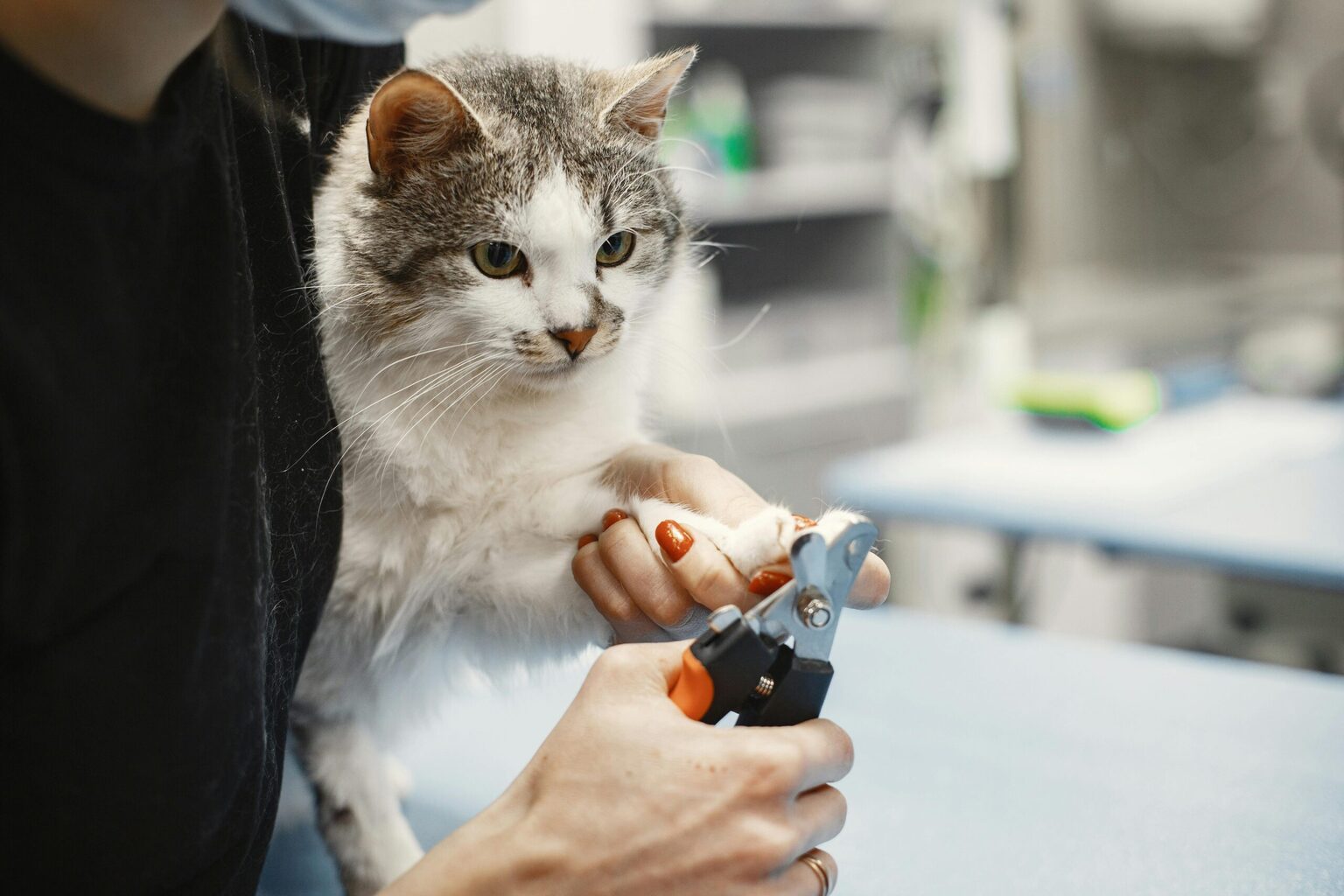
Trim feline claws safely by gently squeezing the paw pad to extend the translucent nail, and clipping only the sharp curved tip roughly 2 millimeters ahead of the pink quick. Work on one paw per session while offering lickable squeeze treats to create a positive association.
| Key Care Dimension | Recommended Standard | Primary Benefit | Management Best Practice |
|---|---|---|---|
| Preventative Veterinary Care | Annual or biannual clinical checkups | Early detection of underlying disease | Maintain up-to-date vaccine and wellness records |
| Species-Appropriate Diet | Formulated to life stage and activity level | Optimal muscle tone and metabolic balance | Measure exact daily feeding portions consistently |
| Environmental Enrichment | Daily mental exercise and physical activity | Prevents boredom and destructive behaviors | Rotate interactive toys and training games weekly |
| Emergency Preparedness | Dedicated pet emergency fund or insurance policy | Guarantees immediate medical care access | Keep 24-hour ER clinic contact readily accessible |
Regular nail maintenance isn’t just about protecting your furniture. It’s crucial for your cat’s overall wellbeing and comfort.
Overgrown nails can curve back into paw pads, causing pain and infection. They can also get caught in carpets, fabrics, or toys, leading to injuries.
The American Veterinary Medical Association recommends trimming indoor cats’ nails every 2-3 weeks. Outdoor cats naturally wear down their claws, but indoor kitties need our help.
The Hidden Health Benefits of Regular Nail Care
When you trim your cat’s nails regularly, you’re doing more than basic grooming.
You’re preventing painful ingrown nails. You’re reducing the risk of torn claws. You’re also getting valuable bonding time with your feline friend.
Most importantly, you’re checking their paws for any health issues that need attention.
Building Trust Through Positive Experiences
Cats remember negative experiences vividly. But they also remember positive ones.
When you approach cat nail trimming with patience and respect, you build trust. This makes future grooming sessions easier for both of you.
Cost Savings and Convenience
Professional nail trimming typically costs $15-30 per visit. Learning to do it at home saves money over your cat’s lifetime.
Plus, you can trim nails on your schedule. No more stressful car rides or waiting room anxiety for your sensitive kitty.
Understanding Your Cat’s Natural Nail Structure and Behavior
Before learning how to cut cat nails, it’s important to understand feline anatomy and instincts.
Cats have retractable claws that serve multiple purposes. They’re used for climbing, hunting, marking territory, and self-defense.
The Anatomy of Cat Claws
Cat claws consist of several layers. The outer sheath naturally sheds as cats scratch. Underneath lies the sharp, new claw.
The Pink Area (Quick) This contains blood vessels and nerves. Cutting this area causes pain and bleeding.
The White/Clear Tip This is the safe area to trim. It contains no nerves or blood supply.
The Nail Bed This anchors the claw to the toe. Never cut near this area during trimming.
Why Cats Resist Nail Trimming
Understanding feline psychology helps explain their resistance to nail care.
Paw Sensitivity Cat paws are extremely sensitive. They contain numerous nerve endings that help with balance and hunting.
Survival Instincts Claws are a cat’s primary defense mechanism. Restraint triggers their fight-or-flight response.
Past Negative Experiences Cats who’ve had traumatic nail trimming experiences become more resistant over time.
Lack of Early Socialization Kittens not handled regularly during their socialization period (2-7 weeks) often dislike paw manipulation.
Essential Tools for Stress-Free Cat Nail Clipping
Having the right equipment makes all the difference in successful cat nail trimming at home.
Quality tools work better, last longer, and create safer experiences for your cat.
Cat-Specific Nail Clippers: Your Most Important Tool
Never use human nail clippers on cats. Feline claws require specialized tools designed for their unique shape and size.
Scissor-Type Clippers These look like tiny scissors with curved blades. They provide excellent control and visibility.
Most veterinarians recommend scissor-type clippers for home use. They’re safer and more precise than other styles.
Guillotine Clippers These have a small hole where you insert the claw. A blade slides across when squeezed.
While some people prefer these, they offer less control and can crush the nail if not used properly.
Nail Grinders Electric grinders file nails gradually rather than cutting. Some cats tolerate these better than clippers.
However, many cats dislike the noise and vibration. Start slowly if you choose this option.
Additional Supplies for Successful Trimming Sessions
Beyond clippers, several other items enhance your nail trimming experience.
High-Value Treats Choose something your cat absolutely loves. Freeze-dried chicken, tuna flakes, or special cat treats work well.
Comfortable Restraint Options Towels for gentle wrapping, or specialized cat grooming bags for anxious kitties.
Styptic Powder In case you accidentally cut the quick. This stops bleeding quickly and safely.
Good Lighting A bright lamp or flashlight helps you see the nail structure clearly.
Step-by-Step Guide to Stress-Free Cat Nail Trimming
Success comes from preparation, patience, and proper technique. This systematic approach works for most cats.
Phase 1: Preparation and Environment Setup
Create the right atmosphere before you even touch your cat.
Choose the Right Time Trim nails when your cat is naturally relaxed. After meals or play sessions often work well.
Avoid times when they’re energetic, hungry, or already stressed.
Select the Perfect Location Choose a quiet area with minimal distractions. Good lighting is essential for seeing nail structure clearly.
Some cats prefer being on the floor, others on a table or in your lap. Let your cat’s preferences guide you.
Gather All Supplies Have everything within arm’s reach before starting. Interruptions increase stress for both of you.
Phase 2: Building Positive Associations
Don’t rush straight into trimming. Spend time building positive associations with paw handling.
Start with Simple Touching During calm moments, gently touch your cat’s paws. Reward with treats and praise for tolerating contact.
Practice Extending Claws Gently press on paw pads to extend the claws. Let your cat see and sniff the nail clippers without using them.
Short, Positive Sessions Keep initial sessions very brief. End on a positive note with treats and attention.
Phase 3: The Actual Trimming Process
When your cat tolerates paw handling, you’re ready for actual trimming.
Proper Positioning Hold your cat securely but gently. Many cats do well sitting in your lap facing away from you.
For anxious cats, wrapping in a towel with one paw exposed can help.
Extending the Claws Gently press on the paw pad to extend the claw. Take your time and let your cat adjust.
Identifying the Cutting Line Look for the pink area inside the claw. Cut only the clear or white tip, staying well away from the pink.
Making the Cut Use quick, confident movements. Hesitation can cause the nail to split or crack.
Cut at a slight angle, following the natural curve of the claw.
Phase 4: Post-Trimming Care
How you end the session affects future experiences.
Immediate Rewards Give treats and praise immediately after each successful nail trim.
Inspect Your Work Check that cuts are clean and smooth. File any rough edges if necessary.
Monitor for Issues Watch for any signs of discomfort or bleeding in the hours following trimming.
Advanced Cat Nail Trimming Tips for Different Personalities
Every cat has unique preferences and challenges. Adapt your approach accordingly.
Techniques for Anxious or Fearful Cats
Some cats need extra patience and specialized approaches.
Gradual Desensitization Spend weeks just touching paws during positive experiences like feeding or petting.
Counter-Conditioning Pair nail trimming activities with extremely high-value rewards.
Shorter Sessions Trim just one or two nails per session. Multiple short sessions work better than one stressful marathon.
Calming Aids Consider pheromone sprays, calming treats, or anxiety wraps designed for cats.
Strategies for Aggressive Cats
Some cats become defensive during nail trimming. Safety comes first.
Professional Assessment Cats showing serious aggression may need veterinary evaluation for pain or medical issues.
Towel Wrapping Technique Gentle restraint in a soft towel can prevent scratching while keeping the cat comfortable.
Two-Person Approach One person holds and comforts while the other trims. This requires good coordination and trust.
Medication Consultation For extremely anxious cats, veterinarians may recommend mild sedation for nail trimming.
Approaches for Senior Cats
Older cats often have special considerations for nail care.
Arthritis Considerations Senior cats with joint pain may resist positioning. Be extra gentle with their joints.
Thicker Nails Older cats’ nails often become thicker and harder to cut. Sharp, high-quality clippers are essential.
More Frequent Trimming Senior cats are often less active, meaning nails don’t wear down naturally. More frequent trimming may be necessary.
Common Cat Nail Trimming Mistakes and How to Avoid Them
Learning from common errors saves time, stress, and potential injury.
Rushing the Process
The biggest mistake is trying to trim all nails in one session before your cat is ready.
Take Your Time Build tolerance gradually over weeks or months if necessary.
Read Your Cat’s Signals Stop if your cat shows stress: panting, drooling, trying to escape, or becoming aggressive.
Multiple Short Sessions It’s better to trim one paw per day than to create a traumatic experience.
Using Inappropriate Tools
Wrong tools make the job harder and more dangerous.
Avoid Human Clippers These can split cat claws and don’t provide proper control.
Replace Dull Blades Dull clippers crush rather than cut cleanly, causing pain and nail damage.
Choose Appropriate Sizes Clippers should match your cat’s claw size. Too large or too small creates problems.
Cutting Too Much Nail
Cutting into the quick is painful and creates negative associations.
Identify Safe Cutting Zone Only trim the clear or white portion of the claw.
Cut Small Amounts It’s better to trim less frequently than to risk cutting the quick.
Good Lighting is Essential Poor visibility leads to accidents. Use bright lighting or a flashlight if needed.
Ignoring Your Cat’s Body Language
Cats communicate clearly when they’re uncomfortable.
Stress Signals to Watch For:
- Flattened ears
- Dilated pupils
- Heavy panting
- Drooling
- Trying to hide or escape
- Growling or hissing
When to Stop If your cat shows multiple stress signals, end the session immediately.
Troubleshooting Common Cat Nail Trimming Challenges
Even experienced cat parents face obstacles. Here’s how to overcome them.
Dealing with Squirmy Cats
Some cats just can’t sit still during trimming.
Tire Them Out First A good play session before trimming can help restless cats settle down.
Find Their Sweet Spot Some cats prefer being held, others like sitting on a table, and some do best on the floor.
Use Gentle Restraint Towel wrapping or specialized grooming restraints can help without causing stress.
Cats Who Hide at Clipper Sight
Smart cats learn to associate clippers with nail trimming.
Keep Tools Visible Don’t hide clippers between sessions. Let them become part of the environment.
Positive Tool Association Leave clippers near food bowls or favorite sleeping spots with treats nearby.
Gradual Introduction Let your cat investigate and sniff tools during calm moments.
Managing Multi-Cat Households
When you have multiple cats, each may react differently to nail trimming.
Individual Approaches Each cat needs their own training timeline and technique.
Separate Spaces Trim nails in different rooms to prevent anxiety from spreading between cats.
Learn from Success Techniques that work well with one cat might help others.
Health Benefits of Regular Cat Nail Trimming
Consistent nail care provides numerous advantages beyond preventing furniture damage.
Preventing Painful Ingrown Nails
Overgrown nails can curve back into paw pads, causing serious problems.
Early Intervention Regular trimming prevents nails from reaching problematic lengths.
Pain Prevention Ingrown nails are extremely painful and can lead to infections requiring veterinary treatment.
Reducing Injury Risk
Long nails get caught in fabrics, carpets, and toys.
Preventing Torn Claws Caught nails can tear partially or completely, causing pain and bleeding.
Avoiding Emergency Vet Visits Regular maintenance prevents many nail-related injuries that require professional treatment.
Maintaining Paw Health
Nail trimming sessions provide opportunities to check paw health.
Early Problem Detection You’ll notice cuts, swelling, infections, or other issues during regular nail care.
Overall Paw Maintenance Regular handling helps cats become more comfortable with paw examinations.
Building Long-Term Success with Cat Nail Trimming
Creating positive experiences takes time, but the investment pays off for years.
Establishing Consistent Routines
Cats thrive on predictability. Consistent routines reduce anxiety.
Regular Schedule Trim nails on the same day every 2-3 weeks. Consistency helps cats know what to expect.
Same Location and Time Using familiar environments and timing reduces stress.
Consistent Rewards Always end successful sessions with the same high-value treats or attention.
Training Kittens vs. Adult Cats
Starting early makes everything easier, but adult cats can learn too.
Kitten Advantages Young cats adapt more quickly to handling. Start nail trimming around 8-10 weeks of age.
Adult Cat Success Older cats need more patience but can definitely learn to tolerate nail trimming.
Creating Positive Associations
The goal is making nail trimming a pleasant experience your cat anticipates.
High-Value Rewards Use the best treats only for nail trimming sessions.
Calm Energy Your emotional state affects your cat. Stay relaxed and positive.
Short, Sweet Sessions End while your cat is still comfortable rather than pushing too far.
When to Seek Professional Help
Sometimes professional intervention is the best choice for both you and your cat.
Recognizing Your Limits
It’s important to know when DIY approaches aren’t working.
Persistent Stress If your cat remains extremely anxious after weeks of gradual conditioning, consider professional help.
Safety Concerns Cats showing serious aggression may need veterinary assessment for underlying pain or medical issues.
Physical Limitations Some cats have medical conditions that make home nail trimming difficult or dangerous.
Professional Services Available
Several options exist for cats who can’t be trimmed at home.
Veterinary Clinics Most veterinary offices offer nail trimming services with trained technicians.
Mobile Groomers Some groomers specialize in anxious cats and come to your home.
Cat-Only Grooming Salons These facilities understand feline behavior and use cat-specific techniques.
Preparing for Professional Services
Make professional appointments more successful with proper preparation.
Share Your Cat’s History Explain what techniques you’ve tried and how your cat typically reacts.
Bring Favorite Treats Familiar rewards can help even in new environments.
Schedule Appropriately Choose times when your cat is naturally calmer, avoiding stressful periods.
Seasonal Considerations for Cat Nail Trimming
Your cat’s nail care needs may vary throughout the year.
Indoor vs. Outdoor Lifestyle Changes
Many cats have different activity levels seasonally.
Winter Indoor Time Cats spending more time indoors may need more frequent nail trims.
Summer Activity Changes Increased outdoor time might naturally wear down nails more.
Age-Related Seasonal Needs
Senior cats often have different seasonal patterns.
Arthritis Considerations Cold weather can worsen joint pain, making positioning more challenging.
Activity Level Changes Less active periods require more frequent nail maintenance.
Holiday and Travel Planning
Plan nail trimming around busy periods.
Pre-Travel Trimming Ensure nails are trimmed before boarding or travel to prevent issues.
Holiday Scheduling Don’t skip regular maintenance during busy holiday periods.
Advanced Techniques for Experienced Cat Parents
Once you’ve mastered basic nail trimming, these techniques can improve your results.
Reading Subtle Cat Communication
Learning advanced feline body language helps predict reactions.
Micro-Expressions Small changes in ear position, pupil size, or whisker placement indicate comfort levels.
Breathing Patterns Relaxed cats breathe slowly and steadily. Rapid breathing indicates stress.
Muscle Tension Tense muscles suggest your cat is preparing to flee or fight.
Customizing Techniques for Individual Cats
Every cat is unique. Experienced trimming allows for personalization.
Preferred Positioning Some cats prefer lying on their sides, others sitting upright.
Optimal Session Length Learn your cat’s tolerance limits and work within them.
Best Reward Timing Some cats prefer treats during trimming, others immediately after.
Dealing with Special Situations
Experience helps you handle unusual circumstances.
Injured or Sick Cats Modified techniques for cats with temporary mobility issues.
Pregnant or Nursing Cats Special considerations for cats with changing bodies and stress levels.
Cats with Disabilities Adaptive techniques for cats with vision, hearing, or mobility impairments.
Frequently Asked Questions About Cat Nail Trimming at Home
How often should I trim my cat’s nails at home?
Indoor cats typically need nail trimming every 2-3 weeks. Outdoor cats may need less frequent trimming since natural scratching helps wear down their claws.
Senior cats or less active kitties might need more frequent trimming every 2 weeks. Very active young cats might go 3-4 weeks between trims. Watch your individual cat’s nail growth rate and adjust accordingly.
What should I do if I accidentally cut the quick during cat nail clipping?
Stay calm and apply styptic powder immediately to stop bleeding. The bleeding should stop within 2-3 minutes. Comfort your cat with gentle words and treats.
If bleeding continues beyond 5 minutes or seems excessive, contact your veterinarian. Most cats recover quickly from minor quick cuts, but it’s important to monitor for signs of infection over the next few days.
My cat becomes extremely aggressive during nail trimming. What are my options?
First, slow down your approach significantly. Spend weeks just touching paws during positive activities before attempting to trim. Some cats need months of conditioning.
Consider professional help if aggression persists. Your veterinarian can assess whether pain or medical issues contribute to the behavior. They may recommend mild sedation for nail trimming or suggest behavioral modification techniques.
Can stress-free cat nail clipping really be achieved with very anxious cats?
Yes, but it requires exceptional patience and the right approach. Some cats need 6-12 months of gradual conditioning before accepting nail trimming.
Start by just having nail clippers visible during feeding time. Progress to touching paws, then pressing paw pads, then trimming one nail per session. The key is never pushing beyond your cat’s comfort zone and always ending positively.
What’s the difference between cat nail trimming techniques for kittens versus adult cats?
Kittens are generally more adaptable and learn faster. Start handling their paws gently around 6-8 weeks of age, beginning actual trimming around 8-10 weeks.
Adult cats need more gradual conditioning since they may have established negative associations. They require longer desensitization periods and more patience. However, adult cats can definitely learn to accept nail trimming with consistent, positive experiences.
Conclusion: Mastering Stress-Free Cat Nail Trimming for Life
Learning how to trim your cat’s nails without stress transforms this essential care task from dreaded chore to bonding opportunity.
You now understand feline nail anatomy and psychology you have step-by-step techniques for safe effective trimming You know how to troubleshoot common challenges and when to seek professional help.
Remember, success comes from patience, consistency, and respect for your cat’s individual personality and needs.
Every cat learns at their own pace. Some may accept nail trimming within weeks, while others need months of gradual conditioning.
The time you invest in creating positive nail trimming experiences pays dividends throughout your cat’s life. You’ll have a calmer, more trusting relationship and the satisfaction of providing excellent health care.
Your commitment to learning proper cat nail trimming techniques shows how much you care about your feline companion’s wellbeing and comfort.
Start slow, stay positive, and celebrate small victories along the way. With time and practice, you’ll both look forward to these special bonding moments together.
📊 Interactive Pet Health & Care Calculators
Plan your pet’s healthcare and daily budget with our free interactive tools:
🐾 Related Resources & Interactive Tools in This Guide:
- Interactive Calculator: Dog OTC Medication Dosage Calculator — Calculate safe, vet-approved doses of Benadryl, Zyrtec, Pepcid, and Melatonin by body weight.
- Clinical Resource: Is Your Pet Actually Clean? 7 Common Pet Grooming Mistakes Vets Want You to Stop
- Behavior & Training Guide: Why Does My Cat Follow Me to the Bathroom Every Time?
- Related Expert Guide: How to Calm a Male Dog When a Female Is on Heat
Growth & Immunization Tracking: To predict your puppy’s adult weight based on current breed trajectory, use our interactive Puppy Growth Calculator. For core vaccine timelines and veterinary cost planning, refer to the Puppy Vaccination Schedule Tool.
Peer-Reviewed Veterinary & Clinical Sources
- American Association of Feline Practitioners (AAFP). Feline-Friendly Handling Guidelines: Claw Maintenance and Low-Stress Restraint. American Association of Feline Practitioners (AAFP) Reference.
- Cornell Feline Health Center. Feline Claws: Functional Anatomy, Quick Location, and Stress-Free Nail Trimming Techniques. Cornell Feline Health Center Reference.
- Fear Free Pets. Conditioning Cats to Nail Trims with Cooperative Care and High-Value Reinforcement. Fear Free Pets Reference.
📚 Related Topic Cluster Guides & Veterinary Tools
Explore our complete Pet Grooming & Hygiene Guide Hub for comprehensive guides, veterinary diagnostic checklists, and daily care protocols.
- Pet Aromatherapy: The Complete 2026 Guide to Safe, Natural Stress Relief for Your Beloved Companion
- Organic Pet Grooming Products: The Complete 2026 Guide to Safe, Natural Pet Care That Protects Your Pet’s Health
- The Complete Guide to Calmly Dressing Your Dog in Sweaters, Beanies, and Socks for Winter
- The Complete Guide to Luxury Pet Spa Services: Transform Your Pet’s Wellness Experience in 2026
- Interactive Tool: Instant Pet Poison & Toxicity Risk Estimator