The information and calculator data provided in this article are aggregated from peer-reviewed veterinary literature, including the Merck Veterinary Manual and AVMA guidelines. This content is for educational and informational purposes only and is not a substitute for professional veterinary advice, diagnosis, or treatment. Always consult with a licensed veterinarian before administering any medication or altering your pet’s health regimen.
Leash training a strong, active breed like a German Shepherd requires patience, consistency, and the right techniques. By using positive reinforcement and loose-leash training methods, you can turn daily walks into an enjoyable, pull-free experience.

n
nn
Leash training a strong, active breed like a German Shepherd requires patience, consistency, and the right techniques. By using positive reinforcement and loose-leash training methods, you can turn daily walks into an enjoyable, pull-free experience.
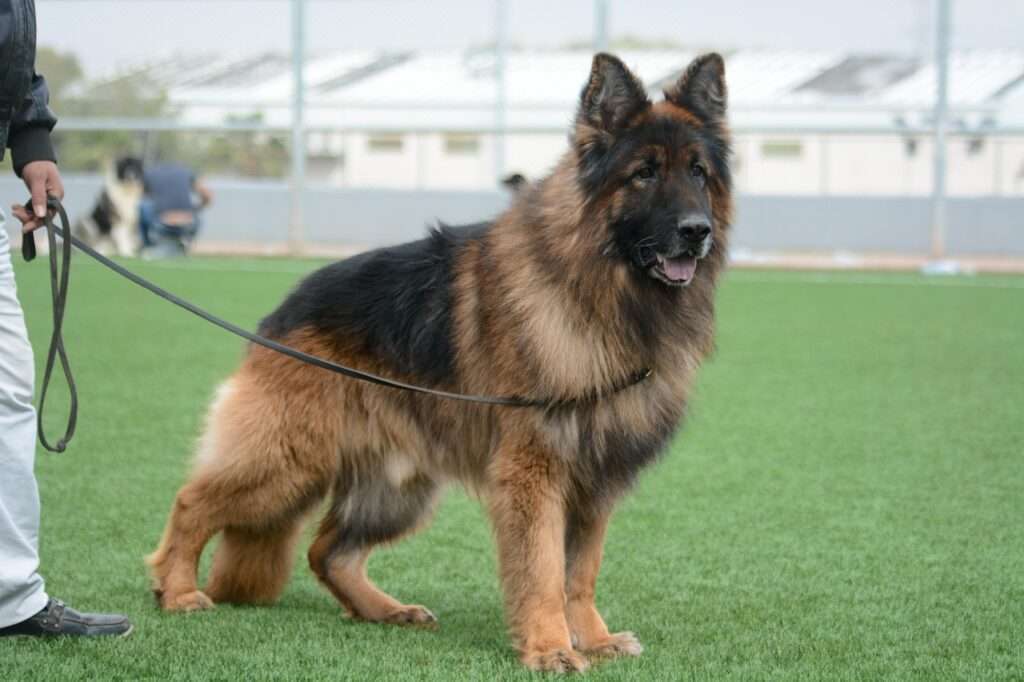
German Shepherds are one of the most popular and intelligent dog breeds, valued for their versatility and loyalty. Their history as working dogs in herding, police work, and search-and-rescue operations has shaped their temperament and physical needs. Understanding their traits is essential for effective German Shepherd Leash Training training:
- High Energy and Intelligence: German Shepherds require constant stimulation. Without sufficient physical and mental activities, they can develop behavioral problems such as chewing, barking, or digging. Engage them in activities like fetch, obedience training, or agility courses.
- Strong Prey Drive: Their instinct to chase moving objects, such as cars, animals, or even children, requires early training and supervision. Proper socialization can curb this behavior and make interactions smoother.
- Sensitivity: German Shepherds thrive on positive reinforcement. Harsh corrections can harm the bond between you and your dog, leading to fear and anxiety. Use rewards-based methods to encourage good behavior.
For more on German Shepherd traits, visit the American Kennel Club (AKC).
Table of contents
- The Importance of German Shepherd Leash Training
- Essential Equipment
- Foundational Training Principles
- Core Leash Training Techniques
- Dealing with Distractions
- Reactivity and Aggression
- Special Considerations for German Shepherds
- Common Leash Training Mistakes
- Advanced Leash Training Techniques
- Choke Chain Training
- German Shepherd Leash Training
The Importance of German Shepherd Leash Training
German Shepherd Leash Training: A Complete Guide: Growth Milestones & Timeline
Most puppies reach physical adulthood between 12 and 24 months depending on their breed size category. Small toy breeds finish growing around 9 to 12 months, medium breeds at 12 to 15 months, and giant large breeds continue skeletal and muscle development until 18 to 24 months under balanced veterinary nutrition standards.
| Breed Size Category | Adult Weight Range | Growth Plate Closure | Full Physical Maturity |
|---|---|---|---|
| Toy & Small Breeds (< 20 lbs) | 4 to 20 lbs (2 to 9 kg) | 8 to 11 Months | 10 to 12 Months |
| Medium Breeds (21 to 50 lbs) | 21 to 50 lbs (10 to 23 kg) | 12 to 14 Months | 12 to 15 Months |
| Large Breeds (51 to 90 lbs) | 51 to 90 lbs (24 to 41 kg) | 14 to 18 Months | 18 to 24 Months |
| Giant Breeds (> 90 lbs) | 90 to 180+ lbs (42 to 82 kg) | 18 to 24 Months | 24 to 36 Months |
German Shepherd leash training is not just about teaching your dog to walk politely; it’s about ensuring safety, creating enjoyable experiences, and fostering a strong bond.
- Safety for All: Proper leash manners prevent accidents like running into traffic or unwanted interactions with other animals. It’s an essential skill for urban and suburban living.
- Building Trust: Leash training strengthens communication between you and your dog, reinforcing your role as a reliable leader.
- Enjoyable Walks: A well-trained dog makes walks relaxing and stress-free for both owner and dog.
- Good Manners: Leash training lays the foundation for other obedience skills, such as “sit,” “stay,” and “leave it.”
A dog that lunges, barks, and pulls every time another dog walks by isn’t being bad they’re overwhelmed, and they need your help. Discover these proven strategies for managing leash reactivity in dogs that transform those stressful, white-knuckle walks into calm, controlled, and genuinely enjoyable outings for both of you.
Essential Equipment
Collars and Harnesses
Choosing the right equipment is the first step in successful leash training:
- Flat Collars: These are basic collars that work well for everyday use. Ensure they fit snugly but comfortably, with two fingers able to slide underneath.
- Pros: Simple, lightweight, and ideal for well-behaved dogs.
- Cons: May not control strong pullers effectively.
- Recommended: Blueberry Pet Classic Collar.
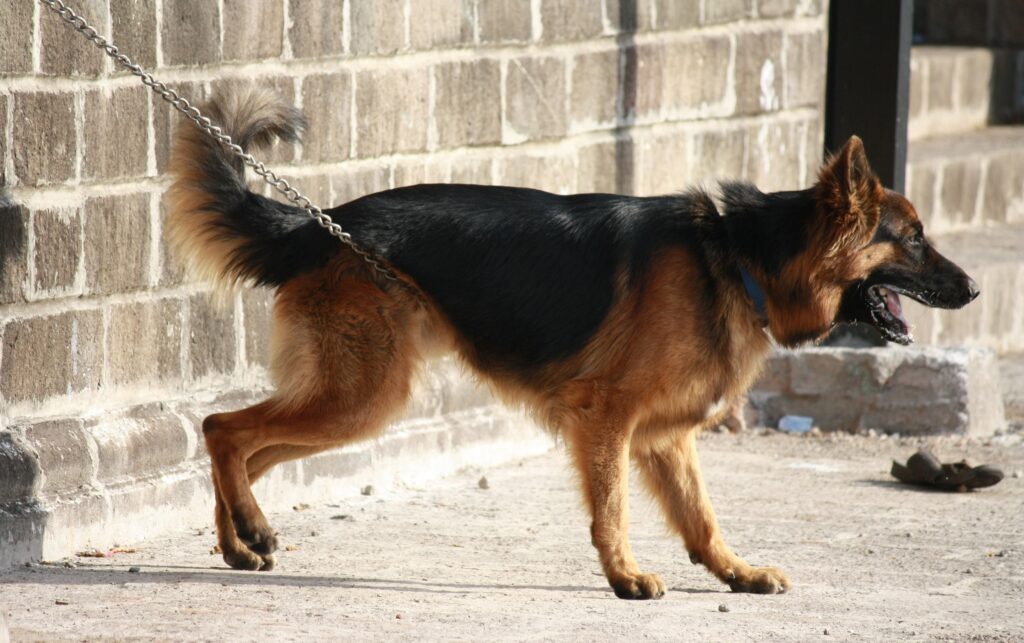
- Head Collars (Halti, Gentle Leader): These collars work by redirecting the dog’s head when they pull, helping you maintain control.
- Pros: Ideal for dogs prone to pulling or lunging.
- Cons: Requires proper introduction to avoid resistance.
- Front-Clip Harnesses: These harnesses discourage pulling by turning the dog towards you.
- Pros: Great for teaching loose-leash walking.
- Cons: May not suit every dog’s body type.
- Example: PetSafe Easy Walk Harness.
Leashes
The right leash ensures control and safety:
- Standard Leashes (4–6 feet): Provide optimal control during training.
- Ideal for walking in urban areas or crowded parks.
- Long Lines (15–30 feet): Allow more freedom while practicing recalls or exploring in open areas.
- Example: Hi Kiss Long Leash.
- Retractable Leashes: These can offer more freedom but are best used in low-traffic areas to avoid accidents.
Foundational Training Principles
Positive Reinforcement
Reward-based training is essential for German Shepherds, who respond best to praise and rewards:
- Use high-value treats like pieces of chicken or cheese to motivate your dog.
- Incorporate toys and verbal praise to diversify rewards.
- Avoid punishment, as it can create fear and reduce trust.
Timing and Consistency
- Reward desired behaviors immediately—dogs learn best when the reward is given within 2 seconds of the action.
- Use consistent commands, such as “heel” or “stop,” to avoid confusion.
- Establish daily training routines of 10–15 minutes for optimal progress.
German Shepherds are brilliant, loyal, and deeply devoted but understanding their unique personality is the key to truly discovering their incredible potential. Explore everything you need to know about German Shepherd personality, training, and care and build the kind of deep, unshakeable bond that makes this magnificent breed one of the most rewarding companions a person can ever have.
Core Leash Training Techniques
Loose Leash Walking
Loose leash walking means your dog walks beside you without tension in the leash.
- Teaching “Heel”:
- Start in a distraction-free area. Hold a treat at your hip and guide your dog to walk beside you.
- Reward frequently during initial training, gradually reducing treats as your dog improves.
- Focus Work:
- Use the “look at me” cue to capture your dog’s attention. This is especially useful in distracting environments.
- Correcting Pulling:
- Stop walking the moment your dog pulls. Resume only when the leash slackens.
Addressing Pulling
Pulling can stem from excitement or a lack of training. Combat this by:
- Frequent Stops: Reward calm behavior with treats and praise.
- Direction Changes: Keep your dog attentive by frequently changing your walking direction.
That stunning double coat is one of the German Shepherd’s most iconic and magnificent features and keeping it in peak condition takes the right knowledge and dedication. Discover these 10 expert grooming secrets for a healthy, gorgeous German Shepherd coat that will have your loyal, noble companion looking and feeling absolutely spectacular every single day of the year.
Dealing with Distractions
Introducing Distractions Gradually
Begin training in quiet settings before exposing your dog to busy environments. For example:
- Start in your backyard, then progress to quiet streets, and finally, busier parks.
Managing Distractions
- Carry high-value treats for rewarding focus.
- Use the “leave it” command to redirect attention from distractions.
Desensitization and Counter-Conditioning
If your dog reacts to specific triggers, pair the presence of the trigger with treats or toys. Over time, this builds a positive association.
Reactivity and Aggression
Signs of Reactivity
Reactivity includes behaviors like barking, lunging, and growling, often triggered by fear or excitement.
Addressing Reactivity
- Distance Management: Keep your dog at a safe distance from triggers to maintain calmness.
- Counter-Conditioning: Gradually expose your dog to triggers while rewarding calm behavior.
When to Seek Professional Help: If aggressive behaviors persist, consult a certified trainer or behaviorist.
Every walk with your dog should feel like the highlight of both your days not a stressful battle of wills down the sidewalk. Master your dog’s outdoor etiquette with these practical, proven tips that turn even the most chaotic, pulling-filled walks into calm, harmonious, and deeply enjoyable experiences you both genuinely look forward to.
Special Considerations for German Shepherds
German Shepherds are a unique breed with specific behavioral and physical traits that can influence leash training. Tailoring your approach to these traits will yield better results.
1. High Energy Needs
German Shepherds require a significant amount of daily exercise and mental stimulation to remain well-behaved. Without it, they may develop problematic behaviors such as excessive barking, chewing, or jumping.
- Physical Activities: Incorporate brisk walks, running, and hiking into your routine. A minimum of 1–2 hours of exercise daily is recommended.
- Mental Stimulation: Puzzle toys, obedience training, and games like hide-and-seek keep their minds engaged.
- Tip: Incorporate training into playtime. For example, use “fetch” as an opportunity to practice commands like “sit” and “stay.”
2. Strong Prey Drive
German Shepherds are natural hunters, which means they may be easily distracted by squirrels, birds, or even passing cars.
- Impulse Control Training: Teach commands like “leave it” and “stay” early on. Start in low-distraction environments and gradually increase the difficulty.
- Redirecting Energy: Use toys or treats to capture their attention when they become fixated on a potential “prey.”
- Safety Tip: Always use a secure leash and harness when walking in areas where wildlife or distractions are abundant.
3. Herding Instinct
German Shepherds have strong herding instincts, which may manifest as nipping at heels or attempting to “herd” people or other pets.
- Discourage Herding Behavior: Redirect their focus with commands or toys when they exhibit herding tendencies.
- Training Exercises: Incorporate structured games like agility training to channel their herding instincts productively.
- Tip for Multi-Pet Households: Early socialization helps prevent herding behavior towards other pets.
4. Socialization
Early and ongoing socialization is critical to prevent fear, aggression, or reactivity. Expose your German Shepherd to various environments, people, and animals.
- Controlled Introductions: Introduce new experiences gradually to avoid overwhelming your dog.
- Socialization Classes: Puppy classes or group obedience sessions can help your dog become comfortable around others.
- Resources: Visit the American Kennel Club Socialization Guide for detailed tips.
Hip dysplasia is one of the most common and heartbreaking health challenges facing German Shepherds and catching it early makes all the difference. Learn the 5 critical warning signs of German Shepherd hip dysplasia that every devoted Shepherd owner needs to recognize and act on before the condition progresses into something far more painful and difficult to manage.
Common Leash Training Mistakes
Training mistakes are common, especially for new dog owners. Avoiding these pitfalls will ensure steady progress in leash training.
1. Yelling or Jerking the Leash
Using forceful methods like leash jerks or shouting can harm your dog physically and emotionally.
- Why to Avoid: These methods can cause fear, stress, and mistrust, making training more difficult.
- Alternative Approach: If your dog pulls, stop walking and wait for the leash to slacken before proceeding. Reward calm behavior instead of punishing pulling.
2. Inconsistent Training
Inconsistency confuses your dog, slowing their progress.
- Solution: Use the same commands and rewards every time you train. If you use “heel” one day and “walk nicely” the next, your dog may struggle to understand what you want.
- Tip: Involve all family members in training to maintain consistency across handlers.
3. Overlooking Early Signs of Problems
Ignoring signs of reactivity, fear, or frustration can lead to long-term behavioral issues.
- Signs to Watch For: Excessive barking, growling, or freezing on walks can indicate discomfort or confusion.
- How to Address: Take a step back in training and work in a less challenging environment before progressing again.
4. Neglecting Professional Help
Some issues, like severe reactivity or aggression, require professional guidance.
- Tip: Consult a certified dog trainer or behaviorist if you’re struggling to make progress or managing aggressive behaviors.
Advanced Leash Training Techniques
For experienced dog owners or those looking to deepen their dog’s leash skills, advanced techniques offer new challenges and rewards.
1. Long-Line Training
Long-line leashes are ideal for teaching recall and boundary training while giving your dog more freedom.
- How to Use: Attach a 15–30 foot leash and practice commands like “come” or “stay” in an open but safe environment.
- Applications: Use in large parks, beaches, or fields to allow exploration without compromising safety.
- Tip: Always use a long-line in a fenced or controlled area to prevent accidents.
2. Off-Leash Training
Off-leash walking requires advanced training and a strong recall command.
- Start Small: Begin in enclosed areas like a backyard or dog park before progressing to open spaces.
- Essential Commands: Commands like “come,” “stay,” and “leave it” must be 100% reliable before attempting off-leash walks.
- Safety Equipment: Use a GPS tracking collar for added peace of mind.
- Resources: Check Off-Leash Training Tips by ASPCA for guidelines.
3. Incorporating Agility Training
Agility courses improve focus, obedience, and physical fitness while reinforcing leash manners.
- Example Exercises: Weave poles, jumps, and tunnels can be integrated into your dog’s walking routine.
- Why It Works: Agility training channels energy and provides mental stimulation, reducing undesired behaviors during walks.
Choke Chain Training
Choke chains are controversial tools that can be effective when used correctly but are often misused. It’s critical to understand their purpose and limitations.
1. How Choke Chains Work
Choke chains tighten around the dog’s neck when tension is applied to the leash, providing correction for pulling or undesirable behavior.
- Proper Use: The chain should sit high on the dog’s neck, behind the ears. Corrections should be quick and gentle, not forceful or prolonged.
- Risks of Misuse: Improper use can cause injuries such as tracheal damage, bruising, or fear-based aggression.
2. When to Use
Choke chains should only be used by experienced trainers or under professional guidance.
- Alternatives to Consider: Front-clip harnesses or head collars offer safer, equally effective options.
3. Resources for Safe Use
Visit Petfinder Training Tools Guide for a comprehensive overview of safe training equipment.
German Shepherd Leash Training
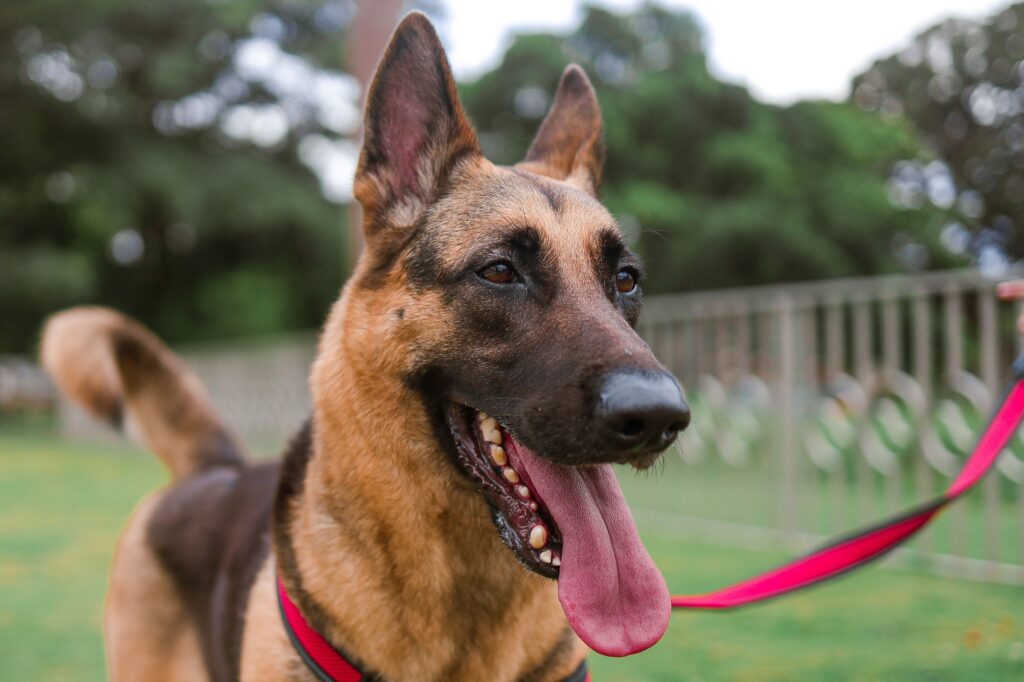
Leash training a German Shepherd is a rewarding but ongoing journey. By understanding their unique traits, avoiding common mistakes, and using advanced techniques, you can cultivate a well-behaved and happy companion.
Key Takeaways:
- Use positive reinforcement and consistent training techniques.
- Invest in high-quality equipment tailored to your dog’s needs.
- Gradually increase the difficulty of training to match your dog’s progress.
- Celebrate small victories and remember that patience is key.
For more information, visit these helpful resources:
- American Kennel Club
- Petfinder Training Resources
- Association of Professional Dog Trainers
Enjoy the journey of building trust and communication with your German Shepherd through leash training. Your efforts will be rewarded with years of joyful, stress-free walks.
Frequently Asked Questions
A: Stop walking the second the leash goes tight. Become a statue. Only take a step forward when they look back and let the leash go slack. They will quickly learn that pulling gets them nowhere.
A: Use a front-clip harness or a martingale collar. A front-clip harness turns their body when they pull, giving you control. Avoid retractable leashes—they teach dogs to pull.
A: Start immediately at 8 weeks old. Introduce the collar and leash indoors in a fun, positive way using treats. Getting them comfortable inside makes outdoor walks much easier.
nn

n
nn
Frequently Asked Questions
Q: How do I stop my German Shepherd from pulling on the leash?
A: Stop walking the second the leash goes tight. Become a statue. Only take a step forward when they look back and let the leash go slack. They will quickly learn that pulling gets them nowhere.
Q: What is the best collar or harness to train a German Shepherd?
A: Use a front-clip harness or a martingale collar. A front-clip harness turns their body when they pull, giving you control. Avoid retractable leashes—they teach dogs to pull.
Q: When should I start leash training my German Shepherd puppy?
A: Start immediately at 8 weeks old. Introduce the collar and leash indoors in a fun, positive way using treats. Getting them comfortable inside makes outdoor walks much easier.
{
“@context”: “https://schema.org”,
“@graph”: [
{
“@type”: “Article”,
“@id”: “https://howdyfox.com/german-shepherd-leash-training-a-comprehensive-guide/#article”,
“isPartOf”: {
“@id”: “https://howdyfox.com/german-shepherd-leash-training-a-comprehensive-guide/#webpage”
},
“author”: {
“@type”: “Person”,
“name”: “Howdy Fox Team”,
“@id”: “https://howdyfox.com/#/schema/person/d4c3dbeec9b0241899cf7dcaf279ad71”
},
“headline”: “German Shepherd Leash Training: A Complete Guide”,
“datePublished”: “2025-01-16T05:43:21+00:00”,
“dateModified”: “2026-07-11T13:44:27+00:00”,
“mainEntityOfPage”: {
“@id”: “https://howdyfox.com/german-shepherd-leash-training-a-comprehensive-guide/#webpage”
},
“publisher”: {
“@id”: “https://howdyfox.com/#organization”
},
“description”: “German Shepherd Leash Training: A Complete Guide”,
“articleSection”: “Pet Care”,
“inLanguage”: “en-US”
},
{
“@type”: “WebPage”,
“@id”: “https://howdyfox.com/german-shepherd-leash-training-a-comprehensive-guide/#webpage”,
“url”: “https://howdyfox.com/german-shepherd-leash-training-a-comprehensive-guide/”,
“name”: “German Shepherd Leash Training: A Complete Guide”,
“isPartOf”: {
“@id”: “https://howdyfox.com/#website”
},
“datePublished”: “2025-01-16T05:43:21+00:00”,
“dateModified”: “2026-07-11T13:44:27+00:00”,
“description”: “German Shepherd Leash Training: A Complete Guide”,
“inLanguage”: “en-US”,
“potentialAction”: [
{
“@type”: “ReadAction”,
“target”: [
“https://howdyfox.com/german-shepherd-leash-training-a-comprehensive-guide/”
]
}
]
},
{
“@type”: “FAQPage”,
“@id”: “https://howdyfox.com/german-shepherd-leash-training-a-comprehensive-guide/#faq”,
“isPartOf”: {
“@id”: “https://howdyfox.com/german-shepherd-leash-training-a-comprehensive-guide/#webpage”
},
“mainEntity”: [
{
“@type”: “Question”,
“name”: “How do I stop my German Shepherd from pulling on the leash?”,
“acceptedAnswer”: {
“@type”: “Answer”,
“text”: “Stop walking the second the leash goes tight. Become a statue. Only take a step forward when they look back and let the leash go slack. They will quickly learn that pulling gets them nowhere.”
}
},
{
“@type”: “Question”,
“name”: “What is the best collar or harness to train a German Shepherd?”,
“acceptedAnswer”: {
“@type”: “Answer”,
“text”: “Use a front-clip harness or a martingale collar. A front-clip harness turns their body when they pull, giving you control. Avoid retractable leashesu2014they teach dogs to pull.”
}
},
{
“@type”: “Question”,
“name”: “When should I start leash training my German Shepherd puppy?”,
“acceptedAnswer”: {
“@type”: “Answer”,
“text”: “Start immediately at 8 weeks old. Introduce the collar and leash indoors in a fun, positive way using treats. Getting them comfortable inside makes outdoor walks much easier.”
}
}
]
}
]
}
📊 Interactive Pet Health & Care Calculators
Plan your pet’s healthcare and daily budget with our free interactive tools:
🐾 Related Resources & Interactive Tools in This Guide:
- Interactive Calculator: Puppy Growth & Target Adult Weight Calculator — Estimate your puppy target adult size and milestone weight trajectory.
- Clinical Resource: How to Stop Destructive Dog Behavior
- Behavior & Training Guide: Puppy Socialization: Building Confidence and Friendships
- Related Expert Guide: Paws and Claws: Comprehensive Pet Paw Care for Your Beloved Pets
Growth & Immunization Tracking: To predict your puppy’s adult weight based on current breed trajectory, use our interactive Puppy Growth Calculator. For core vaccine timelines and veterinary cost planning, refer to the Puppy Vaccination Schedule Tool.
📚 Related Topic Cluster Guides & Veterinary Tools
Explore our complete Pet Behavior & Training Hub for comprehensive guides, veterinary diagnostic checklists, and daily care protocols.
- Puppy Training 101: A Complete Guide
- Cat Obedience Training: A Guide to a Well-Behaved Feline
- How to Stop 10 Common Bad Dog Habits: Complete Training Guide for Pet Parents
- Pet Swimming Classes: The Complete Guide to Safe Water Training for Dogs in 2026
- Interactive Tool: Pet Age to Human Years Conversion Calculator