⚕️ Veterinary Data & Research Notice: The information and calculator data provided in this article are aggregated from peer-reviewed veterinary literature, including the Merck Veterinary Manual and AVMA guidelines. This content is for educational and informational purposes only and is not a substitute for professional veterinary advice, diagnosis, or treatment. Always consult with a licensed veterinarian before administering any medication or altering your pet’s health regimen.
When people hear the term puppy socialization, they usually imagine taking their eight-week-old puppy to a crowded park and letting dozens of strangers pass them around. That isn’t socialization; that is sensory overload. It is how you accidentally wire a dog’s brain for fear and reactivity.
True puppy socialization is the systematic, highly controlled process of teaching your dog how to interpret the world. It isn’t about forcing interactions. It is about teaching them to remain neutral, calm, and optimistic when faced with novel stimuli. Between the ages of 3 and 16 weeks, a puppy’s brain is a sponge, permanently categorizing every experience as either “safe” or “dangerous.” If you miss this critical window because you are waiting for their final vaccines, you risk raising a dog who spends their entire adult life terrified of garbage trucks, tall men, or other dogs.
Knowing exactly how to socialize a puppy before vaccines—safely and scientifically—is the most important skill a dog owner can develop. This guide breaks down the behavioral science, the medical protocols, and the exact steps you need to build bulletproof confidence in your dog.
🛑 STOP: Call Your Vet First If You See:
- Severe lethargy, unwillingness to play, or refusal to eat after an outing
- Vomiting or persistent diarrhea (especially if it is foul-smelling or contains blood)
- Extreme panic responses (involuntary urination, uncontrollable thrashing)
- Any symptom that’s severe, sudden, or worsening
This article is educational—not a replacement for veterinary care.
Unvaccinated puppies are highly susceptible to parvovirus, which can be fatal within days. When unsure about a physical symptom, call your vet immediately. They would rather hear from you early than see your pet in crisis.For behavioral guidance and safe exposure methods, keep reading.
Table of contents
- The Science of Neurological Development
- How to Socialize a Puppy Before Vaccines
- Creating Your Master Puppy Socialization Checklist
- Introducing a Puppy to Other Dogs
- Building Puppy Confidence Through Choice
- Troubleshooting Setbacks: Socializing a Nervous Puppy
- When to Call Your Vet About Puppy Socialization
- Next Steps for Behavioral Growth
- Frequently Asked Questions About Puppy Socialization
The Science of Neurological Development
Puppy Socialization: Care & Wellness Guide
Providing optimal care for puppy socialization relies on creating a safe home environment, establishing predictable daily routines, and supporting natural instincts. Balanced nutrition, engaging physical activity, and regular preventative checkups ensure long-term health and vitality.
Plan Safe Socialization Around Vaccine Milestones
Balancing early socialization with parvo and distemper protection is critical during the first 16 weeks. Check your dog’s immunity timeline with our interactive puppy vaccination schedule calculator before introducing park visits.
| Key Care Dimension | Recommended Standard | Primary Benefit | Management Best Practice |
|---|---|---|---|
| Preventative Veterinary Care | Annual or biannual clinical checkups | Early detection of underlying disease | Maintain up-to-date vaccine and wellness records |
| Species-Appropriate Diet | Formulated to life stage and activity level | Optimal muscle tone and metabolic balance | Measure exact daily feeding portions consistently |
| Environmental Enrichment | Daily mental exercise and physical activity | Prevents boredom and destructive behaviors | Rotate interactive toys and training games weekly |
| Emergency Preparedness | Dedicated pet emergency fund or insurance policy | Guarantees immediate medical care access | Keep 24-hour ER clinic contact readily accessible |
To succeed at puppy socialization, you need to understand what is actually happening inside your dog’s central nervous system.
The Critical Window
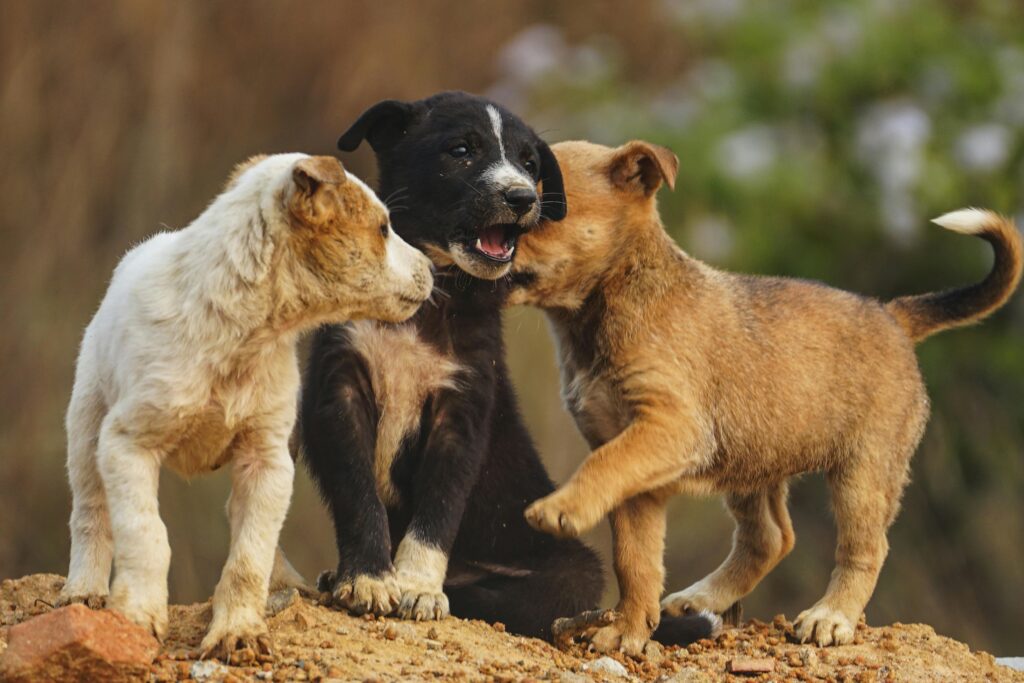
The American Veterinary Medical Association and the American Veterinary Society of Animal Behavior both emphasize that the primary socialization window begins to close around 14 to 16 weeks of age. During this brief period, puppies are naturally curious and eager to approach new things. Their brains are actively building neural pathways that will dictate their adult temperament.
After 16 weeks, their biological software shifts. As a survival mechanism inherited from wolves, their brains stop accepting new things as “probably fine” and start viewing novel stimuli with deep suspicion. If a dog has never seen a person wearing a bulky winter coat by the time they are four months old, they are highly likely to view winter coats as a predator threat for the rest of their life.
Why Behavioral Health Is a Life-or-Death Issue
Many owners keep their puppies entirely isolated indoors until they are 16 weeks old because they are terrified of parvovirus. The threat of infectious disease is absolutely real, but isolation carries its own fatal risks.
According to the AVSAB, behavioral issues—not infectious diseases—are the number one cause of death for dogs under three years of age. Dogs that are poorly socialized develop severe fear-based aggression, severe separation anxiety, and leash reactivity. When building puppy confidence is ignored, the resulting behavioral damage often leads to surrender to a shelter or behavioral euthanasia. The goal is to balance the medical risk with the behavioral necessity.
How to Socialize a Puppy Before Vaccines
You can expose your puppy’s brain to the world without ever putting their physical paws on contaminated public ground. The secret to how to socialize a puppy before vaccines is environmental management.
The Safe Observation Method
Your puppy does not need to physically touch a skateboard to learn that skateboards are safe. They just need to see it, hear it, and experience a positive outcome.
- Use a physical barrier: Place your puppy in a specialized pet sling, a structured tote bag, or a fully enclosed pet stroller.
- Control the environment: Take them to a busy outdoor cafe, a hardware store parking lot, or sit on a bench near a schoolyard.
- The payout: As they watch cars pass, listen to sirens, and smell different people, feed them tiny, high-value treats continuously.
- Zero ground contact: Their paws never touch the public concrete, meaning their risk of contracting ground-borne illnesses like parvovirus or distemper is virtually zero.
Navigating Pet-Friendly Stores
You can take an unvaccinated puppy into pet-friendly hardware stores if you carry them or place a thick, sanitized blanket in the bottom of a shopping cart. Do not put them in a pet store cart; sick dogs frequent pet stores, making them high-risk environments.
As you wheel them down the aisles, they are exposed to the echoing sounds of forklifts, the smell of lumber, and the sight of people wearing heavy work boots. If they look curious and relaxed, feed them. If they cower, move further away from the noise.
Creating Your Master Puppy Socialization Checklist
A structured puppy socialization checklist prevents you from overwhelming them. If you expose them to a vacuum cleaner, a crying baby, and a large dog all in one day, they will hit sensory overload and shut down. You need a systematic approach.
Veterinary behaviorists recommend exposing your puppy to a massive variety of categories. Your puppy socialization checklist should include structured, brief exposures to the following over their first two months home.
Category 1: Surfaces and Textures
Dogs have highly sensitive paw pads. If they only ever walk on carpet and grass, a metal subway grate or a slippery tile floor will terrify them later.
- Walking on bubble wrap or crumpled cardboard boxes
- Wet grass (in your private, sanitized yard only)
- Linoleum, hardwood, and slippery tiles
- Raised surfaces like low grooming tables
Category 2: Sounds
Sudden noises trigger the startle response. We want to teach them that loud noises are boring.
- Audio tracks of thunderstorms and fireworks, played at very low volume initially and slowly increased over weeks
- Hair dryers and vacuum cleaners turned on in another room first
- Dropping a ring of metal keys on the floor
- The loud beep of a microwave or smoke detector battery
Category 3: Novel Sights and Objects
Dogs don’t understand that a human with a beard is the same species as a human in a wheelchair. They have to be taught.
- Umbrellas opening suddenly
- People wearing large hats, sunglasses, or bulky hoods
- Bicycles, skateboards, and wheelchairs
- Plastic trash bags blowing in the wind
Category 4: Physical Handling
This is crucial for future veterinary visits. A dog that fights being touched is dangerous to treat.
- Touching inside their ears
- Opening their mouth and rubbing their gums
- Squeezing their paws and tapping their nails with a metal spoon to simulate nail clippers
- Gently restraining them in a “hug” hold to simulate a vet tech drawing blood
💡 Howdy Note: When executing your puppy socialization checklist, the rule is “Quality over Quantity.” Five minutes of positive exposure where the puppy remains happy is infinitely better than twenty minutes where the puppy is stressed and panting.
Introducing a Puppy to Other Dogs
Dog parks are strictly off-limits. They are petri dishes for disease and are filled with poorly trained, overly aroused adult dogs. One bad physical experience where your puppy is trampled or bitten by a large dog can create a lifetime of severe leash reactivity.
The Rules for Safe Introductions
When introducing a puppy to other dogs, you must control all the variables.
- The Partner Dog: Choose a behaviorally stable, fully vaccinated adult dog owned by a friend or family member you trust.
- The Environment: Use a private, fenced backyard where you know no sick dogs have eliminated.
- The Interaction: Let them interact off-leash for short, five-minute bursts.
The Value of Adult Corrections
An appropriate adult dog is the best teacher your puppy will ever have. When introducing a puppy to other dogs, the puppy will inevitably bite too hard with their needle-sharp teeth. A good adult dog will give a quick, loud bark or a brief growl to say, “That hurts, back off.”
This teaches the puppy crucial bite inhibition. If the puppy immediately backs away and softens their play, the adult dog did their job. However, if the adult dog pins the puppy aggressively, or if the puppy tries to hide behind your legs, separate them immediately.
Enrolling in Puppy Kindergarten
Once your puppy has started their vaccination series, usually their first round of shots at 8 weeks, they can attend a structured puppy class. High-quality training facilities require proof of vaccination from all attendees and sanitize their floors with veterinary-grade cleaners. These classes provide safe, off-leash play with other puppies under the watchful eye of a professional trainer who can interrupt bullying before it causes trauma.
Building Puppy Confidence Through Choice
The core mechanic of building puppy confidence is giving them agency. If you drag a terrified puppy toward a terrifying object, you validate their fear.
The Threshold Concept
Every dog has a “threshold”—the physical distance at which they can observe a scary trigger without panicking. If your puppy barks frantically at a garbage can or tries to pull backward on the leash, you have crossed their threshold.
When building puppy confidence, you work right on the edge of that boundary. If they are scared of a statue at the park, stop 20 feet away. Let them look at it. Feed them high-value chicken. If they take one step toward it, feed them again. If they want to retreat, let them retreat. By never forcing the interaction, you teach them that they are in control of their safety.
Creating Optimism
You want to build an optimistic outlook toward novelty. When they encounter something strange, you want their default emotional response to be curiosity, not defense.
You do this by throwing “parties” for bravery. If a loud truck drives by and your puppy flinches but recovers quickly, immediately drop five treats on the ground and speak in a happy, high-pitched tone. You are showing them that the scary noise actually just triggered a jackpot of food.
Troubleshooting Setbacks: Socializing a Nervous Puppy
Progress is never a straight line. Many owners panic when their confident 10-week-old puppy suddenly becomes terrified of a trash can they have walked past a dozen times.
Understanding Fear Impact Periods
Puppies go through developmental “fear impact periods.” The first usually occurs around 8 to 11 weeks of age, and a second, more intense period occurs during adolescence, around 6 to 14 months. During these windows, a puppy’s brain becomes hyper-sensitive to threats. A single scary event during a fear impact period can cause permanent trauma.
Tactics for Socializing a Nervous Puppy
The key to socializing a nervous puppy during a fear period is protecting them from overwhelming experiences.
What to do if they panic:
- Create distance: Immediately walk away from the trigger until they stop panting and will accept a food reward.
- Do not coddle the fear: If you pick them up and frantically say, “It’s okay, poor baby,” in a worried tone, dogs read human emotions and assume your anxiety means the threat is real.
- Be a confident leader: Keep your body language relaxed, speak in a cheerful tone, and cheerfully guide them away from the situation.
- Wait them out: Sometimes, socializing a nervous puppy just requires patience. Sit down on the ground a safe distance away and let them process the scary object for ten minutes without pressure.
When to Call Your Vet About Puppy Socialization
While behavioral fear is a normal part of development, intense physical panic or signs of infectious illness require immediate medical escalation. Because puppies have immature immune systems, they decline incredibly fast.
🚨 Emergency Vet NOW (Don’t Wait)
- Gastrointestinal Distress: Vomiting or diarrhea, especially if it is bloody or foul-smelling, within three to seven days of an outing
- Lethargy: Complete loss of appetite, refusal to drink water, or inability to stand
- Neurological Signs: Tremors, seizures, or sudden loss of coordination
Puppies dehydrate and decline from parvovirus in a matter of hours. Call ahead while heading to the emergency clinic. Time is critical.
⏰ Call Your Vet Within 24 Hours
- Involuntary Voiding: They urinate or defecate in sheer terror when encountering new stimuli, which indicates a level of panic that requires professional behavioral intervention
- Behavioral Shutdown: The puppy refuses to move, eat, or engage for 12+ hours after a stressful training session
- Coughing or Nasal Discharge: This can indicate kennel cough or other respiratory infections contracted during exposure
Schedule a same-day appointment. Your vet needs to rule out underlying pain or discuss early behavioral modification strategies.
👀 Monitor at Home (But Stay Alert)
- Minor hesitation or brief barking at unfamiliar objects
- Tiring quickly after a short 15-minute exposure session in a stroller
- Soft, loose stool that resolves within one bathroom trip, often caused by the excitement of high-value training treats
If symptoms worsen, change, or don’t improve within 24 hours, move up to the urgent category.
Next Steps for Behavioral Growth
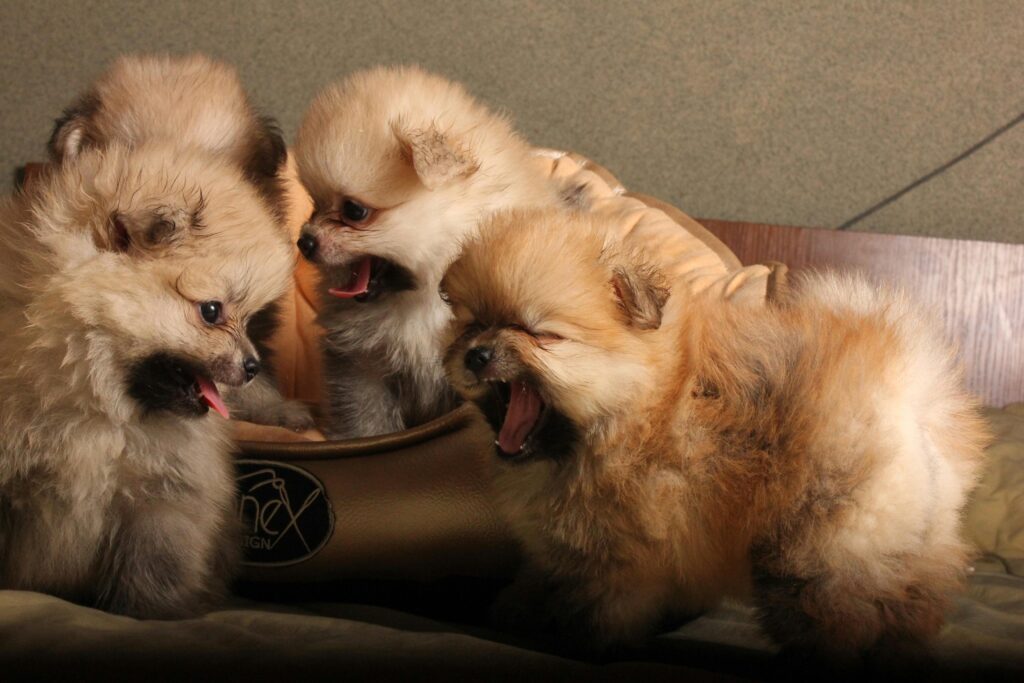
Consistency matters more than perfection. Your immediate next step in puppy socialization is to map out three safe observation trips for this week.
Grab a heavy, washable blanket, carry your puppy to a park bench, and just sit together for ten minutes. Let them watch the world happen. Reward them for quiet observation. By managing their environment and protecting their threshold for fear, you are setting the foundation for a stable, confident adult dog who can navigate human society without stress.
Frequently Asked Questions About Puppy Socialization
The critical window for puppy socialization begins with the breeder at 3 weeks and largely closes around 16 weeks of age. This is when the brain is most elastic. Socialization must continue throughout their life, but this early window dictates their baseline temperament.
Yes. The AVSAB explicitly states that the risk of behavioral death, meaning euthanasia due to severe aggression or fear, vastly outweighs the risk of infectious disease, provided socialization is handled safely. Keep them off public grounds, avoid unknown dogs, and use strollers or slings for observation.
Arrange one-on-one playdates in private, sanitized yards with healthy, fully vaccinated adult dogs owned by people you trust. Avoid highly energetic or reactive dogs who might trample or scare the puppy.
Socialization is preventative, not a cure. If your puppy is already showing genuine aggression, such as severe resource guarding or hard biting that breaks the skin, standard exposure will likely escalate the behavior. You need to consult a certified veterinary behaviorist immediately to develop a counter-conditioning protocol.
Absolutely. We tend to naturally expose puppies only to things in our daily routine. A structured puppy socialization checklist forces you to purposefully seek out different floor textures, sudden noises, and unusual physical handling, ensuring no developmental gaps are left behind.
🐾 Related Resources & Interactive Tools in This Guide:
- Interactive Calculator: Puppy Growth & Target Adult Weight Calculator — Estimate your puppy target adult size and milestone weight trajectory.
- Clinical Resource: First Week With a Golden Retriever Puppy: The Complete Training and Nurturing Guide 2026
- Behavior & Training Guide: How to Firm Up Puppy Poop Quickly: The Complete Puppy Diarrhea Management Handbook 2026
- Related Expert Guide: Best Low Maintenance Family Dogs 2026: The Complete Breed Selection Guide
Growth & Immunization Tracking: To predict your puppy’s adult weight based on current breed trajectory, use our interactive Puppy Growth Calculator. For core vaccine timelines and veterinary cost planning, refer to the Puppy Vaccination Schedule Tool.
Peer-Reviewed Veterinary & Clinical Sources
- American Veterinary Society of Animal Behavior (AVSAB). Position Statement on Puppy Socialization: The Sensitive Critical Period (3 to 14 Weeks). American Veterinary Society of Animal Behavior (AVSAB) Reference.
- American Animal Hospital Association (AAHA). 2019 AAHA Canine Life Stage Guidelines: Pediatric Behavioral Socialization & Fear Imprinting. American Animal Hospital Association (AAHA) Reference.
- World Small Animal Veterinary Association (WSAVA). WSAVA Vaccination Guidelines: Safe Socialization in Low-Risk Controlled Environments. World Small Animal Veterinary Association (WSAVA) Reference.
📚 Related Topic Cluster Guides & Veterinary Tools
Explore our complete Pet Behavior & Training Hub for comprehensive guides, veterinary diagnostic checklists, and daily care protocols.
- Pug Power: 12 Fun and Easy Indoor Games to Unleash Your Pug’s
- First Week With a Golden Retriever Puppy: The Complete Training and Nurturing Guide 2026
- Puppy Bite Inhibition Training: The Complete Guide to Teaching Gentle Play and Stopping the Bite
- What Is Clicker Training, and Why Does It Actually Work?
- Interactive Tool: Puppy Growth & Weight Predictor Calculator