
The information and calculator data provided in this article are aggregated from peer-reviewed veterinary literature, including the Merck Veterinary Manual and AVMA guidelines. This content is for educational and informational purposes only and is not a substitute for professional veterinary advice, diagnosis, or treatment. Always consult with a licensed veterinarian before administering any medication or altering your pet’s health regimen.
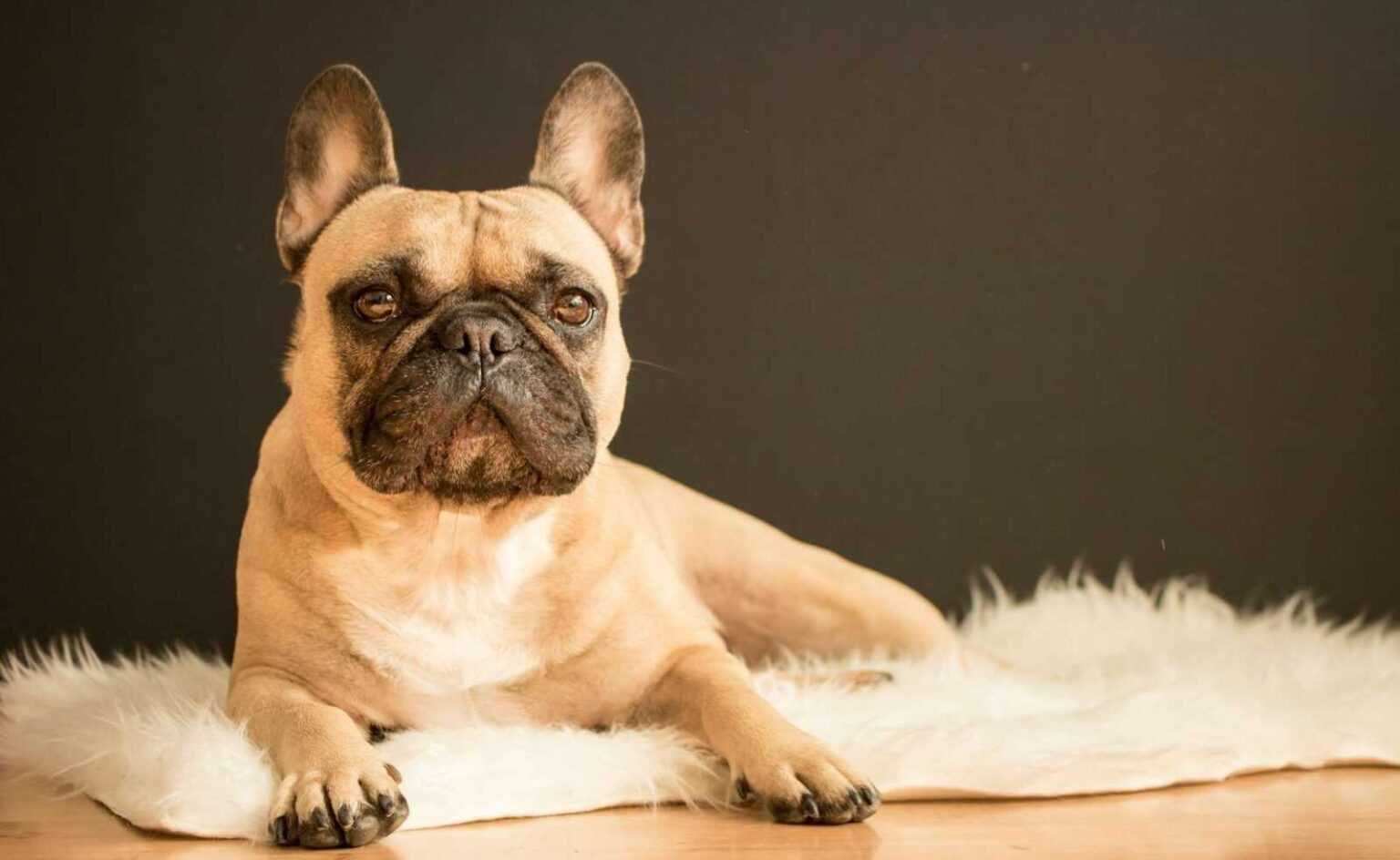
How to prevent French Bulldog breathing problems is the central health management question for every French Bulldog owner, because the anatomical features that define the breed’s iconic appearance, the flat face, the wide head, the compact nasal structure, are inseparable from the respiratory compromise that makes French Bulldogs statistically the most veterinarian-visited breed in multiple countries. Understanding how to prevent French Bulldog breathing problems is not about reversing the breed’s fundamental anatomy; it is about managing the specific environmental, lifestyle, weight, and surgical factors that determine how severely that anatomy affects your individual dog’s quality of life, respiratory function, and longevity.
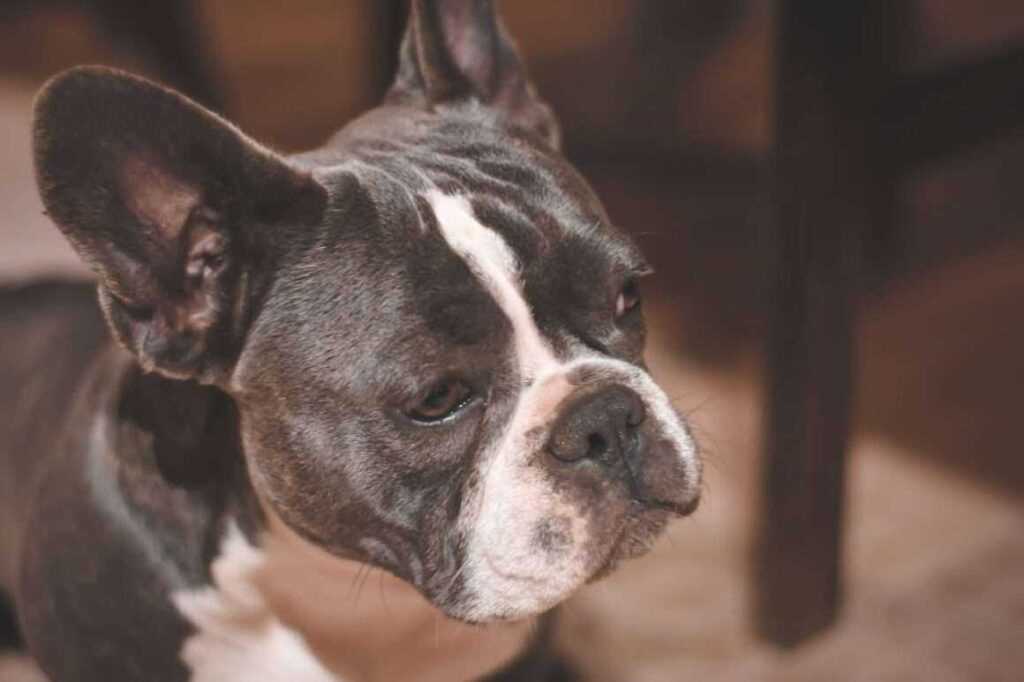
PetMD’s French Bulldog breed health profile identifies the French Bulldog as a Brachycephalic breed, meaning they have a broad, short skull that gives them their flat-faced appearance. This conformation predisposes them to Brachycephalic Obstructive Airway Syndrome (BOAS), a collection of anatomical abnormalities including stenotic nares (narrowed nostrils), elongated soft palate, and hypoplastic trachea that collectively restrict airflow and produce the characteristic snoring, snuffling, and exercise intolerance that French Bulldog owners recognize as the breed’s baseline respiratory signature.
The American Kennel Club’s French Bulldog health page confirms that while breathing issues are the primary health concern, the French Bulldog’s health profile extends to spinal problems, skin fold infections, severe allergies, heat sensitivity, and eye conditions that together require the most proactive and informed ownership approach of virtually any breed. This guide covers the complete French Bulldog health picture, with specific actionable protocols for every major health category.
How to Prevent French Bulldog Breathing Problems: Understanding BOAS
Crested Gecko Care for Beginners: Care & Wellness Guide
Providing optimal care for crested gecko care for beginners centers on meeting daily biological needs, providing mental enrichment, and maintaining regular veterinary checkups. Balanced nutrition, engaging physical activity, and regular preventative checkups ensure long-term health and vitality.
| Key Care Dimension | Recommended Standard | Primary Benefit | Management Best Practice |
|---|---|---|---|
| Preventative Veterinary Care | Annual or biannual clinical checkups | Early detection of underlying disease | Maintain up-to-date vaccine and wellness records |
| Species-Appropriate Diet | Formulated to life stage and activity level | Optimal muscle tone and metabolic balance | Measure exact daily feeding portions consistently |
| Environmental Enrichment | Daily mental exercise and physical activity | Prevents boredom and destructive behaviors | Rotate interactive toys and training games weekly |
| Emergency Preparedness | Dedicated pet emergency fund or insurance policy | Guarantees immediate medical care access | Keep 24-hour ER clinic contact readily accessible |
The Anatomy Behind How to Prevent French Bulldog Breathing Problems
How to prevent French Bulldog breathing problems requires understanding precisely which anatomical features are producing the respiratory compromise, because different features require different management and intervention approaches. VCA Animal Hospitals’ BOAS specialist guide identifies four primary anatomical components of BOAS in French Bulldogs:
- Stenotic nares: Abnormally narrow nostrils that restrict the primary air intake point. Visible as nostrils that appear to close or collapse inward during inhalation. Surgical correction (nares resection) is among the most impactful single interventions available and is ideally performed at the time of spay or neuter to avoid a second anesthetic event
- Elongated soft palate: The soft tissue at the rear of the mouth roof extends beyond its ideal length, partially obstructing the airway entrance to the larynx. Produces the loud snoring and stertor characteristic of the breed. Correctable through surgical trimming (staphylectomy)
- Hypoplastic trachea: An underdeveloped, abnormally narrow trachea that reduces total airflow volume regardless of how well the nares and palate are managed. This component is not surgically correctable and makes weight management, exercise limitation, and heat avoidance even more critical for affected dogs
- Everted laryngeal saccules: Pouches within the larynx that turn outward in response to chronic increased breathing effort, further narrowing the airway. A secondary development in dogs whose primary BOAS components were not addressed early
Environmental and Lifestyle Factors in How to Prevent French Bulldog Breathing Problems
How to prevent French Bulldog breathing problems from worsening involves controlling the environmental and lifestyle variables that increase respiratory demand beyond the anatomical baseline. PetMD’s French Bulldog care management guide identifies the following as the most impactful controllable factors:
- Weight management: Obesity is the most significant preventable worsening factor for BOAS. Excess fat deposits in the throat and around the trachea physically reduce the already-compromised airway diameter. The AKC’s French Bulldog weight guidance confirms that French Bulldogs should ideally weigh between 20 and 28 pounds; even 5 pounds of excess weight produces measurable respiratory deterioration
- Temperature and humidity control: French Bulldogs are profoundly heat-sensitive due to their inability to cool themselves through efficient panting. Air conditioning is not a luxury for French Bulldog owners; it is a medical necessity during warm months
- Exercise intensity and duration: Short, low-intensity walks in cool conditions represent the safe exercise envelope for most French Bulldogs. Exercise should be scheduled for early morning or evening hours during warmer months and discontinued immediately at any sign of labored breathing
- Harness rather than collar: VCA Animal Hospitals’ equipment recommendation confirms that all leash pressure should be applied via a harness that distributes force across the chest and shoulders rather than a collar that applies direct pressure to the already-compromised trachea
Signs of Overheating in French Bulldogs: The Emergency You Must Recognize
Identifying Signs of Overheating in French Bulldogs Before They Become Critical
Signs of overheating in French Bulldogs progress from mild to life-threatening faster than in any other common breed, because the anatomical respiratory restrictions that prevent adequate panting-based cooling create a physiological vulnerability to heat stroke that has no equivalent in normal-nosed breeds. VCA Animal Hospitals’ heat stroke in dogs specialist guide identifies the French Bulldog as among the highest heat stroke risk breeds and confirms that heat stroke can develop within minutes in vulnerable individuals in warm conditions.
Signs of overheating in French Bulldogs by severity tier:
Early warning signs (immediate shade, water, and rest required):
- Excessive or louder-than-usual panting
- Drooling more heavily than baseline
- Seeking cool surfaces aggressively (lying directly on tile or concrete)
- Slowing pace or stopping during walks
- Bright red gums and tongue
Moderate signs (active cooling and veterinary contact required):
- Rapid, shallow breathing that does not slow with rest
- Visible distress or panic behavior
- Weakness or stumbling
- Reduced responsiveness to commands
- Thick, rope-like saliva
Emergency signs (immediate emergency veterinary care required):
- Blue, grey, or white gum color (indicates oxygen deprivation)
- Collapse or inability to stand
- Vomiting or diarrhea alongside the above
- Loss of consciousness
- Seizures
Active cooling protocol for signs of overheating in French Bulldogs:
VCA Animal Hospitals’ emergency cooling protocol identifies the correct first aid sequence: move the dog immediately to air conditioning or full shade, apply cool (not cold or iced) water to the paw pads, inner thighs, and neck, offer small amounts of cool water if the dog is conscious and able to swallow, and transport to an emergency veterinary clinic immediately regardless of apparent improvement. Do not apply ice or ice water, which causes peripheral vasoconstriction that traps heat in the body’s core.
How to Clean French Bulldog Face Folds: The Daily Maintenance Protocol
The Complete Guide to How to Clean French Bulldog Face Folds
How to clean French Bulldog face folds is the highest-frequency maintenance task in French Bulldog ownership and the one that most directly determines whether the skin fold infections (skin fold dermatitis, also called intertrigo) that are endemic in the breed remain superficial and manageable or develop into deep, painful, chronically infected lesions requiring veterinary treatment.
PetMD’s skin fold dermatitis management guide identifies the warm, moist, enclosed environment within skin folds as the ideal incubation environment for both bacterial (Staphylococcus, Pseudomonas) and yeast (Malassezia) overgrowth. The folds trap moisture, dead skin cells, food debris, and environmental particles in a dark environment with no airflow, producing the malodorous brown or black discharge that indicates active infection if not managed through consistent daily cleaning.
How to clean French Bulldog face folds: complete protocol:
The AKC’s French Bulldog grooming guide and VCA Animal Hospitals’ skin fold care protocol together provide the following evidence-based how to clean French Bulldog face folds routine:
- Frequency: Clean all face folds and the tail pocket (the skin fold above the tail base) daily during hot or humid weather; minimum every other day year-round. Increase to twice daily if any redness, odor, or discharge is present
- Cleaning agent: Use a veterinarian-approved canine skin fold cleaning wipe or a cotton ball dampened with a 50/50 dilution of chlorhexidine solution and water. Never use human facial wipes containing alcohol, fragrance, or witch hazel, which disrupt the skin barrier and worsen irritation
- Technique: Gently open each fold with one hand and wipe the interior skin surface from the deepest point outward with the dampened cotton ball or wipe. Use a separate clean cotton ball for each fold to prevent cross-contamination between folds
- Dry thoroughly: The most critical step in how to clean French Bulldog face folds and the most commonly omitted: after cleaning, gently dry the interior of each fold completely using a dry cotton ball or soft cloth. Leaving moisture within a fold after cleaning negates the benefit of the cleaning entirely, as the residual moisture creates the same incubation environment that causes the infection in the first place
- Application of barrier product (optional, veterinarian-recommended): After cleaning and drying, a thin application of veterinarian-approved zinc oxide-free barrier cream, coconut oil, or prescription barrier ointment can reduce friction and moisture retention in folds that are prone to recurring infection
When how to clean French Bulldog face folds is not enough:
Signs that a fold infection requires veterinary treatment rather than home management include: visible redness that does not improve within 48 hours of consistent cleaning; green or yellow discharge; the dog scratching, rubbing, or pawing at its face persistently; a strong malodorous smell despite daily cleaning; and visible skin thickening or browning (hyperpigmentation) within the fold.
French Bulldog IVDD Prevention Tips: Protecting the Spine
Understanding and Applying French Bulldog IVDD Prevention Tips
French Bulldog IVDD prevention tips address one of the most serious and most financially devastating health conditions in the breed: Intervertebral Disc Disease (IVDD), a spinal condition in which the cushioning discs between vertebrae degenerate, herniate, or rupture, compressing the spinal cord and producing symptoms ranging from neck or back pain to complete rear limb paralysis.
VCA Animal Hospitals’ IVDD in dogs specialist guide identifies French Bulldogs, alongside Dachshunds and Basset Hounds, as among the highest-risk breeds for IVDD due to their chondrodystrophic genetics, which produce the characteristic compact body type but simultaneously cause the intervertebral discs to calcify and lose shock-absorbing capacity earlier and more completely than in non-chondrodystrophic breeds.
Complete French Bulldog IVDD prevention tips:
- Ramp or step access to all elevated surfaces: The single most important structural modification for IVDD prevention. Jumping down from furniture, beds, and car seats generates spinal compression forces that accelerate disc degeneration in predisposed individuals. PetMD’s IVDD risk management guidance specifically identifies repetitive jumping impact as the most controllable environmental IVDD risk factor. Install pet ramps or steps at every elevated surface the French Bulldog accesses regularly
- Weight management: Excess body weight increases the compressive load on intervertebral discs with every step. The weight management protocol that supports respiratory health in how to prevent French Bulldog breathing problems delivers equal benefit to spinal health
- Harness use for leash walking: Collar-induced neck extension and traction places direct compressive force on the cervical (neck) vertebrae, accelerating cervical disc disease in predisposed dogs. A well-fitted front-clip or back-clip harness eliminates this risk entirely
- Avoid high-impact play: Rough play involving jumping, crashing into objects, and rapid directional changes generates spinal loading beyond what the French Bulldog’s disc architecture is designed to tolerate. Structured, moderate-intensity play on soft surfaces is preferred over uncontrolled high-energy sessions
- Core strengthening through controlled exercise: Low-impact balance and proprioception exercises (balance disc work, cavaletti pole walking, gentle hill walking) strengthen the paraspinal muscles that support and protect the disc spaces. Canine physiotherapy practitioners can provide a breed-specific core strengthening program if an existing disc condition or high genetic risk makes a structured protocol appropriate
- Regular veterinary spinal assessments: For French Bulldogs over 3 years of age, an annual neurological assessment including spinal palpation identifies early pain responses that indicate early disc disease before acute herniation occurs
IVDD emergency recognition:
VCA Animal Hospitals’ IVDD emergency signs identifies the following as requiring same-day emergency veterinary care: sudden onset of neck or back pain (expressed as yelping when touched, reluctance to move, or assuming a hunched posture), knuckling or dragging of rear paws, inability to stand, or any loss of bladder or bowel control. Time from acute disc herniation to treatment is the single most significant determinant of neurological recovery; every hour of delay increases the risk of permanent paralysis.
Best Dog Food for French Bulldog Allergies 2026: Nutrition as Foundation
Selecting the Best Dog Food for French Bulldog Allergies 2026
The best dog food for French Bulldog allergies 2026 question is among the most practically consequential nutrition decisions in French Bulldog ownership because the breed has one of the highest documented allergy prevalence rates in the domestic dog population. PetMD’s French Bulldog health profile confirms that French Bulldogs are prone to skin conditions and allergies, which may require special diets.
French Bulldog allergies manifest most commonly as skin conditions (redness, chronic itching, recurrent hot spots, and paw licking), recurrent ear infections, and gastrointestinal symptoms (chronic loose stool, frequent gas, and vomiting). The most common food allergen triggers in French Bulldogs are chicken protein, beef protein, dairy, wheat, corn, and soy, although any food protein can theoretically produce an allergic response in a sensitized individual.
Best dog food for French Bulldog allergies 2026: top-rated options and criteria:
The AKC’s French Bulldog dietary guidance confirms that the ideal best dog food for French Bulldog allergies 2026 for allergy-affected dogs is a limited ingredient diet (LID) or a hydrolyzed protein diet that reduces the total number of potential antigenic proteins the immune system must evaluate:
- Royal Canin French Bulldog Breed-Specific Adult: The most widely veterinarian-recommended breed-specific formula in the French Bulldog category. Its tailor-made kibble shape is designed for the French Bulldog’s flat-faced jaw to encourage chewing rather than gulping, reducing the flatulence and regurgitation that accompany bolted eating. The formulation includes specific skin-supportive nutrients addressing the breed’s documented dermatological predispositions
- Hill’s Science Diet Sensitive Stomach and Skin: Contains prebiotic fiber for digestive microbiome support, omega-6 fatty acids and vitamin E for skin barrier maintenance, and highly digestible ingredients that reduce the gastrointestinal fermentation that produces the flatulence characteristic of the breed
- Purina Pro Plan Sensitive Skin and Stomach Salmon: Salmon as a single animal protein source with oatmeal provides a novel protein option for dogs whose allergies involve the more common chicken or beef triggers. Purina’s sensitive skin formula description identifies omega-6 fatty acids and zinc as the primary skin integrity nutrients in this formulation
- Natural Balance L.I.D. (Limited Ingredient Diet): For dogs undergoing an elimination diet trial to identify specific allergen triggers, a true single-protein, single-carbohydrate limited ingredient formula is required. Natural Balance L.I.D. Sweet Potato and Bison or Duck and Potato variants provide novel protein and carbohydrate combinations unlikely to be in the dog’s prior exposure history
Hydrolyzed protein diets (veterinary prescription):
For French Bulldogs with confirmed food allergies that do not respond to commercial LID options, veterinarian-prescribed hydrolyzed protein diets (Royal Canin Hydrolyzed Protein, Hill’s z/d) break proteins into fragments too small to trigger the IgE-mediated immune response that produces allergic symptoms. These are the gold standard for allergic French Bulldogs with confirmed food hypersensitivity and are available only through veterinary prescription.
Is Pet Insurance for French Bulldogs Worth It: The Complete Financial Analysis
The Honest Answer to Is Pet Insurance for French Bulldogs Worth It
Is pet insurance for French Bulldogs worth it is a financial question with a genuinely clear answer when the breed-specific health cost reality is understood: French Bulldogs are consistently ranked among the top three highest-cost breeds for lifetime veterinary expenditure in every actuarial analysis of canine health spending. The combination of BOAS surgery, potential IVDD treatment, allergy management, and routine health monitoring creates a cumulative veterinary cost burden that makes is pet insurance for French Bulldogs worth it one of the most financially consequential decisions a French Bulldog owner makes.
VCA Animal Hospitals’ BOAS surgical cost context identifies corrective airway surgery (nares resection combined with soft palate resection) as typically ranging from $1,500 to $4,000 depending on the severity of the abnormalities, the geographic location, and whether the procedure is performed as a stand-alone surgery or combined with spay or neuter. A single IVDD surgical intervention (hemilaminectomy) routinely costs between $3,000 and $8,000 plus post-operative rehabilitation costs. Emergency heat stroke treatment requiring hospitalization, intravenous fluids, and oxygen therapy typically generates bills between $1,500 and $5,000.
Is pet insurance for French Bulldogs worth it: the practical calculation:
| Potential Condition | Average Treatment Cost | Lifetime Risk in Frenchies |
|---|---|---|
| BOAS corrective surgery | $1,500 to $4,000 | Very high (estimated 60%+) |
| IVDD surgical intervention | $3,000 to $8,000 | Moderate (estimated 20 to 25%) |
| Heat stroke hospitalization | $1,500 to $5,000 | Moderate without management |
| Allergy management (annual) | $500 to $2,000/year | Very high (estimated 40%+) |
| Corneal ulcer treatment | $300 to $1,500 | Moderate |
| Skin fold infection treatment | $200 to $800 | High without daily maintenance |
What to look for in French Bulldog pet insurance:
The AKC’s pet insurance guidance for brachycephalic breeds identifies the critical policy clauses that determine whether a French Bulldog policy delivers genuine value: ensure the policy covers hereditary and congenital conditions (BOAS and IVDD are both considered hereditary, and many policies exclude these specifically for high-risk breeds), confirm the waiting period for orthopedic conditions does not exclude disc disease under a “musculoskeletal condition” exclusion category, and verify that the annual benefit limit is sufficient to cover a combined BOAS surgery and IVDD treatment in the same policy year.
Policies to specifically evaluate for French Bulldogs include Trupanion (known for covering hereditary conditions with no payout limit), Nationwide, and Embrace, all of which have published brachycephalic breed coverage policies that explicitly address BOAS. Begin the policy before any symptoms develop; most insurers impose waiting periods and exclude pre-existing conditions, meaning a French Bulldog already showing respiratory symptoms at the time of enrollment may find BOAS excluded from coverage entirely.
Is pet insurance for French Bulldogs worth it: the honest verdict:
For the majority of French Bulldog owners without a pre-existing $15,000 to $20,000 veterinary emergency fund, pet insurance is the financially rational choice. The breed’s documented health cost trajectory makes paying monthly premiums substantially lower-risk than self-insuring against the probability of a $5,000 to $10,000 veterinary event in the first five years of ownership. The critical caveat is policy selection: a poorly chosen policy with hereditary condition exclusions provides false security rather than genuine financial protection.
How to Prevent French Bulldog Breathing Problems: The Complete Daily Protocol
Your Actionable Daily Management Plan for How to Prevent French Bulldog Breathing Problems
How to prevent French Bulldog breathing problems from worsening across your dog’s lifetime requires a proactive daily management protocol that addresses every controllable variable:
Daily management:
- Check the weather forecast before planning any outdoor activity. Cancel or reschedule outdoor exercise when temperature exceeds 75°F (24°C) with humidity
- Walk only during early morning (before 8 AM) or evening (after 7 PM) during warmer months
- Use a harness, never a collar, for all leash walking
- Clean all face folds and tail pocket using the complete how to clean French Bulldog face folds protocol
- Monitor for any changes in baseline breathing sounds, snoring intensity, or exercise tolerance
Weekly management:
- Weigh the dog weekly using a home scale or pet-friendly scale. Any weight trend above the ideal 20 to 28 pound range requires immediate dietary portion review
- Inspect all ramps and steps for stability and the dog’s consistent use
Annual veterinary management:
- Schedule a brachycephalic health review annually with a veterinarian experienced with the breed, not simply a general wellness check
- For dogs over 3 years: request a neurological assessment alongside the general examination as part of French Bulldog IVDD prevention tips adherence
Frequently Asked Questions About How to Prevent French Bulldog Breathing Problems
How to prevent French Bulldog breathing problems from worsening requires maintaining ideal body weight (20 to 28 pounds), using a harness rather than a collar, avoiding exercise in temperatures above 75°F, scheduling walks in early morning or evening, and consulting a veterinarian experienced in brachycephalic conditions about whether corrective airway surgery (nares resection and soft palate resection) is appropriate for your specific dog’s severity level. VCA Animal Hospitals’ BOAS management guide confirms that early surgical intervention in dogs with moderate to severe BOAS produces significantly better long-term respiratory outcomes than delayed surgery.
How to clean French Bulldog face folds correctly requires a veterinarian-approved cleaning agent (chlorhexidine dilution or canine skin fold wipes), a separate clean cotton ball per fold, wiping from the deepest fold point outward, and most critically, drying each fold completely after cleaning with a dry cotton ball. PetMD’s skin fold dermatitis management guide identifies thorough post-cleaning drying as the step most commonly omitted and the most important for preventing recurrence of fold infections.
The most effective French Bulldog IVDD prevention tips are installing ramps or steps at every elevated surface the dog accesses (to eliminate jumping impact), maintaining ideal body weight, using a harness rather than a collar, avoiding high-impact play, and scheduling annual veterinary neurological assessments from age 3 onward. VCA Animal Hospitals’ IVDD management resource identifies the time between acute disc herniation onset and surgical intervention as the critical determinant of neurological recovery, making emergency sign recognition as important as prevention.
Your Complete French Bulldog Health Management Action Plan
How to prevent French Bulldog breathing problems and every other major French Bulldog health challenge is most effectively accomplished through a proactive, breed-specific health management protocol implemented from the first day of ownership:
- Veterinary baseline within week one: Schedule a brachycephalic health assessment with a veterinarian experienced in French Bulldogs within the first week of ownership. Discuss the dog’s current BOAS severity and whether corrective airway surgery is recommended and at what timeline
- Pet insurance before symptoms develop: Enroll in a comprehensive policy that covers hereditary conditions before the first veterinary appointment confirms any pre-existing condition that could trigger an exclusion. Research Trupanion, Nationwide, and Embrace specifically for brachycephalic breed coverage terms
- Home safety modifications: Install ramps at all furniture and bed access points before the dog’s first day in the home as part of French Bulldog IVDD prevention tips adherence. Introduce the ramps with positive reinforcement before the dog attempts unsupervised jumping
- Daily fold cleaning routine: Establish the how to clean French Bulldog face folds protocol as a daily routine from day one, before any infection develops. Starting the routine before problems occur habituates the dog to the process and prevents the sensitized skin that makes cleaning painful and the dog resistant
- Diet selection and weight management: Select the best dog food for French Bulldog allergies 2026 appropriate for your dog’s specific symptom profile, confirm portion sizes against the feeding guide for the dog’s ideal (not current) weight, and establish a weekly weight monitoring habit
For continued reading, explore Understanding Dog Ear Mites: Causes, Symptoms and Treatment 2026, Best Rated Dog Food Brands 2026: The Complete Canine Nutrition Guide, and How to Firm Up Puppy Poop Quickly: The Complete Puppy Diarrhea Handbook 2026 in our complete responsible dog ownership series.
🐾 Related Resources & Interactive Tools in This Guide:
- Interactive Calculator: Puppy Growth & Target Adult Weight Calculator — Estimate your puppy target adult size and milestone weight trajectory.
- Clinical Resource: Managing Pet Weight Problems: Ideas for a Healthier Weight
- Behavior & Training Guide: The First Birthday: When Is a Puppy Considered an Adult Dog?
- Related Expert Guide: Dog ACL Injury and Weight: 15 Powerful Tips to Keep Your Pup Safe
Growth & Immunization Tracking: To predict your puppy’s adult weight based on current breed trajectory, use our interactive Puppy Growth Calculator. For core vaccine timelines and veterinary cost planning, refer to the Puppy Vaccination Schedule Tool.
📚 Related Topic Cluster Guides & Veterinary Tools
Explore our complete Pet Care & Clinical Health Hub for comprehensive guides, veterinary diagnostic checklists, and daily care protocols.
- Pet Viral Diseases: Complete Guide to Common Symptoms and Natural Care Methods for Dogs and Cats
- Frog Care and Housing: A Ribbiting Guide to Happy Amphibians
- A Guide to Keep Your Guinea Pig Happy and Engaged
- Pet Rehabilitation: The Complete Guide to Transforming Your Pet’s Health and Recovery
- Interactive Tool: Pet Age to Human Years Conversion Calculator



1 Comment
hi Ethan.
I hope you’ll keep writing. when will your next come out.