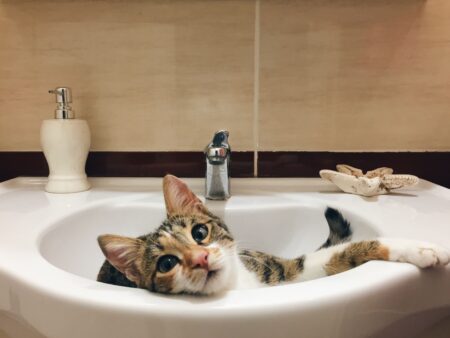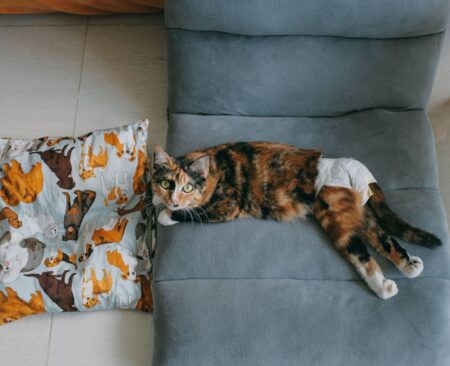
A rabbit might seem perfect for a small flat. A gecko might appeal because it doesn’t bark. A colourful aquarium may look like an effortless way to bring animals into your home.
But appearances can be misleading.
Rabbits need considerable exercise space and companionship. Geckos need a carefully controlled environment. Fish depend on functioning filtration and stable water quality, even when they appear to spend most of their time simply swimming.
To choose the right pet for your lifestyle, compare your available space, daily routine, household members, budget and preferred type of interaction with the animal’s actual welfare needs.
The right choice is not necessarily the smallest, quietest or cheapest pet. It’s an animal you can look after properly throughout its life.
This guide compares small mammals, reptiles, amphibians, freshwater fish, shrimp and companion birds. You’ll also find practical recommendations for flats, busy working schedules, families with children and households concerned about allergies.
Table of contents
- Quick Comparison: Which Pet Type Might Suit You?
- Step 1: Be Realistic About Your Daily Schedule
- Step 2: Match the Pet to Your Living Space
- Step 3: Understand Your Budget Before Choosing
- Step 4: Compare the Main Pet Types
- Small Mammals: Rabbits, Guinea Pigs and Rats
- Reptiles and Amphibians: Quiet but Technically Demanding
- Freshwater Fish and Shrimp: Observation Rather Than Handling
- Companion Birds: Budgies, Cockatiels and Finches
- Step 5: Choose According to Your Lifestyle
- Step 6: Consider the Pet’s Lifespan
- Step 7: Check Whether Suitable Veterinary Care Is Available
- Step 8: Do a Lifestyle Reality Check
- Common Mistakes When Choosing a Pet
- Frequently Asked Questions
- Final Thoughts: Choose the Pet You Can Care For Well
Quick Comparison: Which Pet Type Might Suit You?
Use this table as a starting point, not a final buying decision. Care needs differ significantly within every category.
| Pet type | Living space and setup | Daily responsibility | Potential lifestyle match | Main challenge |
|---|---|---|---|---|
| Rabbits | Large permanent exercise area, shelter and space for a suitable companion | Feeding, hygiene, observation, enrichment and interaction | Homes with substantial floor space and engaged carers | Commonly underestimated housing and social needs |
| Guinea pigs | Spacious secure enclosure with hiding places and companions | Feeding, cleaning, observation and social care | Households wanting gentle, observable small mammals | Need compatible companions and suitable diet |
| Pet rats | Large enriched enclosure for compatible rats, with climbing and exploration | Social interaction, feeding, cleaning and enrichment | Owners who enjoy intelligent, interactive small animals | Short lifespan and extensive social needs |
| Leopard geckos | Species-appropriate vivarium, controlled heat, UVB and hiding places | Environmental monitoring, feeding as appropriate and hygiene | Quiet households comfortable with specialist equipment | Incorrect temperature and lighting |
| Corn snakes | Secure species-appropriate vivarium with correct heating and furnishings | Equipment checks, water, hygiene and scheduled feeding | Owners preferring observation to frequent interaction | Escape prevention and specialist husbandry |
| Pet frogs | Species-specific terrarium or aquatic setup | Environmental care, food management and observation | Owners interested in specialist animal care | Water, humidity and habitat sensitivity |
| Bettas and other freshwater fish | Properly sized, filtered and cycled aquarium | Feeding, observation, water testing and maintenance | People who enjoy observing animals | Water quality and inappropriate stocking |
| Freshwater shrimp | Mature, stable species-appropriate aquarium | Water-quality monitoring, feeding and careful maintenance | Patient aquarists with limited space | Sensitivity to water changes and unsuitable tank mates |
| Budgies and cockatiels | Spacious accommodation plus safe flight opportunities | Social interaction, enrichment, feeding and cleaning | Social owners with time and suitable rooms | Noise, flight safety and long-term companionship |
| Finches | Suitable aviary or spacious flight enclosure, usually with compatible companions | Feeding, hygiene, observation and environmental enrichment | People who prefer observing birds | Need for flight space and species-appropriate social housing |
No daily time estimate is guaranteed for every household. Weekly cleaning, shopping, veterinary visits, equipment replacement and emergencies add to ordinary care.
Step 1: Be Realistic About Your Daily Schedule
Start by considering what an ordinary working day looks like, not your ideal weekend.
Ask yourself:
- How long is the home usually empty?
- Can someone provide daily food, water and welfare checks?
- Do you have time for cleaning and environmental maintenance?
- Are you prepared for unexpected veterinary visits?
- Who will provide care during holidays or illness?
- Can you maintain the same standard of care for years?
The RSPCA’s pet-selection guidance explains why time, cost, available space and experience should all influence the decision.
Pets That Enjoy Human Interaction
Rats, many parrots and some other companion animals can develop strong relationships with familiar people.
That doesn’t mean every animal enjoys being held or stroked.
A pet that likes interaction still needs the freedom to retreat or decline contact.
Pets That Are Better Observed Than Handled
Fish, shrimp, many amphibians and some reptiles are often more suitable for owners who enjoy watching natural behaviours.
But these animals may require specialised equipment, detailed husbandry knowledge and consistent environmental monitoring.
Less handling does not mean less responsibility.
Step 2: Match the Pet to Your Living Space
Space isn’t just about whether an enclosure fits in a corner.
A pet also needs sufficient room to move naturally, rest, hide, forage and exercise.
Living in a Small Flat
A small flat may be suitable for certain aquatics, reptiles or carefully selected small mammals if the complete welfare requirements can be met.
However, a small room does not make a small cage appropriate.
Think about where food will be stored, where equipment will be cleaned, whether the enclosure produces noise or heat, and how you will protect the animal from household hazards.
Living in a Shared House
Consider the people who share the property.
Will anyone object to bird calls, nocturnal activity or live insect food?
Are other residents comfortable with the animal’s presence and the responsibilities involved?
Can the enclosure be placed somewhere secure without disturbing the animal’s normal day-night cycle?
Renting
Check whether the tenancy allows the intended animals and any necessary enclosures.
Make sure the arrangement is practical for the whole expected lifespan of the pet, not only the current rental period.
Step 3: Understand Your Budget Before Choosing
The purchase or adoption fee is only one expense.
A suitably equipped aquarium or vivarium can cost substantially more than the animal itself. Rabbits may need a large dedicated living area. Birds require appropriate housing, enrichment and access to veterinary care.
Costs to Consider
| Expense | What it might include |
|---|---|
| Initial accommodation | Enclosure, aquarium, aviary or vivarium |
| Environmental equipment | Lighting, heaters, filters, thermostats or monitoring devices |
| Food | Species-appropriate food and necessary feeding supplies |
| Enrichment | Hiding places, toys, climbing structures or foraging materials |
| Cleaning | Substrate, water-care products and maintenance equipment |
| Veterinary care | Routine checks and unexpected treatment |
| Replacement equipment | Worn or failed filters, lamps, enclosure fittings and accessories |
| Holiday care | A knowledgeable person capable of caring for the species |
| Long-term changes | Larger accommodation, accessibility adaptations or changing dietary needs |
A low purchase price doesn’t make a pet inexpensive over its lifetime.
Where possible, find out whether an appropriate veterinarian is accessible before acquiring a less commonly kept species.
Step 4: Compare the Main Pet Types
Small Mammals: Rabbits, Guinea Pigs and Rats
Small mammals are frequently described as easy family pets.
That label overlooks important differences in behaviour, social needs and accommodation.
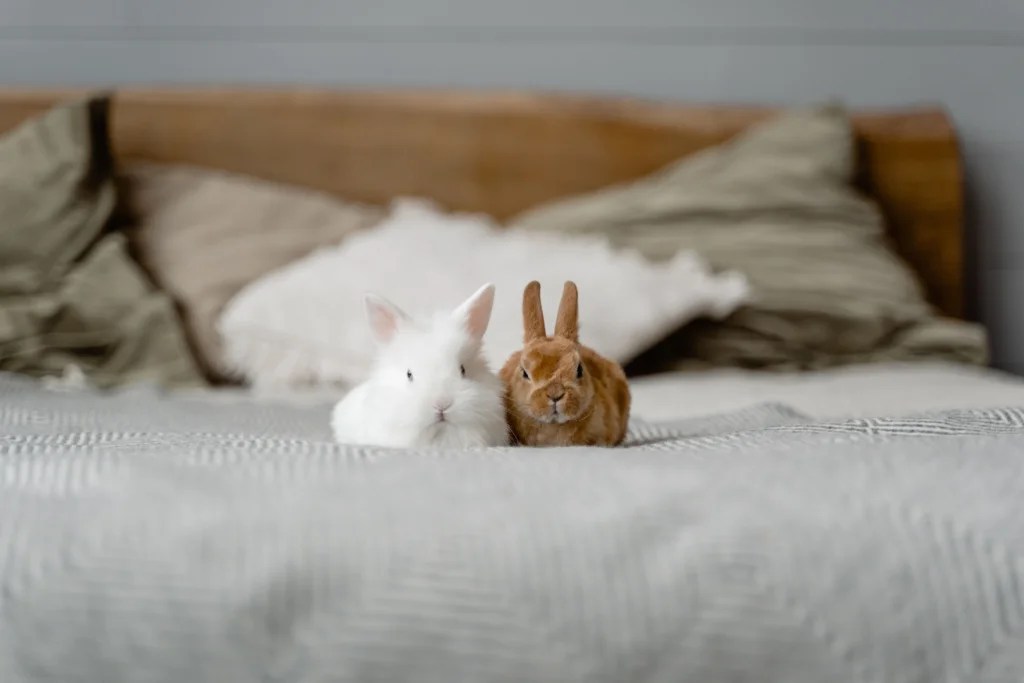
Rabbits: Best for Owners With Plenty of Space
Rabbits can be engaging, intelligent companions, but they are not suitable for a life spent mainly inside a small hutch.
They need room to run, hop, stand upright, dig, hide and forage.
The RSPCA recommends at least 3 metres by 2 metres by 1 metre for a living space accommodating two medium-sized rabbits, including their shelter and exercise area.
This is a welfare reference for that situation, not a universal design for every rabbit group.
Rabbits also need suitable social companionship, usually another compatible rabbit.
A rabbit may suit you if: You have the space for an appropriate setup, can maintain daily care and are interested in an animal that interacts on its own terms.
Think twice if: You want a small animal that can remain in a compact cage or be carried around frequently.
Guinea Pigs: Sociable and Interesting to Observe
Guinea pigs are social animals and generally need suitable companionship from other guinea pigs.
They need spacious housing with shelters, clean bedding, appropriate food and opportunities to explore.
The RSPCA’s guinea pig housing guidance emphasises adequate space and social grouping.
Guinea pigs have species-specific dietary requirements, including vitamin C.
They should not simply be housed with rabbits as interchangeable companions. The RSPCA explains that the two species differ in behaviour, communication and nutrition, and may injure one another.
A guinea pig may suit you if: You enjoy caring for a compatible group of gentle small mammals and can provide an appropriately spacious environment.
Think twice if: You only want one small animal in a little cage.
Pet Rats: Intelligent, Social Companions
Domestic rats are curious animals that can enjoy exploring, problem-solving and appropriate interaction with familiar people.
They usually need compatible same-species companions.
The RSPCA’s rat-care guidance recommends housing rats in appropriate social groups rather than keeping them alone.
Their environment should support climbing, hiding, nesting, foraging and other natural behaviour.
Pet rats may suit you if: You enjoy spending time with intelligent animals and can maintain an enriched group enclosure.
Think twice if: You cannot provide daily social care or would find their relatively short lifespan especially difficult.
Reptiles and Amphibians: Quiet but Technically Demanding
Reptiles and amphibians are often recommended to people who work long hours because many do not require frequent handling.
That may be true of some species, but it doesn’t make their care simple.
They rely heavily on the conditions maintained inside their enclosures.
Leopard Geckos
Leopard geckos are frequently considered as a first reptile, but their husbandry requires accurate environmental control.
They need species-appropriate heating, a thermal gradient, suitable lighting, hiding places and hygiene.
The RSPCA’s leopard gecko care guidance explains the importance of monitored temperatures, thermostats and UVB provision.
A leopard gecko may suit someone who appreciates careful enclosure management and doesn’t expect constant physical interaction.
It is not suitable for someone who wants to install equipment once and never check it again.
Corn Snakes
Corn snakes are commonly kept in captivity, but they still require secure, escape-resistant housing.
Owners must understand appropriate temperature control, suitable furnishings, feeding and veterinary care.
Their feeding requirements may also be uncomfortable for someone who dislikes handling or storing the necessary food items.
Corn snakes may suit a responsible owner who is content with observation and occasional appropriate handling, rather than frequent affectionate interaction.
Pet Frogs
Frogs vary enormously in their environmental requirements.
Some are primarily aquatic. Others are terrestrial or tree-dwelling.
A terrarium suitable for one frog species may be entirely wrong for another.
Humidity, water quality, temperature, diet and environmental hygiene can all be significant.
Avoid choosing a frog simply because it looks small or stays in one place.
Important Household Health Consideration
Reptiles and amphibians may carry Salmonella even when they appear healthy.
The US Centers for Disease Control and Prevention advises against keeping these animals in households with children under five, people with weakened immune systems and older adults at increased risk of serious infection.
This is particularly important when choosing a family pet.
Freshwater Fish and Shrimp: Observation Rather Than Handling
Aquariums appeal to people who enjoy watching animal behaviour without regular physical interaction.
A well-maintained aquarium can be fascinating.
However, fish are not disposable decorations, and aquarium water is a living system requiring ongoing management.
Betta Fish
Bettas are popular freshwater fish with distinctive behaviour.
They need appropriate aquarium space, stable water conditions, filtration, temperature management and enrichment.
A small unfiltered bowl should not be assumed suitable.
Before choosing a betta, verify the full setup requirements for the individual species and planned tank.
Small Community Fish
Tetras and other small schooling fish can be attractive options for a carefully planned aquarium.
But a community tank needs adequate space, appropriate group sizes, compatible species and suitable water conditions.
The fact that a fish is small does not mean it can thrive in a tiny group or overcrowded tank.
Freshwater Shrimp
Freshwater shrimp may appeal to someone who wants a small-scale observational aquarium.
However, some shrimp are sensitive to unstable water parameters, certain contaminants and unsuitable tank mates.
A small shrimp tank still needs careful planning and reliable water-quality management.
Why Aquarium Cycling Matters
Before adding aquatic animals, a new aquarium needs an established biological filtration system.
Beneficial bacteria help convert toxic ammonia into nitrite and then nitrate.
The RSPCA recommends fishless cycling so that the aquarium’s filtration can become established before fish are introduced.
Cycling should be confirmed through appropriate water testing, not assumed from the number of days the aquarium has been running.
Fish may suit you if: You enjoy observation, water testing and regular aquarium maintenance.
Think twice if: You want an animal that requires no ongoing environmental care.
Companion Birds: Budgies, Cockatiels and Finches
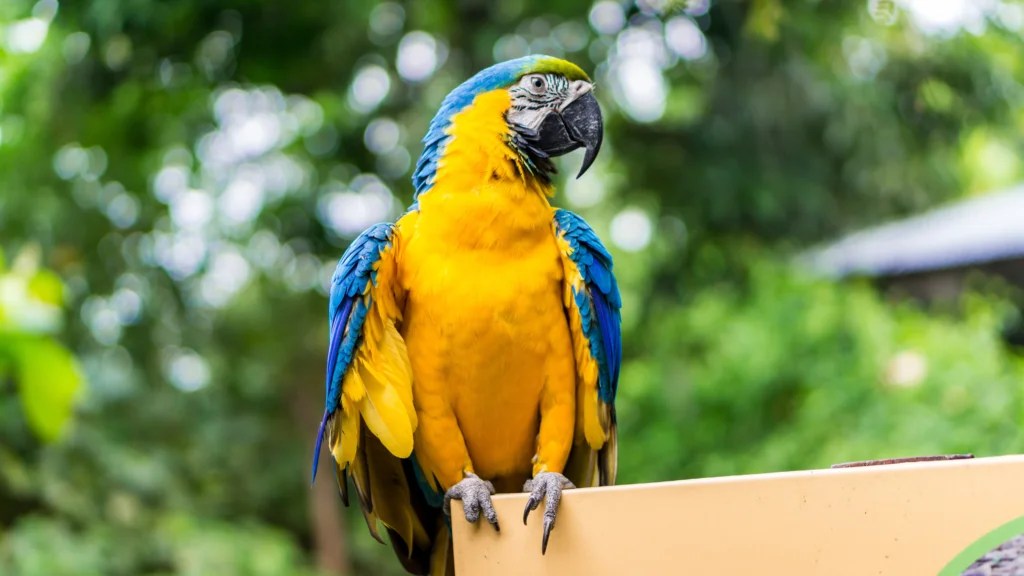
Birds can make engaging companions, but their needs are often underestimated.
Many species are intelligent, active and highly social.
Housing must support normal movement, enrichment and suitable social contact.
The RSPCA’s bird housing guidance stresses the importance of flight space and an appropriate living environment.
Budgies
Budgies are small parrots that may enjoy social interaction, flight, foraging and vocal communication.
They can be lively and noisy, even though their calls are generally different from those of larger parrots.
They need appropriate companionship and opportunities to exercise.
A budgie is not automatically suitable for a household where everyone is absent all day and no adequate social arrangement exists.
Cockatiels
Cockatiels can be interactive and engaging.
Some enjoy whistling, training and social activities with familiar people.
They also need appropriate accommodation, exercise, enrichment and protection from household hazards.
The RSPCA’s bird enrichment advice explains the importance of allowing birds to fly and forage.
Finches
Finches may be attractive to people who prefer observing animals rather than frequently handling them.
However, they still need species-appropriate social arrangements and sufficient space to fly.
They are not suitable for permanently cramped ornamental cages.
Noise and Household Safety
Birds vocalise naturally.
Even small species may make repeated contact calls or sing at inconvenient times for some households.
Pet birds also have sensitive respiratory systems, so exposure to smoke, cooking fumes, sprays and inappropriate household chemicals can pose serious risks.
Birds may suit you if: You can provide suitable flight space, appropriate companionship and daily enrichment.
Think twice if: You need a silent pet or cannot make your home bird-safe.
Step 5: Choose According to Your Lifestyle
Different households face different practical constraints.
The following suggestions are starting points for further research, not guarantees of compatibility.
Best Low-Maintenance Pets for Small Apartments
If floor space is limited, a well-planned species-appropriate aquarium or reptile enclosure may be easier to accommodate than a large rabbit exercise area.
However, aquarium size and reptile enclosure dimensions cannot be reduced merely to fit available furniture.
Potential candidates for further consideration include certain freshwater shrimp setups, appropriately housed betta fish and carefully researched small reptiles.
The deciding factor is whether the complete habitat can be maintained properly.
Quiet Pets for People Who Work Long Hours
For someone who prefers an animal requiring relatively little direct handling, certain reptiles, fish or invertebrates may be worth researching.
But quietness is not independence from care.
Environmental checks, food, water, cleaning, equipment reliability and emergency support still matter.
Guinea pigs, rats and many companion birds have social needs that cannot be dismissed simply because another animal shares their enclosure or they remain indoors.
If your schedule is unpredictable, plan how someone knowledgeable will provide care when you cannot.
Hypoallergenic Pets Other Than Dogs and Cats
No pet should be promised as entirely allergy-free.
The Allergy UK pet allergy factsheet notes that people may react to rabbits, rodents, birds, reptiles and animal bedding, as well as cats and dogs.
Fish and some aquatic invertebrates may present different allergen exposures from furry mammals, but aquarium food, moisture-related environmental problems or cleaning materials may still be relevant.
Someone with a significant allergy or asthma should seek appropriate medical advice rather than relying on a “hypoallergenic” label.
Good Beginner Unfamiliar Pets That Are Easy to Care For
The word beginner should mean that an informed newcomer can realistically learn and maintain the animal’s care requirements.
It does not mean that specialist equipment is unnecessary.
Some captive-bred reptiles and commonly kept freshwater fish may be reasonable starting points for diligent beginners.
But the suitability of each species depends on available knowledge, housing, routine monitoring, veterinary access and household risks.
Avoid unusual or difficult species simply because a seller describes them as rare, hardy or beginner-friendly.
Best Pets for Kids That Teach Responsibility
A pet can help children learn observation, empathy and appropriate daily routines.
However, responsibility must remain with an adult.
The PDSA’s guide to choosing small pets stresses that children should not be primary carers and require supervision around animals.
An adult should choose an animal they genuinely want and can care for, including when the child loses interest.
For younger children, watching fish or helping an adult prepare appropriate food for a suitable family pet may be safer than expecting them to handle an unfamiliar animal independently.
Reptiles and amphibians present particular infection concerns in households with very young children.
Step 6: Consider the Pet’s Lifespan
A pet is a long-term commitment, although expected lifespan varies considerably by species and individual.
Some small mammals have relatively short lives.
Many reptiles and parrots may live much longer, potentially remaining with their owners through major life changes.
Before choosing an animal, consider what may happen if you move, change jobs, start a family or become unable to provide its usual care.
A species with a long lifespan may require a succession plan involving another knowledgeable carer.
Step 7: Check Whether Suitable Veterinary Care Is Available
Not all veterinary practices routinely treat fish, reptiles, amphibians, birds and small unfamiliar mammals.
Before acquiring a pet, identify a suitable practice.
Ask whether it treats the intended species and how out-of-hours emergencies are handled.
This is particularly important for animals that can become seriously unwell while showing few obvious symptoms.
Access to expert care is part of responsible pet selection, not something to consider only after the animal is ill.
Step 8: Do a Lifestyle Reality Check
Use the following questions to test your shortlist.
| Question | If the answer is no |
|---|---|
| Can I provide all required space permanently? | Reconsider the species or housing arrangement |
| Can I meet social and exercise needs? | Choose a different species or revise the care plan |
| Can I afford setup and veterinary care? | Delay adoption until finances are suitable |
| Do I understand the animal’s normal behaviour? | Research and observe the species first |
| Can I maintain the habitat every day? | Reconsider equipment-intensive species |
| Can I provide reliable holiday cover? | Arrange suitable care before acquiring the animal |
| Is the pet appropriate for everyone in the household? | Reassess safety, allergies and noise |
| Can I commit for the animal’s lifespan? | Consider a different option or postpone adoption |
If several essential answers are no, waiting may be the most responsible choice.
Common Mistakes When Choosing a Pet
| Mistake | Better decision |
|---|---|
| Choosing only by appearance | Research behaviour, housing and lifetime needs |
| Assuming small pets need small cages | Check evidence-based space requirements |
| Choosing a quiet species without considering specialist care | Assess environmental and daily maintenance |
| Keeping a social species alone | Verify appropriate companionship |
| Buying fish before cycling a tank | Prepare and test the aquarium first |
| Treating reptiles as allergy-free | Consider household health risks |
| Buying a bird without planning flight space | Provide an appropriate environment |
| Expecting a child to be the sole carer | Keep adults responsible |
| Forgetting holiday and emergency care | Arrange support in advance |
| Assuming an inexpensive pet costs little overall | Budget for complete lifetime care |
Frequently Asked Questions
The answer depends on the person’s routine and the complete needs of the animal. Some fish, invertebrates or reptiles require less direct interaction than social mammals or birds, but still need reliable environmental care.
A suitable small aquarium or species-appropriate vivarium may fit some flats. However, environmental equipment, maintenance and animal welfare requirements still apply. No pet is maintenance-free.
They can be, provided the apartment offers adequate permanent exercise space, suitable companionship, safe flooring and an appropriate environment. A small cage alone is insufficient.
Not reliably. People may react to reptiles, their food, bedding or environments. Reptiles and amphibians also carry particular infection risks for certain household members.
Some captive-bred, well-studied reptile species and commonly kept aquarium animals may suit well-prepared beginners. The specific animal should be selected only after its environmental and veterinary requirements are understood.
The best family pet is one that the adults are willing and able to care for. Children can participate in age-appropriate tasks under supervision, but should not carry sole responsibility.
Fish generally do not require handling or human social interaction in the same way many parrots do. However, they depend on water quality, filtration and appropriate stocking. The two types of care are different rather than directly ranked by difficulty.
It depends on the species. Rabbits, guinea pigs and rats generally need appropriate same-species companionship, while some other animals have different social requirements. Verify compatibility before choosing the number of animals.
Final Thoughts: Choose the Pet You Can Care For Well
A good pet match begins with an honest understanding of your daily life.
Rabbits and guinea pigs need more space and social care than their size suggests. Reptiles require correctly maintained environments. Fish need stable water quality. Birds depend on flight, enrichment and appropriate companionship.
None of these animals is simply a low-effort alternative to a dog or cat.
Choose the species whose needs fit the home, time, budget and long-term commitment you can genuinely provide.
The right pet for your lifestyle is the one you can give a good life—not just the one that fits your schedule today.