Finding the best food for dogs with severe skin allergies requires understanding that itching is rarely just a food problem, it’s often the visible symptom of one of three overlapping triggers: a food protein allergy, environmental atopy, or secondary yeast overgrowth. According to NC State University’s Veterinary Hospital, prescription hydrolyzed diets and novel protein foods are preferred for elimination diet trials because of their strict quality control, while over-the-counter diets can contain contaminant proteins that skew the results.
Choosing the best food for dogs with severe skin allergies means matching the dietary strategy to the actual root cause rather than guessing at random ingredient swaps. This guide walks through the full Dietary & Supplement Protocol Matrix, breaking down exactly which foods, supplements, and mistakes correspond to each of the three major allergy triggers behind chronic canine itching.
Table of contents
- Best Food for Dogs With Severe Skin Allergies: The Dietary & Supplement Protocol Matrix
- Best Food for Dogs With Severe Skin Allergies Caused by Food Protein Reactions
- How to Do an Elimination Diet for Dogs at Home
- Best Food for Dogs With Severe Skin Allergies From Environmental Atopy
- Best Food for Dogs With Severe Skin Allergies When Yeast Overgrowth Is Present
- Choosing Between Hydrolyzed and Novel Protein: A Direct Comparison
- Building a Complete Care Plan Around the Matrix
- Frequently Asked Questions
The information and calculator data provided in this article are aggregated from peer-reviewed veterinary literature, including the Merck Veterinary Manual and AVMA guidelines. This content is for educational and informational purposes only and is not a substitute for professional veterinary advice, diagnosis, or treatment. Always consult with a licensed veterinarian before administering any medication or altering your pet’s health regimen.
Best Food for Dogs With Severe Skin Allergies: The Dietary & Supplement Protocol Matrix
Best Food for Dogs With Severe Skin Allergies: Nutrition & Diet Guide
When managing best food for dogs with severe skin allergies, always calculate precise portion sizes based on your pet’s current body condition, life stage, and daily activity level. Look for whole animal protein sources and avoid unverified artificial fillers or sudden dietary changes that cause acute gastrointestinal upset.
🚨 Emergency Pet Poison & Triage Hotlines (24/7 Support)
Dietary & Caloric Precision: For accurate daily caloric targets calibrated to your pet’s age, weight, and activity, consult our Pet Nutrition & Calorie Calculator. If managing chronic pruritus or suspected food intolerances, review our Dog Food Allergy Elimination Protocol.
If you suspect your pet has ingested a toxic substance, human medication, or is experiencing acute poisoning symptoms, do not wait for symptoms to worsen. Contact your local emergency veterinarian or call a national triage helpline immediately:
- ASPCA Animal Poison Control Center (APCC): (888) 426-4435 (Available 24/7/365 across North America)
- Pet Poison Helpline: (855) 764-7661 (24/7 specialized veterinary toxicological triage)
Clinical Reference Standards: All toxicity thresholds, safety margins, and clinical guidelines in this article are calibrated against peer-reviewed veterinary literature, including Plumb’s Veterinary Drug Handbook, the ASPCA APCC Toxicology Database, WSAVA Nutritional Guidelines, and AAHA Critical Care Protocols. This content is for clinical reference and educational triage only and does not replace direct veterinary consultation.
| Allergy Trigger | Primary Dietary Strategy | Recommended Protein / Food Type | Clinical Relief Window |
|---|---|---|---|
| Food Protein Hypersensitivity | Strict Elimination Trial | Hydrolyzed (HP/z/d) or Novel (Venison/Rabbit) | 8 to 12 Weeks |
| Environmental Atopy | Skin Barrier & Anti-Inflammatory Support | High EPA/DHA Marine Omega-3 Diet | 6 to 8 Weeks |
| Secondary Yeast Overgrowth | Antifungal Low-Sugar Diet | Low-Glycemic, Low-Starch with Caprylic Acid | 3 to 6 Weeks |
| Multi-Factor Mixed Allergy | Hydrolyzed + Fatty Acid Fortification | Prescription Hydrolyzed + Wild Salmon Oil | 8 to 12 Weeks |
Before choosing a specific food, it helps to identify which category of allergy trigger your dog is actually dealing with, since the best food for dogs with severe skin allergies looks completely different depending on the underlying cause.
| Allergy Trigger Type | Physical Diagnostic Sign | Dietary / Supplement Solution | Common Mistake to Avoid |
|---|---|---|---|
| Food Protein Allergy | Chronic ear inflammation, soft stool, non-seasonal face rubbing, inflamed paws | Hydrolyzed protein diet or a single novel protein (e.g., rabbit, venison) | Giving flavored chewable meds or treats during a trial |
| Environmental Atopy | Seasonal belly redness, groin rash, itching after walking in grass | High-dose EPA/DHA Omega-3 fish oil + Quercetin (“nature’s antihistamine”) | Expecting diet alone to fix inhaled or contact allergens |
| Secondary Yeast Overgrowth | Rusty fur staining on paws, “cheesy” ear odor, darkened skin patches | Probiotic supplements (e.g., S. boulardii) + low-glycemic, limited ingredient food | Feeding high-carb fillers or fruit toppers that feed yeast |
Petful’s vet-reviewed roundup of best dog foods for allergies confirms that a hydrolyzed diet like Royal Canin Veterinary Diet Hydrolyzed Protein HP is best for severe food allergies, while Canine Bible’s guide notes evidence-based hypoallergenic diets and novel proteins remain the standard for dogs with intolerances or inflammatory bowel disease alongside skin symptoms.
Best Food for Dogs With Severe Skin Allergies Caused by Food Protein Reactions
Food Protein Hypersensitivity Fix
For dogs suffering from food protein hypersensitivity, the most effective diets use hydrolyzed proteins broken down into microscopic peptides under 10,000 Daltons or novel proteins like venison, rabbit, or kangaroo. These specialized formulations prevent the immune system from recognizing common offending allergens like chicken, beef, dairy, and wheat.
| Protein Technology | Peptide / Source Size | Top Veterinary Prescription Diets | Primary Advantage |
|---|---|---|---|
| Hydrolyzed Poultry / Soy | < 10,000 Daltons | Royal Canin HP, Hill’s z/d, Purina HA | Immune-invisible; lowest flare risk |
| Novel Intact Mammal | Whole protein structure | Rayne Clinical Plant/Venison, Instinct Limited | Higher palatability for picky dogs |
| Novel Single-Source Fish | Whole fish fillet | Hill’s Prescription d/d Salmon, Blue Buffalo NP | Natural rich anti-inflammatory omega-3s |
| Amino Acid Elemental | Free amino acids (< 1,000 Da) | Royal Canin Ultamino | Zero allergic cross-reactivity |
Hydrolyzed Protein Dog Food Pros and Cons
When searching for the best food for dogs with severe skin allergies triggered by an actual food protein allergy, hydrolyzed protein diets are the veterinary gold standard, but understanding hydrolyzed protein dog food pros and cons is essential before committing. NC State’s Veterinary Hospital explains that hydrolyzed diets break the protein source, such as chicken, fish, or soy, down into very small pieces similar to how the body normally digests food, making it more difficult for the immune system to detect and react to the potentially allergenic component.
The primary pros of hydrolyzed diets include reduced allergenicity and improved digestibility. MyWoof’s veterinary nutrition breakdown confirms that because protein fragments are broken down, they are less likely to trigger the immune reaction underlying many food allergies, and for dogs whose gut is already inflamed, the smaller protein pieces are easier to process, meaning fewer digestive flare-ups.
However, the cons of hydrolyzed diets are significant. Whole Dog Journal notes that hydrolyzed proteins are considerably more expensive than traditional proteins due to specialized processing, and this added cost is especially burdensome for large breeds requiring large daily quantities. Palatability is another concern, since amino acids from broken-down proteins can taste bitter, meaning picky dogs may resist eating the food entirely. Vetstreet’s veterinary guide also cautions that a hydrolyzed diet does not address every cause of itching, since environmental allergies and parasites can look identical, making it one part of a full veterinary workup rather than a standalone fix.
Research published in the National Library of Medicine adds an important caveat to the hydrolyzed protein dog food pros and cons discussion: hydrolyzed diets may still contain proteins capable of stimulating helper T-lymphocytes, meaning they may not be effective for treating all dogs with food hypersensitivity, with some studies showing 20 to 50 percent of allergic dogs may still react.
Novel Protein Dog Food for Sensitive Skin
An alternative to hydrolyzed diets when seeking the best food for dogs with severe skin allergies is novel protein dog food for sensitive skin, which relies on a protein source your dog has never eaten before, such as rabbit, venison, kangaroo, or duck. Happy Dog UK explains that grain-free, single-protein formulations crafted with novel proteins like venison, kangaroo, and ostrich are ideal for dogs with allergies, intolerances, or digestive sensitivities.
The logic behind novel protein dog food for sensitive skin is straightforward: a dog cannot have developed an allergic reaction to a protein their immune system has never previously encountered. Canine Bible’s guide to novel protein foods confirms these diets work best for dogs with true food sensitivities or allergies, since introducing an entirely new protein source resets the immune system’s exposure history.
Compared to hydrolyzed diets, Pet Info Network’s comparison chart notes that novel protein diets carry a higher risk of cross-contamination since many manufacturing plants process both novel and common proteins on shared equipment, whereas prescription hydrolyzed brands carry lower contamination risk. However, novel protein dog food for sensitive skin often wins on palatability, as dogs tend to readily accept these new, whole-food flavors compared to the sometimes bitter taste of hydrolyzed formulas.
How to Do an Elimination Diet for Dogs at Home
Home Elimination Diet Protocol
To do an elimination diet at home, feed an exclusive hydrolyzed or novel protein diet for 8 to 12 weeks with zero treats, scraps, or flavored chews. Once chronic itching completely resolves, reintroduce single ingredients one at a time over 14-day intervals to identify the exact offending food allergen.
| Protocol Phase | Duration | Allowed Foods & Medications | Strict Elimination Rules |
|---|---|---|---|
| Phase 1: Baseline Washout | Weeks 1 to 8 | Strict prescription diet + fresh water only | Zero table scraps, rawhides, or flavored pills |
| Phase 2: Evaluation | Week 8 to 12 | Continue strict trial until skin clears | Record pruritus (itch) scores weekly (1–10) |
| Phase 3: Food Challenge | Weeks 13 to 16 | Reintroduce 1 single protein for 14 days | Watch for itching flare within 48–72 hours |
| Phase 4: Maintenance | Ongoing | Safe single-protein diet or long-term hydrolyzed | Maintain strict ingredient label scrutiny |
Setting Up Your Elimination Diet Trial
Learning how to do an elimination diet for dogs at home is the single most important diagnostic step before settling on the best food for dogs with severe skin allergies long-term. NC State’s Veterinary Hospital recommends starting directly with a prescription hydrolyzed diet when conducting a diet trial, since this approach can save time and money overall compared to trial-and-error with over-the-counter novel protein foods.
To properly run how to do an elimination diet for dogs at home:
- Select either a prescription hydrolyzed protein diet or a single novel protein your dog has never eaten before
- Commit to feeding this single diet exclusively for a minimum of eight to twelve weeks, since shorter trials often fail to show conclusive results
- Eliminate all other food sources completely, including table scraps, flavored dental chews, and rawhide treats
- Track your dog’s symptoms weekly using photos and notes on itching intensity, ear odor, and stool consistency
- Reintroduce single ingredients one at a time after the trial period to identify the specific trigger, if your dog improved
Flat-faced dog breeds are undeniably adorable but their unique anatomy means their grooming needs are in a league entirely of their own. Explore this ultimate grooming guide for brachycephalic dog breeds and discover the specialized techniques, tools, and tender care that keep your squishy-faced companion clean, comfortable, and absolutely thriving every single day.
Common Mistakes When Learning How to Do an Elimination Diet for Dogs at Home
The most critical error to avoid when figuring out how to do an elimination diet for dogs at home is giving flavored chewable medications or treats during the trial period, since even trace amounts of a trigger protein can invalidate weeks of careful dietary control. Whole Dog Journal notes that some dogs experience temporary gastrointestinal upset, including diarrhea, vomiting, or flatulence, during the transition period, which owners should distinguish from a genuine allergic reaction before abandoning the trial prematurely.
Another frequent mistake is switching foods too quickly if initial results seem unclear. Vetstreet emphasizes that because you may feed the trial diet for two to three months, the ongoing expense should be budgeted for from day one rather than abandoning the process halfway through due to cost concerns, which undermines the entire diagnostic purpose of the trial.
Constant ear scratching and relentless head shaking are your cat’s most desperate attempts to tell you that something is genuinely wrong and needs your attention right now. Discover 5 highly effective solutions for feline otitis externa that soothe the inflammation, stop the scratching, and bring your suffering feline the deep, lasting ear relief they have been desperately waiting for.
Best Food for Dogs With Severe Skin Allergies From Environmental Atopy
Environmental Atopy Management
For environmental atopy (pollen, dust mites, mold), the best foods combine high-potency marine omega-3 fatty acids (EPA and DHA) with skin-fortifying linoleic acid, zinc, and vitamin E. These therapeutic nutrients strengthen the cutaneous lipid seal, suppress systemic inflammatory cytokines, and reduce cellular allergic reactivity to airborne allergens.
| Key Nutrient | Target Therapeutic Dosing | Biological Mechanism of Action | Best Natural Dietary Source |
|---|---|---|---|
| EPA + DHA (Omega-3) | 100–150 mg per kg body weight | Inhibits inflammatory leukotrienes & prostaglandins | Wild Alaskan Salmon Oil, Sardine Oil |
| Linoleic Acid (Omega-6) | 1.5–2.5% dry matter basis | Rebuilds epidermal ceramide lipid matrix | Borage seed oil, evening primrose oil |
| Chelated Zinc | 10–15 mg per 10 kg body weight | Accelerates wound healing and keratinization | Zinc methionine, prescription skin kibble |
| Vitamin E (d-alpha) | 50–100 IU daily | Protects cell membranes from oxidative stress | Natural mixed tocopherols |
Best Omega 3 Fish Oil for Dog Skin Allergies
When the underlying trigger is environmental rather than food-based, the best food for dogs with severe skin allergies shifts focus toward supplementation, and finding the best omega 3 fish oil for dog skin allergies becomes the priority. Bestie Paws’ fish oil review guide explains that for skin and coat specifically, EPA is the primary omega-3 driving anti-inflammatory effects, so owners should look for products with higher EPA content relative to DHA.
Top-rated options for the best omega 3 fish oil for dog skin allergies include formulas providing 800 mg EPA plus 525 mg DHA per serving, or alternatives closer to 368 mg EPA and 253 mg DHA per half teaspoon dose. Importantly, Bestie Paws cautions that if itching is allergy-driven, fish oil supports skin barrier function but does not address the underlying allergen itself, meaning a veterinarian should still evaluate the root cause even while supplementation provides symptomatic relief.
Standing in the pet food aisle staring at hundreds of options with no idea which one is actually right for your pet is a feeling every owner knows far too well. This honest, straightforward consumer’s guide to choosing the best pet food cuts through the marketing noise, decodes the confusing labels, and helps you make the smartest, most nourishing choice for your beloved companion with complete confidence.
Combining Omega-3s With Quercetin for Environmental Allergies
Beyond simply choosing the best omega 3 fish oil for dog skin allergies, the Dietary & Supplement Protocol Matrix recommends pairing high-dose EPA/DHA fish oil with Quercetin, often described as “nature’s antihistamine,” for dogs suffering from seasonal belly redness, groin rash, or itching triggered by walking through grass. This combination targets inflammation from two angles: the omega-3 fatty acids work to strengthen the skin’s lipid barrier over time, while Quercetin helps stabilize the mast cells responsible for releasing histamine during an allergic flare.
The most common mistake with environmental atopy is expecting diet alone to fix inhaled or contact allergens. Since environmental triggers like pollen, dust mites, and grass are absorbed through the skin or inhaled rather than eaten, no amount of dietary modification, novel protein switching, or hydrolyzed food will fully resolve the itching without additional intervention such as regular bathing, antihistamines, or prescribed immunotherapy from a veterinary dermatologist.
The difference between a dull, lifeless cat coat and a soft, gleaming, head-turning one comes down to one thing what your cat eats every single day. Explore these essential diet and nutrition tips for maintaining a beautifully healthy cat coat and discover how the right nutrients, fed consistently, can completely transform your feline’s fur from the inside out.
Best Food for Dogs With Severe Skin Allergies When Yeast Overgrowth Is Present
Yeast Dermatitis Nutritional Strategy
When secondary Malassezia yeast overgrowth causes intense itching, greasy coats, and musty odors, the ideal diet focuses on low-glycemic, low-starch formulations enriched with caprylic acid and targeted skin probiotics. Starving cutaneous yeast of simple carbohydrates reduces epidermal colonization while supporting natural dermal acid mantle defense.
| Dietary Factor | Recommended Target | Yeast Inhibition Mechanism | Ingredients to Strictly Avoid |
|---|---|---|---|
| Carbohydrate Content | Under 20% dry matter basis | Deprives skin surface Malassezia of simple sugars | Potatoes, corn syrup, white rice, tapioca |
| Caprylic Acid (C8 MCT) | 500–1000 mg daily | Disrupts yeast cell membrane permeability | Virgin organic coconut oil / MCT oil |
| Skin Probiotic Strains | 2–5 Billion CFU daily | Crowds out pathogens and regulates dermal pH | Lactobacillus reuteri, L. rhamnosus |
| Antifungal Polyphenols | Veterinary formulation | Reduces fungal biofilm formation | Standard high-sugar commercial kibbles |
Symptoms of Yeast Infection in Dog Paws and Ears
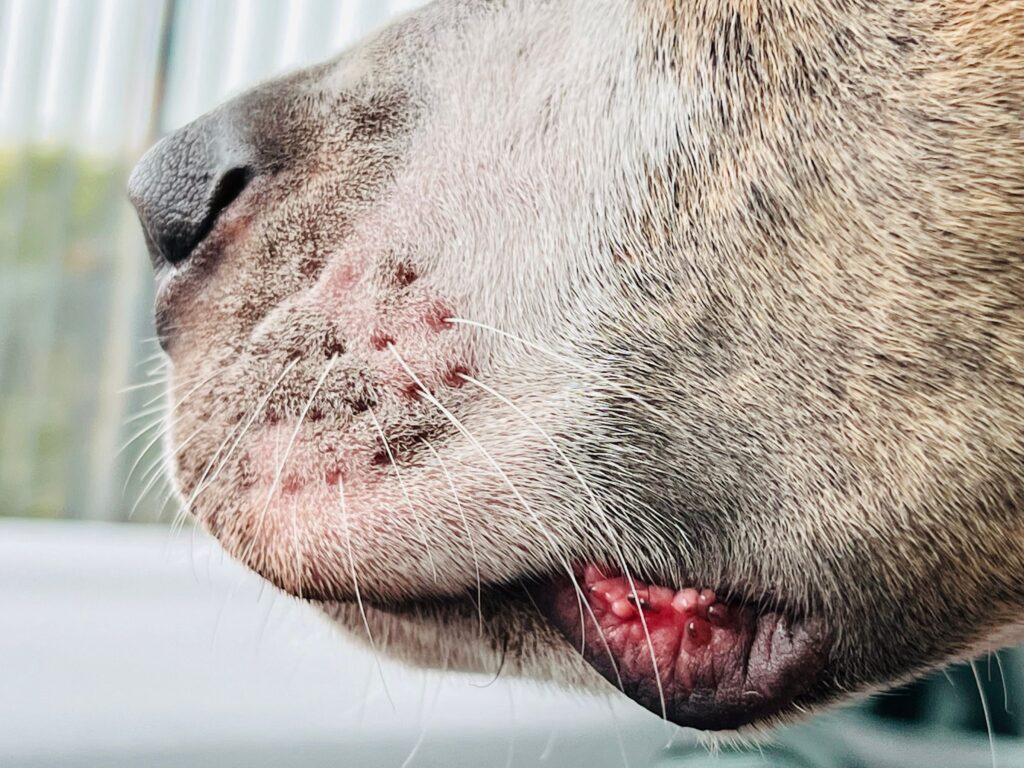
Before adjusting diet for suspected yeast issues, it’s critical to correctly identify symptoms of yeast infection in dog paws and ears, since this secondary complication often mimics or compounds a primary food or environmental allergy. According to PetMD’s comprehensive yeast infection guide, affected dogs typically lick or chew their paws constantly, develop brown staining between the paw pads, and have red, moist skin between the toes.
For ear-specific symptoms of yeast infection in dog paws and ears, the AKC’s veterinary guide lists scratching or digging at the ears, rubbing the head on the floor or furniture, excessive head shaking, a musty or unpleasant odor, and brown, yellow, or bloody discharge as hallmark signs. PetCare.ai’s detailed breakdown adds that many owners describe the distinctive smell as “bread-like” or resembling a “corn chip,” which is a uniquely recognizable diagnostic clue for Malassezia yeast overgrowth.
The rusty or reddish-brown staining mentioned in the matrix comes from porphyrin pigments deposited through constant licking, and this same red-brown staining pattern on paw fur, combined with darkened, thickened “elephant skin” patches elsewhere on the body, strongly points toward chronic yeast overgrowth rather than a simple bacterial or seasonal issue.
Dietary Solutions for Yeast-Driven Skin Problems
Once symptoms of yeast infection in dog paws and ears are confirmed, likely alongside a veterinary diagnosis, the best food for dogs with severe skin allergies shifts toward starving the yeast population through diet while supporting gut health with targeted probiotics. Care.com’s veterinary interview confirms that yeast loves sugar, so owners should avoid pet foods and treats containing honey, high-fructose corn syrup, potatoes, corn, wheat, and rice.
The matrix recommends probiotic supplements such as Saccharomyces boulardii combined with a low-glycemic, limited-ingredient food. This dual approach works because probiotics help recolonize healthy gut flora that naturally compete against yeast overgrowth, while a low-glycemic diet removes the refined carbohydrates that yeast organisms use as fuel. Smalldoor Vet’s yeast treatment guide reinforces this, advising owners to examine their dog’s diet closely, since refined carbohydrates like potatoes, corn, wheat, rice, honey, and high-fructose corn syrup should be cut out entirely during active yeast management.
The most common mistake here is feeding high-carb fillers or fruit toppers that feed yeast, even when well-intentioned. Many owners add sweet potato, banana, or other fruit toppers to boost palatability during a diet transition, unaware that these ingredients directly fuel the same yeast overgrowth they’re trying to eliminate.
Choosing Between Hydrolyzed and Novel Protein: A Direct Comparison
Hydrolyzed vs Novel Protein Comparison
Hydrolyzed protein diets provide the gold standard for diagnostic elimination trials because enzymatic processing makes peptides immunologically invisible to canine mast cells. Novel protein diets offer a palatable, long-term maintenance solution for pet parents preferring intact, whole-meat nutrition from animal species their dog has never previously consumed.
| Evaluation Metric | Hydrolyzed Protein Diet | Novel Protein Diet | Clinical Verdict / Recommendation |
|---|---|---|---|
| Diagnostic Accuracy | 95–99% (Gold Standard) | 75–85% (Risk of hidden cross-reaction) | Hydrolyzed wins for initial diagnosis |
| Palatability & Texture | Moderate (Distinct aroma) | High (Natural meat taste) | Novel protein wins for long-term feeding |
| Cross-Reactivity Risk | Virtually zero | Low (if novel to individual dog) | Hydrolyzed wins for multi-protein allergies |
| Monthly Feeding Cost | $90–$140 per 25 lb bag | $70–$110 per 25 lb bag | Novel protein is more cost-effective long term |
Since hydrolyzed and novel protein diets represent the two leading contenders for the best food for dogs with severe skin allergies caused by food reactions, a direct comparison helps clarify which approach suits your situation.
Pet Info Network’s comparison breaks this down clearly: hydrolyzed protein diets carry lower contamination risk when sourced from prescription-only brands, but typically cost upwards of ninety dollars per bag, roughly two to three times more than standard kibble. Novel protein diets carry variable but often high costs for quality sources, alongside higher contamination risk since many facilities process multiple protein types on shared equipment, but they generally win on palatability since dogs readily accept new whole-food flavors.
For dogs with confirmed or strongly suspected food protein allergies undergoing a strict elimination diet, prescription hydrolyzed diets remain the more clinically reliable choice due to superior quality control. For dogs with milder sensitivities, or as a maintenance diet after a successful hydrolyzed elimination trial confirms a specific trigger, novel protein dog food for sensitive skin often becomes the more sustainable, cost-effective, and palatable long-term solution.
Building a Complete Care Plan Around the Matrix
The best food for dogs with severe skin allergies rarely works in isolation. Because many dogs present with overlapping symptoms across all three categories in the matrix, food protein allergy, environmental atopy, and secondary yeast overgrowth, a comprehensive plan often combines elements from each column.
A dog showing chronic ear inflammation and inflamed paws alongside seasonal belly redness may need a hydrolyzed or novel protein base diet combined with omega-3 fish oil supplementation and Quercetin during allergy season. If rusty paw staining and a cheesy ear odor develop on top of these existing symptoms, adding a probiotic and switching to low-glycemic treats becomes necessary as well.
Given this complexity, veterinary guidance remains essential throughout the process. Purina’s veterinary overview notes that while home remedies exist, there are no studies confirming that certain foods are universally beneficial for yeast infections, with the exception being cases where an underlying food allergy is also present, reinforcing why diagnosis should always precede dietary intervention rather than following a generic checklist.
A healthy, vibrant fish tank is one of life’s most calming and rewarding things to come home to but it takes the right knowledge to make it happen. Discover everything you need to keep your pet fish genuinely healthy and deeply happy with these practical, expert-backed care tips that turn your aquarium into a thriving, beautiful underwater world your fish will absolutely love living in.
Frequently Asked Questions
Start with a veterinarian-supervised elimination trial using either a prescription hydrolyzed diet or a single novel protein, since this diagnostic step reveals whether food is even the primary trigger before you invest in any specific commercial product long-term.
Gradually mix increasing ratios of the new diet with the old food over seven to ten days rather than switching abruptly, and consult your veterinarian about warming the food slightly or adding approved low-glycemic bone broth to improve palatability without introducing new allergens.
Puppies generally tolerate hydrolyzed diets well, but because these diets can have reduced nutritional density compared to standard puppy formulas, veterinary supervision is especially important to ensure growth and development needs are still being met during any prolonged trial period.
Yes, once a specific trigger protein has been identified through an elimination trial, a novel protein diet can typically be fed safely as a long-term maintenance solution, provided it remains nutritionally complete and balanced according to AAFCO standards.
🐾 Related Resources & Interactive Tools in This Guide:
- Interactive Calculator: Dog OTC Medication Dosage Calculator — Calculate safe, vet-approved doses of Benadryl, Zyrtec, Pepcid, and Melatonin by body weight.
- Clinical Resource: Is Dog Grooming Just for Looks? The Surprising Health Benefits of Dog Grooming
- Behavior & Training Guide: Pitbull Grooming 101: Essential Tips
- Related Expert Guide: German Shepherd Grooming Tips: 10 Secrets to a Healthy Coat
📚 Related Topic Cluster Guides & Veterinary Tools
Explore our complete Pet Care & Clinical Health Hub for comprehensive guides, veterinary diagnostic checklists, and daily care protocols.
- Best Fresh Dog Food for Puppies: Your Expert Guide to Optimal Puppy Nutrition in 2026
- Toxic Food for Dogs: A Complete Guide to Harmful Foods
- Best Large Breed Puppy Food for Slow Growth & Joint Health
- How to Trim Arthritic Dog Nails: The Complete Gentle Nail Care Guide 2026
- Interactive Tool: Interactive Pet Nutrition & Daily Calorie Calculator