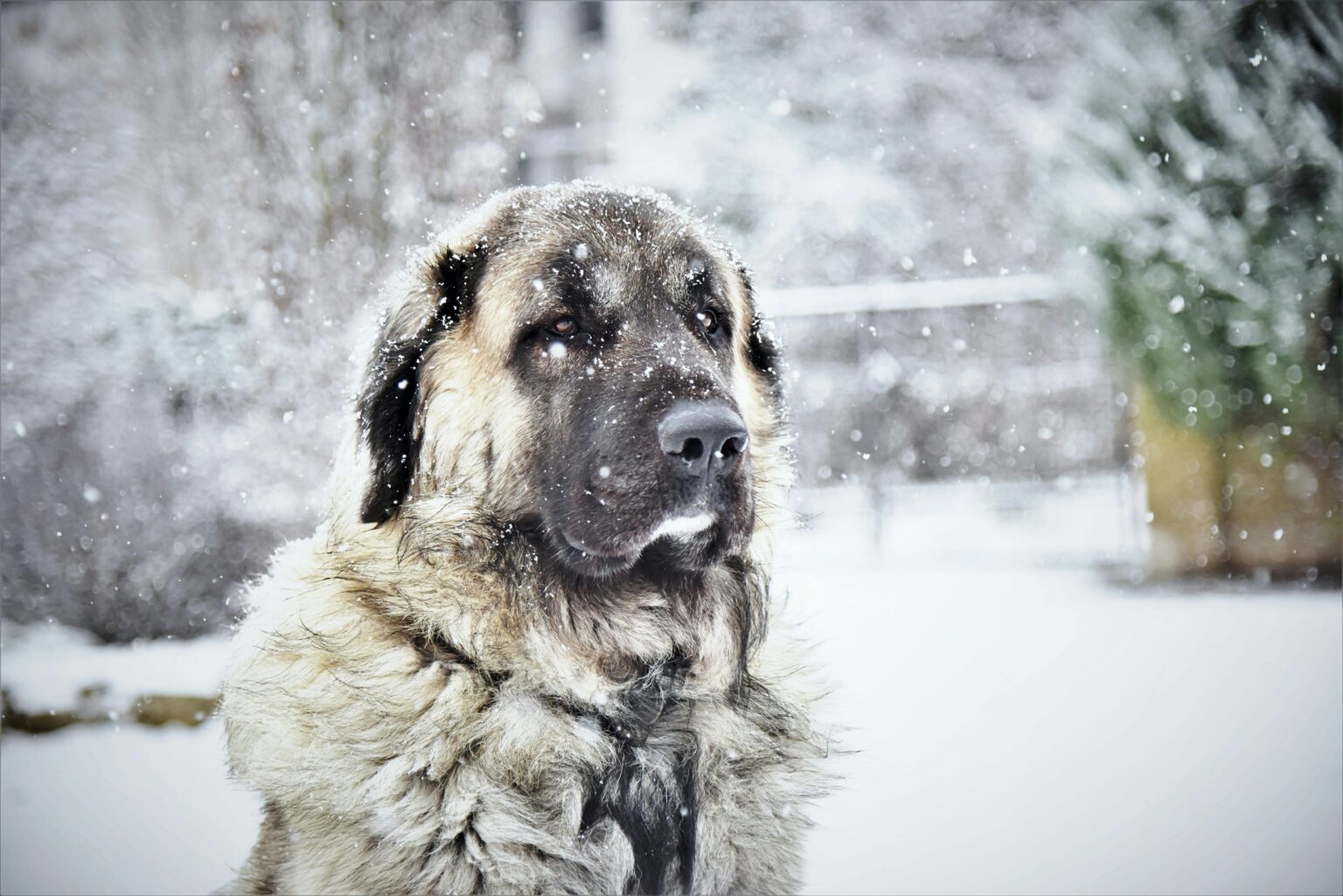
When winter hits, keeping an outdoor dog house safe and warm becomes a top priority. With the right insulation, elevated floors, and moisture-repelling bedding, you can transform your dog’s outdoor cubby into a cozy, cold-weather shelter.
For families with working dogs, livestock guardians, or breeds that thrive outdoors, how to keep an outdoor dog house warm in winter is not about luxury it is about biological survival. According to the American Veterinary Medical Association (AVMA) cold weather safety guidelines, freezing temperatures rapidly deplete a dog’s metabolic energy. If an outdoor shelter fails to retain heat, a dog can quickly succumb to hypothermia and frostbite.
Figuring out how to keep an outdoor dog house warm in winter requires more than throwing a blanket onto a concrete floor. It demands a deliberate, scientific approach to microclimate creation. By understanding the physics of heat loss and utilizing proper insulation techniques, you can transform a freezing wooden box into a safe, thermally shielded refuge.
Table of contents
- How to Keep an Outdoor Dog House Warm in Winter: The Thermal Shield
- How to Keep an Outdoor Dog House Warm in Winter: Combating Conductive Heat Loss
- How to Keep an Outdoor Dog House Warm in Winter: Preventing Radiative Heat Loss
- How to Keep an Outdoor Dog House Warm in Winter: Stopping Convective Heat Loss
- How to Keep an Outdoor Dog House Warm in Winter From the Ground Up
- How to Elevate a Dog House Off Frozen Ground for Winter Warmth
- How to Keep an Outdoor Dog House Warm in Winter Using Correct Bedding
- Is Straw or Hay Better for Dog Bedding in Winter?
- How to Keep an Outdoor Dog House Warm in Winter on a Budget
- How to Insulate a Wooden Dog House Cheap and Safely
- How to Keep an Outdoor Dog House Warm in Winter by Blocking Drafts
- How to Stop Wind Blowing Into a Dog House Effectively
- How to Keep an Outdoor Dog House Warm in Winter Using Active Heaters
- Choosing a Safe Heater for Outdoor Dog House Installations
- How to Keep an Outdoor Dog House Warm in Winter: Size and Location
- How to Keep an Outdoor Dog House Warm in Winter by Sizing it Correctly
- How to Keep an Outdoor Dog House Warm in Winter via Strategic Placement
- How to Keep an Outdoor Dog House Warm in Winter: Dietary Adjustments
- How to Keep an Outdoor Dog House Warm in Winter by Fueling the Dog
- Frequently Asked Questions on How to Keep an Outdoor Dog House Warm in Winter
The information and calculator data provided in this article are aggregated from peer-reviewed veterinary literature, including the Merck Veterinary Manual and AVMA guidelines. This content is for educational and informational purposes only and is not a substitute for professional veterinary advice, diagnosis, or treatment. Always consult with a licensed veterinarian before administering any medication or altering your pet’s health regimen.
How to Keep an Outdoor Dog House Warm in Winter: The Thermal Shield
How to Keep an Outdoor Dog House Warm in Winter: Complete Care Guide
Responsible pet care for how to keep an outdoor dog house warm in winter centers on meeting daily biological needs, providing mental enrichment, and maintaining regular veterinary checkups. Creating a predictable daily routine with balanced nutrition and safe physical play keeps your companion happy, healthy, and thriving.
| Comfort Dimension | Clinical Assessment Criterion | Home Modification Strategy | Veterinary Intervention |
|---|---|---|---|
| Mobility & Traction | Difficulty rising or slipping on smooth floors | Non-slip yoga mats and orthopedic memory beds | Adequan injections and NSAID pain management |
| Hydration & Nutrition | Reduced fluid intake or dental sensitivity | Elevated ceramic bowls and warmed wet food | Subcutaneous fluid therapy if indicated |
| Cognitive Health | Nighttime pacing, vocalizing, or disorientation | Predictable lighting routines and puzzle toys | SAMe, fatty acids, and neuroprotective supplements |
| Hygiene & Cleanliness | Urinary incontinence or grooming challenges | Waterproof washable pads and gentle hygiene wipes | Regular physical exams to prevent pressure sores |
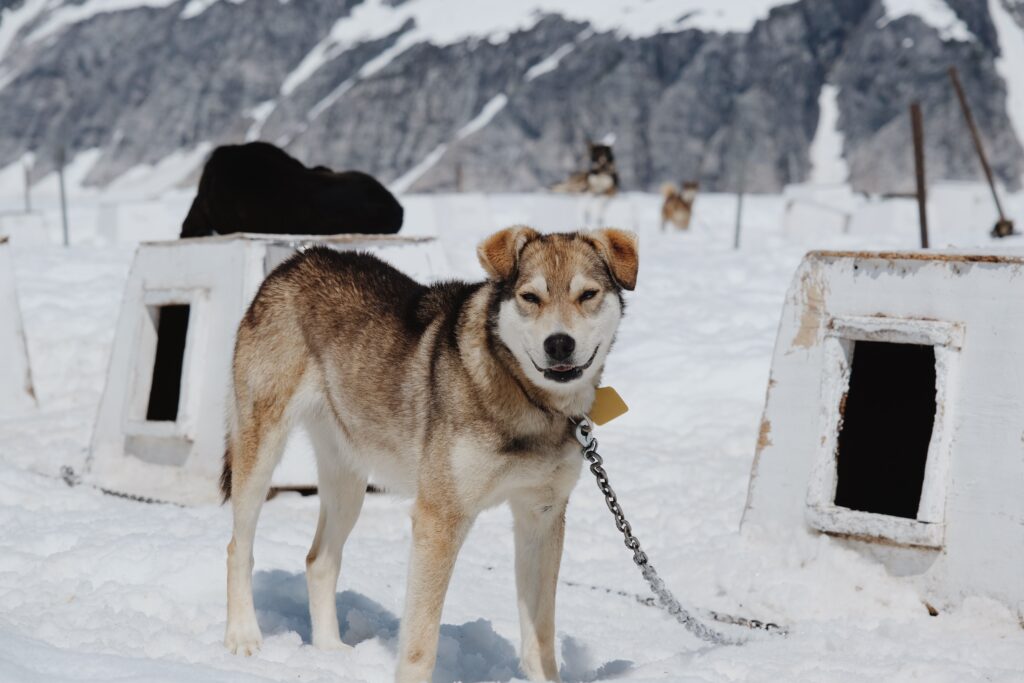
The core strategy for protecting an outdoor dog relies on the “Thermal Shield” approach. The ASPCA’s winter safety protocols stress that an effective dog house must address all three major avenues of heat loss simultaneously. If you only block the wind but fail to insulate the floor, your dog will still freeze.
Growth & Immunization Tracking: To predict your puppy’s adult weight based on current breed trajectory, use our interactive Puppy Growth Calculator. For core vaccine timelines and veterinary cost planning, refer to the Puppy Vaccination Schedule Tool.
| The Protection Zone | The High-Risk Winter Threat | The Best Winter Material | The Safety/Maintenance Rule |
|---|---|---|---|
| Floor & Ground Base | Conductive Heat Loss: Frozen soil siphons body heat through the floor | 4 to 6 inches of dry yellow barley straw over a raised wooden pallet | Fluff and replace weekly; never use blankets, fabric, or hay outdoors |
| Inner Wall Cavity | Radiative Heat Loss: Cold air passes right through thin wooden or plastic walls | Foil-faced rigid foam (polyisocyanurate) sandwiched between plywood | Seal all foam edges completely so the dog cannot chew or ingest insulation |
| Entrance & Doorway | Convective Heat Loss: Direct wind gusts blow snow and freezing drafts inside | Heavy-duty overlapping vinyl flap strips or an offset vestibule wall | Ensure the door flap fits snugly but does not trap the dog inside |
How to Keep an Outdoor Dog House Warm in Winter: Combating Conductive Heat Loss
Conductive heat loss is the stealthiest threat to an outdoor dog. It occurs when a dog lies directly on a freezing surface such as uninsulated wood or bare concrete. The freezing ground acts as a thermal vacuum, instantly draining the dog’s generated body heat downward. If you are learning how to keep an outdoor dog house warm in winter, you must aggressively address the floor structure first, well before you consider adding internal bedding.
How to Keep an Outdoor Dog House Warm in Winter: Preventing Radiative Heat Loss
Radiative heat loss happens when the body heat generated by the dog simply radiates outward, escaping through uninsulated, thin wooden or plastic walls. Upgrading the internal wall cavities is essential. By learning how to keep an outdoor dog house warm in winter through radiative barriers, you stop this ambient heat from instantly dissipating into the surrounding winter air, keeping the internal temperature drastically higher than the outside temperature.
Your dog deserves a cozy, weatherproof retreat they can call entirely their own and building one yourself is far more rewarding than you’d ever imagine. Follow this complete DIY dog house guide and create a comfortable, loving backyard sanctuary your furry best friend will happily claim as their absolute favorite spot on earth.
How to Keep an Outdoor Dog House Warm in Winter: Stopping Convective Heat Loss
Convective heat loss is driven by moving air. Freezing drafts and wind physically sweep the trapped warm air out of the dog house, replacing it with sub-zero gusts. Designing a proper entrance barrier is the only way to lock the internal heat inside. How to keep an outdoor dog house warm in winter is fundamentally tied to stopping convective drafts dead in their tracks.
How to Keep an Outdoor Dog House Warm in Winter From the Ground Up
The ground acts as a giant heat sink during the winter months. The Humane Society of the United States’ dog house building instructions explicitly state that an outdoor shelter resting directly on bare dirt or concrete will never stay warm, regardless of how much insulation is packed into the walls.
How to Elevate a Dog House Off Frozen Ground for Winter Warmth
Understanding how to elevate a dog house off frozen ground is your crucial first defensive step. Elevating the house creates a dead-air space underneath the floorboards, which physically disconnects the dog’s sleeping area from the frozen earth.
There are several highly effective ways to accomplish this:
- Wooden Shipping Pallets: Placing the dog house on a heavy-duty wooden pallet creates a solid 4 to 6-inch gap between the floor and the frost.
- Concrete Cinder Blocks: Arranging cinder blocks in a grid creates a highly stable, rot-proof foundation that lifts the house safely above snow accumulation levels.
- Pressure-Treated Skids: Attaching 4×4 pressure-treated lumber runners to the bottom of the dog house allows you to drag the house while keeping the floor fully elevated.
By mastering how to elevate a dog house off frozen ground, you eliminate over 50% of the conductive heat loss that makes unraised dog houses so dangerously cold.
Every indoor accident is simply a reminder that the right approach, the right consistency, and the right plan make all the difference in the world. Say goodbye to accidents once and for all with these proven, gentle house training strategies that work beautifully for pets of every age, breed, and personality without a single ounce of frustration or guilt.
How to Keep an Outdoor Dog House Warm in Winter Using Correct Bedding
One of the most common and most dangerous mistakes owners make is using indoor bedding outdoors. Fabric blankets, old towels, and plush indoor dog beds act like sponges in cold weather. They absorb moisture from the humid winter air and directly from the dog’s breath. This moisture eventually freezes solid, transforming a soft blanket into a slab of ice that rapidly accelerates hypothermia.
Is Straw or Hay Better for Dog Bedding in Winter?
When owners ask, is straw or hay better for dog bedding in winter, the definitive, veterinary-backed answer is always straw. Agricultural and pet housing experts are unanimous in this distinction because the physical structures of the two plants behave completely differently in cold weather.petscare
Hay is a heavy, moisture-dense livestock feed. It is designed to be eaten, not slept on. Because it retains moisture, hay quickly molds, rots, and attracts parasites when exposed to winter dampness.
Straw, conversely, consists of the dried, hollow stalks of grain plants (like wheat or barley) left over after the harvest. These hollow tubes physically trap warm air inside their structure, acting as a natural thermal barrier. Straw is naturally moisture-resistant and significantly less dusty than hay.
To properly utilize straw:
- Buy clean, dry yellow barley or wheat straw (avoid pine straw).
- Pack a dense layer, ideally 4 to 6 inches thick, deeply into the floor of the dog house.
- The dog will burrow into the straw, creating a perfectly insulated, nest-like bowl.
- Shake, fluff, and inspect the straw twice a week.
- Discard and replace any straw that becomes wet or soiled immediately.
By understanding why the answer to is straw or hay better for dog bedding in winter is straw, you provide your dog with the safest natural insulation available.
How to Keep an Outdoor Dog House Warm in Winter on a Budget
Professional-grade, custom-insulated dog houses can easily cost several hundred dollars. However, retrofitting an existing wooden structure is highly effective and incredibly cost-efficient. You do not need to buy expensive commercial shelters to achieve an excellent thermal rating; you just need the right materials and a weekend afternoon.
Your pet sees your home as one giant, endlessly fascinating adventure and it’s your job to make sure every corner of that adventure is completely safe for them. Follow this essential, thorough pet-proofing guide to eliminate every hidden hazard and create the warm, secure haven your beloved companion deserves to freely and confidently call home.
How to Insulate a Wooden Dog House Cheap and Safely
If you are looking for how to insulate a wooden dog house cheap, your best option is utilizing foil-faced rigid foam panels (polyisocyanurate). These boards are readily available at any local hardware store, cost very little per square foot, and offer exceptional R-value (thermal resistance).
Step-by-step guide for how to insulate a wooden dog house cheap:
- Measure the Cavities: Measure the interior walls, ceiling, and floor of the existing dog house.
- Cut the Foam: Use a retractable utility knife to score and snap the rigid foam boards to size. DIY insulation guides recommend using a straight edge for clean cuts to avoid a massive mess of foam dust.youtube
- Foil Facing Inward: Install the foam with the reflective foil side facing inward toward the dog. This reflects the dog’s radiant body heat back into the sleeping chamber.
- Sandwich the Foam: This is the most critical safety step. Exposed foam is a severe choking and ingestion hazard for dogs. You must sandwich the foam insulation by screwing thin, 1/4-inch plywood or hard plastic paneling directly over it.
- Seal the Edges: Use pet-safe silicone caulk to seal any gaps in the plywood, ensuring the dog cannot bite or scratch at the foam beneath.
By following these steps on how to insulate a wooden dog house cheap, you create a double-walled, thermally locked environment that rivals high-end commercial models for a fraction of the price.
How to Keep an Outdoor Dog House Warm in Winter by Blocking Drafts
A perfectly insulated dog house is entirely useless if a gaping, open doorway allows winter winds to constantly flush the warm air out. Controlling the doorway is essential for retaining the microclimate your dog’s body works so hard to generate.
How to Stop Wind Blowing Into a Dog House Effectively
To figure out how to stop wind blowing into a dog house, you must address convective heat loss. There are two primary methods for sealing a doorway, depending on the severity of your local climate.
Method 1: Heavy-Duty Vinyl Flaps
For moderate winter climates, installing heavy-duty, overlapping industrial vinyl strips across the doorway is highly effective. These are the same clear strips used in commercial freezer doors. They allow the dog to push through easily while snapping back into place to block wind. Ensure the flaps overlap by at least an inch to prevent drafts from slicing through the middle.
Method 2: The Offset Vestibule (The Gold Standard)
For extreme, sub-zero climates, flaps are not enough. How to stop wind blowing into a dog house in blizzard conditions requires structural alteration: the offset vestibule.
If the dog house is large enough, build an interior partition wall that covers half the width of the entrance. This forces the dog to enter a “mudroom,” turn a 90-degree corner, and then walk into the main insulated sleeping chamber. Because wind travels in a straight line, this baffle wall completely shields the sleeping bedroom from direct wind gusts, rain, and blowing snow.
How to Keep an Outdoor Dog House Warm in Winter Using Active Heaters
In dangerously low, sub-zero temperatures, especially for senior dogs, puppies, or short-coated breeds (like Pitbulls or Boxers), passive insulation and straw bedding are simply not enough. The American Kennel Club’s winter care guidelines recommend adding safe, canine-specific active heating elements to supplement their natural body heat when temperatures drop into the single digits.
That gloriously thick winter coat your horse has been sporting all season is ready to come off and the right tools make the whole process so much easier and more comfortable for you both. Discover the very best shedding tools for removing your horse’s winter coat quickly, gently, and effectively and help your magnificent equine companion step into the warmer months feeling lighter, fresher, and absolutely fantastic.
Choosing a Safe Heater for Outdoor Dog House Installations
Finding a safe heater for outdoor dog house use requires intense scrutiny. You must never, under any circumstances, use traditional space heaters, agricultural poultry heat lamps, or exposed heating coils. These are lethal fire hazards that can easily ignite wooden walls or straw bedding, and they can severely burn a dog that stands up suddenly in a confined space.
To implement a safe heater for outdoor dog house use, look for the following specialized options:
1. The Canine Furnace Box (e.g., Hound Heater)
This is the safest ambient air heater available. It utilizes a low-wattage ceramic heat emitter that is safely housed inside an unburnable, heavy-gauge steel cage. It mounts flush to the wall, out of the dog’s way, and features an internal thermostat that automatically shuts off if the house reaches a safe 50°F (10°C). Furthermore, the electrical cord is heavily armored in a steel tension spring, making it entirely chew-proof.
2. Weatherproof Heated Pet Mats
If you prefer targeted heat, use a rigid, weatherproof, chew-resistant heated pet mat. These mats are designed specifically for outdoor use and operate at a very low wattage. The best models only turn on when the dog applies physical weight to the mat, warming to match the dog’s normal body temperature (around 101°F). Crucially, these mats must also feature steel-wrapped electrical cords to prevent electrocution hazards.
By investing in a verified safe heater for outdoor dog house use, you eliminate the risk of fire while ensuring your dog survives the most brutal winter nights.
How to Keep an Outdoor Dog House Warm in Winter: Size and Location
Many owners believe that giving a dog a massive, sprawling dog house is a luxury. In winter, excessive space is an enemy.
How to Keep an Outdoor Dog House Warm in Winter by Sizing it Correctly
A dog house relies entirely on the dog’s body to act as the internal furnace. If the dog house is too large, the dog’s body heat will simply dissipate into the vast, empty ambient air space, leaving them freezing.
The ideal dog house should be just large enough for the dog to walk inside, turn around in a circle, and lie down comfortably curled up. The roof should only be an inch or two higher than the dog’s head when standing. By keeping the cubic volume of the house small, the dog’s body heat can quickly warm the immediate surrounding air.
How to Keep an Outdoor Dog House Warm in Winter via Strategic Placement
Location is just as important as insulation. Never place a dog house in the middle of an open, wind-swept yard.
- Place the dog house flush against the wall of your home, garage, or a sturdy garden shed to utilize the larger building as a massive windbreak.
- Face the doorway away from the prevailing winter winds. (In North America, winter winds predominantly blow from the North and West, so facing the door East or South is generally safest).
- Ensure the area around the dog house has proper drainage so melting snow does not pool and freeze directly under the shelter.
How to Keep an Outdoor Dog House Warm in Winter: Dietary Adjustments
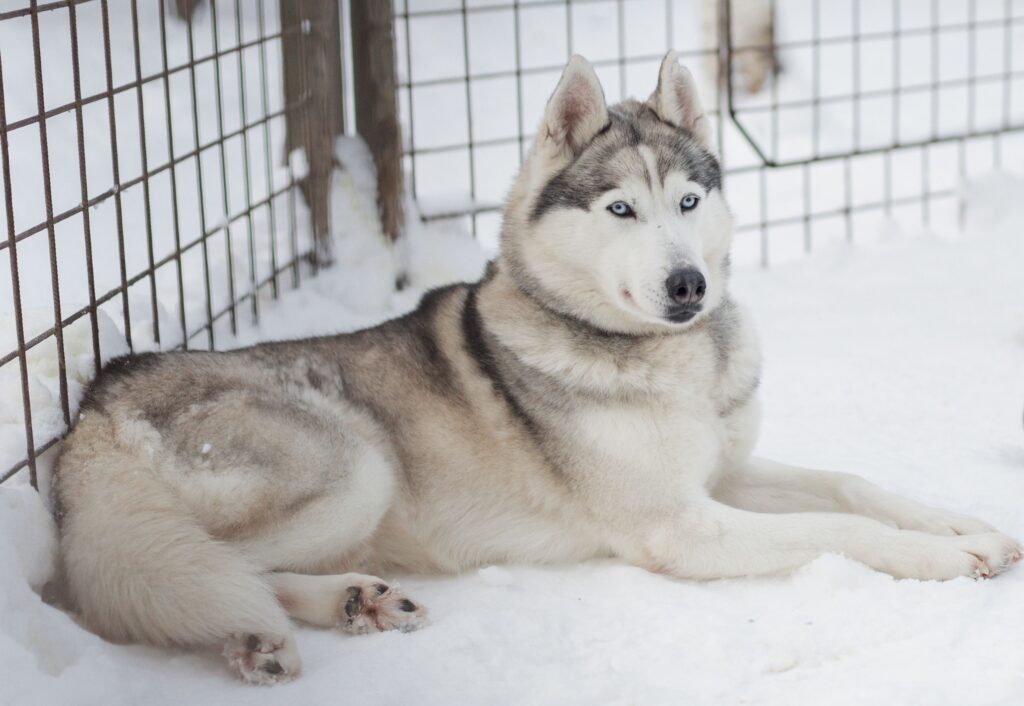
Keeping a dog warm requires internal fuel. Outdoor dogs burn significantly more calories in the winter simply shivering and maintaining their core body temperature.
How to Keep an Outdoor Dog House Warm in Winter by Fueling the Dog
Veterinary nutritional guidelines suggest that outdoor dogs may require a 10% to 20% increase in their daily caloric intake during extreme cold. Providing a high-quality, high-protein diet with extra healthy fats (like salmon oil) gives their metabolism the fuel it needs to generate heat.pethealthmd
Furthermore, hydration is critical. A dog cannot regulate its body temperature if it is dehydrated, and outdoor water bowls freeze solid in hours. You must invest in a heavy-duty, chew-proof heated water bowl to ensure your dog has constant access to liquid water 24/7.
Frequently Asked Questions on How to Keep an Outdoor Dog House Warm in Winter
Absolutely not. Agricultural or poultry heat lamps are extreme fire hazards. They shatter easily if bumped by a wet nose or a wagging tail, and their exposed bulbs can severely burn a dog. Always use a specialized, steel-caged safe heater for outdoor dog house environments.
Straw is definitively better. It is hollow, trapping air for insulation, and it resists moisture. Hay is a heavy food crop that absorbs water, molds quickly, and provides terrible thermal protection.
If your dog destroys vinyl flaps, your only reliable option is building an internal offset vestibule. By installing a baffle wall just inside the entrance, you create a hallway that blocks the wind physically, requiring no chewable flaps.
Use pressure-treated 4×4 lumber skids attached to the bottom. This keeps the massive weight distributed evenly, raises the floor off the freezing soil, and allows you to attach a tow strap to drag the house to a better location if needed.
Purchase standard foil-faced foam boards, cut them to fit between the wall studs, and then immediately cover them completely with 1/4-inch plywood. If the foam is entirely sandwiched between the exterior wall and the interior plywood, the dog cannot access it to chew it.
🐾 Related Resources & Interactive Tools in This Guide:
- Interactive Calculator: Pet Quality of Life Scale & Comfort Checklist — Assess senior pet comfort, pain thresholds, and vitality using the clinical HHHHHMM scale.
- Clinical Resource: How to Measure a Horse for a Saddle: Complete Fitting Guide 2026
- Behavior & Training Guide: Older Cat Mental Stimulation
- Related Expert Guide: Dog Friendly Events: Festivals, Walks, and Pet Expos
📚 Related Topic Cluster Guides & Veterinary Tools
Explore our complete Pet Lifestyle & Living Hub for comprehensive guides, veterinary diagnostic checklists, and daily care protocols.
- 20 Best Dog Halloween Toys for Safe, Spooky Fun in 2026: Complete Safety Guide for Pet Parents
- Dog Sitter vs Dog Daycare: The Ultimate Pet Supervision Guide for Happy, Safe Dogs in 2026
- Best Dog Toys and Collectibles From Around the World: The Ultimate 2026 Guide
- Smart Dog Tech Gadgets: The Complete 2026 Buyer’s Guide
- Interactive Tool: Veterinary Quality of Life (HHHHHMM) Scale Checklist