⚕️ Veterinary Data & Research Notice: The information and calculator data provided in this article are aggregated from peer-reviewed veterinary literature, including the Merck Veterinary Manual and AVMA guidelines. This content is for educational and informational purposes only and is not a substitute for professional veterinary advice, diagnosis, or treatment. Always consult with a licensed veterinarian before administering any medication or altering your pet’s health regimen.
A pet spa day at home is one of the most meaningful gifts you can give your companion animal a dedicated block of time where grooming, bonding, health monitoring, and sensory relaxation converge into something genuinely restorative for both pet and owner. Unlike a routine brush-and-trim, a true pet spa day is an intentional, multi-sensory experience: the room is prepared, the environment is calming, the tools are chosen with the pet’s comfort as the priority, and every treatment from bath to pawdicure is delivered with the slow, patient attention that transforms a grooming chore into a bonding ritual.
In 2026, the defining philosophy of pet spa day culture is “Low-Noise is the New Luxury.” Veterinary behaviorists and professional groomers increasingly emphasize that the emotional toll of traditional grooming loud clippers buzzing above 90 dB, high-pitched dryers, the sudden crackle of Velcro creates cumulative acoustic stress that makes pets less cooperative over time. The 2026 home groomer invests in ultra-quiet pet clippers, silent drying techniques, and low-vibration tools not because of convenience, but because a low-decibel environment is the single most effective way to prevent sensory overload and ensure every pet spa day ends with a relaxed, trusting animal.
This complete guide covers every dimension of the at-home pet spa day experience from sensory environment setup and clean skincare formulations through specialized spa treatments, therapeutic massage, and 2026’s most exciting wellness innovations.
💡 Before You Begin:
- Choose a time when your pet is naturally calm after a walk, play session, or meal
- Gather all supplies before bringing your pet into the grooming area
- Keep sessions to your pet’s tolerance level a positive incomplete spa day is better than a complete stressful one
- For pets with skin conditions, ear infections, or significant matting, consult your veterinarian before beginning any spa treatment
- Fear Free Pets and the ASPCA offer veterinarian-reviewed grooming guidance for anxious animals
Table of contents
- Pet Spa Day: Setting the Mood
- Acoustic Comfort: Reducing Grooming Noise Stress
- Pet Spa Day: Low-Noise Grooming Tools 2026
- Pet Spa Day: Skin-First Grooming and Clean Products
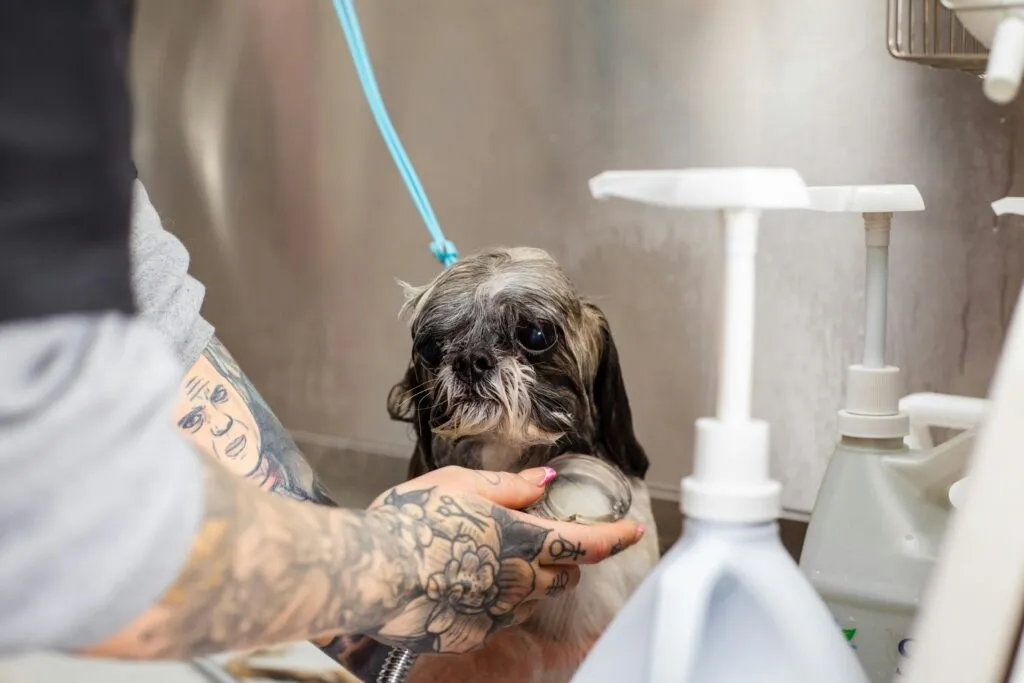
- Pet Spa Day: The Full Bath Experience
- Pet Spa Day: Specialized Treatments
- Pet Massage Techniques for Joint Health
- Pawdicure: Trimming and Moisturizing Pet Pads
- Complete pawdicure sequence:
- Blueberry Facials for Dogs
- Gentle Ear Cleaning for Floppy Breeds
- Tear Stain Removal for Light-Colored Pets
- Lick Mats as a Spa Day Distraction
- Pet Spa Day: 2026 Wellness Innovations
- Functional Spa Treats: Adaptogens and Functional Mushrooms
- Smart Grooming Tools for At-Home Use
- Predictive Health Monitoring During Grooming
- Pet Spa Day: The Complete Session Schedule
- FAQ About Pet Spa Day
- Next Steps: Building Your Pet’s Spa Routine
Pet Spa Day: Setting the Mood
Pet Spa Day: Hygiene & Coat Protocol
Proper care for pet spa day centers on gentle weekly brushing, regular ear and paw inspections, and using species-specific, pH-balanced washes. Routine grooming removes trapped dander, prevents painful matting, and preserves the lipid barrier essential for healthy skin.
| Key Care Dimension | Recommended Standard | Primary Benefit | Management Best Practice |
|---|---|---|---|
| Preventative Veterinary Care | Annual or biannual clinical checkups | Early detection of underlying disease | Maintain up-to-date vaccine and wellness records |
| Species-Appropriate Diet | Formulated to life stage and activity level | Optimal muscle tone and metabolic balance | Measure exact daily feeding portions consistently |
| Environmental Enrichment | Daily mental exercise and physical activity | Prevents boredom and destructive behaviors | Rotate interactive toys and training games weekly |
| Emergency Preparedness | Dedicated pet emergency fund or insurance policy | Guarantees immediate medical care access | Keep 24-hour ER clinic contact readily accessible |
The most overlooked aspect of a successful pet spa day is the environment itself before a single brush stroke or water droplet, the sensory atmosphere you create determines whether your pet experiences the session as stressful or genuinely relaxing.
Creating a Pet-Safe Aromatherapy Environment
Creating a pet-safe aromatherapy environment is the first room-preparation step in pet spa day planning using scent to communicate safety before grooming begins.
Pheromone diffusers for grooming relaxation:
Per Feliway‘s clinical research, synthetic feline facial pheromone analogues (Feliway Classic for cats) and canine appeasing pheromones (Adaptil for dogs) reduce stress-related behaviors in the majority of animals when diffused in the grooming environment. For best results:
- Plug in the pheromone diffuser 24–48 hours before the spa day (not at the moment of grooming pheromones require time to accumulate to effective concentration)
- Place diffuser at pet nose height in the grooming room
- Alternatively, spray Feliway or Adaptil on the grooming mat, towels, and nearby surfaces 20–30 minutes before the session begins
Pet-safe essential oil aromatherapy (diffused only never topical):
- Lavender (Lavandula angustifolia): The most evidence-supported calming scent for both dogs and cats in diffused form several studies document reduced stress vocalization and heart rate
- Chamomile (Roman): Mild, apple-like scent; anti-anxiety properties; safe for both species when diffused in a well-ventilated room
- Frankincense: Grounding and calming; traditionally used in veterinary aromatherapy
Critical safety rules for pet aromatherapy:
- Diffuse only never apply essential oils directly to pet skin or coat
- Never diffuse in a small, unventilated space pets must be able to leave the room
- Cats are uniquely sensitive: Never diffuse tea tree, eucalyptus, citrus, peppermint, or pine oils in any space accessible to cats these are genuinely toxic to felines per ASPCA Animal Poison Control
- Always ensure the pet can leave the scented area if they choose to forced exposure defeats the calming purpose
Calming Music for Dogs and Cats
Calming music for dogs and cats is one of the most underutilized yet scientifically validated tools in the pet spa day environment with specific frequency profiles that directly reduce feline and canine cortisol.
Per AppletonPC’s 2026 comprehensive analysis of pet-calming sound research, “gentle music nudges the autonomic nervous system toward rest-and-digest” with the following species-specific guidance:
Species-appropriate calming frequencies:
| Species | Calming Frequency Range | Best Instruments | Tempo |
|---|---|---|---|
| Dogs | 200 Hz–4 kHz | Warm piano, mellow strings, nylon guitar | 60–90 bpm |
| Cats | 250 Hz–6 kHz | Soft piano, gentle strings, woodwinds | 55–80 bpm |
Key principles:
- Keep volume at conversational level or below (40–50 dB) pets hear 4× more acutely than humans and perceive your “comfortable background music” as much louder
- Avoid bright cymbals, distorted guitars, electronic beats, or piercing synths these upper-frequency transients keep the nervous system “on alert” and actively increase arousal
- Per AppletonPC, “predictable, low-intensity sound reduces startle responses and can moderate stress hormones such as cortisol” consistency matters more than genre
2026 recommended playlists:
- Calm Dog Anxiety Relief – Peaceful Ambience Music on Spotify species-composed music specifically formatted for grooming sessions
- “Through a Cat’s Ear” series by BioAcoustic Research & Development species-specific frequency-adapted music scientifically validated for feline stress reduction
Soft Lighting for Pet Anxiety Reduction
Soft lighting for pet anxiety reduction is one of the most elegant and effortless environmental modifications for a successful pet spa day requiring nothing more than a dimmer switch or lamp choice.
Overhead fluorescent or bright LED lighting creates a clinical, high-alert environment that works against the relaxation goals of pet spa day. Bright, direct light also causes subtle pupil constriction that the nervous system interprets as high-vigilance conditions. By contrast:
- Dim, warm-toned lighting (2700K color temperature or below) creates the neurological equivalent of dusk conditions naturally associated with rest and reduced arousal
- Natural diffused light from a shaded window is ideal
- Himalayan salt lamps: Warm, amber glow; gentle heat; popular in pet spa settings as a low-intensity light source
- Avoid flickering lights (fluorescent tubes with aging ballasts) subtle flicker is imperceptible to humans but detectable to dogs and causes persistent low-level stress
Your pet’s paws are their foundation and they deserve just as much love and attention as the rest of their body. Get this comprehensive paws and claws care guide that covers everything from moisturizing cracked pads to protecting those precious little feet through every season and every adventure.
Acoustic Comfort: Reducing Grooming Noise Stress
Acoustic comfort and reducing grooming noise stress is the central theme of pet spa day in 2026 the dimension that separates a genuine luxury experience from an ordinary at-home grooming session.
Standard grooming noise threats and their solutions:
| Noise Source | Standard Level | Low-Noise Alternative |
|---|---|---|
| Traditional clippers | 65–90 dB | Quiet clippers <50 dB; ultra-quiet <40 dB |
| Conventional blow dryers | 70–85 dB | Silent pet blow dryers 45–55 dB |
| Nail grinders (standard) | 70–90 dB | Low-vibration grinders <40 dB |
| Velcro grooming wraps | Sharp crack | Soft tie or snap closures |
| Metal bowl/tool contact | Clanging | Rubber-bottomed tools; silicone mat surface |
Per ClipMyPaws, ultra-quiet pet clippers operating at “less than 50 dB while still delivering high-speed strong power” represent the standard that makes home grooming accessible to previously unmanageable anxious pets. Compare this to standard clippers at 90 dB—engine-level noise that many pets find genuinely terrifying.
Happy paws make for a happy, active, pain-free pup and keeping them that way is easier than you think. Discover 10 pawsome, practical ways to keep your dog’s feet fit and healthy that every devoted dog parent should have in their everyday care routine.
Pet Spa Day: Low-Noise Grooming Tools 2026
The 2026 pet spa day toolkit is defined by the quiet grooming revolution tools engineered specifically for pet emotional wellbeing alongside functional performance.
Low-Vibration Pet Clippers 2026
Low-vibration pet clippers are the most transformative single-tool upgrade in pet spa day grooming because vibration, not just sound, is a primary fear trigger for noise-sensitive pets.
Traditional clippers transmit vibration directly through the housing into the pet’s coat and skin, creating a persistent buzzing sensation that many animals find deeply aversive. Low-vibration models use:
- Brushless motor technology (quieter, lower vibration, longer lifespan)
- Rubber vibration-dampening housing
- Floating blade systems that reduce metal-to-skin contact transmission
2026 leading low-vibration clipper options:
- ClipMyPaws Cordless Pet Clipper: Under 50 dB; ceramic blades (stay cooler and sharper than steel blade heat is a second major stress trigger); 90-minute cordless run time; suitable for all coat types
- Oneisall Low-Noise Pet Clipper: Brushless motor; adjustable blade speed; under 50 dB; USB-C rechargeable
- Wahl Bravura Lithium Ion: Professional-grade; 5-in-1 adjustable blade; whisper-quiet motor; preferred by Fear Free certified groomers
Electric Pet Nail Grinders vs Traditional Clippers
Electric pet nail grinders vs traditional clippers is the pivotal nail care decision in pet spa day planning with significant welfare implications for noise-sensitive and trauma-associated pets.
Traditional clippers: Sudden, high-pressure guillotine or scissor action; unpredictable if the quick is accidentally hit, causes pain and lasting nail-trimming aversion; no audible warning signal before the cut
Electric nail grinders:
- Gradual, controllable material removal with no sudden pressure or “snap”
- Smooth, rounded edge result (eliminates sharp edges that scratch furniture and humans)
- Per the Silent Groom Pro, the best 2026 models operate at under 40 dB “whisper-quiet level that significantly reduces the stress and anxiety pets often feel during nail trims” compared to standard grinders at over 90 dB
- Adjustable speed settings allow starting at lowest vibration for desensitization
For the pet spa day nail grooming experience:
- Introduce the grinder running (not touching the pet) with treats until the pet ignores the sound
- Touch the running grinder to a towel or your hand while feeding treats
- Progress to brief contact with one nail reward immediately
- Build to complete all nails across multiple short sessions rather than forcing all at once
Silent Pet Blow Dryers With Heat Control
Silent pet blow dryers with heat control represent the final piece of the 2026 low-noise pet spa day toolkit replacing the traumatic conventional experience with genuine therapeutic drying.
Standard human hair dryers operate at 70–85 dB and produce heat that reaches skin-burning temperatures within seconds of close application. They are one of the most common sources of post-bath panic in pets. Per Beverly Hills Veterinary Associates’ spa day guidance, after bathing, “towel dry as much as possible” before introducing any mechanical drying.
2026 silent pet dryer specifications to look for:
- Operating noise: Below 55 dB (human whisper level)
- Multiple heat settings including “cool” option
- Adjustable airflow speed
- Ionic technology (reduces static; leaves coat smoother and shinier)
- Diffuser attachment for dispersed airflow (prevents localized hot spots)
The Kakipi Pet Grooming Kit (widely available through major retailers) integrates a quiet dryer, clipper, and shedding brush in a single system operating at reduced noise levels specifically designed for home pet spa day use.
Silent drying technique (no dryer required):
For highly noise-sensitive pets, towel burrito wrapping + air drying in a warm room (70°F+) is always an option. Layered microfiber towels wick moisture significantly more efficiently than standard cotton often achieving dry coat without any mechanical drying for short-haired breeds.
Self-Cleaning Pet Brushes
Self-cleaning pet brushes transform one of the most tedious aspects of pet spa day into an effortless experience maintaining brush effectiveness throughout a long spa session without stopping to manually de-hair the tool.
How they work: A retractable bristle mechanism (activated by a button push) pulls collected hair from between bristles into a removable compartment or to the surface for easy removal with one motion.
2026 leading self-cleaning brushes:
- FURminator deShedding Self-Cleaning Slicker: Stainless steel pins retract into the head housing with one button push; excellent for double-coat breeds
- Hertzko Self-Cleaning Slicker Brush: Fine bent wire bristles; retractable for one-touch cleanup; works on all coat types
- Safari Self-Cleaning Slicker: Budget-friendly; widely available; effective for routine spa day brushing
Brush selection by coat type:
| Coat Type | Recommended Tool |
|---|---|
| Short, smooth (Beagle, Siamese) | Soft bristle brush + rubber grooming mitt |
| Medium, double coat (Golden Retriever, Maine Coon) | Slicker brush + undercoat rake |
| Long, fine (Yorkshire Terrier, Angora) | Wide-tooth comb + soft pin brush |
| Wire/coarse (Terriers, Schnauzers) | Stripping comb + slicker brush |
| Curly/wavy (Poodle, Labradoodle) | Slicker brush + metal comb |
Every brushing, every bath, every trim adds up to something truly powerful a healthier, happier dog. Explore the surprising, science-backed health benefits of regular dog grooming that go far beyond good looks and make a genuine difference in your dog’s overall quality of life.
Pet Spa Day: Skin-First Grooming and Clean Products
The 2026 pet spa day philosophy is skin-first recognizing that a shiny, healthy coat is the surface expression of healthy skin, and that the products used either support or undermine the microbiome, moisture barrier, and pH balance that skin health depends on.
Sulfate-Free Hypoallergenic Pet Shampoos
Sulfate-free, hypoallergenic pet shampoos are the non-negotiable foundation of a clean pet spa day product philosophy—eliminating the most common chemical triggers of post-bath skin irritation.
Why sulfates are problematic for pet skin:
Sodium lauryl sulfate (SLS) and sodium laureth sulfate (SLES) the foaming agents in most conventional shampoos are effective degreasers but strip the skin’s natural oil barrier, disrupting the acid mantle that protects against bacterial invasion. For pets with sensitive skin, environmental allergies, or diagnosed dermatitis, sulfate exposure perpetuates the skin inflammation cycle.
2026 clean pet shampoo standards:
- Sulfate-free (no SLS, SLES, or ammonium lauryl sulfate)
- Paraben-free (preservatives linked to endocrine disruption)
- Artificial fragrance-free (synthetic fragrances are the leading cause of contact dermatitis in pets)
- pH-balanced for species: 6.2–7.2 for dogs; 6.2–7.2 for cats (different from human skin pH of 5.5)
- Plant-based surfactant cleaners (coco-glucoside, decyl glucoside)
2026 top clean pet shampoo recommendations:
- Burt’s Bees Hypoallergenic Shampoo for Dogs: Sulfate-free; fragrance-free; pH-balanced; widely veterinarian-recommended
- Veterinary Formula Clinical Care Hypoallergenic Shampoo: Developed with dermatologists; gentle enough for twice-weekly use
- Earthbath All Natural Pet Shampoo: Plant-based; biodegradable; no parabens or sulfates
Oatmeal and Aloe-Based Skin Soothing Baths
Oatmeal and aloe-based skin soothing baths deliver the therapeutic dimension of pet spa day bathing addressing skin inflammation, itch, and dryness simultaneously with the gentlest evidence-based ingredients available.
Why oatmeal and aloe work:
- Colloidal oatmeal: Contains avenanthramides anti-inflammatory flavonoids that inhibit histamine release (reducing itch at the cellular level), form a protective film on the skin surface (moisture barrier), and provide mild cleansing via saponins
- Aloe vera gel: Contains acemannan a polysaccharide with anti-inflammatory, antimicrobial, and wound-healing properties; soothes post-scratch skin irritation and reduces transepidermal water loss
DIY oatmeal and aloe spa bath:
- Blend 1/2 cup plain unflavored colloidal oats to fine powder
- Dissolve powder in 2 cups warm water; strain through fine mesh
- Add 2 tablespoons pure aloe vera gel (no additives or fragrance)
- Apply mixture to pre-wetted coat; massage gently for 3–5 minutes
- Rinse completely with warm clean water
- Follow with diluted apple cider vinegar rinse (2 tablespoons ACV in 1 cup water) to restore coat pH
Per the American Kennel Club (AKC), oatmeal baths are “generally safe for most dogs” and provide genuine anti-itch and skin soothing benefits—making them ideal for the therapeutic pet spa day bathing experience.
Microbiome-Friendly Pet Skincare
Microbiome-friendly pet skincare is the most sophisticated dimension of 2026 pet spa day product philosophy recognizing that the skin’s resident microbial community is as important to pet health as the products we apply to it.
Per veterinary dermatology research published through VCA Animal Hospitals, the skin microbiome the community of commensal bacteria living on healthy skin actively suppresses pathogenic organisms, maintains skin pH, and regulates inflammatory responses. Over-bathing, harsh detergents, and antibiotic-containing products disrupt this community, paradoxically increasing susceptibility to the bacterial overgrowth they’re meant to prevent.
Microbiome-supportive spa practices:
- Use sulfate-free, low-surfactant shampoos that clean without strip
- Limit shampoo baths to necessity (every 4–6 weeks for most dogs; monthly for most cats)
- Follow every bath with a pH-balancing ACV rinse to restore skin acid mantle
- Avoid unnecessary antibacterial additives in routine grooming products
- Apply probiotic-containing skin sprays between spa days (products containing Lactobacillus strains now available in veterinary specialty markets)
Detangling Sprays for Matted Fur
Detangling sprays for matted fur are essential pet spa day preparation tools for long-haired breeds applied before brushing to prevent the traction-based pain and skin damage that makes grooming aversive.
How detangling sprays work:
Silicones (dimethicone, cyclomethicone) or natural conditioning agents (argan oil, coconut oil) coat individual hairs and reduce the friction that causes tangle-tightening during brush contact. Applied to damp or dry coat 2–3 minutes before brushing, they allow knots to slide apart with minimal force.
DIY detangling spray recipe:
- 1 tablespoon fractionated coconut oil
- 1 tablespoon pure aloe vera gel
- 1 cup distilled water
- 3 drops lavender essential oil (dog-safe; omit for cats)
- Combine in spray bottle; shake well before each use; apply to coat sections before brushing
Commercial recommendations:
- The Stuff Concentrate (diluted per label): Professional-grade detangler; widely used by show groomers
- BioSilk for Pets Detangling Spray: Silk protein-based; adds smoothness while detangling
For severe mats: Never attempt to brush out a severe mat this causes significant pain and skin trauma. Apply detangling spray; allow 5 minutes; attempt to separate with fingers from the mat base outward; use blunt-end mat splitter tool before brushing. Mats closer than 1/4 inch from skin require professional grooming or veterinary clipping.
Those little clicks on your hardwood floors are your pet’s gentle reminder that nail trim day has arrived. Master the art of nail trimming with these calm, confident techniques that keep your pet’s paws in perfect shape without the stress, the struggle, or the drama.
Pet Spa Day: The Full Bath Experience
The bath is the centerpiece of every pet spa day and the quality of the experience determines whether your pet looks forward to or dreads the next one.
The Pre-Bath Brushing Protocol
Every pet spa day bath should begin with thorough dry brushingremoving loose hair, surface debris, and preliminary tangles before water contact.
Why pre-bath brushing is non-negotiable:
Water tightens existing tangles into dense knots that become significantly harder to remove post-bath. A brush-first approach also distributes natural skin oils that haven’t yet been stripped by bathing, preserves more of the coat’s natural protective coating, and makes the shampooing phase more efficient by exposing skin-level debris for removal.
Pre-bath brushing sequence:
- Self-cleaning slicker brush (body sections, top coat)
- Metal comb (check for remaining tangles if comb passes through freely, coat is ready for bathing)
- Apply detangling spray to any remaining resistant knots; work out gently before proceeding
DIY Chamomile Tea Paw Soaks
DIY chamomile tea paw soaks are one of the most beloved specialized treatments in pet spa day culture providing genuine anti-inflammatory and soothing benefit to pads irritated by walking surfaces, environmental allergens, or seasonal pollen contact dermatitis.
Why chamomile works for paw soaks:
Chamomile (Matricaria chamomilla) contains alpha-bisabolol and apigenin two anti-inflammatory and antipruritic compounds with well-documented skin calming properties. Warm water soaking simultaneously softens pad callusing, loosens surface debris from between toes, and creates a warm, relaxing sensation that most dogs genuinely enjoy.
DIY chamomile paw soak protocol:
- Brew 4 chamomile tea bags in 4 cups boiling water
- Allow to cool to comfortably warm (test on inner wrist) approximately 98–102°F
- Pour into a wide, shallow basin (deep enough to cover paws to wrist/ankle level)
- Gently place pet paws in the basin; allow 5–10 minutes of soaking
- Pat completely dry after soaking including between all toe pads (residual moisture between toes promotes yeast growth)
- Apply paw balm after drying
Per PetMD, paw soaking is particularly beneficial for dogs with seasonal allergies removing environmental pollen and allergens that accumulate between paw pads during outdoor time.
Pet Spa Day: Specialized Treatments
The specialized treatment phase is what elevates a routine grooming session into a genuine pet spa day personalized, targeted treatments that address individual needs with care and precision.
Pet Massage Techniques for Joint Health
Pet massage techniques for joint health are the most therapeutically substantive element of a complete pet spa day with veterinarian-documented benefits to circulation, flexibility, pain management, and emotional wellbeing.
Per MedVet’s veterinary massage therapy guide, regular massage sessions “can reduce muscle tension, manage chronic pain, improve circulation, and support emotional wellbeing.” Per Uptown Veterinary Hospital, the therapy “improves blood and lymph circulation, increases range of motion, improves digestion, and may play a role in lowering blood pressure—it may also reduce swelling and stiffness in muscles and joints, improve flexibility, and help your pet sleep better.”
Predictive health monitoring during massage:
Critically, per Uptown Veterinary Hospital and HAH Pets veterinary guidance, “when you massage your dog or cat regularly, you’ll also notice lumps, bumps, rashes or infections immediately” making the pet spa day massage simultaneously a health surveillance tool and a therapeutic treatment.
Dog massage sequence (per Beverly Hills Veterinary Associates):
- Effleurage (warm-up): Long, sweeping strokes from head to tail; both hands; firm but gentle; 2–3 minutes. Activates circulation, warms tissue, signals intent
- Head and neck: Gentle fingertip circles starting at top of head; work down neck; pause on shoulders “stay on the shoulders awhile, as this area bears a lot of weight”
- Back and spine: Long strokes on either side of the spine (never directly on the vertebral column); work from withers toward hindquarters; note any areas of muscle tightening or flinching
- Hindquarters and hip joints: Gentle kneading (petrissage) over gluteal muscles; particularly beneficial for dogs with hip dysplasia or arthritis. Per Simon Vet Surgical, petrissage “involves kneading and compressing the muscles to help release tension and increase blood flow—especially helpful for dogs with arthritis”
- Leg and joint work: Gentle range-of-motion movements (gently flex and extend each joint through comfortable range); finish with long strokes down each leg
- Final effleurage: Return to long, calming full-body strokes; 2 minutes; completes the relaxation response
Cat massage sequence (per Beverly Hills Veterinary Associates):
“Pet your cat gently from head to tail, and vary this motion with circular massage on your cat’s head and around the ears. Follow your cat’s cues and stop if they seem uncomfortable.” Cats are more variable in massage tolerance; session length and technique must follow the individual cat’s body language cues.
Pawdicure: Trimming and Moisturizing Pet Pads
A pawdicure is the signature specialized treatment of every pet spa day combining nail care with pad conditioning into a complete paw health ritual.
Complete pawdicure sequence:
Step 1 Post-soak pad assessment:
After chamomile paw soaking, assess each pad under good light:
- Cracks, cuts, or abrasions requiring veterinary attention
- Excessive callusing suggesting hard surface chronic exposure
- Redness or swelling between toe pads
- Foreign material embedded in pad (glass, thorns, gravel)
Step 2 Nail grinding or trimming:
Use the ultra-quiet nail grinder (see above) or sharp guillotine clippers for pet nail care during pet spa day:
- Identify the “quick” (pink vascular area in lighter nails; shine a flashlight through dark nails to illuminate vascular shadow)
- Grind or cut 2mm beyond the quick only
- If accidentally cutting the quick: apply styptic powder or cornstarch immediately; hold firm pressure for 30 seconds
- File smooth any sharp edges after cutting
Step 3 Trim paw pad fur:
Long fur between the toe pads on breeds like Golden Retrievers, Poodles, and Spaniels accumulates debris, harbors ice balls in winter, and reduces traction. Using blunt-ended scissors or a cordless trimmer on low, carefully trim fur level with the pad surface.
Step 4 Balm for dry dog noses and paws:
Apply a generous amount of pet-safe paw balm after drying and trimming to complete the pawdicure:
- Musher’s Secret Paw Protection Wax: Food-grade waxes; protects against hot pavement, ice, and salt
- Natural Dog Company Paw Soother: Organic ingredients; excellent for cracked, dry pads
- Burt’s Bees Paw & Nose Lotion: Rosehip oil and chamomile; widely available; veterinarian-reviewed formulation
- DIY option: Pure shea butter + coconut oil (equal parts) melted together; cooled to solid; apply to pads and nose
Apply paw balm to the nose as well dry, cracked noses are common in older dogs, brachycephalic breeds, and dogs exposed to extreme weather. Balm for dry dog noses and paws is the same product applied to two locations for maximum spa day comprehensive care.
Blueberry Facials for Dogs
Blueberry facials for dogs are the most talked-about 2026 pet spa day treatment trend migrating from professional grooming salons into mainstream home grooming culture based on their genuine skin benefits and irresistibly spa-like sensory experience.
What a blueberry facial is:
Per Hound Therapy Grooming and Boops n Bubbles, a dog blueberry facial is “a specially formulated treatment designed to cleanse, exfoliate, and rejuvenate your dog’s skin and coat” combining antioxidant-rich blueberry extract with oatmeal in a gentle scrub formula that:
- Removes dead skin cells from the facial area (exfoliation)
- Addresses tear stain removal for light-colored pets through gentle enzymatic action
- Provides antioxidant protection against free radical skin damage
- Delivers an aromatherapeutic calming blueberry scent that reduces grooming stress
DIY blueberry facial recipe:
- Blend 1/4 cup fresh or frozen blueberries to smooth puree
- Mix with 2 tablespoons colloidal oatmeal and 1 tablespoon plain aloe vera gel
- Apply gently to dog’s facial area with fingertips, avoiding eyes
- Massage lightly for 1–2 minutes
- Rinse completely with warm clean water; dry with soft cloth
Professional-grade complement: Commercial blueberry facial products (Chris Christensen White Ice Shampoo, Isle of Dogs Silky Coating Shampoo) add optical brighteners for show-preparation results.
Per Wagging Lounge, the professional blueberry facial treatment “exfoliates and gently cleanses your dog’s face while washing away impurities and dead skin cells to bring out their true beauty” fully replicable at home with the DIY recipe above.
Gentle Ear Cleaning for Floppy Breeds
Gentle ear cleaning for floppy breeds is an essential pet spa day treatment for Cocker Spaniels, Basset Hounds, Labrador Retrievers, and other pendant-eared dogs at elevated risk for otitis externa (ear infections) due to reduced air circulation in the ear canal.
Safe ear cleaning protocol:
- Inspect the outer ear flap and visible ear canal: look for redness, swelling, unusual odor, dark discharge, or excessive wax accumulation any of these signs require veterinary examination before home cleaning
- Apply veterinarian-recommended ear cleaner (not water purpose-formulated ear cleaners contain drying agents that prevent post-cleaning moisture) to a cotton ball
- Gently wipe the outer ear canal and ear flap inner surface never insert anything deeper than the visible ear canal
- Allow the pet to shake their head (this brings deeper debris to the surface)
- Wipe the outer canal gently with a clean cotton ball
Never use: Q-tips/cotton swabs in the ear canal pushes debris deeper; hydrogen peroxide (drying and potentially toxic to inner ear tissue if the eardrum is compromised); plain water (no drying agents promotes bacterial growth)
Per VCA Animal Hospitals’ ear care guidelines, dogs with chronic ear infections should have their ear cleaning protocol specifically prescribed by a veterinarian not self-managed with general advice.
Tear Stain Removal for Light-Colored Pets
Tear stain removal for light-colored pets is one of the most requested pet spa day treatments for owners of Maltese, Bichon Frise, Poodles, white cats, and similar breeds.
What causes tear stains:
Porphyrins—iron-containing compounds in tears and other secretions oxidize on exposure to air, turning the reddish-brown color that stains light facial fur. Per PetMD, tear staining is more prominent in dogs with shallow eye sockets, prominent eyes, or excessive tear production.
Safe home tear stain removal:
- Pre-moistened pet facial wipes: Carefully wipe under-eye fur daily; prevents oxidation by removing fresh tears before staining develops
- Diluted hydrogen peroxide (3% maximum, 50/50 with water): Apply to a cotton swab; wipe the stained fur only; avoid eye contact; rinse with clean water. Use occasionally, not daily repeated use can dry and irritate the skin
- Commercial tear stain removers: Angel Eyes Tear Stain Supplement, Burt’s Bees Tear Stain Remover formulated specifically for gentle daily use
Pet-safe facial wipes for sensitive skin:
For pet spa day face care, use only wipes specifically formulated for pets fragrance-free, alcohol-free, pH-balanced. Neutrogena, Johnson’s Baby, and similar human facial wipes contain fragrance compounds and pH adjusters incompatible with dog or cat facial skin.
Lick Mats as a Spa Day Distraction
Lick mats as a spa day distraction are the single most effective management tool for making pet spa day treatments more cooperative activating the relaxation response through sustained rhythmic licking while keeping the pet’s focus directed away from grooming discomfort.
The neuroscience: Repetitive licking activates the parasympathetic nervous system (rest and digest mode) through a positive feedback loop each lick releases small amounts of endorphins that cumulatively produce a genuine calming, analgesic effect. Applied to difficult treatments (nail grinding, ear cleaning, blueberry facial), lick mats transform previously uncooperative pets into still, focused, actively engaged participants.
Best lick mat spa day spreads:
- Plain peanut butter (no xylitol): Freeze mat 1–2 hours before spa day for extended engagement
- Plain Greek yogurt (no sweeteners): Probiotic benefit alongside licking engagement
- Pumpkin puree: Fiber and moisture; most dogs and cats enjoy
- Canned food (diluted with water to spreadable consistency): High-value for resistant pets
Placement: Suction-cup lick mats to the wall of the tub at pet nose height during bathing; place flat on the grooming table during nail grinding and ear cleaning; hold in your non-dominant hand during blow drying.
Pet Spa Day: 2026 Wellness Innovations
Pet spa day in 2026 is distinguished by the integration of functional wellness into grooming tools and supplements that treat the whole animal, not just the coat.
Your dog’s face tells a thousand stories and knowing how to read and care for it makes all the difference. Discover everything you need to know about proper dog face care to keep those adorable wrinkles, eyes, and ears clean, healthy, and absolutely irresistible every single day.
Functional Spa Treats: Adaptogens and Functional Mushrooms
Functional “spa” treats using adaptogens and functional mushrooms represent the most innovative wellness frontier in 2026 pet spa day preparation using targeted bioactive compounds to reduce baseline anxiety before grooming begins.
What adaptogens do:
Per Animal Wellness Academy’s 2026 adaptogen guide, “adaptogens are plants and mushrooms that support the organs involved in the stress response making it easier for the body to adapt to stress” by modulating the hypothalamic-pituitary-adrenal (HPA) axis. Unlike sedatives or anti-anxiety medications, adaptogens do not sedate they normalize stress hormone response, making the nervous system less reactive to triggers without impairing alertness.
Evidence-based functional mushrooms for pet spa day preparation:
Per Earth Buddy Pet and Rocker Dog’s 2024 medicinal mushroom review:
| Mushroom | Primary Benefit | Mechanism |
|---|---|---|
| Reishi (Ganoderma lucidum) | Stress resilience; immune support | Regulates cortisol via HPA axis modulation |
| Lion’s Mane (Hericium erinaceus) | Calming; cognitive support | Stimulates nerve growth factor (NGF) |
| Cordyceps | Adrenal support; energy balance | Supports kidney and lung function; anti-fatigue |
| Turkey Tail (Trametes versicolor) | Immune modulation | Beta-glucan content; gut-immune axis support |
Important guidance: Consult your veterinarian before beginning any adaptogen or functional mushroom supplement—quality, dosing, and species-appropriateness vary significantly by product. Only use products specifically formulated and dosed for pets.
Smart Grooming Tools for At-Home Use
Smart grooming tools for at-home use extend the pet spa day experience with data and personalization previously available only in professional settings.
2026 smart grooming innovations:
- Furminator Smart Deshedder: Pressure-sensing handle alerts when excessive force is applied to the coat prevents over-aggressive brushing that causes “brush burn” in sensitive pets
- HICC Pet Grooming Vacuum System: Integrates grooming tool with HEPA vacuum suction to capture loose hair at the source eliminates post-spa day cleanup while reducing the loose hair stress response (flying hair lands on pets’ faces, causing grooming aversion)
- Smart nail grinders with LED illumination: Built-in LED light illuminates through the nail to identify the quick in real-time—making safe grinding achievable even on dark-nailed dogs
Predictive Health Monitoring During Grooming
Predictive health monitoring during grooming is the 2026 pet spa day principle that transforms luxury pampering into proactive veterinary partnership.
Per HAH Pets’ January 2026 veterinary guide, regular grooming and massage allow owners to notice “lumps, bumps, rashes or infections immediately” and early detection of such changes “will help you ensure that your pet receives prompt treatment for the health issues.”
Systematic pet spa day health monitoring checklist:
Skin and coat:
- New lumps, bumps, or swellings not present at the last session
- Patches of hair loss (possible ringworm, alopecia, or hormonal imbalance)
- Redness, scaling, or crusting (dermatitis, fungal infection)
- Excessive dandruff or greasy coat texture change
Eyes and face:
- Changes in eye discharge color or quantity
- Cloudiness or redness in one or both eyes
- Facial swelling or asymmetry
Ears:
- Unusual odor, dark discharge, or head shaking
- Redness or sensitivity during ear cleaning
Body and limbs:
- Muscle asymmetry suggesting injury or atrophy
- Pain responses (flinching, vocalizing) during massage at specific locations
- Swollen lymph nodes (small movable nodules under the jaw, at the armpit, or groin)
- Warmth differentials between limbs
Any significant finding should be photographed, dated, and reported to your veterinarian at the next appointment or immediately if the finding is accompanied by behavioral change, pain, or rapid growth.
Pet Spa Day: The Complete Session Schedule
Full Spa Day Schedule (90 Minutes)
| Time | Activity | Duration |
|---|---|---|
| 0:00–0:10 | Room preparation: pheromone spray, calming music, soft lighting | 10 min |
| 0:10–0:15 | Pet arrival: lick mat introduction; baseline health assessment | 5 min |
| 0:15–0:25 | Full pre-bath brushing and detangling | 10 min |
| 0:25–0:40 | Oatmeal and aloe spa bath | 15 min |
| 0:40–0:50 | Towel and silent dryer drying | 10 min |
| 0:50–1:00 | Full body massage with health monitoring | 10 min |
| 1:00–1:10 | Pawdicure: chamomile soak, nail grind, paw balm | 10 min |
| 1:10–1:20 | Specialized treatments: blueberry facial, ear clean, tear stains | 10 min |
| 1:20–1:30 | Final brush-out, coat spray, rest with functional treat reward | 10 min |
Express Spa Day Schedule (30 Minutes)
| Time | Activity | Duration |
|---|---|---|
| 0:00–0:05 | Environment prep: pheromone spray, calming music | 5 min |
| 0:05–0:10 | Brush-out + health scan | 5 min |
| 0:10–0:20 | Waterless oatmeal shampoo or grooming wipes bath | 10 min |
| 0:20–0:25 | Nail grind + paw balm | 5 min |
| 0:25–0:30 | Quick massage + coat spray + reward treat | 5 min |
FAQ About Pet Spa Day
For most dogs: a full spa day every 4–6 weeks aligns with natural coat-oil replenishment cycles and prevents both under-grooming and over-bathing. For cats: a full treatment spa day every 4–8 weeks, with brushing and paw checks weekly in between. Senior pets, long-haired breeds, and pets with skin conditions may benefit from more frequent brief spa sessions 30-minute express spa days every 2 weeks—per VCA Animal Hospitals grooming guidelines.
Start with a single 5-minute session focused only on what the pet tolerates without stress—perhaps just the lick mat plus one minute of massage. Use the highest-value treats available; end on a positive moment before distress begins; gradually extend duration and add treatments over multiple sessions. The Fear Free Pets approach of building positive grooming associations through incremental desensitization is the most evidence-based solution for grooming-averse pets.
Diffused essential oils in a well-ventilated room (lavender, chamomile) are generally safe when the pet can leave the area freely. Never apply essential oils directly to a pet’s coat or skin several commonly available oils (tea tree, eucalyptus, citrus) are directly toxic to cats and can cause serious reactions in dogs per ASPCA Animal Poison Control. When in doubt, pheromone diffusers (Feliway, Adaptil) are the safest and most evidence-supported calming scent option for pet spa day environments.
Next Steps: Building Your Pet’s Spa Routine
This Week:
- Assess your current tool noise level: Run your existing clippers; note your pet’s reaction. This is the baseline your new quiet tools will need to improve upon
- Set up a pheromone diffuser (Feliway for cats; Adaptil for dogs) in your designated grooming room
- Create a calming playlist at 60–80 bpm with mellow piano and strings play it during meals for 3–5 days before the first spa day to build positive association
- Purchase one clean product upgrade: Sulfate-free shampoo or oatmeal-based conditioner to replace current product
This Month:
- Invest in one quiet grooming tool: Ultra-quiet nail grinder or low-vibration clipper
- Prepare your first lick mat with frozen peanut butter or plain yogurt
- Try the DIY blueberry facial on your dog observe coat texture and coat brightness improvement
- Conduct your first systematic health monitoring massage and document baseline findings
Long-Term:
- Build a consistent spa day schedule appropriate to your pet’s breed, coat type, and age
- Explore functional mushroom supplements with your veterinarian if your pet shows consistent grooming anxiety
- Develop the health monitoring habit as a core pet spa day practice the early detection value exceeds every cosmetic benefit combined
- Partner with a Fear Free certified groomer for annual professional deep grooming alongside your home pet spa day routine professional and home care are complementary, not competing
🐾 Related Resources & Interactive Tools in This Guide:
- Interactive Calculator: Dog OTC Medication Dosage Calculator — Calculate safe, vet-approved doses of Benadryl, Zyrtec, Pepcid, and Melatonin by body weight.
- Clinical Resource: How to Start a Dog Grooming Business From Home: The Complete Entrepreneur’s Guide 2026
- Behavior & Training Guide: Cat Relaxation Techniques: Creating Zen Spaces for You and Your Cat
- Related Expert Guide: Modern Dog Grooming Styles: The Complete 2026 Haircut Guide
Growth & Immunization Tracking: To predict your puppy’s adult weight based on current breed trajectory, use our interactive Puppy Growth Calculator. For core vaccine timelines and veterinary cost planning, refer to the Puppy Vaccination Schedule Tool.
📚 Related Topic Cluster Guides & Veterinary Tools
Explore our complete Pet Grooming & Hygiene Guide Hub for comprehensive guides, veterinary diagnostic checklists, and daily care protocols.
- DIY Pet Grooming Station Setup: Transform Your Home Into a Professional Pet Care Heaven (2026 Guide)
- The Complete Guide to Luxury Pet Spa Services: Transform Your Pet’s Wellness Experience in 2026
- How to Trim Your Cat’s Nails Without Stress: The Complete Guide to Safe, Easy Cat Nail Trimming at Home
- How to Make Your Own Pet Grooming Wipes: Safe, Natural DIY Solutions
- Interactive Tool: Pet Age to Human Years Conversion Calculator