The information and calculator data provided in this article are aggregated from peer-reviewed veterinary literature, including the Merck Veterinary Manual and AVMA guidelines. This content is for educational and informational purposes only and is not a substitute for professional veterinary advice, diagnosis, or treatment. Always consult with a licensed veterinarian before administering any medication or altering your pet’s health regimen.
How to stop a horse from rubbing its tail is a two-part question that most horse owners answer incorrectly because they treat the symptom, the broken, thinned, and disheveled tailhead, rather than diagnosing the cause that is driving the rubbing in the first place. A horse who rubs its tail is communicating a specific biological problem. It is either responding to parasite activity around the anus, reacting to insect hypersensitivity, suffering from accumulated grime and smegma in the dock area, or exhibiting a behavioral vice in a small number of cases. Each cause requires a different intervention, and applying a detangler and braiding a tail that is being rubbed from pinworm egg irritation will accomplish nothing except giving the horse something more expensive to destroy against the fence post.
How to stop a horse from rubbing its tail permanently requires diagnosing the cause, treating it directly, restoring the dock and tailhead skin to healthy condition, and then implementing the grooming and growth protocol that prevents recurrence. This guide covers all of it in sequence: the diagnostic checklist, the cause-specific treatment protocols, the Mane and Tail Health First grooming matrix, and the science-backed growth and maintenance routine that produces the kind of tail that stays intact because the horse has no reason to destroy it.
Table of contents
- How to Stop a Horse From Rubbing Its Tail: The Diagnostic Step That Comes Before Everything Else
- How to Stop a Horse From Rubbing Its Tail: Cause-Specific Treatment Protocols
- Symptoms of Sweet Itch in Horses Tails: The Culicoides Hypersensitivity Recognition Guide
- The Mane and Tail Health First Matrix: The Grooming Science Behind How to Stop a Horse From Rubbing Its Tail
- Best Detangler for Horse Tail to Prevent Breakage: Product Selection and Application Guide
- How Often Should You Wash a Horse’s Tail: The Frequency Guide by Season and Lifestyle
- How to Clean a Horse Dock Safely: The Step-by-Step Protocol
- Benefits of Braiding a Horse Tail for Growth: The Complete Braid Protocol
- Frequently Asked Questions About How to Stop a Horse From Rubbing Its Tail
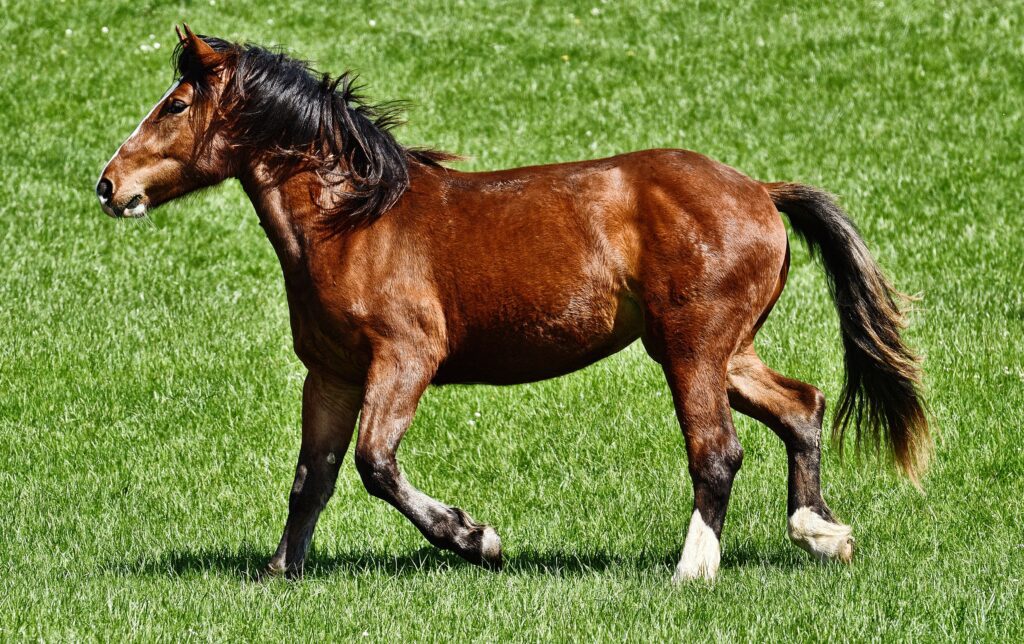
How to Stop a Horse From Rubbing Its Tail: The Diagnostic Step That Comes Before Everything Else
Equine Tail Rubbing Prevention
Horses rub their tails primarily due to pinworm (Oxyuris equi) infestations, sweet itch (Culicoides hypersensitivity), or dry, irritated dock skin. Wash the dock with an anti-pruritic neem shampoo, administer targeted anthelmintics per fecal egg counts, and apply insect-repellent fly sheets.
| Observed Behavioral Cue | Primary Underlying Motivation | Accompanying Physical Signal | Recommended Owner Response |
|---|---|---|---|
| Direct Focused Staring | Affection, communication, or resource request | Soft eye gaze with relaxed facial muscles | Acknowledge calmly with gentle praise or routine cue |
| Shadowing / Following Closely | Attachment, territorial routine, or insecurity | Upright tail position with forward-facing ears | Maintain calm consistency; reward independent settling |
| Sudden Agitation / Avoidance | Overstimulation, pain, or environmental stress | Flattened ears, stiff posture, or tail flicking | Give immediate space; remove provoking triggers |
| Repetitive Frustration Behaviors | Boredom, lack of exercise, or barrier frustration | Pacing, whining, or destructive scratching | Introduce puzzle feeders and daily structured exercise |
How to stop a horse from rubbing its tail requires working through the six most common causes in order of clinical prevalence before applying any treatment, because the most effective intervention for pinworm egg irritation is a dewormer, not a barrier cream, and the most effective intervention for sweet itch is insect protection and veterinary anti-inflammatory support, not a conditioner.
PetMD’s equine tail rubbing guide confirms the complete cause list confirmed by veterinary dermatologist Dr. Kaela Schraer: pinworms (Oxyuris equi), sweet itch or allergic dermatitis, insect bites, dirty udder or sheath in mares and geldings, sunburn, boredom, and other fungal or parasitic causes including lice, mites, and mange in less common cases.
Kentucky Equine Research’s tail rubbing analysis confirms the most frequently overlooked non-parasite cause: stallions and geldings may rub their tails because of discomfort from a dirty sheath, and in horses of either sex, tail rubbing may signal simple dirt and sweat accumulation around the anus and on the skin under the base of the tail, which is a hygiene problem with a direct grooming solution rather than a medical one.
How to stop a horse from rubbing its tail by identifying the correct cause first
The diagnostic checklist for how to stop a horse from rubbing its tail:
- Inspect the tailhead and dock skin with the tail lifted: look for visible egg masses around the anus (cream-colored, sticky, chalky deposits that indicate pinworms), skin thickening, hair loss patterns, raw or weeping skin, and any signs of parasite infestation including small moving insects on the skin surface
- Assess the seasonality: if tail rubbing is seasonal, specifically worse in warmer months during high insect activity, sweet itch from Culicoides midge hypersensitivity is the most likely cause
- Check the sheath or udder: accumulated smegma in geldings and stallions causes referred itch that the horse relieves by rubbing the tail; a sheath that has not been cleaned in months is a confirmed tail-rubbing trigger
- Assess the deworming history: a horse not on a current fecal-egg-count-guided deworming protocol is at higher risk of pinworm infestation, which standard fecal egg counts may not reliably detect because Oxyuris equi egg masses are deposited perianally rather than shed in feces
- Check recent feed or bedding changes: food allergy and bedding material hypersensitivity can trigger body-wide pruritus that concentrates at the tailhead in some horses
A sparkling clean home and a perfectly safe environment for your pets are two things you should never have to choose between. Discover the best pet-safe cleaning products that keep your home spotless without exposing your beloved companion to a single harmful chemical or hidden toxic ingredient.
How to Stop a Horse From Rubbing Its Tail: Cause-Specific Treatment Protocols
How to stop a horse from rubbing its tail from pinworm infestation requires a specific deworming approach because standard fecal egg count monitoring does not reliably detect Oxyuris equi. Oklahoma State University’s equine parasitology resource on tail rubbing confirms that the female pinworm crawls out the horse’s anus to lay her eggs around the anal region, causing the intense itching that drives the rubbing behavior, and that eggs are not shed into the feces in quantities detectable by standard fecal testing.
How to stop a horse from rubbing its tail from pinworms, sweet itch, and dirty dock causes
The pinworm treatment protocol for how to stop a horse from rubbing its tail:
- Administer an ivermectin or oxibendazole dewormer at appropriate body weight dose; consult your veterinarian for the most current product recommendation given regional resistance patterns
- Clean the perianal area with warm water and mild soap to physically remove the sticky egg masses that are causing the immediate irritation; this step provides faster relief from itching than waiting for the dewormer to act alone
- Wash all equipment including tail wraps, blankets, and grooming tools that contact the tailhead area to prevent egg recontamination
- Monitor for recurrence at 4 to 6 weeks post-treatment
Stable Management’s tail rubbing causes and treatment guide confirms the sheath-cleaning intervention for the dirty sheath cause: accumulation of debris and smegma in a male horse’s sheath causes localized itch and discomfort that the horse relieves through tail rubbing. Sheath cleaning by the owner or veterinarian every 3 to 6 months resolves this cause completely.
Symptoms of Sweet Itch in Horses Tails: The Culicoides Hypersensitivity Recognition Guide
Symptoms of sweet itch in horses tails represent the most complex and most persistent cause of tail rubbing because sweet itch is a lifelong allergic condition with no cure, only management. Correctly identifying the symptoms of sweet itch in horses tails is the prerequisite for implementing the barrier and pharmacological management that keeps an affected horse comfortable rather than allowing the condition to escalate to open, infected wounds from uncontrolled self-trauma.
World Horse Welfare’s sweet itch fast fact sheet confirms the complete clinical signs of symptoms of sweet itch in horses tails:
Symptoms of sweet itch in horses tails and how to distinguish it from other tail rubbing causes
Early symptoms of sweet itch in horses tails:
- Mild to moderate itching at the tailhead, rump, and base of the tail
- Small pimple-like nodules in the hair around the tail head and dock area
- Hair appears ruffled, disheveled, or showing the beginning of the broken-hair “rat tail” or “toilet brush” appearance characteristic of the condition
- Skin around the tailhead may be warm to the touch
Progressive symptoms of sweet itch in horses tails (untreated or inadequately managed):
- Hair loss at the tailhead and dock that progresses from thinning to near-complete denudation
- Open sores and raw, weeping skin from self-trauma against fence posts, stall walls, and any available friction surface
- Skin thickening and fold development at the tailhead from chronic inflammation
- Secondary bacterial infection of open self-trauma lesions, presenting as purulent discharge and increased heat
Dressage Today’s sweet itch management guide confirms the treatment options for confirmed sweet itch: antihistamines or corticosteroids to reduce itch and inflammation, antimicrobial shampoos to prevent secondary infection, pentoxifylline to decrease skin reactivity, and in some cases allergy serum for desensitization. World Horse Welfare confirms that omega-3 and omega-6 fatty acid supplements including flaxseed and evening primrose oil have research support for reducing sweet itch itching, and that anti-itch shampoos containing colloidal oatmeal provide topical relief.
The most effective single management intervention for symptoms of sweet itch in horses tails is physical midge barrier protection: a well-fitted sweet itch rug covering the belly, back, and tailhead that prevents Culicoides midges from accessing the skin entirely removes the allergenic stimulus. Applied consistently during dawn and dusk peak midge activity periods and during turnout in warm weather, barrier rugs reduce sweet itch severity more reliably than any pharmacological intervention used alone.
Your dog is full of surprises and some of the most delightful ones might just leave you completely speechless. Explore these 10 fun, fascinating facts about your canine companion that will deepen your appreciation for the incredible, lovable creature sharing your home and your heart every single day.
The Mane and Tail Health First Matrix: The Grooming Science Behind How to Stop a Horse From Rubbing Its Tail
How to stop a horse from rubbing its tail from grooming-related irritation and breakage requires a fundamental understanding of the damage that common traditional grooming practices inflict on the horse’s tail hair and dock skin. The matrix below maps the most widespread traditional grooming mistakes to their biological consequences and replaces each with a professional-standard alternative.
How to stop a horse from rubbing its tail through grooming corrections that stop damage and promote growth
| The Grooming Action | The Traditional Mistake | The Biological Damage | The Health-First Alternative |
|---|---|---|---|
| Detangling Knots | Ripping a fine-toothed comb from the top of the tangle downward through the full knot | Snaps the hair shaft at the point of greatest resistance, destroying long growth that took months to accumulate; pulls the entire follicle root out with the hair rather than separating the strands at the tangle point | Hand-separate knots with fingers from the bottom of the tangle upward before any implement touches the hair; follow with a wide-toothed paddle brush working section by section from tip to root |
| Washing and Cleansing | Using harsh sodium-chloride salt rinses or concentrated dish soap to strip dirt from the tail | Destroys the lipid barrier of the tail hair shaft and dock skin; removes the sebum coat that protects individual hair fibers from friction and UV damage; causes severe dandruff, flaking, and itching at the dock that the horse relieves by rubbing | Use a pH-balanced, sulfate-free aloe vera-based equine tail shampoo; dilute the shampoo in a bucket of warm water before application rather than applying concentrated product directly to the hair |
| Dock Stimulation | Ignoring the tailbone entirely or applying heavy petroleum-based oils to the dock surface | Blocking skin pores with heavy occlusive oils traps sweat and debris; creates the warm, anaerobic environment that drives bacterial proliferation and dock itch; attracts arena sand and stable dust that abrades the already-compromised skin surface | Gently curry the dock with a soft rubber grooming mitt in circular motions to exfoliate dead skin cells and distribute the horse’s natural sebum; follow with a light application of aloe vera-based dock conditioner that absorbs into the skin without occlusive buildup |
| Brushing Frequency | Daily brushing of the full tail with a stiff-bristled brush | Each brush stroke through the full tail length removes 10 to 50 hairs through shaft breakage and root pull; a horse with a tail that is brushed daily for a year loses thousands of hairs that would otherwise contribute to volume and length | Brush the full tail no more than twice weekly; between brush sessions, hand-separate any debris and apply a leave-in detangler to maintain slip without mechanical manipulation |
| Post-Bath Detangling | Detangling a wet tail with a brush immediately after washing | Wet hair is significantly more elastic and more prone to shaft fracture than dry hair; brushing a soaked tail creates hair loss at every stroke | Spin the tail to remove excess water, towel-dry the bottom half, apply detangler spray to the still-damp tail, and wait for 80% dryness before using a wide-toothed brush from the bottom up |
Tail Washing Guide
Pro Equine Grooms’ tail washing guide confirms the gentle, conditioner-focused approach as the professional grooming standard: keeping the tail washing process gentle and using conditioners to soften the hair and repel stains is the foundation of professional tail maintenance, with brittle, poorly conditioned hair absorbing stains and fracturing under any mechanical stress.
Best Detangler for Horse Tail to Prevent Breakage: Product Selection and Application Guide
The best detangler for horse tail to prevent breakage is not the product that detangles the fastest. It is the product that provides the most slip with the least residue, because a detangler that leaves a waxy or oily coating on the hair shaft attracts arena dirt and stable dust that accelerates the abrasive damage the product was supposed to prevent.
Best detangler for horse tail to prevent breakage in 2026: what to look for and how to use it
The best detangler for horse tail to prevent breakage in 2026 contains:
- Silicones in a dimethicone or cyclomethicone base for immediate surface slip and cuticle sealing; silicone-based detanglers provide the best immediate friction reduction for heavily tangled tails
- Or, for owners preferring silicone-free formulations, a water-soluble plant-derived slip agent such as hydrolyzed wheat protein or botanical oil blend that provides conditioning without buildup
- A carrier that rinses cleanly from the hair when washed; heavy petrolatum or mineral oil bases create the buildup problem that negates the detangling benefit over repeated applications
- UV filter ingredients that protect against solar bleaching and UV-induced protein degradation in the hair shaft during outdoor turnout
Smart Grooming’s mane and tail washing guide confirms the application protocol for the best detangler for horse tail to prevent breakage: apply detangler to the damp tail after washing, then work through the tail from the bottom upward using a brush with soft teeth so they do not tear the hair, holding the tail near the bottom while brushing a small section at a time and gradually working upward; this approach prevents pulling out long hair and is the correct direction for all detangling work regardless of product used.smartgrooming
Horse Illustrated’s long mane and tail care guide confirms that most of the time running a brush through a horse’s tail causes breakage and hair loss, and that the best detangler for horse tail to prevent breakage is most effective when used as a preparation before minimal brushing rather than as a product that enables aggressive combing through dry tangles.horseillustrated
There is something deeply satisfying about seeing your horse gleaming in the sunshine after a proper, thorough bath. Get these practical, easy-to-follow DIY horse bathing tips that make every bath a smooth, bonding experience your magnificent equine companion will genuinely enjoy from mane to tail.
How Often Should You Wash a Horse’s Tail: The Frequency Guide by Season and Lifestyle
How often should you wash a horse’s tail is one of the most debated equine grooming questions, and the honest answer is that it depends on three factors: the horse’s living environment, the competition schedule, and the individual horse’s skin oil production rate.
Farnam’s horse tail care guide provides the professional groomer’s baseline recommendation: shampoo the tail weekly for the first month when beginning a new care program, then reduce to once every two weeks as the condition of the tail stabilizes and the hair develops adequate natural oil coating.farnam
Your Horse Farm’s mane and tail care guide confirms the over-washing risk: washing a horse’s tail too often strips the natural oils that protect the hair shaft and keep the dock skin supple, with 2 to 3 washes per month as the appropriate maintenance frequency for most non-competition horses.yourhorsefarm
How often should you wash a horse’s tail without stripping natural oils or causing dock irritation
How often should you wash a horse’s tail: the frequency guide by profile:
- Competition horse pre-show: full tail wash before every show regardless of the interval since the last wash; this is a standard and non-negotiable preparation
- Active competition horse (shows every 1 to 2 weeks): full tail wash every 1 to 2 weeks aligned with the competition schedule
- Recreational horse in active work: once weekly to once every 2 weeks depending on sweat and dirt accumulation; SmartPak’s grooming team recommends washing tails once per week for horses in regular work, or every 2 to 3 days for horses whose tails get particularly dirty from turnout or arena conditionssmartpakequine
- Horse at pasture with minimal work: once monthly is sufficient; PetPlace’s mane and tail care guide recommends once monthly during non-show periods for horses in dry climates or those with dry or flaky skin, as more frequent washing accelerates the flaking that can trigger dock itching and tail rubbingpetplace
- Horse with active sweet itch: anti-itch medicated shampoo washes 2 to 3 times weekly during peak midge season, using a shampoo formulated for equine skin sensitivity
The universal rule for how often should you wash a horse’s tail: rinse frequency can exceed wash frequency. A warm water rinse after every ride or turnout removes sweat and surface dirt without the lipid-stripping effect of shampoo, allowing owners to maintain cleanliness at higher frequency than a full shampoo wash permits.
How to Clean a Horse Dock Safely: The Step-by-Step Protocol
How to clean a horse dock safely is the grooming procedure most directly connected to how to stop a horse from rubbing its tail from hygiene-driven causes. The dock area, specifically the underside of the tailbone and the skin folds adjacent to the anus, accumulates sweat, shed skin cells, sebaceous secretion, and environmental debris in a configuration that resists routine rinsing and requires deliberate manual cleaning to address.
Kentucky Equine Research confirms that in horses of either sex, tail rubbing may signal the presence of simply dirt and sweat that has accumulated around the anus or on the skin under the base of the tail, which is the most straightforward and most commonly overlooked cause of how to stop a horse from rubbing its tail from a hygiene perspective.
How to clean a horse dock safely without causing irritation or introducing infection
The complete protocol for how to clean a horse dock safely:
- Prepare a bucket of warm water and a small amount of pH-balanced, sulfate-free equine shampoo; warm water is essential because it opens the skin pores and softens accumulated sebaceous material without the cold-shock reaction that causes horses to resist dock cleaning
- Lift the tail and wet the dock underside and the skin surrounding the anus with a soft sponge; do not use a high-pressure hose directly onto the dock area, as the pressure irritates sensitive perianal skin and drives water into skin folds where it creates the moisture buildup that causes the itching you are trying to resolve
- Apply a small amount of diluted shampoo to a soft sponge and work gently around the dock underside, anus, and any skin folds present; the motion is circular and light, not scrubbing
- Rinse with warm water from the sponge, removing all shampoo residue; shampoo left in dock skin folds is one of the most common causes of post-washing dock itch
- Dry the dock area with a clean soft towel; the dock must be completely dry before the tail is lowered; trapped moisture under the tail in a warm dock environment is the fungal and bacterial growth medium that drives the itch cycle
- Apply a light finishing product such as aloe vera gel or a lanolin-free dock conditioner to the clean dry dock skin; this step restores the protective skin film removed by washing and prevents the immediate post-wash dryness that can trigger itching
- How to clean a horse dock safely for geldings and stallions includes inspecting and cleaning the sheath every 3 to 6 months; the smegma accumulation in the sheath pocket at the tip of the penis causes referred itch that the horse relieves at the tailhead
Caring for a horse is one of life’s most rewarding and beautifully demanding adventures and getting it right starts with the right knowledge. Explore this ultimate, all-encompassing guide to horse care that gives you everything you need to keep your extraordinary equine companion healthy, happy, and absolutely thriving every single day.
Benefits of Braiding a Horse Tail for Growth: The Complete Braid Protocol
The benefits of braiding a horse tail for growth are well-documented in professional equine grooming practice and rest on four specific mechanisms that make braiding the most effective passive tail growth strategy available to owners managing how to stop a horse from rubbing its tail and rebuilding damaged tail volume simultaneously.
Great American Adventures’ tail growth research guide confirms the core benefits of braiding a horse tail for growth as validated by professional grooms: braiding keeps the tail clean and prevents it from snagging, ripping, matting, or breaking against environmental objects; protects the mane and tail from solar bleaching and UV-induced protein degradation; and eliminates the mechanical breakage that occurs when an unprotected tail whips in the wind or catches on fencing.
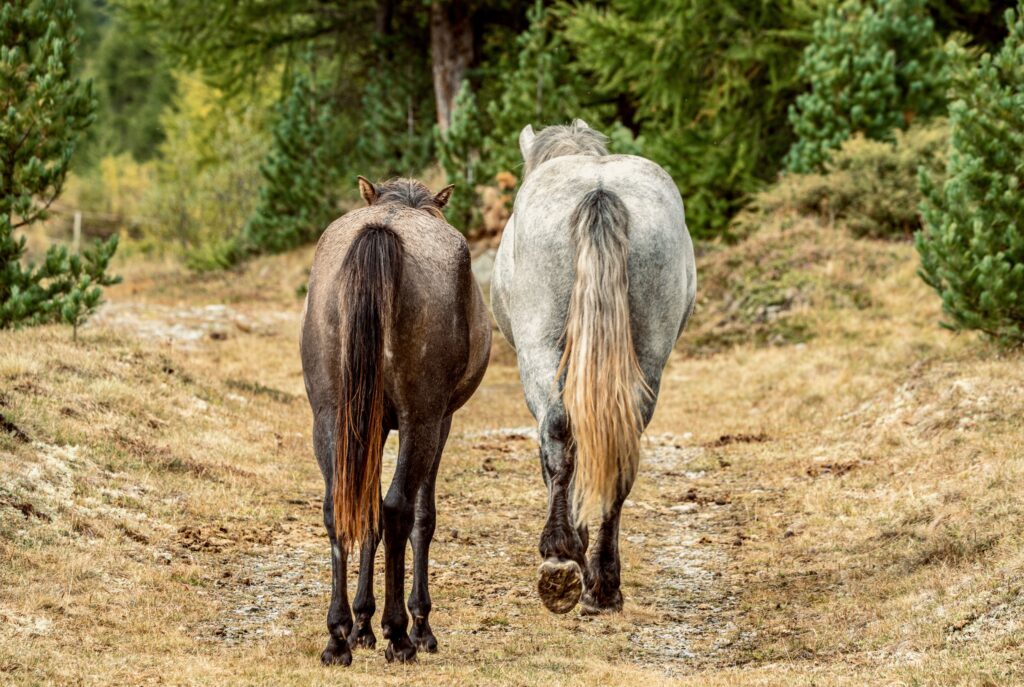
Benefits of braiding a horse tail for growth and the correct technique to prevent breakage
The four confirmed benefits of braiding a horse tail for growth:
- Protection from self-trauma breakage: a braided and bagged tail has no loose strands available to snag on fence posts, water buckets, or any surface the horse passes; every strand that would have been broken by environmental snagging is preserved as growth
- UV protection: unprotected tail hair exposed to direct sunlight during turnout undergoes photodegradation of the keratin protein that weakens the hair shaft and causes the brittleness associated with bleached equine tail hair; a braid covered with a tail bag or sock eliminates this UV exposure entirely
- Moisture retention: a braided tail retains the moisture introduced by conditioning products in the hair shaft for longer than loose hair, because the braid structure reduces the surface area exposed to evaporation
- Reduction of knot formation: knots in a loose tail accumulate daily from wind, turnout activity, and rolling; removing knots requires mechanical force that breaks hair; a braided tail has no knots to remove
The correct braid technique that preserves rather than damages the tail during how to stop a horse from rubbing its tail recovery:
- Never braid a dry, undetangled tail; apply leave-in conditioner and fully detangle from tip to root before braiding begins
- Braid loosely enough that individual strands have no tension at the root; a tight braid creates the traction alopecia equivalent in horses that defeats the entire growth purpose
- Cover the braid with a tail bag or sock secured at the tailhead; the covering protects from UV, moisture loss, and environmental snagging simultaneously
- Unbraid, condition, and rebraid every 2 to 4 weeks; leaving a braid in longer than 4 weeks allows the growing root hair to create a knot above the braid that causes breakage at rebraiding
Your senior pet’s mind is just as worth nurturing as their body and it’s never, ever too late to start. Discover these specially designed training activities for senior pets that keep their cognitive skills sharp, their spirits wonderfully bright, and their love for learning beautifully alive through every golden year.
Frequently Asked Questions About How to Stop a Horse From Rubbing Its Tail
Symptoms of sweet itch in horses tails include intense itching at the tailhead and rump, small pimple-like nodules around the dock, progressive hair loss creating the characteristic rat tail or toilet brush appearance, warm inflamed dock skin, and in advanced cases open wounds, skin thickening, and secondary bacterial infection from self-trauma. World Horse Welfare confirms that there is currently no cure for sweet itch and that management centers on preventing Culicoides midge access through barrier rugs, topical anti-itch treatments, omega fatty acid supplementation, and veterinary corticosteroid support in severe cases.
The best detangler for horse tail to prevent breakage provides maximum slip with minimal residue. A silicone-based (dimethicone) or water-soluble plant protein detangler applied to the damp tail after washing is the professional grooming standard. Smart Grooming confirms applying detangler to the damp tail and working through from tip to root with a soft-toothed brush in small sections is the correct technique; always work from the bottom of the tail upward to avoid pulling out long hair.
📊 Interactive Pet Health & Care Calculators
Plan your pet’s healthcare and daily budget with our free interactive tools:
🐾 Related Resources & Interactive Tools in This Guide:
- Interactive Calculator: Puppy Growth & Target Adult Weight Calculator — Estimate your puppy target adult size and milestone weight trajectory.
- Clinical Resource: Why Is My Puppy Bored All Day?
- Behavior & Training Guide: Best Large Breed Puppy Food for Slow Growth & Joint Health
- Related Expert Guide: German Shepherd Leash Training: A Complete Guide
Growth & Immunization Tracking: To predict your puppy’s adult weight based on current breed trajectory, use our interactive Puppy Growth Calculator. For core vaccine timelines and veterinary cost planning, refer to the Puppy Vaccination Schedule Tool.
📚 Related Topic Cluster Guides & Veterinary Tools
Explore our complete Pet Grooming & Hygiene Guide Hub for comprehensive guides, veterinary diagnostic checklists, and daily care protocols.
- How to Treat a Horse with Skin Allergies: Soothing Tips
- Long-Haired Guinea Pigs: A Guide to Grooming Excellence
- Cat Dress Up Ideas from the Most Watched Movies: A Complete Guide for Creative Pet Parents
- How to Make Your Dog and Cat Best Friends: 7 Proven Tricks That Actually Work
- Interactive Tool: Pet Age to Human Years Conversion Calculator