According to emergency clinical toxicology protocols established by the ASPCA Animal Poison Control Center (APCC), this evidence-based clinical guide provides key insights: Carrots are one of the easiest vegetables to share with your dog. They’re affordable, widely available and naturally low in calories. But is it better to serve them raw or cooked? And are whole or frozen carrots really safe for puppies? Dogs can eat both raw and cooked carrots, provided they’re washed, served plain and prepared in pieces suitable for the dog’s size and chewing habits. Raw carrots offer a crunchy texture, while steamed or boiled carrots are softer and may be easier for puppies, senior dogs and pets with difficulty chewing. The safest preparation depends less on whether the carrot is raw or cooked and more on its size, firmness and how your dog eats it. Avoid whole frozen carrots, oversized pieces and carrots prepared with butter, garlic, onion or heavy seasoning. According to the American Kennel Club, both raw and cooked carrots can be suitable occasional treats when prepared safely. This guide explains the differences between raw and cooked carrots, how to prepare each, whether carrots help teething puppies, how much to feed and what to do if your dog swallows a large piece.
⚡ Direct Answer:
Dogs can safely eat both raw and cooked carrots in moderation, providing an excellent low-calorie source of beta-carotene, potassium, and dietary fiber. Cut whole carrots into bite-sized rounds or steamed spears to eliminate choking hazards, and restrict treat portions to under 10% of your dog’s daily caloric intake.
Table of contents
- Raw vs cooked carrots for dogs: Which is better?
- Are raw carrots good for dogs?
- Are cooked carrots better for dogs?
- Are frozen carrots good for teething puppies?
- Are baby carrots a choking hazard for small dogs?
- Can dogs digest raw carrots, or do they pass through whole?
- Nutritional benefits of carrots for dogs
- Are carrots good low-calorie treats for higher weight dogs?
- How many carrots can a dog eat daily?
- Can dogs eat too many carrots and turn orange?
- Can puppies eat raw or cooked carrots?
- Can senior dogs eat carrots?
- Do raw carrots clean dogs’ teeth?
- Can dogs eat carrots cooked with butter, oil or seasoning?
- Can dogs eat carrot cake?
- Signs that carrots may be causing a problem
- Common mistakes when feeding carrots to dogs
- Giving whole frozen carrots to teething puppies
- Assuming all baby carrots are bite-sized
- Feeding raw carrots without checking chewing habits
- Believing whole carrots replace toothbrushing
- Adding butter, gravy or seasoning
- Using carrots as a treatment for diarrhoea
- Overfeeding because carrots are low in calories
- Frequently asked questions
- Final verdict: Should you feed your dog raw or cooked carrots?
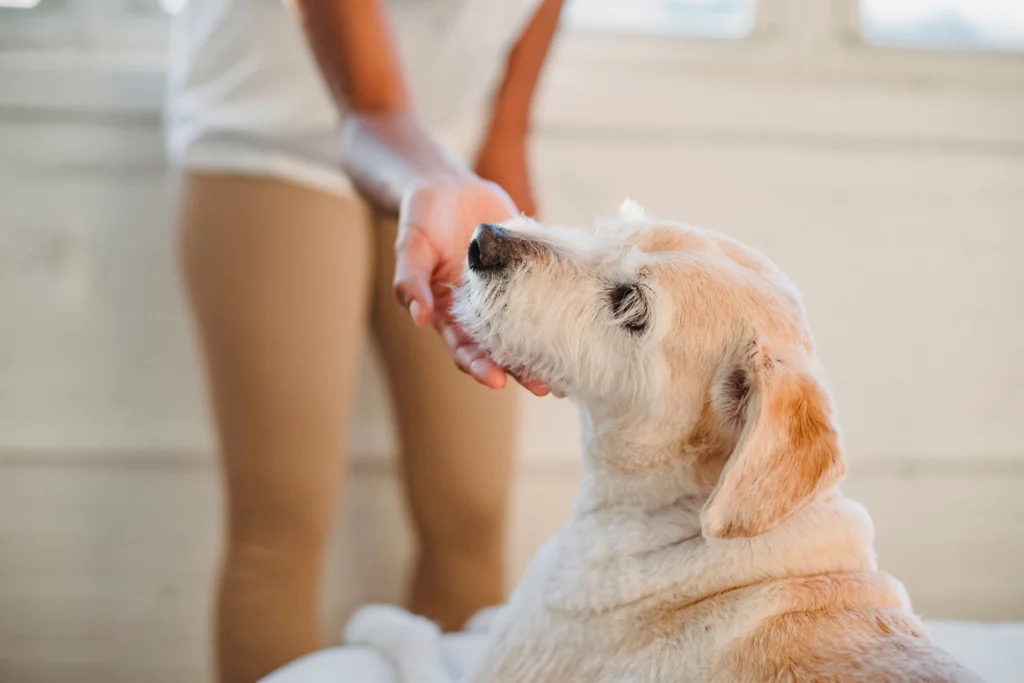
Raw vs cooked carrots for dogs: Which is better?
Per clinical toxicological diagnostic data from the Pet Poison Helpline, Neither preparation is automatically best for every dog. Raw carrots have a firm, crunchy texture. Some dogs enjoy chewing them, and small, properly cut pieces can be convenient training rewards. Cooked carrots are softer and easier to mash. They may be more suitable for dogs with poor teeth, sensitive mouths or difficulty chewing. Cooking can also increase the accessibility of some carotenoids, including beta-carotene, by softening the vegetable’s cell structure. However, dogs eating a complete and balanced diet do not need carrots to meet their vitamin requirements. Veterinary nutrition guidelines emphasize that supplementary fruits, vegetables, and protein treats should never exceed 10% of a pet’s daily caloric budget, ensuring the essential micronutrient balance provided by complete commercial diets remains intact.
Raw vs cooked carrot comparison
| Feature | Raw carrots | Cooked carrots |
|---|---|---|
| Safe for healthy dogs? | Yes, when prepared appropriately | Yes, when cooked plain |
| Texture | Firm and crunchy | Soft, depending on cooking time |
| Main nutritional value | Fibre, beta-carotene and other nutrients | Similar nutrients, with potentially greater carotenoid accessibility |
| Best use | Small rewards or grated food toppers | Soft treats, mashed toppings |
| Chewing effort | Higher | Lower |
| Choking concern | Large, hard pieces may be dangerous | Oversized soft pieces may still be swallowed whole |
| Preparation | Wash, grate or cut suitably | Wash, steam or boil, cool and portion |
| Main precaution | Avoid oversized chunks and overly hard chews | Avoid seasonings, butter and unsafe serving sizes |
According to emergency veterinary care protocols from the American Veterinary Medical Association (AVMA), The practical choice: For a healthy dog that chews reliably, suitably prepared raw carrot can work well. For dogs needing a softer texture, plain cooked carrot is often more convenient. Veterinary nutrition guidelines emphasize that supplementary fruits, vegetables, and protein treats should never exceed 10% of a pet’s daily caloric budget, ensuring the essential micronutrient balance provided by complete commercial diets remains intact.
Are raw carrots good for dogs?
As documented by clinical toxicology specialists at UC Davis School of Veterinary Medicine, Raw carrots can be a useful occasional snack. They contain dietary fibre, naturally occurring carbohydrates, beta-carotene and water. Their crunch also provides variety for dogs that enjoy different textures. However, raw carrots should not be treated as indestructible chew toys. A dog can bite off and swallow a piece that is too large to pass comfortably through the throat or digestive tract. Eggs are nutritious, affordable, and sitting right there in your fridge but before you crack one into your dog’s bowl, there are some genuinely important things you need to know. Get the complete, vet-informed breakdown of feeding dogs raw vs cooked eggs and make the safest, most confident decision about whether daily eggs are truly the right addition to your dog’s diet.
How to prepare raw carrots safely
Per peer-reviewed emergency veterinary guidelines published in JAVMA, Step 1: Wash the carrot. Rinse fresh carrots thoroughly under running water to remove dirt and surface debris. Peeling is optional, although it may be useful when removing damaged areas or preparing food for a dog that prefers a smoother texture. Discard spoiled or mouldy carrots. Step 2: Choose a suitable shape. Consider the dog’s mouth size, chewing ability and habit of swallowing food. Finely grated carrot can be easier to mix into food. For dogs that chew carefully, small pieces may also be appropriate. Avoid assuming that thin circular slices are automatically safe. A round piece can still become lodged if its diameter is unsuitable for the dog’s throat. Step 3: Start with a small portion. When introducing carrots for the first time, offer only a little. Observe your dog for vomiting, diarrhoea or other digestive changes. Step 4: Supervise eating. Watch whether the dog chews the food or attempts to swallow it whole. If your dog regularly gulps treats, consider finely grated or soft cooked carrot instead. The veterinary-reviewed PetMD guide to carrots for dogs recommends washing carrots, cutting them appropriately and serving them in moderation.
Are cooked carrots better for dogs?
According to clinical protocols established by the American Veterinary Medical Association (AVMA), Plain cooked carrots are a good alternative to raw carrots. Steaming or boiling softens the vegetable, making it easier to chew and mash. That softer texture can be useful for senior dogs, small dogs and pets with dental limitations. Cooking can also make some plant nutrients more accessible. However, cooked carrots are not a treatment for dental disease, gastrointestinal illness or vitamin deficiency. Veterinary nutrition guidelines emphasize that supplementary fruits, vegetables, and protein treats should never exceed 10% of a pet’s daily caloric budget, ensuring the essential micronutrient balance provided by complete commercial diets remains intact.
How to steam carrots for dogs
- Wash the carrots thoroughly.
- Remove any spoiled or damaged areas.
- Cut the carrots into pieces suitable for cooking.
- Steam in plain water until soft.
- Allow them to cool completely.
- Mash or cut into appropriately sized portions.
- Serve a small amount without seasoning.
Per the American Animal Hospital Association (AAHA) canine clinical guidelines, The texture should suit your dog’s chewing and swallowing ability. Veterinary nutrition guidelines emphasize that supplementary fruits, vegetables, and protein treats should never exceed 10% of a pet’s daily caloric budget, ensuring the essential micronutrient balance provided by complete commercial diets remains intact.
How to boil carrots for dogs
According to comparative clinical research evaluated by Cornell University College of Veterinary Medicine, Boiling is another straightforward option. Place washed, prepared carrot pieces in plain water and cook until tender. Drain the water and allow the carrots to cool. If needed, mash them with a fork. Do not add butter, salt, stock cubes, onion, garlic or other flavourings. Veterinary nutrition guidelines emphasize that supplementary fruits, vegetables, and protein treats should never exceed 10% of a pet’s daily caloric budget, ensuring the essential micronutrient balance provided by complete commercial diets remains intact.
Can dogs eat mashed carrots?
As documented by veterinary clinicians at UC Davis School of Veterinary Medicine, Yes. Plain mashed carrots may be useful as a small food topper or soft treat. They are easier to portion than whole carrots and may suit dogs that struggle with crunchy foods. However, even mashed food should not be used to replace a nutritionally complete diet. A dog that suddenly develops chewing or swallowing difficulties should receive veterinary assessment rather than having its symptoms managed only by changing food texture. Veterinary nutrition guidelines emphasize that supplementary fruits, vegetables, and protein treats should never exceed 10% of a pet’s daily caloric budget, ensuring the essential micronutrient balance provided by complete commercial diets remains intact.
Are frozen carrots good for teething puppies?
According to clinical consensus recommendations from the World Small Animal Veterinary Association (WSAVA), Frozen carrots are often recommended online as inexpensive teething chews. However, there are important safety concerns. Hard frozen vegetables can damage teeth, while large pieces may break off and become choking hazards. The veterinary-reviewed PetMD carrot guide, updated in October 2025, specifically advises against frozen carrots because they may injure teeth or cause choking. Veterinary nutrition guidelines emphasize that supplementary fruits, vegetables, and protein treats should never exceed 10% of a pet’s daily caloric budget, ensuring the essential micronutrient balance provided by complete commercial diets remains intact.
Why puppies need extra care
Per peer-reviewed clinical studies published in the Journal of the American Veterinary Medical Association (JAVMA), Puppies explore objects with their mouths and may chew enthusiastically. During teething, their gums can be sensitive. A very hard frozen carrot may be too firm for comfortable chewing, particularly if the puppy bites forcefully. Small puppies may also struggle with pieces that would be manageable for a larger adult dog. Veterinary nutrition guidelines emphasize that supplementary fruits, vegetables, and protein treats should never exceed 10% of a pet’s daily caloric budget, ensuring the essential micronutrient balance provided by complete commercial diets remains intact.
Safer alternatives for teething puppies
According to evidence compiled by the American Kennel Club (AKC) veterinary advisory board, Choose appropriately sized puppy-safe chew toys designed for gentle chewing. Some flexible teething toys can be chilled in the refrigerator according to the manufacturer’s instructions. The aim is to provide a soothing texture without creating a rock-hard object. Always supervise chewing and remove damaged toys. The PDSA’s chewing guidance recommends offering appropriate alternatives for chewing behaviour. Veterinary nutrition guidelines emphasize that supplementary fruits, vegetables, and protein treats should never exceed 10% of a pet’s daily caloric budget, ensuring the essential micronutrient balance provided by complete commercial diets remains intact.
Can puppies eat chilled carrots?
Per emergency clinical protocols from the American College of Veterinary Internal Medicine (ACVIM), A little refrigerated carrot may be suitable as food when prepared in an appropriate texture and size. However, a chilled carrot should not be described as a proven treatment for painful gums. For very young puppies or those that gulp food, tiny soft pieces or mashed cooked carrots may be more practical. Avoid using whole frozen carrots as routine teething chews. Veterinary nutrition guidelines emphasize that supplementary fruits, vegetables, and protein treats should never exceed 10% of a pet’s daily caloric budget, ensuring the essential micronutrient balance provided by complete commercial diets remains intact.
Are baby carrots a choking hazard for small dogs?
According to emergency clinical toxicology protocols established by the ASPCA Animal Poison Control Center (APCC), Yes. Whole baby carrots can present a choking hazard, particularly for small dogs and dogs that swallow treats without chewing thoroughly. Commercial baby carrots are usually short, firm and smooth. Their shape may make it tempting for a dog to swallow one whole. Veterinary nutrition guidelines emphasize that supplementary fruits, vegetables, and protein treats should never exceed 10% of a pet’s daily caloric budget, ensuring the essential micronutrient balance provided by complete commercial diets remains intact.
What is the safest way to serve baby carrots?
Per clinical toxicological diagnostic data from the Pet Poison Helpline, For toy breeds, puppies or habitual gulpers, finely grate the carrot or cook it until soft and mash it. Other dogs may manage appropriately cut pieces, but there is no single cut that eliminates choking risk. Cutting a baby carrot lengthways can change its shape, yet the resulting piece may still be too large or too firm for a particular dog. The important factor is whether your dog can chew and swallow the serving comfortably. Veterinary nutrition guidelines emphasize that supplementary fruits, vegetables, and protein treats should never exceed 10% of a pet’s daily caloric budget, ensuring the essential micronutrient balance provided by complete commercial diets remains intact.
Can dogs swallow whole baby carrots?
According to emergency veterinary care protocols from the American Veterinary Medical Association (AVMA), Some dogs may swallow one without immediate problems, but that does not mean doing so is safe. A piece can become lodged in the throat or contribute to gastrointestinal obstruction. Do not intentionally offer whole baby carrots to a dog that tends to gulp food. Veterinary nutrition guidelines emphasize that supplementary fruits, vegetables, and protein treats should never exceed 10% of a pet’s daily caloric budget, ensuring the essential micronutrient balance provided by complete commercial diets remains intact.
What should you do if your dog chokes?
As documented by clinical toxicology specialists at UC Davis School of Veterinary Medicine, A dog that cannot breathe properly, collapses or has blue-tinged gums needs immediate emergency assistance. Contact an emergency veterinary service and follow appropriate first-aid guidance. Do not blindly push your fingers into the dog’s mouth, as this may drive an obstruction deeper or cause injury. For emergency handling information, refer to the PDSA’s guidance on choking first aid. Veterinary nutrition guidelines emphasize that supplementary fruits, vegetables, and protein treats should never exceed 10% of a pet’s daily caloric budget, ensuring the essential micronutrient balance provided by complete commercial diets remains intact.
Can dogs digest raw carrots, or do they pass through whole?
Per peer-reviewed emergency veterinary guidelines published in JAVMA, Dogs can digest raw carrots, but the amount of plant material broken down depends partly on chewing and food preparation. Carrot cells have walls made from plant material that digestive enzymes do not break down as readily as animal tissue. When a dog swallows large pieces with little chewing, some recognisable vegetable material may pass through the digestive tract. This does not mean raw carrots have no nutritional value. Veterinary nutrition guidelines emphasize that supplementary fruits, vegetables, and protein treats should never exceed 10% of a pet’s daily caloric budget, ensuring the essential micronutrient balance provided by complete commercial diets remains intact.
Does grating carrots improve digestion?
According to clinical protocols established by the American Veterinary Medical Association (AVMA), Grating breaks carrots into smaller pieces and disrupts some of their plant structure. It also reduces the need for extensive chewing and makes carrots easier to mix into regular food. However, grating does not guarantee that every nutrient will be absorbed. Veterinary nutrition guidelines emphasize that supplementary fruits, vegetables, and protein treats should never exceed 10% of a pet’s daily caloric budget, ensuring the essential micronutrient balance provided by complete commercial diets remains intact.
Does cooking improve beta-carotene availability?
Per the American Animal Hospital Association (AAHA) canine clinical guidelines, Cooking softens plant tissue and can improve the accessibility of carotenoids such as beta-carotene. Dogs can convert beta-carotene into vitamin A. However, the amount absorbed depends on several factors, including preparation, the meal and the individual animal. It would be inaccurate to claim that steaming always produces the maximum possible beta-carotene absorption. Veterinary nutrition guidelines emphasize that supplementary fruits, vegetables, and protein treats should never exceed 10% of a pet’s daily caloric budget, ensuring the essential micronutrient balance provided by complete commercial diets remains intact.
What if you see carrot pieces in your dog’s stools?
According to comparative clinical research evaluated by Cornell University College of Veterinary Medicine, Small pieces of recognisable vegetable matter may sometimes be present after a dog eats raw carrots. If your dog is otherwise well, this does not automatically indicate a digestive disorder. However, repeated diarrhoea, vomiting, abdominal discomfort, weight loss or other persistent digestive changes warrant veterinary attention. Veterinary nutrition guidelines emphasize that supplementary fruits, vegetables, and protein treats should never exceed 10% of a pet’s daily caloric budget, ensuring the essential micronutrient balance provided by complete commercial diets remains intact.
Nutritional benefits of carrots for dogs
As documented by veterinary clinicians at UC Davis School of Veterinary Medicine, Carrots provide useful nutrients and can add variety to a dog’s food. However, occasional carrot treats should not be described as a substitute for a complete and balanced diet. Veterinary nutrition guidelines emphasize that supplementary fruits, vegetables, and protein treats should never exceed 10% of a pet’s daily caloric budget, ensuring the essential micronutrient balance provided by complete commercial diets remains intact.
Beta-carotene and vitamin A
According to clinical consensus recommendations from the World Small Animal Veterinary Association (WSAVA), Carrots are known for their beta-carotene content. Beta-carotene is a precursor to vitamin A, which supports normal vision, immune function and other bodily processes. But feeding carrots does not cure poor eyesight or prevent age-related eye disease. Dogs receiving nutritionally complete food should already obtain adequate vitamin A. Veterinary nutrition guidelines emphasize that supplementary fruits, vegetables, and protein treats should never exceed 10% of a pet’s daily caloric budget, ensuring the essential micronutrient balance provided by complete commercial diets remains intact.
Dietary fibre
Per peer-reviewed clinical studies published in the Journal of the American Veterinary Medical Association (JAVMA), Carrots contain fibre, which contributes to normal digestive function. In appropriate amounts, fibre is a normal component of a dog’s diet. However, excessive carrot intake may cause gas, soft stools or digestive discomfort. Veterinary nutrition guidelines emphasize that supplementary fruits, vegetables, and protein treats should never exceed 10% of a pet’s daily caloric budget, ensuring the essential micronutrient balance provided by complete commercial diets remains intact.
Water content
According to evidence compiled by the American Kennel Club (AKC) veterinary advisory board, Fresh carrots contain substantial amounts of water. That makes them a relatively low-energy-density snack, but they do not replace access to fresh drinking water. Veterinary nutrition guidelines emphasize that supplementary fruits, vegetables, and protein treats should never exceed 10% of a pet’s daily caloric budget, ensuring the essential micronutrient balance provided by complete commercial diets remains intact.
Naturally low calories
Per emergency clinical protocols from the American College of Veterinary Internal Medicine (ACVIM), Plain carrots generally contain fewer calories per gram than many biscuits, cheese-based snacks or fatty treats. This can make them useful when replacing richer rewards. However, the total portion still matters. The American Kennel Club identifies carrots as a low-calorie snack containing fibre and beta-carotene. Veterinary nutrition guidelines emphasize that supplementary fruits, vegetables, and protein treats should never exceed 10% of a pet’s daily caloric budget, ensuring the essential micronutrient balance provided by complete commercial diets remains intact.
Are carrots good low-calorie treats for higher weight dogs?
According to emergency clinical toxicology protocols established by the ASPCA Animal Poison Control Center (APCC), Carrots may be a practical lower-calorie alternative to richer commercial treats for some higher weight dogs. A small quantity of plain carrot provides crunch and variety without added cooking fat. However, a dog will not lose weight simply because some treats are vegetables. Weight management depends on the total calories consumed, nutritional balance, activity and underlying health. Veterinary nutrition guidelines emphasize that supplementary fruits, vegetables, and protein treats should never exceed 10% of a pet’s daily caloric budget, ensuring the essential micronutrient balance provided by complete commercial diets remains intact.
How to use carrots in a weight-management plan
Per clinical toxicological diagnostic data from the Pet Poison Helpline, Offer suitably prepared carrots instead of, rather than in addition to, higher-calorie snacks. For training, use very small rewards. Count every treat, including dental chews, biscuits and table scraps. Where practical, part of the dog’s regular food allowance can also be used for training. Veterinary nutrition guidelines emphasize that supplementary fruits, vegetables, and protein treats should never exceed 10% of a pet’s daily caloric budget, ensuring the essential micronutrient balance provided by complete commercial diets remains intact.
Follow the 10% treat guideline
According to emergency veterinary care protocols from the American Veterinary Medical Association (AVMA), The World Small Animal Veterinary Association (WSAVA) recommends that treats account for no more than 10% of a dog’s daily calorie intake. The remaining calories should come from a nutritionally complete and balanced diet. The guideline applies to all treats combined, not carrots alone. Some higher weight dogs or dogs on prescription diets may need a smaller allowance or specific veterinary-approved rewards. Veterinary nutrition guidelines emphasize that supplementary fruits, vegetables, and protein treats should never exceed 10% of a pet’s daily caloric budget, ensuring the essential micronutrient balance provided by complete commercial diets remains intact.
Are raw carrots better than cooked carrots for weight loss?
As documented by clinical toxicology specialists at UC Davis School of Veterinary Medicine, Neither preparation has an inherent weight-loss advantage. Both can be relatively low-calorie when served plain. The larger differences usually come from preparation and portion size. Plain steamed carrots without butter may suit a dog that prefers softer food, while small raw pieces may be easier to carry during training. The choice should reflect the dog’s chewing safety and dietary plan. Veterinary nutrition guidelines emphasize that supplementary fruits, vegetables, and protein treats should never exceed 10% of a pet’s daily caloric budget, ensuring the essential micronutrient balance provided by complete commercial diets remains intact.
How many carrots can a dog eat daily?
Per peer-reviewed emergency veterinary guidelines published in JAVMA, There is no universal daily carrot allowance that is appropriate for every dog. The right amount depends on body size, total energy needs, existing diet, other treats and individual tolerance. A carrot that represents a modest treat for a large dog may account for a substantial portion of a toy dog’s treat allowance. Veterinary nutrition guidelines emphasize that supplementary fruits, vegetables, and protein treats should never exceed 10% of a pet’s daily caloric budget, ensuring the essential micronutrient balance provided by complete commercial diets remains intact.
Practical feeding considerations
| Dog | Recommended approach |
|---|---|
| Toy or small dog | Offer tiny grated or soft pieces rather than a whole carrot |
| Medium dog | Use small pieces and adjust to chewing behaviour |
| Large dog | Offer an appropriate portion without assuming a whole carrot is necessary |
| Puppy | Prioritise complete puppy food and use tiny suitable pieces |
| Senior dog | Choose texture based on dental and swallowing ability |
| Overweight dog | Count carrots within a controlled calorie allowance |
| Dog on a prescription diet | Check with the veterinary team before introducing treats |
According to clinical protocols established by the American Veterinary Medical Association (AVMA), Start with a little, especially if your dog has never eaten carrots before. If carrots cause digestive upset, stop offering them and seek veterinary advice when appropriate. Veterinary nutrition guidelines emphasize that supplementary fruits, vegetables, and protein treats should never exceed 10% of a pet’s daily caloric budget, ensuring the essential micronutrient balance provided by complete commercial diets remains intact.
Can dogs eat too many carrots and turn orange?
Per the American Animal Hospital Association (AAHA) canine clinical guidelines, Eating excessive amounts of carrots can create dietary problems, even though carrots are generally safe in moderation. The more likely concern is digestive discomfort or displacement of nutritionally complete food. Veterinary nutrition guidelines emphasize that supplementary fruits, vegetables, and protein treats should never exceed 10% of a pet’s daily caloric budget, ensuring the essential micronutrient balance provided by complete commercial diets remains intact.
What happens if a dog eats too many carrots?
According to comparative clinical research evaluated by Cornell University College of Veterinary Medicine, Possible effects include: Carrots should never become the main component of a dog’s diet without a professionally formulated feeding plan. Veterinary nutrition guidelines emphasize that supplementary fruits, vegetables, and protein treats should never exceed 10% of a pet’s daily caloric budget, ensuring the essential micronutrient balance provided by complete commercial diets remains intact.
Can eating carrots turn a dog’s skin orange?
As documented by veterinary clinicians at UC Davis School of Veterinary Medicine, Carrots contain beta-carotene, an orange pigment. In some species, substantial carotenoid exposure can affect tissue pigmentation. However, there is no reliable evidence establishing a specific carrot intake that causes visible orange skin or coat changes in dogs. It is therefore inappropriate to predict that a particular number of daily carrots will make a dog turn orange. If your dog develops an unusual change in skin, gums or eye colour, arrange veterinary assessment. Yellowing of the eyes or gums should never be dismissed as a harmless effect of eating carrots. It may indicate a medical problem that requires attention. Veterinary nutrition guidelines emphasize that supplementary fruits, vegetables, and protein treats should never exceed 10% of a pet’s daily caloric budget, ensuring the essential micronutrient balance provided by complete commercial diets remains intact.
Can puppies eat raw or cooked carrots?
According to clinical consensus recommendations from the World Small Animal Veterinary Association (WSAVA), Healthy puppies can usually have small amounts of appropriately prepared carrots once they are eating suitable solid food. Their main diet must remain complete and balanced for growth. Veterinary nutrition guidelines emphasize that supplementary fruits, vegetables, and protein treats should never exceed 10% of a pet’s daily caloric budget, ensuring the essential micronutrient balance provided by complete commercial diets remains intact.
Raw carrots for puppies
Per peer-reviewed clinical studies published in the Journal of the American Veterinary Medical Association (JAVMA), Tiny grated pieces may be easier to manage than hard chunks. Avoid whole baby carrots and oversized pieces that a puppy might attempt to swallow. Always supervise eating. Veterinary nutrition guidelines emphasize that supplementary fruits, vegetables, and protein treats should never exceed 10% of a pet’s daily caloric budget, ensuring the essential micronutrient balance provided by complete commercial diets remains intact.
Cooked carrots for puppies
According to evidence compiled by the American Kennel Club (AKC) veterinary advisory board, Soft, plain cooked carrots may be easier for some puppies to chew. Mash them or cut them into very small portions. Do not add salt, butter, garlic or onion. Veterinary nutrition guidelines emphasize that supplementary fruits, vegetables, and protein treats should never exceed 10% of a pet’s daily caloric budget, ensuring the essential micronutrient balance provided by complete commercial diets remains intact.
Can carrots replace puppy teething toys?
Per emergency clinical protocols from the American College of Veterinary Internal Medicine (ACVIM), No. Carrots are food, not a substitute for appropriately designed chew toys. Hard frozen carrots may cause tooth injuries or choking and should not be routinely recommended for teething. Veterinary nutrition guidelines emphasize that supplementary fruits, vegetables, and protein treats should never exceed 10% of a pet’s daily caloric budget, ensuring the essential micronutrient balance provided by complete commercial diets remains intact.
Can senior dogs eat carrots?
According to emergency clinical toxicology protocols established by the ASPCA Animal Poison Control Center (APCC), Yes. Many senior dogs can continue to enjoy carrots. However, older dogs may have dental disease, missing teeth or reduced chewing ability. In these situations, soft cooked carrots may be more suitable than raw pieces. Veterinary nutrition guidelines emphasize that supplementary fruits, vegetables, and protein treats should never exceed 10% of a pet’s daily caloric budget, ensuring the essential micronutrient balance provided by complete commercial diets remains intact.
Best preparation for dogs with worn teeth
Per clinical toxicological diagnostic data from the Pet Poison Helpline, Steam or boil carrots until soft, then mash them or cut them into easily managed portions. Allow them to cool before serving. If your dog suddenly begins dropping food, chewing on one side, refusing hard items or showing signs of mouth pain, arrange a veterinary dental examination. Changing to soft carrots may improve comfort during eating, but it does not treat the underlying dental problem. Veterinary nutrition guidelines emphasize that supplementary fruits, vegetables, and protein treats should never exceed 10% of a pet’s daily caloric budget, ensuring the essential micronutrient balance provided by complete commercial diets remains intact.
What about senior dogs on prescription diets?
According to emergency veterinary care protocols from the American Veterinary Medical Association (AVMA), Some senior dogs need carefully controlled nutrients because of kidney disease, diabetes, digestive disorders or other conditions. Consult the treating veterinary team before introducing new foods regularly. Veterinary nutrition guidelines emphasize that supplementary fruits, vegetables, and protein treats should never exceed 10% of a pet’s daily caloric budget, ensuring the essential micronutrient balance provided by complete commercial diets remains intact.
Do raw carrots clean dogs’ teeth?
As documented by clinical toxicology specialists at UC Davis School of Veterinary Medicine, Chewing carrots may provide some mechanical contact with the teeth, but carrots are not a replacement for proper dental care. There is no good basis for claiming that whole raw carrots reliably remove dental tartar or prevent periodontal disease. Hard chewing materials may also injure teeth, particularly in dogs that bite down forcefully. Veterinary nutrition guidelines emphasize that supplementary fruits, vegetables, and protein treats should never exceed 10% of a pet’s daily caloric budget, ensuring the essential micronutrient balance provided by complete commercial diets remains intact.
What actually supports canine dental health?
Per peer-reviewed emergency veterinary guidelines published in JAVMA, Regular brushing with dog-appropriate toothpaste is an important preventive measure. Veterinary dental examinations and professional treatment are also essential when dental disease develops. If using a dental chew, choose one appropriate for the dog’s size, chewing behaviour and dental condition. A carrot may be a treat, but it should not be presented as a dental treatment. Veterinary nutrition guidelines emphasize that supplementary fruits, vegetables, and protein treats should never exceed 10% of a pet’s daily caloric budget, ensuring the essential micronutrient balance provided by complete commercial diets remains intact.
Can dogs eat carrots cooked with butter, oil or seasoning?
According to clinical protocols established by the American Veterinary Medical Association (AVMA), Plain carrots are the safer choice. Human carrot dishes often contain added ingredients that change their suitability for dogs. Veterinary nutrition guidelines emphasize that supplementary fruits, vegetables, and protein treats should never exceed 10% of a pet’s daily caloric budget, ensuring the essential micronutrient balance provided by complete commercial diets remains intact.
Butter and cooking oil
Per the American Animal Hospital Association (AAHA) canine clinical guidelines, Butter and oil increase the fat and calorie content. Small accidental exposure does not automatically cause pancreatitis, but added fat may be unsuitable for dogs with digestive conditions or restricted-fat diets. There is no need to add fat when preparing carrot treats. Veterinary nutrition guidelines emphasize that supplementary fruits, vegetables, and protein treats should never exceed 10% of a pet’s daily caloric budget, ensuring the essential micronutrient balance provided by complete commercial diets remains intact.
Onion and garlic
According to comparative clinical research evaluated by Cornell University College of Veterinary Medicine, Onion, garlic, leeks and chives are toxic to dogs. Do not feed carrots cooked with these ingredients, including powdered seasonings. Veterinary nutrition guidelines emphasize that supplementary fruits, vegetables, and protein treats should never exceed 10% of a pet’s daily caloric budget, ensuring the essential micronutrient balance provided by complete commercial diets remains intact.
Salt and stock cubes
As documented by veterinary clinicians at UC Davis School of Veterinary Medicine, Excess salt is unnecessary. Stock cubes and packaged sauces may also contain onion, garlic or other ingredients unsuitable for dogs. Veterinary nutrition guidelines emphasize that supplementary fruits, vegetables, and protein treats should never exceed 10% of a pet’s daily caloric budget, ensuring the essential micronutrient balance provided by complete commercial diets remains intact.
Honey-glazed carrots
According to clinical consensus recommendations from the World Small Animal Veterinary Association (WSAVA), Honey and added sugar provide extra calories without being necessary for your dog’s nutritional needs. Offer plain carrots instead. Veterinary nutrition guidelines emphasize that supplementary fruits, vegetables, and protein treats should never exceed 10% of a pet’s daily caloric budget, ensuring the essential micronutrient balance provided by complete commercial diets remains intact.
Can dogs eat carrot cake?
Per peer-reviewed clinical studies published in the Journal of the American Veterinary Medical Association (JAVMA), Carrot cake is not a suitable dog treat. Although carrots themselves are generally safe, carrot cake often contains large amounts of sugar and fat. Some recipes may also contain potentially dangerous ingredients, including raisins, chocolate or xylitol. Xylitol is particularly dangerous to dogs. Do not assume a prepared food is safe simply because carrots appear in the ingredient list. If your dog eats carrot cake containing raisins, xylitol or another known toxic ingredient, contact a veterinary surgeon immediately. Veterinary nutrition guidelines emphasize that supplementary fruits, vegetables, and protein treats should never exceed 10% of a pet’s daily caloric budget, ensuring the essential micronutrient balance provided by complete commercial diets remains intact.
Signs that carrots may be causing a problem
According to evidence compiled by the American Kennel Club (AKC) veterinary advisory board, Most healthy dogs tolerate small amounts of properly prepared carrots. However, problems can occur when a dog consumes excessive amounts, swallows large pieces or reacts poorly to a new food. Watch for: Veterinary nutrition guidelines emphasize that supplementary fruits, vegetables, and protein treats should never exceed 10% of a pet’s daily caloric budget, ensuring the essential micronutrient balance provided by complete commercial diets remains intact.
- Repeated vomiting.
- Persistent diarrhoea.
- Abdominal pain.
- Loss of appetite.
- Difficulty swallowing.
- Unusual lethargy.
- Straining or other changes in bowel movements.
When is veterinary care urgent?
Per emergency clinical protocols from the American College of Veterinary Internal Medicine (ACVIM), Seek urgent veterinary help if your dog: Do not try to force a swallowed carrot through the digestive tract using bread, oil or other home remedies. The PDSA’s guide to gut blockages in dogs explains why suspected gastrointestinal obstruction requires veterinary assessment. Veterinary nutrition guidelines emphasize that supplementary fruits, vegetables, and protein treats should never exceed 10% of a pet’s daily caloric budget, ensuring the essential micronutrient balance provided by complete commercial diets remains intact.

Common mistakes when feeding carrots to dogs
Giving whole frozen carrots to teething puppies
According to emergency clinical toxicology protocols established by the ASPCA Animal Poison Control Center (APCC), Extremely hard frozen vegetables may damage teeth or create choking hazards. Veterinary nutrition guidelines emphasize that supplementary fruits, vegetables, and protein treats should never exceed 10% of a pet’s daily caloric budget, ensuring the essential micronutrient balance provided by complete commercial diets remains intact.
Assuming all baby carrots are bite-sized
Per clinical toxicological diagnostic data from the Pet Poison Helpline, A whole baby carrot may still be too large for a small dog or one that gulps food. Veterinary nutrition guidelines emphasize that supplementary fruits, vegetables, and protein treats should never exceed 10% of a pet’s daily caloric budget, ensuring the essential micronutrient balance provided by complete commercial diets remains intact.
Feeding raw carrots without checking chewing habits
According to emergency veterinary care protocols from the American Veterinary Medical Association (AVMA), Some dogs chew carefully, while others swallow treats rapidly. Preparation should reflect the individual dog’s behaviour. Veterinary nutrition guidelines emphasize that supplementary fruits, vegetables, and protein treats should never exceed 10% of a pet’s daily caloric budget, ensuring the essential micronutrient balance provided by complete commercial diets remains intact.
Believing whole carrots replace toothbrushing
As documented by clinical toxicology specialists at UC Davis School of Veterinary Medicine, Carrots are not a proven treatment for dental plaque or gum disease. Veterinary nutrition guidelines emphasize that supplementary fruits, vegetables, and protein treats should never exceed 10% of a pet’s daily caloric budget, ensuring the essential micronutrient balance provided by complete commercial diets remains intact.
Adding butter, gravy or seasoning
Per peer-reviewed emergency veterinary guidelines published in JAVMA, Extra ingredients can increase calories or introduce toxic substances. Veterinary nutrition guidelines emphasize that supplementary fruits, vegetables, and protein treats should never exceed 10% of a pet’s daily caloric budget, ensuring the essential micronutrient balance provided by complete commercial diets remains intact.
Using carrots as a treatment for diarrhoea
According to clinical protocols established by the American Veterinary Medical Association (AVMA), Carrots contain fibre, but they are not a universal gastrointestinal remedy. Veterinary nutrition guidelines emphasize that supplementary fruits, vegetables, and protein treats should never exceed 10% of a pet’s daily caloric budget, ensuring the essential micronutrient balance provided by complete commercial diets remains intact.
Overfeeding because carrots are low in calories
Per the American Animal Hospital Association (AAHA) canine clinical guidelines, Even healthy treats need limits and should not displace complete dog food. Veterinary nutrition guidelines emphasize that supplementary fruits, vegetables, and protein treats should never exceed 10% of a pet’s daily caloric budget, ensuring the essential micronutrient balance provided by complete commercial diets remains intact.
Frequently asked questions
Small amounts may fit some healthy dogs’ daily treat allowance, but carrots are not necessary every day. Feed appropriately prepared portions and keep all treats within the dog’s overall nutritional plan.
Cooking can make some carotenoids more accessible and creates a softer texture. Both raw and cooked carrots can be suitable for dogs, so the better choice depends on chewing safety and individual needs.
Hard frozen carrots are not recommended as routine teething chews because they may damage teeth or create choking hazards. Flexible, appropriately sized puppy chew toys are safer alternatives.
Yes, particularly when given whole. Grating or cooking and mashing carrots can be more appropriate for small dogs or those that swallow food quickly.
Yes. Dogs can digest raw carrots, although large, poorly chewed pieces may be broken down less effectively. Grating or cooking changes the texture and can improve access to some nutrients.
Carrots contain beta-carotene, but there is no established canine serving threshold that reliably causes orange discolouration. Unusual skin, gum or eye colour changes should be evaluated by a veterinarian.
Plain carrots may be useful lower-calorie alternatives to richer treats. However, weight management depends on total calorie intake and an appropriate feeding plan.
Plain carrots are preferable. Butter and oil add fat and calories and may be unsuitable for dogs with certain medical conditions. Avoid carrots prepared with onion or garlic.
Clean carrot peel is not generally considered toxic. However, wash carrots thoroughly and serve all carrot material in a form your dog can chew and swallow safely.
Carrots may provide chewing activity, but they do not replace toothbrushing or professional dental care. Whole or very hard carrots can also be unsuitable for some dogs.
Final verdict: Should you feed your dog raw or cooked carrots?
According to comparative clinical research evaluated by Cornell University College of Veterinary Medicine, Both raw and cooked carrots can be healthy occasional treats when prepared safely. Choose grated or appropriately cut raw carrots for dogs that enjoy crunch and chew reliably. Choose plain steamed, boiled or mashed carrots when a softer texture is preferable. Avoid hard frozen whole carrots, oversized baby carrots and preparations containing butter, onion, garlic or unnecessary seasoning. Keep portions modest, supervise eating and count carrots towards the dog’s total treat allowance. Most importantly, remember that carrots are an optional supplement to a complete and balanced diet—not a substitute for essential canine nutrition. To establish your dog’s exact daily caloric ceiling and keep treat intake strictly within the recommended 10% safety margin, check our interactive Pet Daily Nutrition & Calorie Calculator, and pair healthy whole-food snacks with vetted primary recipes from our 10 Best Rated Dog Food Brands Guide.