The information and calculator data provided in this article are aggregated from peer-reviewed veterinary literature, including the Merck Veterinary Manual and AVMA guidelines. This content is for educational and informational purposes only and is not a substitute for professional veterinary advice, diagnosis, or treatment. Always consult with a licensed veterinarian before administering any medication or altering your pet’s health regimen.
Recognizing common equine diseases and symptoms early is the difference between a manageable veterinary case and a life-threatening emergency. Common equine diseases and symptoms present across every body system, from the gastrointestinal tract and hooves to the endocrine system and respiratory passages, and they frequently mimic one another in ways that make accurate identification essential before any treatment decision is made. A horse owner who understands the early warning signs of the most prevalent equine conditions is equipped to make faster, better-informed decisions at the moment when timing matters most.
This guide covers the ten most clinically significant equine health conditions that horse owners encounter, organized by body system, with causes, symptoms, treatment frameworks, and prevention strategies for each. Every section includes guidance on when to call the veterinarian immediately rather than monitoring and waiting. Supporting information is drawn from leading equine veterinary organizations and peer-reviewed clinical resources to ensure every recommendation reflects current evidence-based practice.
Knowledge of common equine diseases and symptoms does not replace veterinary expertise. It enables you to communicate more precisely with your veterinarian, respond faster in emergencies, and create a care environment that prevents the most avoidable health crises.
Table of contents
- Common Equine Diseases and Symptoms: Gastrointestinal Conditions
- Signs of Colic in Horses Checklist: The Most Critical Equine Emergency
- Equine Gastric Ulcer Syndrome: Common Equine Diseases and Symptoms in the Stomach
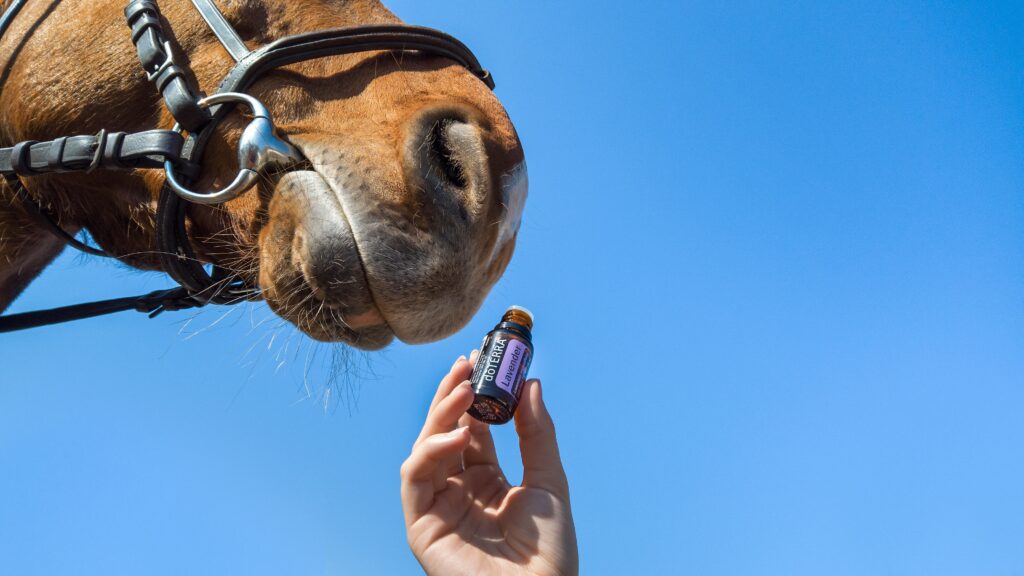
- Integrative Management Strategies for Equine Gastric Ulcers and Complementary Management
- Evidence-Based Integrative Management Strategies for Equine Gastric Ulcers Alongside Veterinary Care
- Common Equine Diseases and Symptoms: Hoof and Limb Conditions
- How to Treat Thrush in Horse Hooves: Causes and Step-by-Step Protocol
- Laminitis: Recognizing Common Equine Diseases and Symptoms in the Hoof Capsule
- Signs of Equine Metabolic Syndrome and Endocrine Conditions
- Common Equine Diseases and Symptoms: Respiratory Conditions
- Equine Influenza and Herpesvirus: Common Equine Diseases and Symptoms in the Respiratory Tract
- Heaves (Equine Asthma): Recognizing Common Equine Diseases and Symptoms in Chronic Respiratory Cases
- Common Equine Diseases and Symptoms: Neurological and Infectious Conditions
- Equine First Aid Kit Essentials 2026: Being Prepared for Common Equine Diseases and Symptoms
- Building Your Equine First Aid Kit Essentials 2026 Supply List
- When No Equine First Aid Kit Essentials 2026 Preparation Is Sufficient
- Common Equine Diseases and Symptoms: Skin and Parasite Conditions
- Preventing Common Equine Diseases and Symptoms: A Proactive Health Framework
- Frequently Asked Questions About Common Equine Diseases and Symptoms
- Your Action Plan for Managing Common Equine Diseases and Symptoms
Common Equine Diseases and Symptoms: Gastrointestinal Conditions
Common Equine Diseases and Symptoms: Complete Horse Health Guide 2026: Nutritional Guidelines & Daily Targets
Meeting optimal daily nutritional requirements involves calculating resting energy needs based on your pet current weight and life stage. Diets must provide complete amino acid profiles, balanced fatty acids, and essential minerals adhering to WSAVA and AAFCO guidelines. Measuring portions with an accurate gram scale prevents obesity and supports healthy metabolic vitality.
| Life Stage / Condition | Daily Caloric Baseline | Key Macronutrient Target | Feeding Best Practice |
|---|---|---|---|
| Growing Puppies / Kittens | 2.0x to 3.0x Resting Energy Requirement (RER) | Minimum 28–32% high-digestibility protein | Feed 3 to 4 measured meals daily |
| Healthy Adult Maintenance | 1.4x to 1.6x Resting Energy Requirement (RER) | Balanced 22–26% protein, moderate fats | Feed 2 consistent measured meals daily |
| Senior / Low Activity | 1.0x to 1.2x Resting Energy Requirement (RER) | High-quality lean protein with joint support | Incorporate wet food toppers for hydration |
| Weight Reduction Protocol | 0.8x to 1.0x Resting Energy Requirement (RER) | High fiber and L-carnitine formulation | Replace high-calorie treats with green beans |
Signs of Colic in Horses Checklist: The Most Critical Equine Emergency
Colic is the term for abdominal pain in horses and represents the most common cause of death in the equine species. It is not a single disease but a clinical sign that encompasses dozens of distinct conditions ranging from simple gas accumulation that resolves within hours to large colon displacement or small intestinal strangulation requiring emergency surgery within hours of onset. Every horse owner must know the signs of colic in horses checklist cold before they ever need it.
According to the MSD Veterinary Manual’s colic reference, the most common signs of colic are pawing repeatedly with a front foot, looking back at the flank region, curling the upper lip and arching the neck, repeatedly raising a rear leg or kicking at the abdomen, lying down, rolling from side to side, sweating, stretching out as if to urinate, straining to defecate, distension of the abdomen, loss of appetite, depression, and a decreased number of bowel movements.
Signs of colic in horses checklist, organized by severity:
Early and mild signs:
- Looking at or biting at the flank
- Pawing the ground repeatedly
- Lethargy or dull demeanor
- Reduced appetite or refusing feed
- Passing fewer manure piles than normal
- Restlessness, inability to stand still
Moderate signs requiring immediate veterinary contact:
- Heart rate above 48 beats per minute at rest
- Lying down and getting up repeatedly
- Rolling or attempting to roll
- Sweating without exercise
- Absence of gut sounds on either side for two full minutes
- Small, dry, or mucus-covered manure
Severe signs requiring emergency veterinary contact within minutes:
- Continuous uncontrolled rolling
- Heart rate above 60 beats per minute
- Pale, tacky, or dark purple gums
- Heavy breathing at rest
- Abdominal distension visible from behind
PetMD’s veterinarian-reviewed colic guide confirms that early recognition and prompt veterinary contact are the most significant factors in colic survival outcomes. Do not administer any pain medication before veterinary consultation, as masking pain changes the diagnostic picture and can delay identification of surgical cases.
Horse care is a lifelong journey of learning, dedication, and an incredibly rewarding bond unlike anything else in the world. Explore this ultimate, all-encompassing guide to horse care and discover everything you need to know to give your magnificent equine companion the exceptional, loving care they truly deserve every single day.
Equine Gastric Ulcer Syndrome: Common Equine Diseases and Symptoms in the Stomach
Equine Gastric Ulcer Syndrome (EGUS) is one of the most prevalent common equine diseases and symptoms in performance and stabled horses, with research indicating prevalence rates of 60 to 90 percent in racehorses and 37 percent in recreational horses. The horse’s stomach produces acid continuously at approximately 1.5 liters per hour regardless of whether food is present, making the gastric mucosa vulnerable whenever forage intake is restricted.
Symptoms of EGUS include:
- Reduced performance and willingness to work
- Girthiness or sensitivity when being saddled
- Behavioral changes including increased reactivity under saddle
- Intermittent colic, particularly after meals
- Poor coat condition
- Weight loss or difficulty maintaining condition
- Reduced appetite or slow eating
Wedgewood Pharmacy’s equine disease guide confirms that EGUS signs in adult horses are frequently behavioral rather than overtly physical, making the condition easy to attribute incorrectly to training resistance or lameness until a gastroscopy examination provides definitive diagnosis.
Diagnosis requires gastroscopic examination by a licensed equine veterinarian. Treatment is based on omeprazole administration (GastroGard or generic equivalent) for a minimum of 28 days alongside management changes including increased forage access, reduced meal size, and where possible, reduced stress.
Integrative Management Strategies for Equine Gastric Ulcers and Complementary Management
Evidence-Based Integrative Management Strategies for Equine Gastric Ulcers Alongside Veterinary Care
Holistic treatments for horse ulcers are not replacements for veterinary-prescribed omeprazole but serve as meaningful adjunct management strategies that address the environmental and dietary drivers of EGUS and reduce recurrence after treatment. The Kentucky Equine Research library documents several non-pharmaceutical interventions with research support for ulcer prevention and management.
Forage management
Forage management is the single most impactful holistic treatment for horse ulcers. Providing continuous or near-continuous hay access via slow-feeder nets ensures that the stomach is never empty for extended periods. Hay in the stomach buffers gastric acid physically, and the chewing process stimulates saliva production, which provides additional bicarbonate buffering to the gastric environment. Alfalfa hay in particular contains calcium and protein that act as natural acid buffers, making a proportion of alfalfa inclusion in the ration a well-supported holistic treatments for horse ulcers strategy.
Slippery elm bark
Slippery elm bark is one of the most widely used herbal holistic treatments for horse ulcers in complementary equine practice. It contains mucilage that coats the gastric mucosa and reduces acid irritation. While peer-reviewed equine-specific research is limited, its mechanism of action is well understood and it carries a low risk profile when used at appropriate doses under veterinary guidance.
Additional evidence-informed holistic treatments for horse ulcers include:
- Corn oil supplementation: buffers gastric acid and slows gastric emptying, reducing acid splash onto the squamous mucosa
- Reduced training intensity during treatment periods: stress is a primary driver of EGUS recurrence
- Social contact and turnout: pasture turnout with conspecifics reduces psychological stressors that elevate gastric acid production
- Elimination of NSAIDs where possible: non-steroidal anti-inflammatory drugs directly damage the gastric mucosa at even therapeutic doses
French Bulldogs pack an enormous amount of love, personality, and charm into their compact little bodies along with some unique health needs every owner should understand. Get this complete guide to French Bulldog health issues and prevention and make sure your beloved Frenchie stays healthy, comfortable, and thriving for every wonderful year ahead.
Common Equine Diseases and Symptoms: Hoof and Limb Conditions
How to Treat Thrush in Horse Hooves: Causes and Step-by-Step Protocol
Thrush is one of the most frequently encountered common equine diseases and symptoms affecting the equine hoof, caused primarily by the anaerobic bacterium Fusobacterium necrophorum that proliferates in the warm, moist, oxygen-depleted environment of a packed or dirty frog. It is identified by a characteristic dark, foul-smelling discharge from the central and collateral sulci of the frog. Left untreated, thrush invades sensitive frog tissue and can cause significant lameness and structural damage.
How to treat thrush in horse hooves follows a consistent four-phase protocol regardless of severity at presentation.
Phase 1: Debridement.
The farrier or veterinarian trims all necrotic, crumbling frog tissue to expose the infected area to oxygen. This single step is the most important in how to treat thrush in horse hooves because the causative organism is anaerobic and cannot survive in oxygenated tissue.
Phase 2: Cleaning.
Flush the exposed sulci thoroughly with sterile saline or dilute povidone-iodine solution (10:1 water to iodine). Remove all packed debris from the entire hoof before applying any topical treatment.
Phase 3: Topical antimicrobial application.
Apply an appropriate topical agent to the cleaned sulci. Commonly used agents include:
- Copper sulfate solution: antimicrobial and antifungal, highly effective in mild to moderate cases
- Commercial thrush treatments (Thrushbuster, Clean Trax): formulated specifically for equine hoof use
- Dilute bleach solution (1 part bleach to 10 parts water): effective and inexpensive but drying with repeated use
- Iodine-based hoof treatments: broad-spectrum antimicrobial with good tissue penetration
Phase 4: Environmental management.
How to treat thrush in horse hooves is only fully effective when the environment that caused the infection is simultaneously addressed. Stall cleanliness, daily hoof picking, reduced mud exposure, and bedding management prevent reinfection after treatment.
Severe thrush with lameness, bleeding from invaded tissue, or involvement of the digital cushion requires veterinary examination before topical treatment begins. Deep sulcus thrush can mimic palmar foot pain in its lameness presentation and requires professional diagnosis.
Laminitis: Recognizing Common Equine Diseases and Symptoms in the Hoof Capsule
Laminitis is inflammation of the laminae within the hoof capsule, the sensitive tissue that connects the pedal bone to the inner hoof wall. It is one of the most serious common equine diseases and symptoms in terms of long-term soundness impact, and its early recognition is critical to limiting permanent structural damage.
According to Wedgewood’s equine disease guide, common causes include excessive carbohydrate consumption, obesity, endocrine disorders involving insulin regulation, systemic inflammation, infection, and bacterial toxins in the bloodstream. Horses with equine metabolic syndrome and PPID (Cushing’s disease) carry significantly elevated laminitis risk.
Classic signs of laminitis:
- Characteristic “sawhorse stance”: forelimbs extended forward and hindlimbs positioned further under the body to shift weight off the painful front hooves
- Visible digital pulse in the pastern area, palpable on both sides of the lower limb above the hoof
- Heat in the hooves, particularly in the toe region of the front feet
- Reluctance to move or turn, especially on hard surfaces
- Shifting weight continuously between front feet
- Rings in the hoof wall (chronic laminitis): horizontal growth rings that diverge at the toe, indicating periods of disrupted hoof growth
Any suspected laminitis episode requires immediate veterinary contact, deep bedding or sand to provide frog support, removal from pasture access, and strict dietary restriction until diagnosis is confirmed.
When a pet emergency strikes, the last thing you want to be doing is scrambling to find supplies and wondering what to do next. Build your complete pet first aid kit with these essential supplies and must-know training tips so you’re always calm, prepared, and ready to be the hero your pet needs in their most vulnerable moment.
Signs of Equine Metabolic Syndrome and Endocrine Conditions
Signs of Equine Metabolic Syndrome: Diagnosis and Management
Equine Metabolic Syndrome (EMS) is an endocrine disorder characterized by insulin dysregulation, regional adiposity (abnormal fat deposits), and a predisposition to pasture-associated laminitis. It is one of the most clinically important common equine diseases and symptoms in pleasure horses, native ponies, and easy-keeper breeds, and it is consistently underdiagnosed because its early signs are dismissed as normal weight gain.
The American Association of Equine Practitioners (AAEP) identifies the following as the primary signs of equine metabolic syndrome:
- Generalized obesity or a body condition score above 7 out of 9 without obvious dietary excess
- Cresty neck score of 3 or above: a firm, hard crest to the neck that does not easily move from side to side
- Regional fat deposits at the tailhead, behind the shoulder, over the loins, and in the sheath area
- Recurrent laminitis, often triggered by access to spring grass
- Abnormal insulin response confirmed through blood testing
- History of pasture-associated laminitis in previous years
The signs of equine metabolic syndrome frequently overlap with those of PPID (Pituitary Pars Intermedia Dysfunction, commonly called Cushing’s disease), making diagnostic blood testing essential for accurate differentiation. PPID presents additionally with hypertrichosis (long, curly coat that fails to shed seasonally), increased thirst and urination, and muscle wasting over the topline.
Management of EMS requires strict dietary restriction of non-structural carbohydrates (NSC below 10 percent of total diet), elimination of pasture access during high-sugar growth periods, consistent exercise to improve insulin sensitivity, and veterinary monitoring of insulin levels at least twice yearly.
Signs of Equine Metabolic Syndrome in Early Stages: What to Watch For
Early signs of equine metabolic syndrome appear years before laminitis occurs, creating a critical intervention window that most owners miss because the signs are subtle and non-urgent in isolation.
A horse developing EMS will typically show:
- Progressive weight gain despite no increase in feed
- Increasing difficulty of the cresty neck, initially soft and movable, gradually firming
- Subtle foot soreness on hard ground or gravel, without obvious lameness on soft surfaces
- Increased appetite and grass-seeking behavior
- Seasonal worsening of fat deposits in spring and autumn when pasture NSC is highest
Catching these early signs of equine metabolic syndrome and requesting an insulin and glucose blood test from your veterinarian before laminitis occurs is the most effective prevention strategy available for this condition.
Your pet fish might seem low-maintenance but when disease strikes, knowing what to look for can mean the difference between life and loss. Learn how to identify and treat the most common pet fish diseases and give your aquatic companions the attentive, knowledgeable care that keeps their underwater world healthy and thriving.
Common Equine Diseases and Symptoms: Respiratory Conditions
Equine Influenza and Herpesvirus: Common Equine Diseases and Symptoms in the Respiratory Tract
Respiratory disease is the third most common category of common equine diseases and symptoms after skin problems and lameness, according to the 2017 National Equine Health Survey cited by Vet Times. Equine Influenza (EI) and Equine Herpesvirus (EHV) are the two most clinically significant infectious respiratory pathogens affecting horses in competitive and boarding environments.
Equine Influenza signs:
- Sudden onset high fever (38.5 to 41 degrees Celsius)
- Dry, harsh, persistent cough
- Clear to mucopurulent nasal discharge
- Lethargy and loss of appetite
- Swollen submandibular lymph nodes
- Limb edema in some cases
Herpesvirus signs:
- Fever often preceding other signs by 24 to 48 hours
- Nasal discharge and coughing
- In neurological form (EHV-1): ataxia, hindlimb weakness, bladder dysfunction, recumbency in severe cases
- Abortion in pregnant mares (EHV-1 and EHV-4)
The USDA Animal and Plant Health Inspection Service (APHIS) monitors equine respiratory disease outbreaks nationally and provides current alerts when reportable diseases are identified at competition venues. Checking APHIS alerts before attending multiday events is a recommended biosecurity practice for all competitive horse owners.
Vaccination is the primary prevention tool for both conditions. The AAEP includes Equine Influenza and Equine Herpesvirus in its risk-based vaccination recommendations, with biannual or more frequent booster schedules recommended for horses in regular contact with other horses through competition, training, or boarding.
Heaves (Equine Asthma): Recognizing Common Equine Diseases and Symptoms in Chronic Respiratory Cases
Equine Asthma Syndrome, previously called Heaves or Recurrent Airway Obstruction (RAO), is a chronic allergic airway condition triggered by inhaled organic dust, mold spores, and endotoxins in hay and bedding. It is among the most common common equine diseases and symptoms in older horses and horses kept in stabled environments with inadequate ventilation.
Classic signs of equine asthma:
- Chronic cough, worse at feeding and in dusty environments
- Flared nostrils at rest
- Visible abdominal effort during exhalation (“heave line”): a muscular ridge along the abdomen caused by chronic forced exhalation
- Reduced exercise tolerance
- Increased respiratory rate at rest
- White to yellow nasal discharge during episodes
Management centers on reducing airborne dust exposure through soaking or steaming hay before feeding, switching to dust-free bedding alternatives such as paper or cardboard, maximizing stable ventilation, and increasing turnout time. Veterinary treatment during acute episodes includes bronchodilators and corticosteroids administered under professional supervision.
A clean, well-bathed horse is a happy, healthy horse and with the right technique, bath day can be something you both actually enjoy. Discover these practical, easy-to-follow DIY horse bathing tips that keep your stunning equine companion fresh, gleaming, and feeling their very best from head to hoof.
Common Equine Diseases and Symptoms: Neurological and Infectious Conditions
Tetanus and West Nile Virus: Preventable Common Equine Diseases and Symptoms
Tetanus and West Nile Virus represent two of the four AAEP-classified core vaccination targets, meaning every horse in every management situation requires protection against these diseases regardless of lifestyle or geographic location. Both are preventable through consistent vaccination and both carry high case fatality rates in unvaccinated horses.
Tetanus is caused by the neurotoxin of Clostridium tetani, which enters the body through wounds, particularly puncture wounds of the hoof or lower limb. Signs include progressive muscle rigidity, hypersensitivity to stimuli, erect ears, stiff gait, flared nostrils, difficulty eating due to jaw rigidity (“lockjaw”), prolapsed third eyelid, and recumbency in advanced cases. Tetanus carries a mortality rate exceeding 75 percent in unvaccinated horses despite treatment.
West Nile Virus is transmitted by infected Culex mosquitoes and causes neurological signs including:
- Stumbling, ataxia, and lack of coordination
- Weakness of hindlimbs
- Muscle trembling and fasciculations
- Altered mentation: somnolence or hyperexcitability
- Inability to swallow
- Recumbency in severe cases
The AAEP vaccination guidelines classify both Tetanus Toxoid and West Nile Virus vaccine as core vaccines administered annually to all horses. No horse in an active management program should be unvaccinated against either condition.
Equine First Aid Kit Essentials 2026: Being Prepared for Common Equine Diseases and Symptoms
Building Your Equine First Aid Kit Essentials 2026 Supply List
A fully stocked equine first aid kit essentials 2026 list ensures that you can provide appropriate initial management for the most common minor health situations and stabilize serious situations while waiting for veterinary arrival. The Horse and Hound’s equine first aid guide and Practical Horseman’s first aid essentials both emphasize that a first aid kit is a management and stabilization tool, not a treatment kit, and that every item in it exists to support professional veterinary care rather than replace it.
Wound care supplies in your equine first aid kit essentials 2026:
- Sterile saline solution (500ml bottles minimum of 4): primary wound flushing agent; never use hydrogen peroxide, which destroys healthy tissue
- Non-adherent wound dressings (Telfa pads, various sizes): primary wound contact layer
- Large cotton wool rolls: wound padding and pressure application
- Conforming gauze bandage rolls (4-inch and 6-inch): secondary wound layer
- Cohesive bandage wrap (Vetrap or equivalent, minimum 6 rolls): outer protective bandage layer
- Adhesive elastic bandage tape: securing bandage ends
- Round-ended curved bandage scissors: for safe removal of wound dressings and bandages
- Disposable examination gloves (large box): essential for all wound assessments
Monitoring tools in your equine first aid kit essentials 2026:
- Digital rectal thermometer with cord attachment: normal equine rectal temperature is 37.2 to 38.3 degrees Celsius
- Stethoscope: for gut sounds assessment (normal is active gurgling on both sides) and heart rate monitoring
- Penlight or headlamp with fresh batteries: for examining eyes, mouth, and wounds in low light
- Hoof pick: diagnostic tool for lameness first assessment and daily care
Medications (to be administered only under direct veterinary instruction):
- Phenylbutazone (bute) paste if prescribed: maintain current prescription and administration records
- Electrolyte paste or powder: for dehydration support during illness
- Ophthalmic saline rinse: first response for eye irritation before veterinary examination
- Povidone-iodine solution (not scrub): for dilute wound cleaning as directed
Administrative items every equine first aid kit essentials 2026 list requires:
- Laminated emergency contact card: primary veterinarian, emergency veterinarian, farrier, and two backup care contacts
- Current vaccination record copy
- First aid reference booklet for equines
- 60ml dose syringes: for oral medication administration and wound flushing
When No Equine First Aid Kit Essentials 2026 Preparation Is Sufficient
A complete equine first aid kit essentials 2026 prepares you for minor to moderate situations. The following presentations bypass first aid entirely and require emergency veterinary contact before any home management is attempted:
- Any colic signs lasting more than 20 minutes without resolution
- Wounds over or adjacent to any joint (joint infections are life-threatening and rapidly progressive)
- Wounds with bone exposure or involvement of tendon sheaths
- Eye injuries of any kind, including foreign body, cloudiness, or lid laceration
- Suspected fractures or severe weight-bearing lameness with obvious structural instability
- Difficulty breathing at rest, unilateral nasal discharge, or facial swelling
- Any neurological signs including ataxia, head tilt, seizures, or recumbency
Common Equine Diseases and Symptoms: Skin and Parasite Conditions
Rain Rot and Dermatophytosis: Common Equine Diseases and Symptoms of the Coat
Skin problems represent the single most frequently reported category of common equine diseases and symptoms in the 2017 National Equine Health Survey, accounting for 31 percent of all recorded disease syndromes. Rain rot (Dermatophilosis) and ringworm (Dermatophytosis) are the two most prevalent infectious skin conditions encountered in routine equine management.
Rain rot is caused by the bacterium Dermatophilus congolensis and presents as crusted, matted tufts of hair that lift away from the skin to reveal pink, raw, moist skin beneath. It affects the back, hindquarters, and any area where prolonged moisture contact occurs. Contributing factors include prolonged wet weather, heavy insect exposure, and skin trauma. Treatment involves removing the crusts during a warm water soak with antimicrobial shampoo, drying the area thoroughly, and providing shelter from rain and insect exposure.
Ringworm is caused by fungal infection (most commonly Trichophyton equinum) and is highly contagious between horses and transmissible to humans. It presents as circular, hairless, scaly patches most commonly appearing on the girth area, saddle region, and face. All grooming equipment, tack, and blankets that contact an affected horse must be disinfected. Treatment uses antifungal shampoo applied topically for 10 to 14 days as directed by your veterinarian.
Parasite Management and Common Equine Diseases and Symptoms From Worm Burden
Internal parasites produce a range of common equine diseases and symptoms that are frequently misattributed to other conditions. Cyathostomins (small strongyles), large strongyles, tapeworms, and bot fly larvae all affect different areas of the gastrointestinal tract and produce different clinical presentations.
High parasite burden signs include:
- Poor condition and weight loss despite adequate feeding
- Pot-bellied appearance in young horses
- Rough, dull coat
- Recurrent colic or diarrhea
- Tail rubbing (indicating pinworm presence in many cases)
- Bottle jaw in severe cases (submandibular edema from protein loss)
The AAEP parasite control guidelines recommend fecal egg count (FEC) testing twice yearly to guide targeted selective treatment rather than calendar-based deworming, reducing anthelmintic resistance development while maintaining effective parasite control.
Preventing Common Equine Diseases and Symptoms: A Proactive Health Framework
Annual Preventive Care That Reduces Common Equine Diseases and Symptoms
The most effective strategy for managing common equine diseases and symptoms is a consistent annual preventive care calendar that addresses vaccination, dental health, parasite management, farrier care, and veterinary wellness assessment on a scheduled basis rather than reactively.
The British Horse Society’s equine health guidance and the AAEP both emphasize that the majority of the most serious and expensive equine health conditions encountered in clinical practice are either entirely preventable or dramatically less severe when caught at the earliest clinical stage through consistent preventive monitoring.
Annual preventive care calendar for common equine diseases and symptoms:
- Spring: core and risk-based vaccinations, annual dental examination and floating, fecal egg count and targeted deworming if indicated, veterinary wellness examination including body weight and condition scoring
- Summer: insect control and fly sheet management for vector-borne disease prevention, water trough monitoring for algae and bacterial contamination, heat stress monitoring in horses over 20 years old and horses with metabolic conditions
- Autumn: booster vaccinations where applicable, pre-winter dental check, fecal egg count and tapeworm treatment if indicated, metabolic screening for horses with EMS or PPID signs before high-NSC autumn grass flush
- Winter: increased caloric monitoring for hard-keeper horses, water heating for frozen conditions, respiratory monitoring in stabled horses, hoof care adjustment for frozen ground conditions
Common Equine Diseases and Symptoms That Demand a Second Opinion
Some common equine diseases and symptoms presentations are straightforward. Others are sufficiently complex or high-stakes that a single veterinary opinion may not capture the full clinical picture. Seek a referral to a veterinary specialist or equine hospital when:
- Lameness has been investigated and treated without resolution over 6 to 8 weeks
- Colic recurs more than twice within a single month
- Weight loss continues despite dietary intervention and routine deworming
- Neurological signs of any kind are present
- Laminitis recurs despite appropriate EMS management
- Behavioral changes persist after ruling out dental, saddle fit, and physical pain causes
Mad Barn’s equine disease reference documents that diagnostic complexity in equine medicine frequently requires multi-system assessment, and that horses who have not responded to first-line treatment for any condition within the expected timeframe benefit from specialist referral rather than continued empirical treatment.
Frequently Asked Questions About Common Equine Diseases and Symptoms
The common equine diseases and symptoms most critical for every horse owner to recognize are colic, laminitis, equine gastric ulcer syndrome, respiratory infections, and equine metabolic syndrome. These five conditions account for the majority of veterinary emergency calls and the most preventable long-term health consequences. Colic and laminitis carry the highest immediate mortality risk. EGUS and EMS carry the highest long-term management burden when undetected.
The complete signs of colic in horses checklist progresses from early subtle signs (looking at flank, pawing, reduced appetite, fewer manure piles) through moderate signs (repeated lying down, rolling, sweating, elevated heart rate above 48 bpm, absent gut sounds) to severe emergency signs (uncontrolled rolling, heart rate above 60 bpm, dark or pale gums, abdominal distension). Any sign lasting more than 20 minutes without resolution, or any combination of moderate signs, warrants immediate veterinary contact.
Equine first aid kit essentials 2026 must include sterile saline solution, non-adherent wound dressings, cotton wool, conforming gauze, cohesive bandage wrap, bandage scissors, a digital thermometer, a stethoscope, a penlight, examination gloves, ophthalmic saline rinse, and a laminated emergency contact card. Prescription medications should only be included following veterinary consultation and should never be administered without explicit guidance for each specific situation.
Your Action Plan for Managing Common Equine Diseases and Symptoms
Common equine diseases and symptoms are manageable when preparation, observation, and professional relationships are all in place before they are needed. A horse owner who has never called their veterinarian is not a horse owner who has been lucky. They are a horse owner who has been prepared.
Here is your action plan:
- Today: Post the signs of colic checklist, your veterinarian’s emergency number, and the normal vital sign ranges (temperature, heart rate, respiratory rate, gut sounds) in your stable where they are visible at all times.
- This week: Audit your equine first aid kit against the essentials list above. Replace expired items, restock depleted supplies, and confirm that your thermometer and stethoscope are functional.
- This month: Schedule any overdue veterinary wellness, dental, or farrier appointments. Request a fecal egg count test if parasite management has been calendar-based rather than FEC-guided. If your horse carries risk factors for EMS or PPID, discuss insulin and ACTH blood testing with your veterinarian.
- This season: Build a written daily health log capturing appetite, water intake, manure output, and behavioral observations. Two weeks of baseline data gives your veterinarian invaluable reference material for any future health concern.
For continued reading, explore First Time Horse Owner Guide: The Ultimate Horse Care Reference 2026 and Equine Performance Nutrition: Complete Fueling Guide 2026, both directly complementary to the health and management principles covered here.
🐾 Related Resources & Interactive Tools in This Guide:
- Interactive Calculator: Pet Toxicity & Poison Risk Calculator — Check immediate toxicity hazards and safe emergency triage steps.
- Clinical Resource: When to Worry About a Sneezing Cat
- Behavior & Training Guide: Non Toxic Cleaning Products for Cats: The Complete Cat-Safe Home Cleaning Guide
- Related Expert Guide: Pet-Friendly Plants: Creating a Safe Garden for Your Pet
Dietary & Caloric Precision: For accurate daily caloric targets calibrated to your pet’s age, weight, and activity, consult our Pet Nutrition & Calorie Calculator. If managing chronic pruritus or suspected food intolerances, review our Dog Food Allergy Elimination Protocol.
📚 Related Topic Cluster Guides & Veterinary Tools
Explore our complete Pet Care & Clinical Health Hub for comprehensive guides, veterinary diagnostic checklists, and daily care protocols.
- How to Get Rid of Dog Ear Mites at Home: The Complete Causes, Symptoms and Treatment Guide 2026
- How to Treat Cat Dandruff at Home: The Complete Guide 2026
- When to Worry About a Sneezing Cat: The Complete Guide 2026
- How to Get Rid of Dog Dandruff: The Complete Causes, Symptoms and Treatment Guide 2026
- Interactive Tool: Interactive Pet Nutrition & Daily Calorie Calculator