
⚕️ Veterinary Data & Research Notice: The information and calculator data provided in this article are aggregated from peer-reviewed veterinary literature, including the Merck Veterinary Manual and AVMA guidelines. This content is for educational and informational purposes only and is not a substitute for professional veterinary advice, diagnosis, or treatment. Always consult with a licensed veterinarian before administering any medication or altering your pet’s health regimen.
Traveling with pets in 2026 is more accessible and more complicated than at any previous point in the history of companion animal ownership. Accessible because the industry has responded to explosive demand: pet-only private charter airlines, transpacific in-cabin routes, climate-controlled smart carriers, AI-powered stress monitoring collars, and 500,000+ pet-friendly accommodation listings now make virtually any journey theoretically achievable with an animal companion. Complicated because the regulatory environment has simultaneously tightened, with the CDC’s mandatory dog import form system, evolving EU Animal Health Certificate requirements replacing old EU Pet Passports for UK travelers, and multiple destination countries enforcing strict rabies titer testing timelines that can add 60–90 days to international travel planning if not identified early.
The single most important practical insight for traveling with pets internationally in 2026 is what veterinary travel specialists now call the 21-Day Rule though the actual biological window is somewhat longer. A rabies vaccination must be administered at minimum 21–28 days before departure for the vaccine to reach confirmed protective immunity levels, and many destination countries require this documentation as a baseline entry requirement. For the EU specifically, a titer test blood draw cannot occur until at least 30 days after the primary vaccination and travel cannot proceed for 3 months after the blood draw if it’s the first vaccination. Highlighting this “Pre-Travel Health Timeline” upfront in any traveling with pets planning session is the difference between a successfully completed international journey and a denied-entry nightmare at the border.
This comprehensive traveling with pets guide covers every dimension of 2026 animal travel: air travel regulations and pet-only charter options, international paperwork timelines, road trip safety systems, 2026 smart travel technology, and the complete pre-travel health timeline that every international pet traveler must build their planning around.
⚠️ Critical Safety & Regulatory Disclaimer:
- International pet travel regulations change frequently always verify requirements directly with the destination country’s official government or veterinary authority before travel
- All international health certificates must be issued and endorsed by a licensed veterinarian and where required, the USDA APHIS or equivalent national authority
- Brachycephalic (flat-faced) breed travel carries genuine medical risk consult your veterinarian before any flight booking
- This article provides general educational information only it is not a substitute for personalized advice from a licensed veterinarian or accredited pet travel specialist
- USDA APHIS Pet Travel Center and the IATA provide the official, current regulatory requirements for international pet travel
Table of contents
- Traveling with Pets: Understanding the 2026 Field
- Traveling with Pets: Air Travel Complete Guide
- Traveling with Pets: International Regulations and Paperwork
- The 21-Day Rule: Pre-Travel Health Timeline
- CDC Dog Import Form Receipt 2026
- ISO-Compliant Microchip Registration
- EU Pet Passport vs Animal Health Certificate (AHC)
- Rabies Antibody Titer Test Requirements
- USDA-Endorsed International Health Certificates
- Digital Pet Health Records for Border Control
- Pet-Friendly Ferry Cabins in Europe
- Traveling with Pets: Road Trip Safety and Comfort
- Crash-Tested Dog Car Harnesses
- GPS Trackers for Traveling Pets
- Car Window Shades for Pet Cooling
- Portable Pet First Aid Kit Essentials
- Dog-Friendly Road Trip Planning Apps
- Traveling with Pets: 2026 Smart Travel Technology
- Traveling with Pets: Pre-Trip Veterinary Checklist
- Complete Pre-Travel Veterinary Checklist
- FAQ About Traveling with Pets
- Next Steps: Your Traveling with Pets Action Plan
Traveling with Pets: Understanding the 2026 Field
Traveling with Pets: Care & Wellness Guide
Providing optimal care for traveling with pets relies on creating a safe home environment, establishing predictable daily routines, and supporting natural instincts. Balanced nutrition, engaging physical activity, and regular preventative checkups ensure long-term health and vitality.
| Key Care Dimension | Recommended Standard | Primary Benefit | Management Best Practice |
|---|---|---|---|
| Preventative Veterinary Care | Annual or biannual clinical checkups | Early detection of underlying disease | Maintain up-to-date vaccine and wellness records |
| Species-Appropriate Diet | Formulated to life stage and activity level | Optimal muscle tone and metabolic balance | Measure exact daily feeding portions consistently |
| Environmental Enrichment | Daily mental exercise and physical activity | Prevents boredom and destructive behaviors | Rotate interactive toys and training games weekly |
| Emergency Preparedness | Dedicated pet emergency fund or insurance policy | Guarantees immediate medical care access | Keep 24-hour ER clinic contact readily accessible |
Before planning any journey, understanding the structural changes shaping traveling with pets in 2026 provides the context that separates a prepared traveler from one who encounters preventable obstacles.
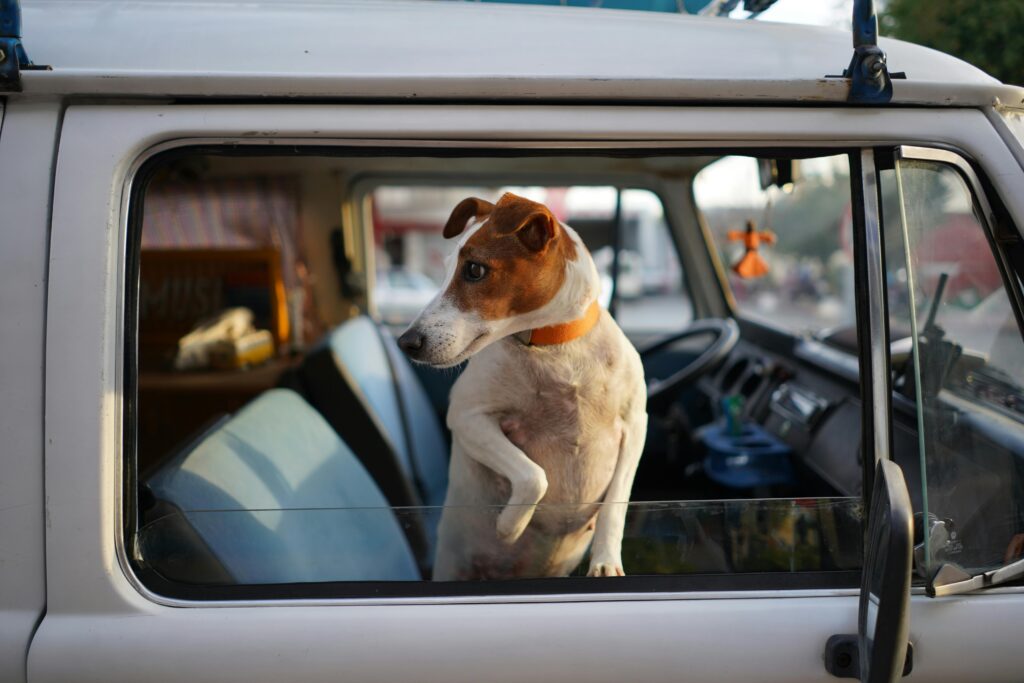
Why Pet Travel Has Changed in 2026
The traveling with pets industry has undergone its most significant structural transformation in a decade, driven by three converging forces: a post-pandemic surge in pet ownership that created 20+ million new pet owners in North America and Europe alone; a regulatory tightening by receiving countries responding to disease prevention concerns; and a commercial innovation wave that has produced genuinely new travel formats that did not exist five years ago.
The regulatory shift: The CDC’s mandatory Dog Import Form system (effective August 2024 and continuing through 2026) has ended the informal era of bringing dogs across US borders with minimal documentation. Per AirPaws’ February 2026 CDC form analysis, “every dog entering the US from abroad needs a CDC Dog Import Form receipt” and dogs coming from high-risk countries face a multi-step certification process that must begin 60+ days before travel.
The commercial innovation shift: 2026 is the year pet-only commercial aviation moves from niche experiment to operational reality, with services like BarkAir’s dog-first private charters and the announced SkyePets transpacific in-cabin service reshaping what’s possible for large dog owners previously excluded from in-cabin travel.
Leaving your pet alone shouldn’t feel like leaving a piece of your heart behind for either of you. Discover these proven, compassionate solutions to help your pet cope with separation anxiety and give them the confidence, comfort, and calm they need to feel perfectly safe even when you’re not around.
Traveling with Pets: Air Travel Complete Guide
Air travel remains the most regulated and high-stakes dimension of traveling with pets requiring the most thorough preparation and the earliest start to the planning process.
In-Cabin Pet Travel Requirements 2026
In-cabin pet travel requirements have stabilized around a consistent global standard in 2026, though individual airline policies vary in the specific dimensions and weight limits they accept.
Universal in-cabin pet travel standards for 2026:
Per Paws Abroad’s February 2026 comprehensive airline policy guide and IATA’s official pet travel guidelines:
| Requirement | Standard |
|---|---|
| Carrier type | Soft-sided, fully closeable, well-ventilated |
| Maximum combined weight | 6–10 kg (pet + carrier) depending on airline |
| Carrier dimensions | Must fit under the seat in front of you |
| Minimum pet age | 8–10 weeks (fully weaned); under 14 weeks require vet certificate on some carriers |
| In-cabin slots per flight | Limited (1–5 pets typically); book early |
| Behavior requirement | Pet must remain in carrier for entire flight |
| Pet count per passenger | 1 carrier (some allow 2 pets of same species per carrier) |
Key in-cabin limitations:
- Many airlines restrict in-cabin pets on long-haul international routes (transatlantic, transpacific) the SkyePets launch and BarkAir specifically exist to fill this gap
- Route-specific bans apply: certain destination countries (Australia, New Zealand, Japan, UK, and others) have import rules that effectively prevent in-cabin arrivals from many origin countries regardless of carrier policy
- Per SAS Airlines’ 2026 pet cabin policy, “no pets are allowed in the cabin in Business on flights to or from North America and Asia” a restriction mirrored by several major European carriers on long-haul routes
Traveling with your cat is an adventure but only when their vaccinations are completely up to date. Find out everything you need to know about travel vaccines for cats so you can hit the road with total peace of mind knowing your feline companion is fully protected every step of the journey.
IATA-Approved Airline Pet Crates
IATA-approved airline pet crates are the non-negotiable equipment standard for traveling with pets in cargo or as checked baggage and using a non-compliant crate is the most common preventable reason for pets being denied boarding.
IATA Live Animal Regulations (LAR) crate requirements:
Per IATA’s traveling with pets guidelines, an approved crate must:
- Be large enough for the animal to stand at full natural height, turn around completely, and lie down in a natural position
- Constructed of rigid, escape-resistant material (hard plastic, metal, or wooden crates meeting IATA LAR specifications)
- Have ventilation on at least three sides (four sides strongly recommended)
- Have a secure, escape-proof door latch
- Have no interior protrusions that could injure the pet
- Be labeled with “LIVE ANIMAL” in letters at least 2.5 cm high
- Show the pet’s name, owner’s contact information, and feeding/watering instructions
- Have absorbent bedding material at the crate floor
- Include water and food containers accessible from outside
Size the crate correctly: Measure your pet: length from tip of nose to base of tail + add 10 cm; height from floor to top of head while standing + add 10 cm; width at the widest point x 2. These are the minimum interior dimensions for IATA compliance.
2026 IATA-approved crate brands:
- Petmate Sky Kennel: One of the most widely accepted hard-plastic crates across international airlines; available in sizes from XS to XXL
- Vari Kennel (Petmate): Wire door model; excellent ventilation; widely IATA-accepted
- Ruff Land Performance Kennel: More impact-resistant than standard plastic; preferred for large breed cargo travel
BarkAir and Pet-Only Private Charters
Pet-only and BarkAir private charter services represent the most exciting category development in traveling with pets in recent years genuinely solving the large dog in-cabin dilemma that has frustrated owners of medium and large breeds since commercial aviation began.
BarkAir: Founded by BARK Company (makers of BarkBox), BarkAir operates dog-first private charter flights where dogs travel untethered in the cabin alongside their owners. Per BarkAir’s current booking schedule:
- Routes: San Francisco to New York direct; additional routes announced for 2026
- Aircraft: Bombardier Challenger 601 private jet; 6-seat passenger capacity
- Price: $7,100 per dog + human round trip premium pricing reflecting the private charter format and the revolutionary in-cabin large dog accommodation
- Experience: Dogs roam the cabin freely; no crates required in flight; the experience is explicitly designed as “dog-first,” with the interior configured for canine comfort
- Booking: air.bark.co with multiple 2026 dates available
SkyePets transpacific in-cabin launch:
Per Luxury Travel Advisor’s 2026 SkyePets announcement, “in 2026, Skye Pets will introduce services from New York, alongside September flights from Los Angeles to Melbourne and Los Angeles to Auckland” representing the first commercially operated transpacific in-cabin pet service and directly addressing the Australia-US corridor that has been among the world’s most difficult routes for traveling with pets.
Top 5 Pet-Friendly Airlines for 2026
Traveling with pets requires choosing the right carrier as carefully as choosing the right destination. Per Travel Ready Pets’ January 2026 comprehensive airline comparison and Paws Abroad’s 2026 policy guide:
| Airline | In-Cabin | Cargo/Checked | Fee (USD) | Special Feature |
|---|---|---|---|---|
| JetBlue | ✅ Cats & dogs | Limited cargo | $125 each way | JetPaws welcome kit for pets |
| American Airlines | ✅ Cats & dogs | ✅ | $125 each way | Multiple booking options |
| United Airlines | ✅ Cats & dogs | ✅ PetSafe program | $125 each way | PetSafe climate-controlled cargo |
| Southwest | ✅ Cats & dogs | ❌ | $95 each way | Domestic US only; lowest fee |
| Qatar Airways | ✅ Select routes | ✅ | $250–$450 | Live Animal Center at Doha; climate-controlled |
International comparison notes:
- Turkish Airlines accepts cats, dogs, and birds in cabin, checked baggage, or cargo one of the most comprehensive international pet policies
- Air Canada‘s June 2026 shift to soft-sided carriers only for in-cabin pets is the most significant recent North American policy change
- Qatar Airways operates a dedicated Live Animal Center at Doha’s Hamad International Airport the most advanced ground-side pet care infrastructure in commercial aviation
Airlines That Allow Large Dogs In-Cabin
Airlines that allow large dogs in-cabin represent one of the most frequently searched questions in traveling with pets and the honest answer for most commercial routes is that options remain severely limited.
Standard commercial airlines: Under-seat carrier size requirements universally exclude dogs above approximately 8–9 kg (including carrier). No major commercial carrier currently allows large dogs (over 10 kg) in the passenger cabin except as trained service animals.
The 2026 alternatives for large dog owners:
- BarkAir private charters: The only commercially operated, on-demand solution for large dog in-cabin air travel (see above)
- Italy’s ENAC regulations: Italy’s Civil Aviation Authority (ENAC) regulations have historically been cited as more permissive for in-cabin pet sizes on domestic routes—travelers with Italian domestic connections should verify current ENAC-compliant airline policies directly with their carrier
- Private aircraft rental: For owners of very large breeds, private jet rental through services like VistaJet, NetJets, or regional charter companies is the only remaining option for true in-cabin travel
- Cargo with temperature control: For large breeds on commercial flights, USDA-cleared climate-controlled cargo (United’s PetSafe program, Qatar Airways’ Live Animal Center) is the most humane available option when in-cabin travel is impossible
Brachycephalic Fit-to-Fly Assessment
Brachycephalic fit-to-fly assessment is the most important safety evaluation in traveling with pets for owners of flat-faced breeds because the physiological characteristics that define these breeds create genuine respiratory risk in the temperature, pressure, and stress conditions of air travel.
Affected breeds (most common):
- Dogs: French Bulldog, English Bulldog, Pug, Boston Terrier, Boxer, Shih Tzu, Cavalier King Charles Spaniel, Pekinese
- Cats: Persian, Exotic Shorthair, Himalayan, Scottish Fold
Why brachycephalic pets face elevated flight risk:
The shortened facial bone structure that creates brachycephalic anatomy simultaneously narrows the nasal passages, elongates the soft palate, and reduces the internal volume of the airway. In normal conditions, these pets compensate through mouth-breathing and increased respiratory effort. In flight conditions elevated stress, potentially lower-oxygen cabin air, temperature fluctuation, physical restriction in a carrier this compensation can fail, leading to respiratory distress, hyperthermia, or collapse.
What a fit-to-fly assessment includes:
A comprehensive veterinary examination confirming:
- Current respiratory function assessment (rest breathing rate, effort level, presence of stertor/stridor)
- Body condition score (higher weight brachycephalic pets have significantly elevated risk)
- Temperature regulation capacity
- Written fitness-to-fly certificate signed by a licensed veterinarian
Important: Most major airlines maintain specific restrictions for brachycephalic breeds particularly in cargo transport. Per IATA guidelines, “do not ship snub-nosed dogs or cats in the hold during hot weather.” Many airlines (including United and American) have seasonal temperature embargoes and year-round breed-specific cargo restrictions for brachycephalic animals. Always verify your specific airline’s current brachycephalic policy before booking.
Virgin Australia Domestic Pets in Cabin
Virgin Australia domestic pets in cabin travel is one of the most searched regional airline pet questions in the Pacific region for traveling with pets.
As of early 2026, Virgin Australia does not operate a domestic in-cabin pet program comparable to US carriers pets on Virgin Australia domestic flights travel as checked baggage or through specialist cargo programs. However, the launch of SkyePets’ transpacific service from Los Angeles to Melbourne and Auckland (announced for September 2026) is expected to significantly change the Australia domestic and transpacific pet travel field. Travelers planning Australia-bound journeys with pets should:
- Verify current Virgin Australia pet policies directly for the most current domestic program details
- Note that Australia has among the strictest biosecurity requirements in the world all incoming pets require import permits, mandatory rabies titer testing, and potential quarantine regardless of carrier
- Monitor the SkyePets launch for the first commercially viable transpacific in-cabin option
Keeping track of your puppy’s vaccination schedule can feel overwhelming but it doesn’t have to be. Use this free, easy-to-use puppy vaccination schedule tool to stay perfectly on top of every important shot and give your new pup the strongest, healthiest start to life possible.
Traveling with Pets: International Regulations and Paperwork
International regulations are the highest-stakes element of traveling with pets where documentation errors don’t result in inconvenience but in your pet being denied entry, placed in mandatory quarantine at your expense, or returned to the country of departure.
The 21-Day Rule: Pre-Travel Health Timeline
The most critical timeline concept in traveling with pets internationally is the rabies vaccination window what the pet travel community has popularized as the “21-Day Rule,” though the actual regulatory minimum is typically 28–30 days for confirmed immunity.
Why the timeline exists:
Rabies vaccines require time to stimulate the immune system to produce protective antibody levels. A vaccination given the day before travel provides no verified protection the animal is not considered immunized until the waiting period has elapsed and immunity is confirmed.
The complete pre-travel health timeline for international pet travel:
Per Across The Pond Pet’s 2024 international rabies regulation guide and AirPaws’ 2026 CDC import guide:
| Stage | Timing | Action Required |
|---|---|---|
| Microchip implantation | At least 30 days before vaccination | ISO-compliant microchip (15-digit, 134.2 kHz) must be implanted before the rabies vaccine for the vaccine to be legally valid |
| Rabies primary vaccination | At least 28–30 days before departure (minimum); 60+ days before if titer test required | Must be administered by licensed veterinarian; chip must already be implanted |
| Rabies titer test blood draw | At least 30 days after primary vaccination | For EU entry, high-risk country destinations; blood draw cannot occur until 30 days post-vaccination |
| Titer test results confirmed | Allow 2–4 weeks for lab processing | Confirms adequate antibody levels meet destination country requirements |
| 3-month waiting period | After blood draw date | Required for EU entry if this is the first titer test; NOT required if re-entering EU after a short absence |
| International health certificate | Issued within 10 days of travel | By licensed veterinarian; USDA APHIS-endorsed for US departures; must be current at time of border crossing |
| CDC Dog Import Form | For US-bound travel | Online submission; free; form receipt valid for 6 months |
The “21-Day” popular name is actually a minimum baseline that understates the real planning window. For travelers requiring titer tests for EU, Australia, New Zealand, Japan, or other strict-entry destinations, the planning horizon is 60–120 days minimum from the first veterinary visit to departure day.
CDC Dog Import Form Receipt 2026
The CDC Dog Import Form is the mandatory documentation layer added to US-bound dog travel that traveling with pets planners must build into every international itinerary involving a dog.
Per AirPaws’ comprehensive 2026 CDC form guide and WorldCarePet’s 2026 USA entry checklist:
Three entry paths for dogs entering the US:
Path 1 Low-risk country dog (simplest):
- Dog has been only in low-risk/rabies-free countries in the past 6 months
- Requirements: CDC form receipt + ISO microchip + at least 6 months old + appears healthy on arrival
- Form completion: Day before travel is sufficient; receipt is valid for 6 months
- Cost: Free (online at CDC’s dog import portal)
2nd Path US-vaccinated dog coming from high-risk country:
- Requirements: CDC form receipt + Certification of US-Issued Rabies Vaccination (form endorsed by USDA APHIS before departure) + ISO microchip
- Start: 4–6 weeks before departure
- Key deadline: Microchip must be implanted before the vaccination; 28-day wait after first vaccine
Path 3 Foreign-vaccinated dog from high-risk country (most complex):
- Requirements: CDC form receipt + foreign vaccination certificate + rabies titer test (blood draw ≥30 days post-vaccination; titer result ≥28 days before US entry) + arrival through an ACF-approved airport
- Start: 60+ days before departure minimum
- Titer result validity: Certification valid for 30 days only timing is critical
Critical universal requirements per WorldCarePet:
- Detectable microchip readable by a universal scanner if unreadable at the port of entry, “your dog will be denied entry and returned to the last country of departure at your expense”
- Minimum age 6 months at entry; no exceptions
- Appears healthy on arrival
The great outdoors is calling and your pet absolutely deserves to answer that call right alongside you. Explore these essential tips for hiking, camping, and outdoor adventures with your pet that keep every trail, every campsite, and every wild moment safe, fun, and completely unforgettable for you both.
ISO-Compliant Microchip Registration
ISO-compliant microchip registration is the foundational technical requirement underpinning all of traveling with pets internationally the unique identifier that connects a physical animal to all its documentation.
The technical standard: Per APHIS USDA, the international standard for pet microchips is ISO 11784/11785, operating at 134.2 kHz and encoding a 15-digit identification number. Many microchips implanted in the United States before approximately 2007 used a 125 kHz frequency incompatible with international readers—if your pet was microchipped before that period, have the chip confirmed readable with an international scanner before travel.
Registration is separate from implantation: The chip number must be registered in a searchable database:
- In the US: American Animal Hospital Association (AAHA) Universal Pet Microchip Lookup or Petlink
- Internationally: EUROPETNET (Europe); Animal Health Information System (UK)
- The microchip number must exactly match the number recorded on all international health certificates and vaccination records—any discrepancy constitutes a documentation failure at the border
EU Pet Passport vs Animal Health Certificate (AHC)
The EU Pet Passport vs Animal Health Certificate distinction is the most important documentation concept for European travel in traveling with pets and one that has caught thousands of UK-based pet owners off guard since Brexit changed the rules.
Per Saga’s definitive UK-EU pet travel guide and Europa.eu’s official EU pet travel regulations:
EU Pet Passport:
- Used for travel between EU member states and from non-EU listed countries
- Issued once and valid indefinitely (provided vaccinations remain current)
- Contains permanent record of all vaccinations, titer tests, and veterinary examinations
- UK residents can NO LONGER obtain new EU Pet Passports following Brexit existing passports issued before Brexit remain valid for re-entry to the EU
Animal Health Certificate (AHC) UK to EU travel:
- Required for all UK residents traveling with pets to the EU or Northern Ireland since Brexit
- Must be issued by an Official Veterinarian (OV) not all private vets are OVs; locate an authorized OV well in advance
- Valid for 10 days from date of issue for entry into the EU (extremely tight window veterinary appointment must be synchronized precisely with travel date)
- Valid for 4 months from issue date for onward travel within the EU and re-entry to Great Britain
- A new AHC is required for every single trip to the EU the AHC cannot be reused
- Cost: Approximately £100–£200 per trip (OV appointment + official endorsement fees)
For US residents traveling to EU:
Per Europa.eu official guidance, pets from the United States require:
- ISO microchip or readable tattoo
- Valid rabies vaccination (administered after microchipping)
- Rabies antibody titration test (first test must be performed at least 30 days after primary vaccination)
- If first titer test: 3-month waiting period after blood draw before EU entry is permitted
- Health certificate issued and endorsed per EU requirements
Smart dog gadgets aren’t just impressive in 2026, they’re genuinely transforming the daily lives of dogs and their devoted pet parents everywhere. Get the complete 2026 buyer’s guide to the most innovative smart dog tech gadgets on the market and discover the advanced tools that make caring for your dog smarter, easier, and more rewarding than ever before.
Rabies Antibody Titer Test Requirements
The rabies antibody titer test is the most commonly underestimated documentation hurdle in traveling with pets to strict-entry destinations—adding weeks or months to the minimum planning window.
What the titer test is: A blood test that measures the actual concentration of rabies-neutralizing antibodies in the pet’s bloodstream. A sufficient titer level (≥0.5 IU/mL per WHO standard) demonstrates that the vaccination has produced confirmed protective immunity—not just that a vaccination was administered.
When it’s required:
- EU entry for pets from non-EU countries (including US)
- UK entry for pets from countries outside the EU
- Australia, New Zealand, Japan, Taiwan, Hawaii, and other rabies-free or high-standard jurisdictions
- Per Europa.eu: “In the case of a first or primary vaccination, you must wait 30 days after the primary vaccination has been completed before this test can be carried out”
The full titer test timeline:
- Microchip confirmed/implanted
- Rabies vaccination administered (Day 0)
- Wait 30 days (Day 30)
- Blood draw for titer test (Day 30+)
- Wait 2–4 weeks for laboratory analysis
- If first titer test: 3-month waiting period from blood draw before EU travel
- Total minimum timeline from vaccination to EU travel eligibility: approximately 4 months
Approved titer test laboratories:
- US: Kansas State University Rabies Laboratory (one of two USDA-approved labs)
- Worldwide lab directory: Available through APHIS USDA’s Pet Travel Center
USDA-Endorsed International Health Certificates
USDA-endorsed international health certificates are the US-departure documentation anchor for all international traveling with pets journeys the document that bridges your veterinarian’s professional examination to official government recognition.
The endorsement process for US residents:
- Schedule your pet for a comprehensive pre-travel health examination with a USDA Accredited Veterinarian not all veterinarians are USDA-accredited
- The veterinarian completes the health certificate using the USDA APHIS FVAP certified forms appropriate for the destination country
- The completed certificate is submitted to the USDA APHIS Veterinary Services State Office (your state’s office) for official endorsement
- Processing time: 1–5 business days for standard processing; rush service available at additional cost
- The endorsed certificate is returned to you must travel with the pet as the official government-authenticated health document
Critical timing: Most health certificates must be issued within 10 days of departure and sometimes within 7 days making the appointment and endorsement timing extremely precise. A certificate issued too early is invalid even if accurate.
Digital Pet Health Records for Border Control
Digital pet health records for border control are an emerging traveling with pets development in 2026 with several countries and systems beginning to accept or require digital documentation alongside or instead of paper certificates.
Current 2026 digital documentation field:
- EU Digital Pet Passport pilot programs: Several EU member states are piloting QR-code-linked digital animal health records that can be verified at border control through smartphone scanning
- APHIS USDA’s digital submission portal: The CDC Dog Import Form is already a digital-first process form receipt is electronic and can be presented on a mobile device
- Pet travel apps: Platforms like AirPaws maintain digitally organized pet travel documentation records for easier access across multiple trips
Important caveat: Until full digital acceptance is confirmed at your specific destination, always travel with complete printed paper copies of every document many border control checkpoints, particularly at smaller ports of entry, may not accept or be equipped to verify digital documents. Never rely solely on digital copies for critical documentation.
Pet-Friendly Ferry Cabins in Europe
Pet-friendly ferry cabins in Europe provide a genuinely comfortable alternative for traveling with pets across European waterways and for many routes, ferry travel is not just the most pet-friendly option but the most practical one.
Leading European pet-friendly ferry operators:
Grimaldi Lines:
One of the Mediterranean’s most pet-accommodating ferry operators, Grimaldi Lines offers dedicated pet-friendly cabin bookings on routes including Italy-Spain, Italy-Greece, and Italy-North Africa corridors. Pets travel in the cabin with owners rather than in vehicle deck kennels a significant welfare improvement over many ferry services.
Minoan Lines:
Operating primarily on Italy-Greece (Ancona/Venice to Igoumenitsa/Heraklion/Patras) routes, Minoan Lines is consistently rated among Europe’s most pet-friendly ferry services. Cabin-with-pet bookings allow animals to remain with owners throughout multi-day Mediterranean crossings.
Brittany Ferries:
On UK-France, UK-Spain, and Ireland-France routes, Brittany Ferries operates dedicated “pet-friendly cabins” where small dogs and cats travel in the cabin. Larger dogs may be accommodated in on-board kennels with regular owner visits permitted during the crossing.
General European ferry pet considerations:
- Pets generally must remain in designated pet-friendly cabins or vehicle deck areas not permitted in restaurants or public passenger lounges
- UK-France routes post-Brexit require the full AHC documentation package (see above)
- Most operators require proof of current vaccinations; some require recent health certificates
- Book pet-friendly cabins early they represent a small proportion of total cabin inventory and sell out significantly in advance during peak summer season
Traveling with Pets: Road Trip Safety and Comfort
Road trips represent the most accessible form of traveling with pets but accessible does not mean automatically safe, and the combination of correct safety equipment with practical comfort management makes the difference between a relaxed journey and a stressful, potentially dangerous one.
Crash-Tested Dog Car Harnesses
Crash-tested dog car harnesses are the most safety-critical equipment investment in road trip traveling with pets protecting not just the pet but all passengers in the vehicle.
Why crash-tested certification matters:
An unrestrained 20 kg dog in a 50 km/h collision generates approximately 600 kg of forward force capable of killing front-seat passengers on impact. A dog-sized projectile at highway speeds generates force that kills. Most dog harnesses and seatbelt clips sold in pet retail stores are not crash-tested they are positioning devices that prevent distracted driving but provide no meaningful crash protection.
The certifying bodies:
- Center for Pet Safety (CPS): The US independent testing organization for pet travel safety products using adapted FMVSS 213 (Federal Motor Vehicle Safety Standard for child restraints)
- FMVSS 213 certification: The most rigorous available standard; tests to federal crash-severity benchmarks
2026 crash-tested harness leaders:
Per Car and Driver’s 2026 tested dog car restraints review, GoPetFriendly’s crash-tested harness guide, and Treeline Review’s 2026 tested harness comparison:
| Harness | Crash Standard | Weight Range | Key Feature |
|---|---|---|---|
| EzyDog Drive™ Dog Car Harness | FMVSS 213 certified | Up to 150 lbs | Step-in design; EVA-padded chest plate |
| Kurgo Impact Dog Harness | CPS crash-tested at Calspan | 10–108 lbs | 4,000-lb tubular webbing; all-steel hardware |
| Sleepypod Clickit Sport | CPS 5-star rated | Up to 90 lbs | Multiple crash test victories; airline-approved carrier option |
| Thule Dog Car Harness | Crash-tested | Multiple sizes | Combined harness + walk harness; dual-purpose |
Per EzyDog, their Drive™ harness is “certified crash-tested, independently certified to FMVSS 213 the same crash test standard used for child restraints in the U.S.” the gold standard description for pet travel safety equipment.
Critical installation note: A crash-tested harness is only as effective as its connection to the vehicle’s seat belt system. Thread the vehicle seat belt through the restraint loops exactly as specified by the manufacturer. Never use bungee-style dog seat belt clips these are unrated for crash loads and have failed dramatically in every independent safety assessment.
GPS Trackers for Traveling Pets
GPS trackers for traveling pets provide the safety net that turns the nightmare scenario of a pet escaping at an unfamiliar rest stop or border crossing into a recoverable situation in traveling with pets.
How pet GPS trackers work:
A lightweight GPS-enabled device attaches to the pet’s collar, transmitting location data to your smartphone via cellular or GPS satellite network. Real-time tracking allows location of a lost pet within meters.
2026 leading GPS tracker comparison:
| Tracker | Technology | Battery Life | Subscription Required | Coverage |
|---|---|---|---|---|
| Tractive GPS | GPS + cellular | 2–7 days | Yes (~$5–10/mo) | 175+ countries |
| Whistle GO Explore | GPS + WiFi + cellular | 20 days | Yes (~$10/mo) | US + some international |
| Fi Series 3 | GPS + LTE | Up to 3 months | Yes (~$8–15/mo) | US primary |
| Tile Mate (Bluetooth) | Bluetooth crowd-sourced | 12 months | No | Crowd-sourced range only |
Recommendation for international traveling with pets: Tractive GPS offers the broadest international coverage (175+ countries) the essential criterion for international road trips or multi-country European itineraries where the pet might escape in an unfamiliar country.
Important: GPS trackers complement but do not replace microchipping. A GPS tracker can fail, lose charge, or be removed. An ISO microchip is permanent and provides the legal identification that reunites pets with owners through shelter and veterinary scanning systems when a GPS tracker isn’t active.
Car Window Shades for Pet Cooling
Car window shades for pet cooling address one of the most under-recognized dangers in road trip traveling with pets solar heat loading through glass windows that can raise vehicle interior temperatures to dangerous levels even on mild days with the air conditioning running.
The temperature risk: Direct solar radiation through untreated glass generates a greenhouse effect on pet crate or car seat areas that the vehicle’s air conditioning may not fully compensate. A black crate surface in direct sun can reach temperatures 10–15°C above ambient air temperature even in a nominally climate-controlled vehicle.
Solutions:
- Static-cling window shades: Apply to rear passenger windows; block UV and reduce solar heat load without obstructing driver sight lines
- Mesh window screens: Clip to lowered windows; allow airflow while preventing pet escape; combined cooling and safety function
- Reflective sunshades for windshield and rear window: Use during rest stops with pets remaining in the vehicle never leave a pet in a parked vehicle without active climate control
Never leave a pet in an unventilated vehicle: On a 22°C (72°F) day, a closed car interior reaches 38°C (100°F) within 10 minutes. At 32°C (90°F), the interior temperature reaches a fatal 54°C (130°F) within 20 minutes. Per ASPCA hot weather guidelines, “never leave your animals alone in a parked vehicle” this is non-negotiable for road trip traveling with pets.
Portable Pet First Aid Kit Essentials
A portable pet first aid kit is the most frequently overlooked preparedness tool in traveling with pets road trips providing the initial care capability for common travel injuries before veterinary access is available.
Essential road trip pet first aid kit contents:
Per the American Red Cross Pet First Aid guidelines and ASPCA emergency care guidance:
Documentation:
- Copies of vaccination records, health certificates, and microchip number
- Veterinarian contact information and emergency veterinary clinic listings for your route
- Virtual vet consultation app pre-downloaded (see Smart Travel section below)
Wound care:
- Sterile saline wash (wound irrigation)
- Non-stick sterile gauze pads
- Self-adhesive bandage wrap (Vetrap or similar does not stick to fur)
- Medical tape
- Blunt-end scissors
Assessment tools:
- Digital rectal thermometer (normal dog temperature: 38–39°C; normal cat: 38–39.2°C)
- Disposable gloves
Medications (veterinarian-approved before travel):
- Activated charcoal tablets (toxin ingestion; use only on veterinary instruction)
- Styptic powder (nail bleeding)
- Antihistamine (veterinarian-approved type and dose for your specific pet’s weight)
- Motion sickness medication if prescribed
Comfort and management:
- Non-spill travel water bowl
- Extra collar and leash
- Muzzle (even gentle pets may bite when in pain from an injury)
- Emergency mylar blanket (shock/hypothermia management)
Dog-Friendly Road Trip Planning Apps
Dog-friendly road trip planning apps are essential digital tools for modern traveling with pets by road transforming trip planning from research-intensive manual work into curated, pet-specific itinerary building.
2026 essential road trip pet apps:
BringFido:
Per BringFido.com, the world’s leading pet travel platform covers “over 500,000 pet-friendly places to stay, play, and eat” across all 50 US states and 100+ countries. Filters include pet size (critical for owners of large breeds), multiple pets, no-pet-fee hotels, and specific amenity requirements. Per the Google Play listing, “our Canine Concierge ensures members are assigned to a pet-friendly room, so there are no surprises at check-in” the guarantee that eliminates the most common pet-friendly hotel booking frustration. Available on App Store and Google Play.
GasBuddy: Plan fuel stops at locations with pet-friendly rest areas
Google Maps “Dog-Friendly” filter: Identifies pet-welcoming restaurants and parks along the route
iExit: Shows upcoming highway exit services including pet-relief areas, veterinary clinics, and pet supply stores
Traveling with Pets: 2026 Smart Travel Technology
Traveling with pets in 2026 is distinguished from any previous era by the integration of smart technology devices and platforms that provide real-time pet health monitoring, climate assurance, and veterinary access regardless of location.
Smart Pet Carriers With Climate Control
Smart pet carriers with climate control represent the most significant single-equipment innovation in traveling with pets technology for 2026 addressing the temperature management risk that underlies the majority of pet travel fatalities.
Per AllTraq’s smart pet carrier specifications:
- Double-walled aircraft aluminum construction: Provides passive thermal insulation against both heat and cold; dramatically reduces temperature differential between external environment and carrier interior
- Thermostatically controlled HVAC: Active heating and air conditioning units maintain interior temperature within a programmed safe range regardless of external conditions
- GPS tracking: Live GPS feed of carrier location viewable via smartphone app critical for cargo transport where the pet is physically separated from the owner
- RFID pet tracking: Internal tag system verifies whether the pet is inside or outside the crate in real-time
Per ReelMind’s 2026 AI pet travel gear analysis, next-generation AI-powered carriers use “machine learning to autonomously adjust ventilation, heating, or cooling systems to maintain optimal conditions, preventing heatstroke or discomfort during transit”—and incorporate predictive maintenance alerts that notify owners when battery levels require attention.
CCTV Pet Monitoring Via Smartphone App
CCTV pet monitoring via smartphone app gives owners real-time visual contact with pets during cargo transport the most psychologically difficult aspect of traveling with pets by air.
2026 available solutions:
- Petcube camera (travel-adapted): Compact camera that fits within oversized cargo crates; transmits live video via cellular connection; two-way audio allows owners to speak calming words to pets during transport
- Airline cargo tracking dashboards: Some airlines (including United’s PetSafe program) provide flight tracking and handling confirmation notifications via app or email—not video but location-stage confirmation at each handling transfer
Practical limitations: Many cargo areas are shielded environments with limited cellular connectivity; video transmission may be intermittent or unavailable during the flight segment itself but functional during ground handling phases before and after flight.
AI-Powered Biometric Collars for Travel Stress
AI-powered biometric collars for travel stress monitoring are the most sophisticated traveling with pets technology available at the consumer level in 2026 providing objective physiological data about a pet’s stress state in real-time.
How biometric travel collars work:
Sensors embedded in the collar continuously monitor heart rate, heart rate variability (HRV a primary physiological indicator of autonomic nervous system activation and stress), activity level, and body temperature. Machine learning algorithms analyze the combined sensor data to distinguish normal rest patterns from active stress responses, providing owners with real-time alerts and post-trip reports.
2026 leading biometric collar products:
- Whistle Health + GPS: Tracks activity, rest quality, and health indicators; GPS integrated; generates monthly health summaries that can be shared with veterinarians
- PetPace Smart Collar: Veterinary-grade biometric monitoring; continuous heart rate, temperature, activity; designed for use by veterinary professionals and monitoring pet patients during travel
- Felcana Go: UK-based; continuous health data collection; veterinarian-reviewed reporting
Practical travel application: A sustained heart rate elevation throughout a flight segment (visible in post-trip data) indicates the pet experienced significant stress informing whether future travel with this pet should include anti-anxiety medication (per veterinary prescription) or whether an alternative transport option should be explored.
Virtual Vet Consultations for Travelers
Virtual vet consultations for travelers are one of the most practically valuable traveling with pets resources for 2026 providing professional veterinary guidance from anywhere in the world when unexpected health concerns arise during travel.
When virtual vet consultation is invaluable during travel:
- Minor gastrointestinal upset after travel stress is it self-limiting or requires emergency care?
- Wound assessment does this cut need sutures at an emergency clinic in a foreign country?
- Unusual behavior or breathing pattern during or after travel stress response or medical emergency?
- Medication dosing guidance when the pet’s home veterinarian is unavailable due to time zones
2026 leading veterinary telemedicine platforms:
- Pawp: $24/month subscription; 24/7 access to licensed vets; emergency fund coverage
- FirstVet: Available in multiple countries; licensed veterinarians; video consultation format
- Vetster: Licensed veterinarians in US and Canada; video and text consultation
- Your pet’s home veterinarian: Many practices now offer established-patient telemedicine confirm availability before international departure
Important: Telemedicine veterinarians can advise and guide but cannot examine your pet physically for any situation involving suspected serious illness, injury, toxin ingestion, or respiratory distress, always proceed to the nearest in-person emergency veterinary clinic.
Baleària Smart Ferry Pet Monitoring
The Baleària app-based smart pet monitoring ferry project represents one of the most innovative traveling with pets developments in European maritime transport a technology pilot that gives ferry passengers real-time monitoring access to their pets housed in vehicle deck pet areas during crossings.
Baleària, the Spanish ferry operator running routes throughout the Balearic Islands and across to mainland Spain, has developed a smartphone-integrated system allowing passengers to view their pets via onboard cameras during the crossing addressing the primary stress factor for pet owners traveling by ferry when pets cannot accompany them to passenger decks. The system allows periodic visual checks and temperature monitoring of the vehicle deck pet area, with alerts if conditions exceed pre-set parameters.

Traveling with Pets: Pre-Trip Veterinary Checklist
Every traveling with pets journey requires a systematic veterinary preparation process the timeline below provides the complete framework.
Complete Pre-Travel Veterinary Checklist
6 months+ before departure (international travel):
- Confirm ISO-compliant microchip is implanted and registered in international database
- Begin rabies vaccination planning (primary vaccine if not current)
- Research destination country-specific requirements through APHIS USDA Pet Travel Center
- Schedule titer test blood draw 30+ days after primary vaccination if required by destination
3 months before departure:
- Confirm titer test results meet destination country minimum levels
- If first EU titer: 3-month waiting period clock starts from blood draw date
- Begin carrier/crate training for pets unfamiliar with travel containment
- Discuss travel anxiety management with veterinarian (natural supplements, pheromone products, or prescription anti-anxiety medication for extreme cases)
4–6 weeks before departure:
- Schedule final pre-travel health examination with USDA-accredited veterinarian
- Begin international health certificate process (timing must align with 10-day pre-departure window)
- Confirm IATA-approved crate sizing and purchase if needed
- Download BringFido and plan pet-friendly accommodation at each overnight stop
- Arrange pet travel insurance (consider Petplan or Trupanion plans with travel medical coverage)
1–2 weeks before departure:
- Complete health certificate and submit for USDA APHIS endorsement
- Submit CDC Dog Import Form (if US-bound) and save receipt
- Prepare and pack portable pet first aid kit
- Confirm all airline or ferry pet reservations (re-verify pet policies for your specific flight/vessel)
- Acclimate pet to travel carrier for at least 1–2 weeks before departure
Day before departure:
- Final confirmation of all documentation: health certificate, vaccination records, titer test results, CDC form receipt, microchip registration certificate
- Print and organize all documents in waterproof travel folder (plus digital backup on phone)
- Prepare travel day feeding schedule (most veterinarians recommend a light meal 3–4 hours before departure; avoid feeding immediately before flight)
- Freeze a non-spill travel water bowl insert for road trips; pack collapsible water bowl for air travel
FAQ About Traveling with Pets
Most commercial airlines restrict brachycephalic breeds in cargo due to respiratory risk, and in-cabin travel requires the carrier to fit under the seat in front of you which excludes most dogs over 4–5 kg. French Bulldogs under the carrier weight limit may travel in-cabin on airlines that permit them, but must undergo a veterinary brachycephalic fit-to-fly assessment first. For larger French Bulldogs or those with significant respiratory compromise, BarkAir’s dog-first charter service is the safest option.
Start the rabies vaccination and titer test timeline early enough. Per the 21-Day Rule principle and the full timeline detailed above, the documentation process for destinations requiring titer tests takes a minimum of 4 months from first veterinary appointment to travel eligibility. No other single error in traveling with pets planning is as common, as preventable, or as costly a missed rabies timeline can mean your pet is denied entry at the destination border, quarantined at your expense, or returned to the country of departure.
BringFido.com is the definitive resource covering over 500,000 pet-friendly properties with filters for pet size, number of pets, no-pet-fee properties, and specific amenities. The BringFido app is available for both iOS and Android and integrates real-time booking with a Canine Concierge guarantee that ensures you are actually assigned a pet-friendly room rather than discovering on arrival that the booking did not communicate your pet’s presence.
Next Steps: Your Traveling with Pets Action Plan
This Week:
- Confirm your pet’s microchip status: Have your veterinarian scan the chip and confirm the ISO standard and registration database
- Determine your destination’s requirements: Use APHIS USDA Pet Travel Center to look up the complete entry requirements for your specific destination country
- Assess your timeline: Is your rabies vaccination current, and is it within the valid window for your destination? If a titer test is required, are you within the 4-month minimum planning window?
- Download BringFido: Begin researching pet-friendly accommodation at each planned overnight location
This Month:
- Schedule your pre-travel veterinary appointment with a USDA-accredited veterinarian if international travel is planned
- Begin carrier and crate training for any pet that will travel in a crate the animal should be comfortable resting in the closed crate before the travel date, not experiencing it for the first time
- Invest in a crash-tested car harness (EzyDog Drive, Kurgo Impact, or Sleepypod Clickit) if any road travel is planned
- Consider pet travel insurance: Review Petplan or Trupanion for travel-specific medical coverage
Long-Term:
- Build the complete documentation system: Create a dedicated travel folder (physical + digital cloud backup) containing all pet documents microchip registration, vaccination history, titer test results, and health certificates from all prior trips
- Establish a virtual vet relationship through Pawp, FirstVet, or your home practice’s telemedicine service before you need it
- Research the 2026 pet-first aviation field: Monitor SkyePets and BarkAir for route expansions that may open previously impossible journeys for your large breed companion
🐾 Related Resources & Interactive Tools in This Guide:
- Interactive Calculator: Pet Insurance & Lifetime Cost Calculator — Estimate policy premiums, deductibles, lifetime ownership costs, and emergency medical savings.
- Clinical Resource: Ultimate Guide to Dog and Cat Security Services: Ensuring Pet Safety in 2026
- Behavior & Training Guide: Custom Pet Portraits: Your Complete Guide to Capturing Your Pet’s Perfect Memory in 2026
- Related Expert Guide: The Ultimate Guide to Luxury Pet Hotels: Premium Care for Your Beloved Companion
Growth & Immunization Tracking: To predict your puppy’s adult weight based on current breed trajectory, use our interactive Puppy Growth Calculator. For core vaccine timelines and veterinary cost planning, refer to the Puppy Vaccination Schedule Tool.
📚 Related Topic Cluster Guides & Veterinary Tools
Explore our complete Pet Care & Clinical Health Hub for comprehensive guides, veterinary diagnostic checklists, and daily care protocols.
- Discovering Pets Mental Health: Expert Tips for Supporting Your Pet’s Emotional Well-being
- How to Trim Arthritic Dog Nails: The Complete Gentle Nail Care Guide 2026
- Managing Pet Weight Problems: Ideas for a Healthier Weight
- How to Care for a Pregnant Cat at Home (Diet & Labor)
- Interactive Tool: Pet Age to Human Years Conversion Calculator