The information and calculator data provided in this article are aggregated from peer-reviewed veterinary literature, including the Merck Veterinary Manual and AVMA guidelines. This content is for educational and informational purposes only and is not a substitute for professional veterinary advice, diagnosis, or treatment. Always consult with a licensed veterinarian before administering any medication or altering your pet’s health regimen.
Non toxic cleaning products for dogs are one of the most practically important and consistently underestimated areas of responsible dog ownership. Most dog owners understand that certain foods are dangerous and certain plants are toxic, but the cleaning products stored under the kitchen sink, in the bathroom cabinet, and in the laundry room represent a daily low-level chemical exposure risk that receives far less attention than it deserves. Dogs contact cleaned floors with their bare paws on every walk through the house, press their faces into freshly laundered bedding, lick countertops, and chew objects that have been wiped down with disinfectant sprays.
The good news about non toxic cleaning products for dogs is that dogs are physiologically less vulnerable than cats to certain chemical classes, particularly phenols, due to a more functional hepatic detoxification system. The important caveat is that “less vulnerable” is not the same as “safe.” Dogs are significantly more vulnerable than humans to a wide range of cleaning compounds through their behavioral exposure pathways, which involve direct licking, mouthing, and prolonged floor contact that humans never experience.
This guide covers everything required to build a genuinely safe cleaning system: the chemistry behind why specific ingredients are dangerous for dogs, the complete toxic ingredient list, the full dog safe floor cleaner framework, step-by-step DIY dog safe all purpose cleaner recipes, the best dog safe cleaning products 2026, how dog safe enzyme cleaner technology works for pet messes, and the complete eco friendly carpet cleaner for dogs protocol for the surface type that accumulates the most biological contamination in dog households.
A clean home and happy pets can absolutely go hand in hand discover the best pet-safe cleaning products that keep your space spotless without putting your furry family members at risk.
🛑 Critical Safety Alert: If Your Dog Has Been Exposed to a Toxic Cleaning Product
Call the ASPCA Animal Poison Control Center immediately: 888-426-4435 (available 24/7; a consultation fee may apply).
Alternatively, contact the Pet Poison Helpline: 855-764-7661.
Emergency signs of cleaning product toxicity in dogs include: drooling excessively, pawing at the mouth or face, vomiting, lethargy, difficulty breathing, chemical burns visible around the mouth or on paws, tremors, sudden behavioral change, or collapse.
Do not induce vomiting unless specifically directed by a veterinarian or poison control specialist. Certain cleaning compounds cause greater esophageal damage on the way back up than they do on the way down.
Table of contents
- Why Non Toxic Cleaning Products for Dogs Are a Medical Necessity
- Non Toxic Cleaning Products for Dogs: Ingredients to Avoid Completely
- The Complete Toxic Ingredient Warning List
- Non Toxic Cleaning Products for Dogs: Dog Safe Floor Cleaner
- The Best Dog Safe Floor Cleaner Options by Category
- Non Toxic Cleaning Products for Dogs: DIY Dog Safe All Purpose Cleaner
- DIY Dog Safe All Purpose Cleaner Recipes
- Non Toxic Cleaning Products for Dogs: Best Dog Safe Cleaning Products 2026
- Best Dog Safe Cleaning Products 2026 by Category
- Non Toxic Cleaning Products for Dogs: Dog Safe Enzyme Cleaner
- Non Toxic Cleaning Products for Dogs: Eco Friendly Carpet Cleaner for Dogs
- The Complete Eco Friendly Carpet Cleaner for Dogs Protocol
- Commercial Eco Friendly Carpet Cleaner for Dogs Products
- Building Your Complete Non Toxic Cleaning Products for Dogs System
- Room-by-Room Implementation Guide
- When Non Toxic Cleaning Products for Dogs Are Not Enough: Recognizing Toxicity
- Frequently Asked Questions About Non Toxic Cleaning Products for Dogs
Why Non Toxic Cleaning Products for Dogs Are a Medical Necessity
Dog-Safe Cleaning Standards
Safe household cleaning around dogs means avoiding bleach, ammonia, phenols, and synthetic fragrances that irritate sensitive paws and mucous membranes. Use diluted white vinegar, baking soda, and veterinary enzymatic cleaners that break down organic stains and odors without releasing toxic fumes.
🚨 Emergency Pet Poison & Triage Hotlines (24/7 Support)
If you suspect your pet has ingested a toxic substance, human medication, or is experiencing acute poisoning symptoms, do not wait for symptoms to worsen. Contact your local emergency veterinarian or call a national triage helpline immediately:
- ASPCA Animal Poison Control Center (APCC): (888) 426-4435 (Available 24/7/365 across North America)
- Pet Poison Helpline: (855) 764-7661 (24/7 specialized veterinary toxicological triage)
Clinical Reference Standards: All toxicity thresholds, safety margins, and clinical guidelines in this article are calibrated against peer-reviewed veterinary literature, including Plumb’s Veterinary Drug Handbook, the ASPCA APCC Toxicology Database, WSAVA Nutritional Guidelines, and AAHA Critical Care Protocols. This content is for clinical reference and educational triage only and does not replace direct veterinary consultation.
| Triage Stage | Response Timeframe | Recommended Clinical Step | Critical Warning |
|---|---|---|---|
| Immediate Ingestion | Within 0 to 60 Minutes | Identify exact substance, package, and quantity | Do not administer hydrogen peroxide without vet order |
| Emergency Contact | Immediate (0 to 15 Min) | Call ASPCA Poison Control (888-426-4435) | Keep packaging available for toxicologist review |
| Clinical Decontamination | Within 1 to 2 Hours | Veterinary gastric lavage or activated charcoal | Rapid intervention prevents systemic absorption |
| Supportive Monitoring | 24 to 72 Hours | IV fluid therapy and liver/kidney enzyme panels | Monitor organ biomarkers and vital stability |
How Dogs Are Exposed to Cleaning Products
The case for non toxic cleaning products for dogs is built on understanding the specific ways dogs interact with their cleaned environment. Unlike humans, who maintain consistent contact with surfaces only through feet covered by shoes and hands, dogs contact cleaned surfaces in a range of high-exposure ways that make chemical residue a genuine ingestion risk:
- Paw licking: Dogs lick their paws regularly and instinctively. Any residue from a recently mopped floor or wiped surface transfers directly from paw pad to mouth.
- Floor sniffing and muzzle contact: Dogs navigate their environment primarily through smell, pressing their wet noses and lower faces to the floor repeatedly throughout the day.
- Object mouthing: Dogs chew and mouth objects placed on cleaned counters and floors as a natural exploratory behavior.
- Coat absorption: Dogs who lie on recently cleaned hard floors or in freshly laundered bedding absorb surface chemicals through skin contact, and then ingest them during grooming.
According to the ASPCA Animal Poison Control Center, household cleaning products are among the top ten categories of animal poisoning inquiries they receive annually, with dogs accounting for the majority of cases due to their higher behavioral contact rate with cleaned surfaces compared to cats.
The Dose-Response Reality of Non Toxic Cleaning Products for Dogs
The toxicology principle underlying non toxic cleaning products for dogs is dose-response: the harm caused by a compound depends not only on how toxic it is but on how much of it the animal absorbs over time. A single exposure to a dilute cleaning residue may produce no observable symptoms. Repeated daily exposure to the same compound through paw licking over months produces cumulative organ stress, particularly on the liver and kidneys, which are responsible for processing and eliminating foreign chemical compounds.
The Pet Poison Helpline’s toxicology resources describe this chronic low-level exposure pathway as one of the most underdiagnosed sources of organ dysfunction in household dogs, precisely because no single exposure event is dramatic enough to prompt a veterinary visit. The connection between cleaning product choice and an eventual elevated liver enzyme result on a routine blood panel is almost never made by the owner.
Nobody loves this part of pet ownership but it matters more than you think. Here’s everything you need to know about dog waste management done the right, responsible, and hygienic way.
Non Toxic Cleaning Products for Dogs: Ingredients to Avoid Completely
The Complete Toxic Ingredient Warning List
Building a non toxic cleaning products for dogs household system begins with eliminating the following compounds. These are documented dog toxins per the ASPCA Animal Poison Control Center, the Pet Poison Helpline, and published veterinary toxicology literature:
Bleach (Sodium Hypochlorite) in Concentrated or Spray Form
Concentrated bleach and spray bleach products are strongly irritating to the mucous membranes, respiratory tract, and gastrointestinal system of dogs. Undiluted bleach causes chemical burns on contact with skin, eyes, and oral tissues. Bleach can be used safely in dog households at high dilution (1 tablespoon per quart of water) with thorough rinsing and complete drying required before dog access. Spray bleach products and undiluted bleach are not compatible with surfaces dogs contact.
Ammonia and Ammonia-Based Cleaners
Ammonia is particularly problematic in dog households for two reasons: it is a respiratory irritant that causes airway inflammation at household use concentrations, and ammonia-based cleaners smell similar to urine to a dog, which actively encourages the dog to urinate on or near the cleaned area. Glass cleaners, some multi-purpose sprays, and certain floor strippers contain ammonia.
Quaternary Ammonium Compounds (Quats)
Listed on labels as “benzalkonium chloride,” “alkyl dimethyl benzyl ammonium chloride,” or simply “quaternary ammonium.” Present in many disinfectant wipes, antibacterial sprays, and hospital-grade surface cleaners. Quats cause oral and esophageal ulceration through licking contact, respiratory irritation through inhalation, and progressive toxicity with repeated exposure. The American Kennel Club’s health and safety guidance identifies quat-based disinfectants as among the highest-concern cleaning categories for dogs.
Phenols and Phenolic Disinfectants
While dogs are less sensitive to phenols than cats, they are not immune to phenolic toxicity. Products containing pine oil (Pine-Sol and similar), chloroxylenol (Dettol), and other phenolic active compounds cause gastrointestinal irritation, liver stress, and neurological symptoms in dogs through repeated contact-and-ingestion exposure. The level at which phenols cause harm is simply higher in dogs than in cats, not absent.
Formaldehyde
Present in some floor polishes, wood sealers, and fabric stiffeners. A recognized carcinogen and acute respiratory irritant; off-gassing from formaldehyde-containing products in enclosed spaces creates meaningful inhalation exposure for floor-level dogs.
Glycol Ethers
Found in many glass cleaners, carpet cleaners, and stain removers. Glycol ether compounds are absorbed through skin contact and are classified as reproductive toxins and bone marrow suppressants with repeated exposure. Dogs lying on treated carpet are particularly vulnerable to dermal absorption.
Isopropyl Alcohol
Present in many disinfectant wipes and multi-surface sprays. Causes central nervous system depression in dogs through skin absorption and inhalation, with symptoms including incoordination, lethargy, and in higher exposures, respiratory depression.
Synthetic Fragrance
“Fragrance” listed as a single ingredient on a cleaning product label can legally represent hundreds of undisclosed chemical compounds. Many synthetic fragrance components are volatile organic compounds (VOCs) that accumulate in indoor air and cause respiratory irritation and hormonal disruption with chronic exposure. Dogs spend significantly more time at floor level than humans, where VOC concentrations from air fresheners and scented cleaning products are highest.
Your home is your pet’s whole world make sure it’s a safe one. Follow these practical pet-proofing tips to eliminate hidden hazards and create a secure, comfortable haven your furry friend can freely explore.
Non Toxic Cleaning Products for Dogs: Dog Safe Floor Cleaner
Why Dog Safe Floor Cleaner Selection Is Your Most Critical Decision
Dog safe floor cleaner selection is the highest-priority non toxic cleaning products for dogs decision in your home because no other surface receives more consistent dog contact. Every step a dog takes on a recently cleaned floor deposits chemical residue on their paw pads. Every time they self-groom or lick their paws after a walk across the kitchen, that residue transfers to their digestive system. A floor cleaner used daily without a thorough rinse step creates a continuous low-level ingestion exposure that compounds over months and years.
The dog safe floor cleaner standard requires products whose active ingredients are genuinely non-toxic to dogs, that rinse completely from the surface without harmful residue, and that do not off-gas VOCs that affect respiratory health at floor-level concentrations.
The Best Dog Safe Floor Cleaner Options by Category
Steam Cleaning: The Gold Standard Dog Safe Floor Cleaner
A steam mop is the safest and most effective dog safe floor cleaner for hard floor surfaces. It uses only water heated to 100°C or higher, killing the overwhelming majority of household pathogens without any chemical application. There is no residue concern, no ingredient evaluation required, and no off-gassing risk. For sealed hardwood, tile, laminate, and vinyl, a steam mop used two to three times per week is the ideal dog safe floor cleaner system.
Diluted White Vinegar: The Most Accessible Dog Safe Floor Cleaner
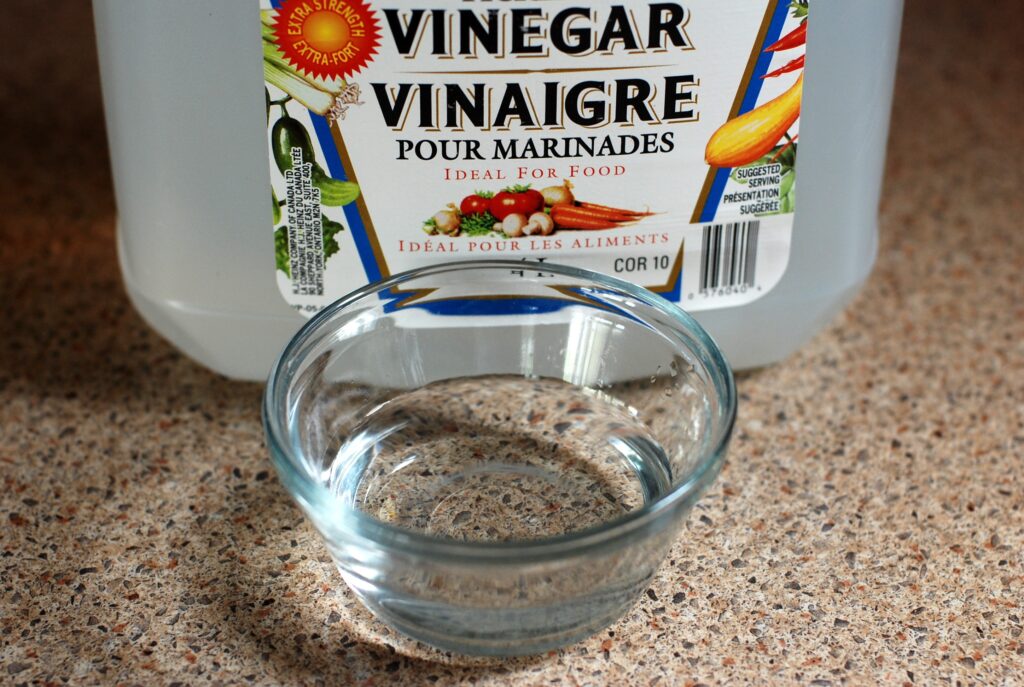
A solution of one part white distilled vinegar to four parts warm water is a broadly safe and effective dog safe floor cleaner for sealed hard surfaces. Acetic acid is non-toxic to dogs at household dilution concentrations, evaporates completely without leaving harmful residue, and cuts through organic soil effectively. The limitation is that it is not a disinfectant at this dilution and will gradually dull the finish of unsealed hardwood and natural stone over time.
Commercial Dog Safe Floor Cleaner Products
- Better Life Floor Cleaner: Plant-derived surfactant formula, free from ammonia, bleach, quats, and synthetic fragrance; widely recommended in veterinary cleaning guidance
- Puracy Natural Multi-Surface Cleaner: Hypoallergenic formula with no synthetic fragrance or high-risk disinfectant compounds; dilutable for floor use
- Bona Hard-Surface Floor Cleaner: Water-based formula designed to dry to a residue-free finish; consistently recommended as a dog safe floor cleaner in veterinary housekeeping guides
- Aunt Fannie’s Floor Cleaner: Vinegar-based commercial formula with transparent plant-derived ingredients; one of the most specifically marketed dog safe floor cleaner options available in mainstream retail
When selecting any commercial dog safe floor cleaner, verify the current formulation on the manufacturer’s website rather than relying on previous purchases. Product formulations change, and a fragrance-free product from a previous year may have added essential oils or preservatives in its current version.
A vomiting cat is every pet parent’s instant cause for concern but not every episode is an emergency. Learn the key causes, symptoms, and treatment options so you always know exactly when to act and when to relax.
Non Toxic Cleaning Products for Dogs: DIY Dog Safe All Purpose Cleaner
Why DIY Dog Safe All Purpose Cleaner Gives You Maximum Control
A DIY dog safe all purpose cleaner is the most reliable approach within the broader non toxic cleaning products for dogs system because full ingredient control eliminates the risk of hidden fragrance compounds, undisclosed preservatives, and proprietary blend exemptions that commercial products can legally use to avoid complete ingredient disclosure. When you make it yourself from documented non-toxic ingredients, every element of the formula is verified.
DIY Dog Safe All Purpose Cleaner Recipes
Recipe 1: Everyday All-Surface DIY Dog Safe All Purpose Cleaner
This is the most versatile DIY dog safe all purpose cleaner for daily use on countertops, cabinet fronts, appliance surfaces, bathroom tiles, and sinks:
Ingredients:
- 1 cup distilled white vinegar
- 1 cup distilled water
- 1 tablespoon unscented castile soap (Dr. Bronner’s Baby Unscented is the most consistently recommended)
- Optional: 5 drops lavender essential oil at very high dilution (lavender is one of the few essential oils considered lower-risk for dogs when used at minimal concentration in well-ventilated spaces; always verify current ASPCA guidance before adding any essential oil)
Instructions:
Combine in a clean 16-ounce spray bottle. Shake gently before each use. Spray on surface, allow 30 seconds of contact, wipe clean with a microfiber cloth. Safe on sealed hard surfaces, painted walls, appliances, and bathroom tile.
Important note on castile soap: Pure unscented castile soap is a safe ingredient in a DIY dog safe all purpose cleaner. Do not substitute with dish soap containing antibacterial agents (triclosan) or fragrance compounds.
Recipe 2: Disinfecting DIY Dog Safe All Purpose Cleaner
For surfaces requiring genuine pathogen elimination (bathroom surfaces, food preparation areas, around dog feeding stations):
Ingredients:
- 1 tablespoon regular unscented sodium hypochlorite bleach (not splash-proof formulas, which contain additional chemical stabilizers)
- 1 quart (approximately 1 liter) cold water
Instructions:
Mix fresh for each use. Apply to surface with a cloth or spray, allow 5 minutes of contact time, rinse thoroughly with clean water, allow to air dry completely before dog access. Never mix bleach with vinegar, ammonia, hydrogen peroxide, or any other cleaning agent. Do not use on soft surfaces including fabric or carpet.
Recipe 3: Baking Soda and Hydrogen Peroxide Scrub Paste
For stubborn surface stains, grout discoloration, and baked-on residue:
Ingredients:
- 3 tablespoons baking soda
- 1 tablespoon 3% hydrogen peroxide (standard pharmacy concentration)
- 1 teaspoon unscented castile soap
Instructions:
Mix to a paste consistency. Apply to the surface, let sit 10–15 minutes, scrub with a non-scratch pad, rinse thoroughly. Baking soda and 3% hydrogen peroxide are both safe for use in a DIY dog safe all purpose cleaner paste at these concentrations; neither produces toxic residue at the quantities involved in surface cleaning.
Recipe 4: Simple Baking Soda Deodorizing Sprinkle
For upholstery, dog bedding, and carpet between deep cleans:
- Sprinkle dry baking soda liberally over the surface
- Allow to sit for 15–30 minutes to absorb odors
- Vacuum thoroughly
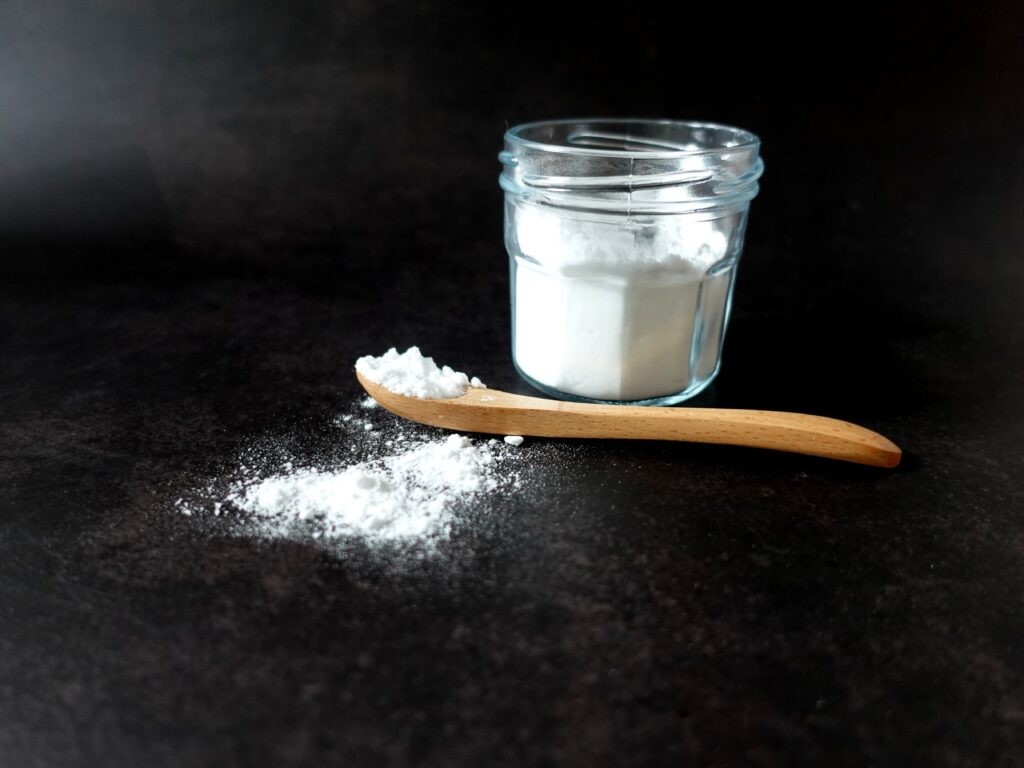
Baking soda is one of the most useful ingredients in a DIY dog safe all purpose cleaner toolkit precisely because it is non-toxic at any contact level, deodorizes effectively, and leaves no harmful residue.
Non Toxic Cleaning Products for Dogs: Best Dog Safe Cleaning Products 2026
How to Evaluate the Best Dog Safe Cleaning Products 2026
The best dog safe cleaning products 2026 market has grown substantially, but the category is heavily affected by greenwashing. Terms like “natural,” “plant-based,” “eco-friendly,” and “pet-friendly” on product labels are marketing claims without regulatory enforcement or standardized definition. A product can legally use all four of these terms while containing synthetic fragrance compounds, glycol ethers, or essential oil blends that are genuinely hazardous to dogs.
Evaluating the best dog safe cleaning products 2026 requires reading the complete ingredient list, not the front-panel marketing language. The Environmental Working Group’s Guide to Healthy Cleaning provides the most rigorous publicly accessible scoring system for cleaning product ingredient safety and transparency. Products scoring A or B on the EWG system meet the standard required for the best dog safe cleaning products 2026 designation.
Your cat isn’t scratching your sofa to drive one to their limit it’s just pure instinct. Discover smart, effective scratching solutions that redirect that natural behavior and save your furniture for good.
Best Dog Safe Cleaning Products 2026 by Category
Multi-Surface
- Branch Basics Concentrate: Full ingredient transparency, coconut and corn-derived surfactant base, no fragrance, no synthetic preservatives. One concentrate diluted into multiple formulas for different cleaning tasks. Consistently the top recommendation among veterinary cleaning safety communities.
- Seventh Generation Free and Clear Multi-Surface: EWG A-rated, fragrance-free, plant-based formula with no quats or synthetic disinfectants; widely available at major retailers at accessible price points.
- ECOS All-Purpose Cleaner (Fragrance-Free): Plant-derived surfactant system, full ingredient disclosure on label and website, no artificial fragrance or antibacterial compounds.
Bathroom and Disinfecting
- Hydrogen Peroxide-Based Bathroom Cleaners: 3% hydrogen peroxide is one of the few genuinely disinfecting compounds that breaks down to water and oxygen with no toxic residue. Seventh Generation’s Disinfecting Bathroom Cleaner uses a hydrogen peroxide active system.
- Method Bathroom Cleaner (Fragrance-Free): Plant-based surfactant without quat or phenol active compounds; consistently reviewed as one of the best dog safe cleaning products 2026 in the bathroom category.
Laundry
Dog bedding, toys, and fabric items require laundry products evaluated to the same standard as surface cleaners:
- Seventh Generation Free and Clear Laundry Detergent: No optical brighteners, no synthetic fragrance, no fabric softener compounds; one of the most broadly recommended best dog safe cleaning products 2026 in the laundry category
- ECOS Hypoallergenic Laundry Detergent: Plant-based formula with full ingredient transparency; EWG A-rated
- Never use fabric softener sheets or liquid fabric softeners on dog bedding: Cationic surfactants in fabric softeners are toxic to dogs through skin contact and licking; they produce a residue that penetrates fabric and persists through multiple washes
Non Toxic Cleaning Products for Dogs: Dog Safe Enzyme Cleaner
What Makes Dog Safe Enzyme Cleaner Irreplaceable for Pet Households
Dog safe enzyme cleaner is the single most important specialized cleaning technology in any dog household. It is the only category that eliminates rather than masks the biological compounds in dog urine, feces, and vomit that cause persistent odor and continue to attract re-marking behavior.
Dog urine contains urea, urochrome, uric acid, and various protein compounds. Standard cleaning products break down urea and urochrome effectively, which is why freshly cleaned urine spots initially smell clean. Uric acid is the problem compound. It forms insoluble crystals that bind to fibers, subflooring, and porous surfaces at a molecular level and are unaffected by soap, water, or vinegar. These crystals rehydrate with humidity and release odor compounds again, which is why a surface cleaned with a standard product continues to smell, particularly on humid days.
According to the AKC’s cleaning and odor guidance, a dog safe enzyme cleaner containing live bacterial cultures that produce protease, urease, and lipase enzymes is the only method that fully eliminates uric acid crystals through biological digestion. These enzymes break the molecular bonds of uric acid into non-odorous compounds that evaporate or rinse away, completing the odor elimination rather than masking it.
How to Use Dog Safe Enzyme Cleaner Correctly
The most common reason dog safe enzyme cleaner delivers incomplete results is incorrect application technique:
- Remove all solid material and blot as much liquid as possible first. Use clean white cloth and blot (never scrub or rub, which spreads the contamination further into the fiber structure).
- Saturate the area to the same depth the urine reached. For carpet, this is critical: the visible stain is only the surface evidence. If the urine penetrated the carpet backing and underlay, the enzyme solution must reach the underlay to work. Saturate thoroughly and place a clean cloth weighted with a book on the spot to hold moisture contact for 10–15 minutes.
- Do not apply heat before or during treatment. Hot water or steam applied before enzyme treatment denatures the protein components of urine, making them harder for the enzymes to digest. Always treat at room temperature.
- Keep the area moist during the treatment window. The live bacterial cultures in a dog safe enzyme cleaner require moisture to remain active. Covering treated carpet with plastic wrap for 30 minutes after application maintains the biological activation.
- Do not mix or apply other cleaners before or after. Bleach, vinegar, or soap used before a dog safe enzyme cleaner deactivates the bacterial cultures and renders the product ineffective.
- Allow to air dry completely rather than blotting out the enzyme solution, which removes the bacterial cultures before they complete the digestion process.
The Best Dog Safe Enzyme Cleaner Products
- Rocco and Roxie Professional Strength Stain and Odor Eliminator: The most consistently recommended dog safe enzyme cleaner across veterinary and rescue organization guidance; chlorine-free, no harsh chemicals, certified safe for all surfaces including carpet, hardwood, tile, and upholstery
- Nature’s Miracle Advanced Stain and Odor Eliminator (Unscented): Long-established enzymatic formula with documented biological odor elimination; the unscented version is required for dog households as the scented versions contain fragrance compounds
- Angry Orange Pet Odor Eliminator (Diluted, Exterior Use Only): Contains citrus oil compounds that are effective against urine odor on outdoor surfaces and patios; not recommended for interior use on surfaces dogs will lick or lie on
- Biokleen Bac-Out Stain and Odor Remover: Plant-based surfactant with live enzyme cultures; effective formula with transparent ingredient disclosure
Non Toxic Cleaning Products for Dogs: Eco Friendly Carpet Cleaner for Dogs
Why Carpets Are the Most Challenging Surface in Dog Households
Eco friendly carpet cleaner for dogs addresses the most contamination-intensive surface in a dog household. Carpet fibers trap dander, dirt, urine residue, fecal trace contamination, saliva, food residue, and the outdoor pathogens that enter on dog paws from every walk. Unlike hard floors that can be completely sanitized with a single cleaning, carpet retains contamination at multiple depths including the fiber, backing, and pad layers.
The eco friendly carpet cleaner for dogs challenge is particularly significant because dogs spend more time in direct contact with carpet than any other household surface. They lie on it for hours, press their faces into it, roll on it, and lick it. This prolonged direct contact makes the ingredient safety standard for carpet cleaning products higher, not lower, than for hard surfaces, because residue penetrates fibers and persists across multiple regular vacuum cycles.
The Complete Eco Friendly Carpet Cleaner for Dogs Protocol
Daily Maintenance: Vacuum First, Always
Daily or every-other-day vacuuming is the foundational eco friendly carpet cleaner for dogs maintenance step and requires no cleaning products at all. A vacuum fitted with a HEPA filter captures dander, dust mites, and fine particulate that contribute to indoor air quality issues for both dogs and their owners. Vacuuming before any wet cleaning prevents surface soil from being ground deeper into fibers during the wet treatment process.
Spot Treatment: Dog Safe Enzyme Cleaner as First Response
For any biological contamination (urine, vomit, feces), dog safe enzyme cleaner is the correct first-response product as described above. Never apply a conventional carpet spot cleaner to biological contamination before enzyme treatment, as this locks in the uric acid crystals.
For non-biological stains (mud, food, drink spills):
- Blot and remove as much solid or liquid material as possible
- Apply the DIY dog safe all purpose cleaner Recipe 1 sparingly to the stained area
- Work from the outside of the stain inward to prevent spreading
- Blot with a clean white cloth, do not scrub
- Rinse by blotting with clean water
- Absorb remaining moisture with a dry cloth weighted with a book
Weekly Deodorizing: Baking Soda Eco Friendly Carpet Cleaner for Dogs
Weekly baking soda treatment is the most effective eco friendly carpet cleaner for dogs deodorizing protocol that requires no chemical products:
- Sprinkle baking soda liberally across the entire carpet surface
- Allow to sit for a minimum of 15 minutes (30–60 minutes for stronger odors)
- Vacuum thoroughly with a HEPA-filter vacuum
Baking soda absorbs the organic acid compounds responsible for pet odor without introducing any toxic residue. It is non-toxic at any incidental contact level and leaves no harmful surface residue after vacuuming.
Periodic Deep Clean: Steam Carpet Extraction
For monthly or quarterly deep cleaning, a hot water extraction machine (carpet steam cleaner) used with plain hot water or a very small amount of fragrance-free castile soap diluted in the water tank is the safest eco friendly carpet cleaner for dogs deep treatment. The combination of heat, water pressure, and extraction lifts deeply embedded contamination from all fiber layers without chemical residue.
Steam extraction protocol for dog households:
- Vacuum thoroughly before steam extraction
- Treat any identified biological contamination areas with dog safe enzyme cleaner 24 hours before steam extraction (not simultaneously)
- Run the extractor with plain water or castile soap solution
- Make a final pass with the extractor using clean water only to rinse any soap residue
- Ensure adequate ventilation and allow full drying before dog access (minimum 4–6 hours, longer for thick pile carpet)
Commercial Eco Friendly Carpet Cleaner for Dogs Products
- Puracy Natural Carpet Cleaner: Plant-derived enzyme formula, fragrance-free option available, no quats or synthetic disinfectants; consistently recommended as a safe eco friendly carpet cleaner for dogs
- Better Life Stain and Odor Eliminator: Plant-based formula with transparent ingredients, no synthetic fragrance, safe for use on surfaces dogs contact
- Aunt Fannie’s FlyPunch (for machine use): Vinegar and plant enzyme-based formula for use in carpet extraction machines; no artificial fragrance or petroleum-derived surfactants
Building Your Complete Non Toxic Cleaning Products for Dogs System
Room-by-Room Implementation Guide
Kitchen (counters, floors, feeding area):
Branch Basics or Seventh Generation Free and Clear unscented spray for surfaces; diluted white vinegar solution or steam mop for floors; dog safe enzyme cleaner for feeding area floor contamination. Dog food and water bowls washed daily with unscented ECOS or castile dish soap.
Bathroom:
Method Bathroom Cleaner fragrance-free or dilute bleach solution (fully rinsed and dried before dog access); steam mop for tile floors.
Living Areas and Carpet:
Daily HEPA vacuuming; weekly baking soda deodorizing; dog safe enzyme cleaner for biological accidents; monthly steam extraction.
Dog Sleeping Areas and Bedding:
Seventh Generation Free and Clear or ECOS Hypoallergenic laundry detergent; no fabric softener; hot water wash cycle; full dryer drying cycle. Baking soda sprinkle on dog beds between washes.
Outdoor/Entry Areas:
Rinse paws with plain water before indoor access during cleaning product use periods. Keep outdoor deck and patio surfaces free of concentrated cleaning product residue where dogs walk and rest.
When Non Toxic Cleaning Products for Dogs Are Not Enough: Recognizing Toxicity
🚨 Call ASPCA Poison Control (888-426-4435) or Emergency Vet Immediately If:
- Your dog has licked a freshly sprayed surface cleaned with a quat-based disinfectant and is showing drooling, oral pawing, or vomiting
- Your dog walked through a spilled concentrated cleaning product and you cannot determine the ingredient content
- Any sudden onset of collapse, tremors, breathing difficulty, severe vomiting, or behavioral change following cleaning activity in the home
⏰ Call Your Vet Within 24 Hours If:
- You discover you have been using ammonia-based glass cleaner or quat disinfectant wipes regularly on surfaces your dog contacts, and your dog is showing unexplained lethargy, reduced appetite, or digestive irregularity
- Your dog is showing recurring sneezing, eye watering, or coughing that correlates with cleaning days in your home (possible VOC or fragrance sensitivity)
👀 Switch Products and Monitor If:
- Your dog shows avoidance of recently cleaned rooms, reluctance to lie on freshly laundered bedding, or paw licking that intensifies after floor cleaning (possible mild contact sensitivity without acute toxicity)
- Your dog’s urine accidents in the same spots are recurring despite cleaning (confirmation that standard cleaner rather than dog safe enzyme cleaner is being used)
Frequently Asked Questions About Non Toxic Cleaning Products for Dogs
Non toxic cleaning products for dogs are necessary because dogs contact cleaned surfaces through direct paw licking, floor sniffing, muzzle contact, and object mouthing in ways that produce daily low-level ingestion exposure to whatever residue cleaning products leave behind. The ASPCA Animal Poison Control Center ranks household cleaners among the top ten categories of dog poisoning inquiries annually, with most cases involving residue exposure rather than direct product ingestion.
The safest dog safe floor cleaner for daily hard floor use is a steam mop, which requires only water and leaves no chemical residue. The most accessible chemical option is a diluted white vinegar solution (1 part vinegar to 4 parts water) for sealed surfaces. Among commercial products, Better Life Floor Cleaner, Bona Hard-Surface Floor Cleaner, and Aunt Fannie’s Floor Cleaner are consistently recommended as safe for households with dogs.
The best eco friendly carpet cleaner for dogs routine combines daily HEPA vacuuming, weekly baking soda deodorizing (sprinkle, wait 30 minutes, vacuum), immediate dog safe enzyme cleaner application for all biological accidents, and monthly hot water extraction with fragrance-free castile soap solution or plain water. This system maintains clean, odor-free carpets without chemical residue and with zero toxic ingredients at any stage.
📊 Interactive Pet Health & Care Calculators
Plan your pet’s healthcare and daily budget with our free interactive tools:
🐾 Related Resources & Interactive Tools in This Guide:
- Interactive Calculator: Pet Toxicity & Poison Risk Calculator — Check immediate toxicity hazards and safe emergency triage steps.
- Clinical Resource: Pet Viral Diseases: Complete Guide to Common Symptoms and Natural Care Methods for Dogs and Cats
- Behavior & Training Guide: 10 Dog Warning Signs That Scream”Emergency Vet Now!”(Before It’s Too Late)
- Related Expert Guide: 20 Best Dog Halloween Toys for Safe, Spooky Fun in 2026: Complete Safety Guide for Pet Parents
Clinical Dosing & Toxicology: Calculate safe weight-based antihistamine and digestive relief dosages with our Dog OTC Medication Dosage Calculator, or assess acute ingestion risks via the Pet Toxicity Estimator.
📚 Related Topic Cluster Guides & Veterinary Tools
Explore our complete Pet Lifestyle & Living Hub for comprehensive guides, veterinary diagnostic checklists, and daily care protocols.
- The Ultimate Guide to Safe Halloween Treats for Dogs: Vet-Approved Recipes and Safety Tips for 2026
- Dog Sitter vs Dog Daycare: The Ultimate Pet Supervision Guide for Happy, Safe Dogs in 2026
- Satin Balls for Dogs: Complete Guide to High-Calorie Recipe for Weight Gain and Recovery
- Viral Food Trends for Dogs: Safe Homemade Recipes Your Pup Will Love
- Interactive Tool: Instant Pet Poison & Toxicity Risk Estimator