The information and calculator data provided in this article are aggregated from peer-reviewed veterinary literature, including the Merck Veterinary Manual and AVMA guidelines. This content is for educational and informational purposes only and is not a substitute for professional veterinary advice, diagnosis, or treatment. Always consult with a licensed veterinarian before administering any medication or altering your pet’s health regimen.
How to comfort a dog in heat for the first time is a question that arrives with very little warning for most first-time owners, because the first heat cycle appears on its own schedule, anywhere between 6 months and 24 months depending on breed size, and produces a set of physical and behavioral changes in your dog that require immediate practical knowledge to manage safely, humanely, and without the chaos that inadequate preparation generates. Understanding how to comfort a dog in heat for the first time is not merely about managing discomfort; it is about protecting your dog from unwanted pregnancy during a fertility window that is both biologically powerful and dangerously easy to underestimate, managing her physical symptoms with the right products and environmental adjustments, and giving her the emotional reassurance that her behavioral changes are normal, temporary, and being understood by the person she trusts most.
The American Kennel Club’s heat cycle overview confirms that a dog’s first heat typically occurs between 6 and 24 months of age, with small breeds entering heat earlier and giant breeds sometimes not entering their first heat until 18 to 24 months. PetMD’s heat cycle management guide confirms the overall heat cycle duration at 2 to 4 weeks, giving owners a defined management window but one that requires consistent daily attention throughout its full length. This guide covers everything you need to know about how to comfort a dog in heat for the first time from the first sign of swelling through the last day of Diestrus.
Table of contents
- How to Comfort a Dog in Heat for the First Time: Understanding What She Is Experiencing
- Heat Cycle Timeline: Your Week-by-Week Roadmap
- How to Comfort a Dog in Heat for the First Time: Diapers and Physical Management
- Why Is My Dog in Heat Crying So Much: The Complete Explanation
- How to Keep Male Dogs Away When Female Is in Heat: The Security Protocol
- How to Get Rid of Dog Heat Smell in House: The Enzymatic Cleaning Protocol
- How Long Does the Bleeding Stage Last in Dogs: The Complete Timeline Answer
- How to Comfort a Dog in Heat for the First Time: Nutrition and Environment
- How to Comfort a Dog in Heat for the First Time: The Spay Decision
- Frequently Asked Questions About How to Comfort a Dog in Heat for the First Time
- Your Complete How to Comfort a Dog in Heat for the First Time Action Checklist
How to Comfort a Dog in Heat for the First Time: Understanding What She Is Experiencing
How to Comfort a Dog in Heat for the First Time: Senior Pet Care & Comfort Assessment
Caring for senior pets centers on managing chronic pain, preserving mobility, and maintaining cognitive vitality. Veterinary assessments like the HHHHHMM quality of life scale evaluate hurt, hunger, hydration, hygiene, happiness, mobility, and more good days than bad. Proactive environmental modifications ensure daily independence, physical comfort, and dignified golden years.
| Comfort Dimension | Clinical Assessment Criterion | Home Modification Strategy | Veterinary Intervention |
|---|---|---|---|
| Mobility & Traction | Difficulty rising or slipping on smooth floors | Non-slip yoga mats and orthopedic memory beds | Adequan injections and NSAID pain management |
| Hydration & Nutrition | Reduced fluid intake or dental sensitivity | Elevated ceramic bowls and warmed wet food | Subcutaneous fluid therapy if indicated |
| Cognitive Health | Nighttime pacing, vocalizing, or disorientation | Predictable lighting routines and puzzle toys | SAMe, fatty acids, and neuroprotective supplements |
| Hygiene & Cleanliness | Urinary incontinence or grooming challenges | Waterproof washable pads and gentle hygiene wipes | Regular physical exams to prevent pressure sores |
The Physical and Emotional Reality Behind How to Comfort a Dog in Heat for the First Time
How to comfort a dog in heat for the first time requires understanding that your dog is experiencing a significant hormonal event that affects her physically, emotionally, and behaviorally simultaneously, and that her behavioral changes are not misbehavior but genuine physiological responses to hormonal shifts she has no framework to understand or anticipate.
PetMD’s heat behavior explanation confirms the behavioral changes owners should expect and prepare for: dogs in heat may exhibit anxiety, clinginess, restlessness, a decrease in appetite, excessive licking of the genitals, increased urination and marking behavior, and an increased interest in or attraction to male dogs. The AKC’s heat comfort guidance identifies the emotional dimension of how to comfort a dog in heat for the first time: some dogs become more affectionate and clingy and will want more attention, while others become irritable and want to be left alone. Reading your individual dog’s preference and responding to it rather than imposing a uniform approach is the foundation of effective comfort during the heat cycle.
The most common owner mistake in how to comfort a dog in heat for the first time is treating behavioral changes as discipline problems rather than hormonal symptoms. A dog crying through the night during Estrus is not being difficult; she is responding to powerful reproductive hormones that are biologically driving her toward behaviors she has never experienced before. Patience, consistent routine, and physical closeness when welcomed are the three most effective comfort tools available throughout the cycle.
A female in heat can turn even the calmest male dog into a bundle of restless energy here’s exactly what to do to keep him calm, safe, and comfortable through every challenging moment.
Heat Cycle Timeline: Your Week-by-Week Roadmap
Before diving into how to comfort a dog in heat for the first time across every dimension, every owner needs a clear, scannable reference for what is happening in your dog’s body, what behavioral changes to expect, and what protective actions to take during each distinct phase of the cycle.
🗓️ HEAT CYCLE TIMELINE AT A GLANCE
WEEK 1 — PROESTRUS
Duration: Approximately 7 to 10 days
What happens physically:
- Vulva swells noticeably, sometimes dramatically
- Bloody vaginal discharge begins (bright red to dark red in color)
- Dog becomes attractive to male dogs immediately
- Will actively reject male mounting attempts despite attracting their attention
What happens behaviorally:
- Increased restlessness and clinginess
- Excessive licking of the vulva
- Tail tucking when males approach (rejection posture)
- Possible appetite changes and mild anxiety
Action Step: Introduce reusable dog diapers immediately on Day 1 of visible discharge. Limit yard time to short supervised sessions on leash only. Inform neighbors with intact males. Begin deep-bedding protection with washable covers.
WEEK 2 — ESTRUS (PEAK FERTILITY)
Duration: Approximately 5 to 9 days
What happens physically:
- Discharge changes from red to watery pink or straw-colored
- Vulva swelling reaches maximum size then begins softening
- Ovulation occurs during this window
- The dog is now actively fertile and will actively accept mating
What happens behaviorally:
- Flagging (lifting tail to one side) when touched near the hindquarters
- Active seeking of male dogs; may attempt to escape the yard
- Mounting attempts toward other pets or objects
- Increased vocalization including crying and whining
Action Step: This is the peak fertility danger zone. Zero off-leash access under any circumstances. Double-check fence security. Keep male and female dogs in completely separate rooms or buildings even within the same household. Do not allow any unsupervised outdoor access even for one minute.
WEEKS 3 TO 4 — DIESTRUS (WIND-DOWN)
Duration: Approximately 6 to 10 days
What happens physically:
- Vulva swelling decreases and returns to normal size
- Discharge stops completely
- Hormonal levels begin returning to baseline
- Physical fertility window closes
What happens behaviorally:
- Hormonal behavioral changes (restlessness, crying, clinginess) gradually fade
- Normal appetite and energy levels return
- Interaction with male dogs returns to normal non-receptive behavior
Action Step: Deep clean all bedding, blankets, diapers, and floor areas where the dog rested during the cycle using an enzymatic cleaner to eliminate the hormonal scent markers. Gradually resume normal outdoor and social routines once discharge has been absent for 5 full days.
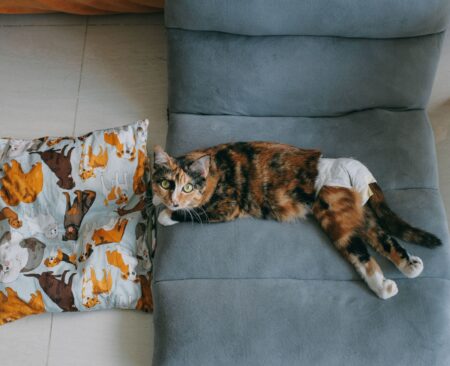
Sleepless nights, constant yowling, and a very unhappy kitty sound familiar? This complete owner’s survival guide gives you every practical trick you need to soothe your cat in heat right at home.
How to Comfort a Dog in Heat for the First Time: Diapers and Physical Management
Best Reusable Dog Diapers for Heat 2026: The Complete Selection Guide
How to comfort a dog in heat for the first time requires addressing the discharge management question from Day 1 of Proestrus, because the combination of bloody discharge, constant vulva licking, and marking behavior makes an unprotected heat cycle genuinely messy for your home environment and genuinely uncomfortable for your dog when discharge accumulates on her coat and bedding.
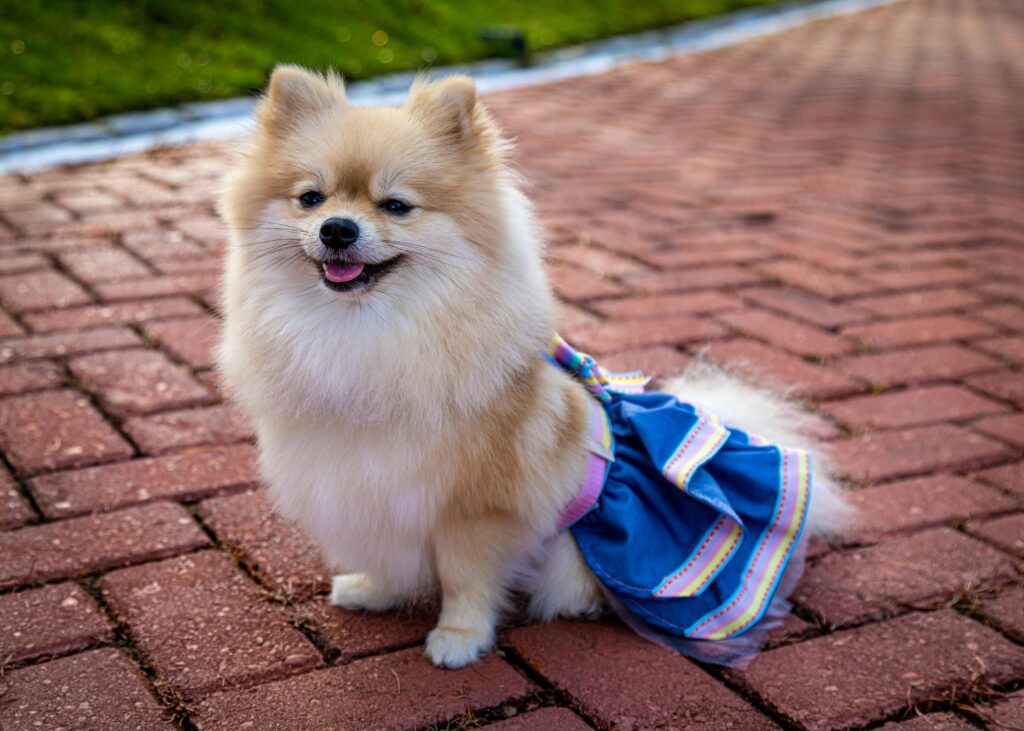
The best reusable dog diapers for heat 2026 provide a reusable, washable, cost-effective solution that is confirmed by the AKC’s heat management advice as a practical tool for managing discharge during the heat cycle. PetMD’s management guide confirms that dog diapers can be a helpful option during a dog’s heat cycle to help protect furniture and floors from stains while keeping your dog comfortable, with the key selection criteria being a snug but non-restrictive waist fit, a secure tail hole that prevents the diaper shifting during normal movement, and a highly absorbent waterproof core that wicks moisture away from the skin to prevent dermatitis from prolonged moisture contact.
Best reusable dog diapers for heat 2026 top picks:
- Pet Parents Washable Dog Diapers: The most widely recommended best reusable dog diapers for heat 2026 option across veterinary and pet care platforms, featuring a WickQuick proprietary inner blend that pulls moisture away from skin, waterproof Dri-Tech outer shell, and machine-washable construction for full cycle longevity at a significantly lower per-use cost than disposables
- Wegreeco Washable Female Dog Diapers: Soft micro-fiber interior with snap fastener closure and adjustable waist band sizing, highly rated for fit retention across the 2 to 4 week heat cycle duration without the diaper creeping down during active movement
- Simple Solution Disposable Dog Diapers: For travel, overnight use, or the early heavy-discharge days of Proestrus when frequent changes make disposables more practical, these feature a wetness indicator strip and super-absorbent core
Diaper fitting protocol for how to comfort a dog in heat for the first time:
- Measure waist circumference (the narrowest point between the last rib and the hips) before purchase rather than using weight-based size charts
- Check fit every hour during the first day of use to confirm no chafing at the leg openings
- Change every 2 to 4 hours during heavy discharge (Proestrus) and every 4 to 6 hours during lighter Estrus discharge
- Remove for all outdoor supervised activity and replace immediately upon return indoors
- Never leave a soiled diaper on for extended periods as prolonged moisture contact causes skin irritation
Hot pavement, scorching summers, and endless sunshine not every dog can handle it, but these breeds absolutely love it. Meet the top 10 dogs that thrive in desert climates and find your perfect heat-loving companion.
Why Is My Dog in Heat Crying So Much: The Complete Explanation
The Hormonal Science Behind Why Is My Dog in Heat Crying So Much
Why is my dog in heat crying so much is the question that most reliably arrives in the middle of the night on Day 8 or 9 of the heat cycle when Estrus is peaking and the hormonal drive is at its most intense, and the explanation is simultaneously completely physiological and completely involuntary.
The crying, whining, and vocalizing that prompts why is my dog in heat crying so much is driven by the surge in estrogen and the subsequent rise in luteinizing hormone (LH) that triggers ovulation during Estrus. These hormones create a state of intense biological arousal in the reproductive system that the dog cannot voluntarily suppress, and the vocalization is the behavioral expression of that arousal in the absence of a mate. PetMD confirms that during the Estrus phase, dogs typically show increased vocalization alongside flagging, restlessness, and active mate-seeking behavior, all driven by the same hormonal peak.
The AKC’s behavioral guidance for heat comfort
The AKC’s behavioral guidance for heat comfort recommends the following practical responses to why is my dog in heat crying so much:
- Physical proximity and contact: If your dog’s preference during the heat cycle leans toward clinginess rather than isolation, staying close, allowing her onto the bed or sofa if normally permitted, and providing gentle body contact through stroking and massage directly addresses the anxiety component of heat vocalization
- Increased exercise during Proestrus (before peak Estrus): Controlled, leashed walks increase during Proestrus help discharge the restless energy that amplifies vocalization at night, but must always be done on leash with no off-leash access
- Mental enrichment: Food puzzles, lick mats spread with peanut butter or plain yogurt, and scent work games provide calming cognitive engagement that reduces anxiety-driven crying
- Consistent routine: Maintaining feeding, walk, and sleep schedules as close to normal as possible provides behavioral anchors that reduce the novelty-anxiety contribution to vocalization
When why is my dog in heat crying so much requires veterinary attention:
Crying and vocalization are expected during Estrus. However, crying accompanied by straining to urinate, fever above 103°F, unusual lethargy, vomiting, or a foul-smelling discharge that differs from normal bloody or watery heat discharge requires immediate veterinary evaluation, as these may indicate a urinary tract infection, vaginitis, or the early signs of pyometra.
A shiny, healthy coat doesn’t start with a fancy shampoo it starts right in your dog’s food bowl. Discover the best dietary and nutritional tips for nourishing your dog’s coat and watch that dull, dry fur transform into the gorgeous, glossy coat your pup truly deserves.
How to Keep Male Dogs Away When Female Is in Heat: The Security Protocol
The Complete Safety System for How to Keep Male Dogs Away When Female Is in Heat
How to keep male dogs away when female is in heat is the most consequential safety dimension of how to comfort a dog in heat for the first time, because the biological drive of intact male dogs toward a female in Estrus is so powerful that it overrides training, temperament, and physical barriers that would contain the same dog in any other circumstance.
The AKC’s heat safety guidance confirms the scale of the male dog attraction to a female in heat: intact male dogs can detect a female in heat from miles away, will escape yards and enclosures they have never previously attempted to leave, and will fight other males, ignore recall commands, and sustain injuries in the pursuit of a receptive female. How to keep male dogs away when female is in heat is therefore not a matter of asking nicely; it requires physical barriers and management protocols that assume full determination from any intact male that detects the scent.
The complete how to keep male dogs away when female is in heat security protocol:
- Never leave the female dog in the yard unattended during any phase of the heat cycle. Even a brief 3-minute unsupervised period is sufficient for an intact male to enter the yard and complete mating. PetMD confirms that keeping her away from other dogs and intact males throughout the entire cycle is the most important safety requirement
- Eliminate all off-leash outdoor access. All walks must be on a 6-foot leash with a back-up slip lead as secondary security. Dog parks, off-leash hiking trails, and unfenced areas are completely off limits from Day 1 of Proestrus through Day 5 of Diestrus after discharge stops
- Inspect and reinforce fence integrity. Male dogs in pursuit of a female in heat will dig under, climb over, or break through fence sections that would normally contain them. Walk the entire fence perimeter on Day 1 of the heat cycle and check again every 3 days throughout
- Isolate from intact males within the same household. The AKC strongly advises completely separating female dogs in heat from intact males in the same home, keeping them in completely separate rooms with a closed, latched door between them rather than relying on behavioral management or supervision
- Notify neighbors. Inform any neighbors with intact male dogs that your female is in heat so they can increase their own containment vigilance for the duration of the cycle
- Chlorophyll supplementation for scent reduction: PetMD’s management options confirms that some veterinarians recommend giving dogs chlorophyll tablets or drops during the heat cycle to help mask or reduce the attractant scent released in vaginal discharge and urine, as a supplemental aid to physical containment measures
How to Get Rid of Dog Heat Smell in House: The Enzymatic Cleaning Protocol
The Complete Guide to How to Get Rid of Dog Heat Smell in House
How to get rid of dog heat smell in house is one of the most practically challenging aspects of managing a female dog’s heat cycle indoors, because the pheromone compounds in heat discharge and urine marking have an extraordinarily powerful chemical profile that standard household cleaners cannot neutralize, and that can attract intact males from significant distances if allowed to accumulate.
How to get rid of dog heat smell in house requires enzymatic cleaners rather than standard detergents, bleach, or vinegar-based solutions because only enzymatic formulas biologically break down the organic pheromone compounds in heat discharge rather than simply masking them temporarily with a stronger scent. The enzyme cultures in products like Nature’s Miracle and Rocco & Roxie literally consume the organic matter creating the odor at the molecular level, eliminating rather than covering it.
The complete how to get rid of dog heat smell in house protocol:
Daily cleaning during the active cycle:
- Wash all bedding, blankets, and removable furniture covers every 48 hours in hot water with enzymatic laundry additive (or at the hottest temperature the fabric safely tolerates)
- Spray and wipe all hard floor surfaces where the dog rests with enzymatic spray, allowing the wet dwell time of 3 to 5 minutes before wiping to enable enzyme activity
- Clean the dog’s sleeping area with enzymatic spray every morning regardless of visible discharge
- Remove and wash the dog diaper and any diaper cover every 2 to 4 hours during heavy discharge days
Deep clean protocol for how to get rid of dog heat smell in house at cycle end:
- Strip and wash all soft furnishings the dog accessed during the cycle including sofa cushion covers, area rugs, and car seat covers
- Steam clean upholstered furniture and carpeted areas, applying enzymatic solution before steam treatment rather than relying on steam heat alone
- Clean all baseboards, floor-level walls, and door frames near the dog’s primary resting areas, as airborne pheromone compounds deposit on vertical surfaces within the dog’s height
- Run an air purifier with a HEPA and activated carbon filter combination throughout the cycle, replacing the carbon filter at cycle end as carbon media absorbs rather than destroys the odor compounds and requires replacement after significant loading
Your dog deserves a cozy space to call their very own follow this simple DIY dog house guide and build them a comfortable, loving retreat right in your own backyard.
How Long Does the Bleeding Stage Last in Dogs: The Complete Timeline Answer
What to Expect When Asking How Long Does the Bleeding Stage Last in Dogs
How long does the bleeding stage last in dogs is the most frequently searched practical question during the first heat cycle, and the answer requires distinguishing between the bloody discharge phase specifically and the overall heat cycle duration that continues beyond the point when visible bleeding stops.
The AKC’s heat cycle duration data clarifies how long does the bleeding stage last in dogs: the Proestrus phase, during which bloody red discharge is most prominent, lasts approximately 7 to 10 days. As the cycle moves into Estrus (peak fertility), the discharge typically becomes lighter in color, transitioning from red to a watery pink or straw-colored fluid that many owners mistake for the end of the heat cycle.
PetMD’s discharge progression explanation identifies the most dangerous owner misconception related to how long does the bleeding stage last in dogs: when the discharge becomes lighter in color and then appears to stop at approximately Day 10 to 12, many owners believe the heat cycle has ended and relax their management precautions. This is the peak fertility window of Estrus, the phase during which the female is most actively fertile and most actively seeking to mate. The reduction in visible blood does not signal the end of the heat cycle; it signals entry into the most reproductively dangerous phase of the cycle.
How long does the bleeding stage last in dogs complete duration reference:
| Phase | Discharge Color | Approximate Duration | Fertility Status |
|---|---|---|---|
| Proestrus | Bright red to dark red | 7 to 10 days | Attracted to males; rejects mounting |
| Estrus | Watery pink to straw-colored | 5 to 9 days | Peak fertility; actively accepts mating |
| Diestrus | Discharge stops | 6 to 10 days | Fertility window closing; hormones declining |
| Total visible discharge | Day 1 through approximately Day 18 | 15 to 20 days | Varies by individual |
The complete answer to how long does the bleeding stage last in dogs is therefore: visible red bleeding lasts approximately 7 to 10 days, but all discharge including the lighter Estrus phase continues for approximately 15 to 20 days total, and the cycle itself including the Diestrus wind-down phase continues for 3 to 4 weeks from the first day of visible swelling.
How to Comfort a Dog in Heat for the First Time: Nutrition and Environment
The Environmental and Nutritional Adjustments Supporting How to Comfort a Dog in Heat for the First Time
How to comfort a dog in heat for the first time extends beyond physical management products into the environmental setup and nutritional support that help the dog maintain as much normal comfort and routine as possible throughout the 3 to 4 week cycle.
The AKC’s comfort protocol guidance recommends providing a clean, comfortable, and quiet resting space during the heat cycle, and confirms that some dogs prefer more solitude than usual and should be given the option to retreat to a private space rather than being constantly engaged. Creating a dedicated heat-cycle nest, a familiar bed in a low-traffic area of the home with extra soft bedding, clean washable covers, and the dog’s familiar scent items, gives her a stable, secure retreat that reduces environmental anxiety.
PetMD’s nutritional guidance during heat confirms that appetite changes during heat are normal and that if the dog shows reduced interest in meals during the cycle, offering smaller, more frequent meals of the same food (rather than switching to novel foods) maintains caloric intake without adding digestive stress. Fresh water availability is more important during the heat cycle than normal as increased urination and the physiological demands of the hormonal cycle both elevate fluid requirements.
How to Comfort a Dog in Heat for the First Time: The Spay Decision
Why Spaying Is the Definitive Answer to How to Comfort a Dog in Heat for the First Time
How to comfort a dog in heat for the first time is ultimately resolved permanently by spaying, the surgical procedure that removes the ovaries and uterus and eliminates all future heat cycles, the pregnancy risk they create, and the hormonal behavioral changes they produce. For owners who do not intend to breed their dog responsibly, spaying is the most complete, most permanent, and most health-protective solution to the heat cycle management challenge.
The AKC’s spaying guidance confirms the health benefits of spaying beyond cycle elimination: spaying before the first or second heat cycle significantly reduces the lifetime risk of mammary cancer and eliminates the risk of pyometra entirely. Pyometra, a life-threatening uterine infection that is the most serious non-cancer health risk of the intact female dog, is impossible in a dog that has been spayed, making the surgery simultaneously a cycle management solution and a major preventive health intervention.
The appropriate timing for spaying relative to the heat cycle requires a veterinary consultation: most veterinarians recommend waiting until at least 2 to 3 months after the end of the current heat cycle before performing the surgery, as the increased blood supply to the uterine and ovarian tissue during and immediately after the heat cycle increases surgical complexity and recovery time.

Frequently Asked Questions About How to Comfort a Dog in Heat for the First Time
How to comfort a dog in heat for the first time effectively combines physical management and emotional support: introduce VOHC-accepted AKC-recommended reusable diapers on Day 1 of visible discharge, maintain consistent routine to reduce anxiety, provide extra physical affection if the dog is seeking closeness, and offer a quiet dedicated resting space if she prefers solitude. Increased gentle exercise during Proestrus, mental enrichment through food puzzles and lick mats, and maintaining familiar mealtimes and walk schedules are the four most effective behavioral comfort tools throughout the cycle.
Why is my dog in heat crying so much is answered by Estrus phase hormonal surging: the peak in estrogen and luteinizing hormone during Estrus creates a state of intense biological arousal that the dog cannot suppress voluntarily, expressed as crying, whining, and restlessness. PetMD confirms this is a normal behavioral response to the hormonal peak. Physical closeness, consistent routine, mental enrichment, and controlled exercise during Proestrus are the most effective management tools. Crying accompanied by fever, lethargy, vomiting, or foul-smelling discharge requires immediate veterinary evaluation for pyometra or infection.
Your Complete How to Comfort a Dog in Heat for the First Time Action Checklist
How to comfort a dog in heat for the first time is most effectively managed through a day-by-day preparedness framework organized by heat cycle phase:
Day 1 of visible swelling or discharge (Proestrus begins):
- Fit the reusable dog diaper from the best reusable dog diapers for heat 2026 selection
- Inform all household members and neighbors with intact dogs
- Inspect and reinforce all fence perimeter sections
- Begin daily enzymatic floor and bedding cleaning protocol
- Switch to leash-only outdoor access immediately
Days 7 to 14 (Estrus — peak fertility danger zone):
- Intensify all containment measures; zero off-leash access
- Ensure complete physical separation from any intact males in the household
- Address why is my dog in heat crying so much with enrichment, routine, and physical comfort
- Continue daily diaper changes every 2 to 4 hours
Days 14 to 28 (Diestrus — wind-down):
- Continue management until discharge has been completely absent for 5 full days
- Deep clean all soft furnishings and floor areas using the how to get rid of dog heat smell in house enzymatic protocol
- Replace air purifier carbon filter
- Schedule veterinary consultation to discuss spaying timing if not previously completed
- Gradually resume normal outdoor and social routines after the 5-day discharge-free confirmation
For continued reading, explore Unveiling the Importance of Essential Vitamins for Dogs 2026, 11 Ways to Banish Dog Bad Breath and Improve Oral Health 2026, and Astonishing Dog Face Facts: 14 Hilarious Things You Didn’t Know 2026 in our complete responsible dog ownership series.
📊 Interactive Pet Health & Care Calculators
Plan your pet’s healthcare and daily budget with our free interactive tools:
🐾 Related Resources & Interactive Tools in This Guide:
- Interactive Calculator: Pet Age in Human Years Calculator — Convert your pet chronological age to accurate biological human years.
- Clinical Resource: Cat Anxiety and Stress Management: The Complete 2026 Guide to Calming Your Feline Friend
- Behavior & Training Guide: Pet Aromatherapy: The Complete 2026 Guide to Safe, Natural Stress Relief for Your Beloved Companion
- Related Expert Guide: Pet Social Media Management: Your Complete 2026 Guide to Safe, Successful Pet Content Creation
Growth & Immunization Tracking: To predict your puppy’s adult weight based on current breed trajectory, use our interactive Puppy Growth Calculator. For core vaccine timelines and veterinary cost planning, refer to the Puppy Vaccination Schedule Tool.
📚 Related Topic Cluster Guides & Veterinary Tools
Explore our complete Pet Care & Clinical Health Hub for comprehensive guides, veterinary diagnostic checklists, and daily care protocols.
- How to Calm a Cat in Heat at Home: The Complete 2026 Owner’s Survival Guide
- How to Arrange a House for a Paralyzed Dog: Mobility Guide
- How to Calm a Male Dog When a Female Is on Heat: The Complete Guide
- How to Care for a Pregnant Cat at Home (Diet & Labor)
- Interactive Tool: Veterinary Quality of Life (HHHHHMM) Scale Checklist