The Complete Guide to Calmly Dressing Your Dog in Sweaters, Beanies, and Socks for Winter
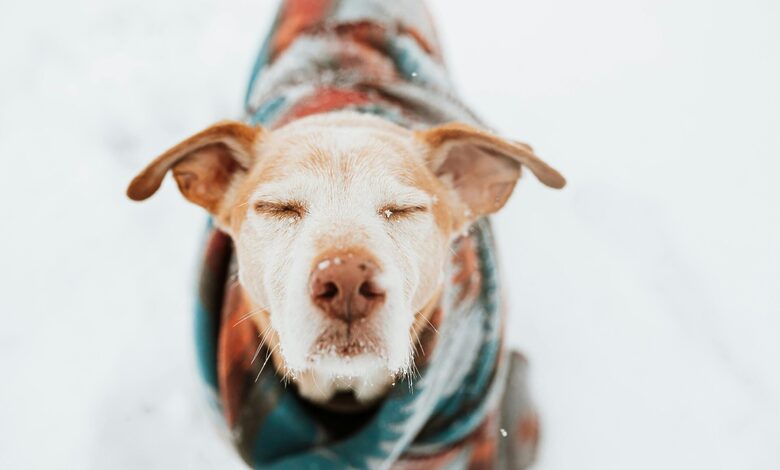
Winter is here. Your furry friend needs protection from the cold.
But getting your dog to wear a sweater can feel like wrestling an alligator.
Sound familiar?
You’re not alone. Many pet parents struggle with dressing their dogs for winter weather.
The good news? It doesn’t have to be a battle.
In this comprehensive guide, you’ll discover proven techniques to calmly dress your dog in winter gear. We’ll cover sweaters, beanies, socks, and everything in between.


Let’s transform winter dressing from stressful to stress-free.
Table of contents
- Why Your Dog Actually Needs Winter Clothing
- Understanding Why Dogs Resist Clothing
- The Pre-Dressing Foundation: Building Positive Associations
- The Step-by-Step Process: Dressing Your Dog Calmly
- Troubleshooting Common Dressing Challenges
- Advanced Techniques for Particularly Resistant Dogs
- Choosing the Best Winter Clothing for Your Dog
- Creating a Positive Winter Clothing Routine
- Safety Considerations for Winter Dog Clothing
- Maintaining Winter Dog Clothing
- Special Considerations for Different Dog Types
- Alternatives to Traditional Winter Clothing
- Frequently Asked Questions About Dog Winter Clothing
- 1. How long does it typically take for a dog to accept wearing winter clothing?
- 2. Should I leave winter clothing on my dog all day during cold weather?
- 3. My dog walks funny when wearing socks or boots. Is this normal?
- 4. Can winter clothing cause skin problems in dogs?
- 5. What temperature is too cold for dogs without clothing?
- 6. Do dogs actually feel warmer in winter clothing or do they just tolerate it?
- 7. My dog chews off their socks within minutes. What can I do?
- 8. How do I know if my dog is too hot in their winter clothing?
- 9. Can I use human baby clothes on my dog instead of dog-specific clothing?
- 10. Will my dog eventually learn to put their legs through holes on their own?
- Final Thoughts: Making Winter Comfortable for Your Best Friend
Why Your Dog Actually Needs Winter Clothing
Before we dive into the how-to, let’s talk about the why.
Not all dogs need winter clothes. But many do.
According to the American Veterinary Medical Association, small breeds, short-haired dogs, and senior pets are particularly vulnerable to cold weather. They lose body heat faster than their larger, furrier counterparts.
Dogs That Benefit Most from Winter Gear
Here’s who needs extra protection:
Small Breeds
- Chihuahuas
- Yorkshire Terriers
- Toy Poodles
- Italian Greyhounds
These tiny companions have less body mass. They struggle to maintain their core temperature when it drops below 45°F.
Short-Haired Breeds
- Pit Bulls
- Greyhounds
- Boxers
- Whippets
Without a thick fur coat, these dogs feel the chill immediately.
Senior Dogs
- Dogs over 7 years old
- Those with arthritis
- Pets with compromised immune systems
Older dogs have slower circulation. Cold weather aggravates joint pain and stiffness.
Puppies
- Under 6 months old
- Still developing their temperature regulation
Young pups haven’t fully developed their ability to regulate body temperature yet.
The Temperature Rule Every Pet Parent Should Know
Here’s a simple guideline from veterinary experts:
Above 45°F: Most healthy dogs are fine without clothing.
32°F to 45°F: Small, thin, or senior dogs benefit from sweaters or jackets.
Below 32°F: Most dogs need protection. Shorter outdoor time is essential.
Below 20°F: Dangerous for all but the heartiest Arctic breeds.
Additionally, wind chill matters tremendously. A 35°F day with strong winds feels much colder to your dog.
Understanding Why Dogs Resist Clothing
Your dog isn’t being difficult on purpose.
There’s actually science behind their resistance.
Dogs experience the world differently than we do. Clothing feels unnatural to them.
Common Reasons Dogs Dislike Winter Gear
Sensory Overload Dogs have incredibly sensitive skin. New textures feel overwhelming at first.
Restricted Movement Clothing limits their natural range of motion. This triggers discomfort and anxiety.
Unfamiliar Sensation Dogs rely heavily on their sense of touch. Covering their body confuses their sensory processing.
Past Negative Experiences If previous dressing attempts were stressful, your dog remembers. They anticipate the same stress.
Lack of Gradual Introduction Rushing the process creates fear and resistance.
Understanding these triggers is your first step toward success.
Now let’s address them systematically.
The Pre-Dressing Foundation: Building Positive Associations
Success starts long before you put on that first sweater.
You need to build positive associations with winter clothing.
This foundation makes everything easier.
Step 1: Choose the Right Gear First
Not all dog clothing is created equal.
Start with properly fitting, comfortable items.
For Sweaters:
- Measure your dog’s chest (widest part)
- Measure from neck to tail base
- Check for stretch fabric
- Ensure leg openings aren’t too tight
- Look for easy on/off designs
Pro tip: Pull-over sweaters are harder than step-in styles for beginners.
For Beanies:
- Measure around the widest part of the head
- Check for adjustable straps or elastic
- Ensure ear holes align properly
- Look for soft, non-scratchy materials
For Socks:
- Measure paw width and length
- Choose non-slip bottoms
- Look for elastic that’s snug but not tight
- Consider waterproof options for snow
The American Kennel Club recommends trying items in-store when possible. Your dog’s comfort depends on proper fit.
Step 2: Create Positive Touch Associations
Before introducing clothing, desensitize your dog to touch.
Spend a week doing this exercise:
Daily Touch Training (5 minutes):
- Gently touch your dog’s paws
- Handle their legs one at a time
- Run your hands along their chest
- Touch their head and ears
- Reward with high-value treats immediately
Use treats your dog gets excited for. Think chicken, cheese, or special training treats.
Make every touch pleasant and rewarding.
Step 3: Introduce Clothing Gradually
Now bring out the winter gear.
But don’t put it on yet.
Day 1-2: Visual Introduction
- Place the sweater near your dog’s food bowl
- Let them sniff it freely
- Reward any interest with treats
- Keep sessions short (2-3 minutes)
Time 3-4: Touch and Treat
- Hold the clothing while giving treats
- Drape it near (not on) your dog
- Reward calm behavior
- Build positive associations
Time 5-7: Brief Contact
- Touch your dog lightly with the clothing
- Immediately reward
- Do this 5-10 times per session
- Keep it playful and positive
This gradual approach prevents overwhelming your pet.
Patience here saves hours of frustration later.
The Step-by-Step Process: Dressing Your Dog Calmly
You’ve laid the groundwork.
Now it’s time for the actual dressing process.
Follow these steps carefully.
How to Put On a Dog Sweater Without the Drama
Step 1: Choose the Right Moment Timing matters enormously.
Never dress your dog when they’re:
- Overly excited or playful
- Hungry or just after eating
- Tired and wanting to sleep
- Already stressed or anxious
Instead, choose a calm moment. After a walk works perfectly. Your dog is content but not exhausted.
Step 2: Gather Everything First Have these ready before you start:
- The sweater
- High-value treats
- A helper if possible
- Calm energy
Create a quiet space. Turn off the TV. Minimize distractions.
Step 3: Use the Two-Person Technique This works brilliantly for first-timers.
Person 1 (The Distractor):
- Holds treats at dog’s eye level
- Keeps dog’s attention forward
- Dispenses treats continuously
- Maintains calm, happy voice
Person 2 (The Dresser):
- Works quickly but gently
- Handles clothing smoothly
- Stays quiet and focused
- Moves with confidence
Step 4: The Actual Dressing Process
For Pull-Over Sweaters:
- Gather the sweater opening wide
- Hold it open in front of your dog
- Guide their head through (treats help)
- Quickly but gently pull over shoulders
- Guide front legs through armholes
- Pull down over body
- Adjust for comfort
- Immediately reward with treats and praise
For Step-In Sweaters:
- Lay sweater flat on the ground
- Lure dog to stand over it with treats
- Lift one front paw, place through hole
- Lift second front paw, place through hole
- Pull up over shoulders
- Fasten closures on top
- Reward generously
The entire process should take 15-30 seconds once your dog is comfortable.
Step 5: Immediate Post-Dressing Protocol
Right after dressing:
- Give multiple high-value treats
- Offer enthusiastic praise
- Engage in a fun activity immediately
- Distract from the clothing sensation
Many dogs freeze when first dressed. This is normal.
Encourage movement:
- Toss treats for them to walk toward
- Use their favorite toy
- Take a short walk
- Keep things upbeat and positive
Within 2-3 minutes, most dogs adjust and move normally.
How to Put Socks on Your Dog (The Trickiest Item)
Socks are challenging. Dogs hate them initially.
But they’re essential for:
- Ice and snow protection
- Paw pad safety from salt
- Senior dogs with stability issues
- Hardwood floor traction
Here’s the proven method:
The One-at-a-Time Approach:
Start with just one sock. Not all four.
Day 1: One Back Paw
- Hold paw gently but firmly
- Slide sock on quickly
- Reward immediately
- Let dog walk around for 30 seconds
- Remove sock
- Reward again
Practice this 3-4 times daily.
Day 2-3: Two Back Paws Once your dog tolerates one sock, add the second back paw.
Back legs are less sensitive than front legs. Always start there.
Day 4-5: Add Front Paws Now introduce front paw socks one at a time.
Day 6-7: All Four Socks Put on all four socks with the distraction-and-treat method.
Pro Tips for Sock Success:
Use the “shake it off” principle. Dogs will try to shake off socks. Let them. They’ll tire of it quickly.
Apply baby powder inside socks. This helps them slide on easier.
Choose socks with grips. Non-slip bottoms prevent sliding and falling.
Consider balloon-style booties instead. Some dogs tolerate these better than traditional socks.
How to Put a Beanie on Your Dog
Beanies are more for fun than function.
But many dogs tolerate them well.
The Quick-On Method:
Beanies must go on fast. Dogs won’t sit still for lengthy head dressing.
- Pre-adjust all straps
- Hold beanie opening wide
- Approach from behind your dog
- Slide over head quickly
- Immediately align ear holes
- Secure straps
- Reward instantly
The entire process takes 5 seconds max.
Important Safety Note:
Never leave a beanie on unsupervised. Dogs can:
- Get it caught on furniture
- Pull it over their eyes
- Experience overheating
- Develop anxiety
Beanies are for photo ops and short outdoor adventures only.
Troubleshooting Common Dressing Challenges
Even with perfect technique, you’ll face obstacles.
Here’s how to handle them.
Problem: Dog Freezes After Getting Dressed
Solution: The Movement Encouragement Protocol
When dogs freeze:
- Don’t force them to move
- Create a treat trail on the ground
- Use an excited, happy voice
- Toss their favorite toy
- Walk away and call them to you
Most dogs unfreeze within 2 minutes.
If freezing persists beyond 5 minutes, the clothing may be too tight. Remove it and reassess sizing.
Problem: Dog Tries to Remove Clothing Immediately
Solution: The Distraction Technique
Dogs remove clothing through:
- Scratching at it
- Trying to bite it off
- Rolling on the ground
- Rubbing against furniture
Combat this with immediate distraction:
- Start walking right away
- Play tug-of-war
- Practice obedience commands
- Offer a puzzle toy
- Provide a long-lasting chew
The key is preventing the removal behavior from starting.
Within 5-10 minutes, dogs typically forget about the clothing.
Problem: Aggressive Resistance (Growling or Snapping)
Solution: Step Back and Restart
Aggression signals you’ve pushed too fast.
Immediately:
- Stop the dressing attempt
- Remove any clothing already on
- Give your dog space
- Return to earlier desensitization steps
- Consider professional trainer help
According to the American Society for the Prevention of Cruelty to Animals, forcing a dog through aggressive resistance damages trust long-term.
Never punish resistance. It makes future attempts harder.
Problem: Clothing Shifts or Bunches During Wear
Solution: The Fit and Adjustment Check
Poorly fitting clothing causes constant discomfort.
Check These Points:
- Chest measurement is correct
- Length covers but doesn’t drag
- Leg holes aren’t too loose or tight
- No fabric bunching under armpits
- Belly coverage is appropriate
Quality matters. Cheaper clothing often fits poorly and shifts constantly.
The Humane Society recommends investing in well-made dog clothing. Better fit means better tolerance.
Problem: Dog Overheats in Clothing
Solution: Monitor Temperature Signs
Watch for overheating symptoms:
- Excessive panting
- Drooling
- Red gums
- Lethargy
- Seeking cool surfaces
Dogs can overheat in winter clothing, especially indoors.
Prevention Strategy:
- Remove clothing immediately upon coming indoors
- Choose breathable fabrics
- Don’t layer excessively
- Keep outdoor time monitored
- Provide water access
Your dog should wear winter clothing only when actually outside in cold weather.
Advanced Techniques for Particularly Resistant Dogs
Some dogs are extra challenging.
These advanced methods help with tough cases.
The Positive Reinforcement Training Program
For dogs who resist all gentle methods, implement formal training.
First Week : Target Training Teach your dog to touch their nose to your hand on command.
- Hold treat in closed hand
- Dog touches hand with nose
- Mark with “yes” and reward
- Practice 10 times, twice daily
Second Week : Target to Clothing Transfer the nose target to the clothing item.
- Hold clothing in one hand
- Ask for nose target on clothing
- Reward immediately
- Gradually hold clothing in dressing position
Third Week : Head Through Opening Use targeting to guide head through sweater opening.
- Hold opening wide
- Place treat hand on opposite side
- Dog reaches through for treat
- Head naturally passes through opening
- Reward heavily
Week 4: Complete Dressing Combine all elements for full dressing success.
This systematic approach works when nothing else does.
It requires patience but delivers lasting results.
The Desensitization with Favorite Activities Method
Link clothing to your dog’s absolute favorite things.
Food-Motivated Dogs:
- Only feed meals while wearing sweater
- Give special treats immediately after dressing
- Create “clothing means food” association
Play-Motivated Dogs:
- Only play fetch while wearing winter gear
- Bring out favorite toy when clothing appears
- Create “clothing means playtime” association
Walk-Motivated Dogs:
- Always dress before walks
- Create “clothing means adventure” association
- Make winter gear part of walk routine
The activity reward must happen immediately after dressing.
This creates a powerful positive association.
The Professional Intervention Option
Sometimes professional help is necessary.
Consider consulting:
Certified Dog Trainers
- Specialize in behavior modification
- Use positive reinforcement techniques
- Can address specific resistance issues
Veterinary Behaviorists
- Address underlying anxiety
- May prescribe anti-anxiety medication if needed
- Provide comprehensive behavior plans
The Certification Council for Professional Dog Trainers helps you find qualified professionals in your area.
There’s no shame in seeking help. Some dogs need expert intervention.
Choosing the Best Winter Clothing for Your Dog
The right gear makes dressing exponentially easier.
Let’s break down what to look for.
Sweater Selection: What Actually Matters
Material Considerations:
Fleece
- Pros: Warm, soft, stretchy
- Cons: Not waterproof, pills over time
- Best for: Dry, cold weather
Wool Blends
- Pros: Excellent warmth, natural fiber
- Cons: Can be itchy, requires careful washing
- Best for: Very cold conditions
Synthetic Blends
- Pros: Easy care, often water-resistant
- Cons: Less breathable
- Best for: Active dogs, snow play
Cable Knit Cotton
- Pros: Breathable, comfortable
- Cons: Not very warm, absorbs moisture
- Best for: Mild cold weather
Design Features That Improve Tolerance:
Look for these elements:
- Four-leg coverage (not just chest)
- High-cut belly (allows bathroom breaks)
- Stretchy fabric (moves with dog)
- No decorations near face or tail
- Reinforced armpit seams
Avoid:
- Clothing with dangling elements
- Uncomfortable embellishments
- Non-stretchy materials
- Clothing requiring complex fastening
Sock and Bootie Selection Guide
Types of Dog Footwear:
Rubber Boots
- Best for wet conditions
- Excellent traction
- Most protective option
- Harder to keep on
Fabric Socks
- Easier to put on
- Less protective
- Better for indoor use
- More comfortable feel
Balloon-Style Booties
- Stay on well
- Good protection
- Easy to put on
- Can be expensive
Waterproof Socks
- Great for snow
- Keep paws dry
- Medium protection
- Good middle-ground option
Essential Features:
- Adjustable closures above ankle
- Non-slip soles
- Reflective elements for safety
- Soft, flexible material
- Room for paw spreading
According to veterinary podiatry experts, poorly fitting footwear causes more problems than going barefoot.
Never compromise on proper fit.
Beanie and Head Covering Options
Most dogs don’t need head covering.
But for breeds with large, exposed ears, it helps.
Best Candidates for Beanies:
- Basset Hounds (long, thin ears)
- Cocker Spaniels (heavy, floppy ears)
- Bloodhounds (massive ears)
- Any dog with ear frostbite history
Features to Look For:
- Secure chin strap
- Proper ear hole alignment
- Lightweight material
- No vision obstruction
- Easy on/off design
Remember: Beanies are primarily for fun and photos.
Function is secondary to safety and comfort.
Sizing Guide: Getting the Perfect Fit
Improper sizing is the #1 reason dogs reject clothing.
How to Measure Your Dog Correctly:
Chest Girth (Most Important):
- Measure around the widest part of ribcage
- Place tape behind front legs
- Add 2 inches for comfort
- This is your primary size indicator
Length:
- Measure from base of neck to base of tail
- Don’t include head or tail length
- This ensures proper body coverage
Neck:
- Measure around the base of neck
- Should fit like a collar
- Leave room for comfort
Always Check Brand Sizing Charts:
Dog clothing sizing varies dramatically between brands.
A “medium” from one company might be another’s “large.”
Always consult the specific brand’s measuring guide.
When between sizes, size up. Too loose is better than too tight.
Creating a Positive Winter Clothing Routine
Consistency is everything.
Establish a routine your dog recognizes and accepts.
The Pre-Walk Dressing Ritual
Create a predictable sequence of events.
Your Daily Routine Should Look Like This:
5 Minutes Before Walk:
- Get leash and gear visible
- Show clothing to dog
- Give pre-dressing treat
- Begin dressing process
- Reward after each piece
- Immediate walk follows
During Walk:
- Monitor for comfort issues
- Check clothing stays in place
- Watch for overheating signs
- Keep walks appropriately timed
After Walk:
- Remove clothing promptly indoors
- Reward after removal
- Store clothing in same spot
- Maintain consistency daily
Dogs thrive on routine. The same sequence daily reduces anxiety.
Seasonal Transition Strategy
Don’t wait until it’s freezing to start dressing your dog.
Begin the transition early.
Fall Preparation Plan:
September: Introduction Phase
- Bring out last year’s clothing
- Let dog re-familiarize with items
- Practice wearing indoors briefly
- Refresh positive associations
October: Practice Phase
- Put clothing on for short periods
- Dress for cooler morning walks
- Build tolerance gradually
- Increase wearing time slowly
November: Implementation Phase
- Regular clothing use begins
- Full winter routine established
- Dog is comfortable and accepting
This gradual seasonal transition prevents shock when cold weather hits.
Making Clothing Removal Positive Too
Dressing gets all the attention.
But removal matters equally.
The Proper Removal Process:
- Bring dog to quiet area
- Offer treats while removing
- Remove gently and calmly
- Reward after complete removal
- Store clothing out of reach
Never yank clothing off roughly. This creates negative associations.
Some dogs become more resistant to dressing because removal was uncomfortable.
Maintain the same calm energy for both dressing and undressing.
Safety Considerations for Winter Dog Clothing
Clothing keeps dogs warm.
But it can also pose risks if not used properly.
Supervision Requirements
Never leave your dog unattended while dressed.
Potential Hazards:
- Getting caught on furniture or fencing
- Overheating without you noticing
- Circulation issues from too-tight items
- Anxiety and panic attacks
- Choking on decorative elements
If you can’t supervise, remove the clothing.
Signs Your Dog’s Clothing Is Too Tight
Watch for these warning signs:
Immediate Red Flags:
- Gasping or labored breathing
- Red marks where fabric contacts skin
- Limping or altered gait
- Excessive scratching at clothing
- Swelling anywhere
Longer-Term Concerns:
- Hair loss in contact areas
- Skin irritation or rashes
- Behavioral changes
- Reluctance to move
- Loss of appetite
If you notice any of these, remove clothing immediately.
Reassess sizing before trying again.
Weather Conditions That Require Extra Caution
Wet Weather: Wet clothing loses insulating properties.
It can actually make your dog colder.
If clothing gets wet:
- Remove immediately upon returning home
- Dry your dog thoroughly
- Replace with dry clothing if going back out
Extremely Cold Weather: Clothing alone isn’t enough below 20°F.
Limit outdoor time regardless of clothing.
Watch for frostbite signs:
- Pale or gray skin
- Brittle, cold areas
- Blistering
- Pain when touched
Paws, ears, and tail tips are most vulnerable.
Icy Conditions: Even with boots, ice poses risks.
Use pet-safe ice melt on your property.
Avoid areas with chemical de-icers when possible.
Indoor Temperature Management
Many homes are warm enough that clothing causes overheating.
General Guidelines:
- Remove clothing within 5 minutes of entering
- Never leave clothing on indoors overnight
- Watch for panting or seeking cool spots
- Provide water immediately after removing clothing
Your dog should wear winter gear only when outside in cold conditions.
Maintaining Winter Dog Clothing
Clean, well-maintained clothing lasts longer and stays comfortable.
Washing and Care Instructions
Frequency:
- Wash sweaters weekly during heavy use
- Clean socks after every wear
- Spot-clean beanies as needed
Method: Most dog clothing is machine washable, but check labels.
Best Practices:
- Use pet-safe, unscented detergent
- Avoid fabric softener (reduces grip on socks)
- Wash in cold water
- Air dry when possible
- Store in clean, dry location
Dirty clothing irritates skin and smells bad to sensitive dog noses.
Regular washing prevents both issues.
When to Replace Winter Gear
Replace Clothing When:
- Elastic loses stretch
- Fabric develops holes
- Closures stop working
- Sizing no longer fits
- Heavy pilling or damage occurs
Check items at the start of each season.
Last year’s clothing might not fit this year, especially for growing dogs.
Storage Between Seasons
Proper storage extends clothing life.
Storage Best Practices:
- Clean everything thoroughly before storing
- Use sealed plastic containers
- Add cedar blocks to repel moths
- Store in cool, dry location
- Check sizing when retrieving for next season
Never store dirty dog clothing.
Food particles and body oils attract pests and cause deterioration.
Special Considerations for Different Dog Types
Not all dogs need the same approach.
Tailor your strategy to your specific dog.
For Puppies: Building Lifelong Acceptance
Start young for best results.
Puppies adapt more easily than adult dogs.
Puppy-Specific Tips:
- Begin at 8-10 weeks old
- Use extra-soft materials
- Keep sessions very short (30 seconds)
- Make it a game
- Reward enthusiastically
Puppies who accept clothing early rarely resist it as adults.
This early investment pays dividends for years.
For Senior Dogs: Gentle Approaches
Older dogs need extra patience.
They may have:
- Arthritis making leg-lifting difficult
- Reduced flexibility
- Less patience
- Increased anxiety about new things
Senior-Specific Modifications:
- Choose step-in rather than pull-over styles
- Take extra time with dressing
- Support their body during the process
- Use very high-value treats
- Use veterinary guidance for anxious senior dogs
Senior dogs genuinely benefit from winter protection.
Their circulation is poor and they feel cold more acutely.
The effort is worth their comfort and health.
For Rescue Dogs: Trauma-Informed Approaches
Rescue dogs may have unknown histories.
Past negative experiences affect current behavior.
Trauma-Informed Strategies:
- Progress even more slowly
- Watch for specific triggers
- Never force or rush
- Celebrate tiny victories
- Consider whether clothing is necessary
Some rescue dogs never fully accept clothing.
That’s okay. There are alternatives:
- Shorter outdoor times
- Heated dog beds
- Indoor bathroom options during extreme cold
- Blankets for cuddling
Your dog’s emotional wellbeing matters more than wearing a sweater.
For Anxious Dogs: Calming Techniques
Anxious dogs require special handling.
Anxiety-Reduction Methods:
Before Dressing:
- Exercise first to reduce energy
- Use calming supplements if vet-approved
- Try adaptil (dog-appeasing pheromone) spray
- Create quiet, calm environment
During Dressing:
- Use extra-high-value treats
- Keep voice calm and quiet
- Move in slow motion
- Take breaks if needed
After Dressing:
- Immediate positive activity
- Avoid overly exciting play
- Gradual acclimation to sensation
For severely anxious dogs, consult with a veterinary behaviorist.
Anti-anxiety medication might be appropriate for winter months.
Alternatives to Traditional Winter Clothing
If your dog absolutely won’t tolerate clothing, alternatives exist.
Indoor Temperature Management
Keep Your Home Warmer:
- Raise thermostat a few degrees
- Provide heated dog beds
- Use warm blankets
- Close off drafty areas
Many dogs who need outdoor clothing don’t need it inside.
Focus cold protection on outdoor time only.
Outdoor Time Modifications
Adjust Your Routine:
- Take shorter, more frequent walks
- Go out during warmest part of day
- Avoid early morning and late evening
- Skip walks during extreme cold
- Use indoor bathroom alternatives when necessary
Quality time matters more than duration in freezing weather.
Protective Balms and Waxes
For dogs who won’t wear boots, paw protection balms help.
How They Work:
- Create barrier on paw pads
- Prevent ice and salt damage
- Moisturize and protect
- Easier than boots for some dogs
Popular Options:
- Musher’s Secret
- Paw Soother
- Veterinary-formulated paw wax
Apply before walks. Reapply as needed.
The American Kennel Club recommends balms as a viable bootie alternative for dogs who won’t tolerate footwear.
Car Transport for Bathroom Breaks
For Tiny or Senior Dogs:
- Drive to indoor pet areas
- Use climate-controlled doggy daycares
- Transport to warmer walking locations
- Minimize cold exposure time
This isn’t practical for everyone.
But it works for dogs with extreme cold sensitivity who refuse clothing.
Frequently Asked Questions About Dog Winter Clothing
1. How long does it typically take for a dog to accept wearing winter clothing?
Most dogs adjust within 1-2 weeks with consistent, positive training.
However, timelines vary significantly by individual dog.
Puppies often accept clothing within days. Older dogs or those with previous negative experiences may take 3-4 weeks.
The key is never rushing the process. Dogs who are forced too quickly may develop lasting resistance.
If your dog shows no improvement after 3 weeks of proper desensitization, consider consulting a professional trainer. Some dogs simply need expert guidance to overcome their resistance.
2. Should I leave winter clothing on my dog all day during cold weather?
No. Dogs should only wear winter clothing during outdoor cold exposure.
Remove all clothing within 5 minutes of coming indoors.
Extended wear causes multiple problems:
- Overheating in heated homes
- Skin irritation from prolonged contact
- Matted fur under clothing
- Restricted movement for extended periods
The exception is drafty homes or if your dog shows signs of being cold inside. In these cases, a light sweater for a few hours is acceptable, but monitor for overheating.
Never leave clothing on overnight. Dogs need their skin to breathe during rest.
3. My dog walks funny when wearing socks or boots. Is this normal?
Yes, this is completely normal initially.
Dogs have a high-stepping or prancing gait when first wearing footwear. They’re trying to shake off the unfamiliar sensation.
Most dogs adjust within 5-10 minutes of walking. The movement helps them acclimate.
To speed adjustment:
- Start walking immediately after putting boots on
- Use treats to encourage normal movement
- Keep initial sessions brief
- Gradually increase wearing time
If the funny walk persists beyond 15 minutes, check the fit. Boots that are too tight or too loose both cause gait problems.
If your dog still can’t walk normally after several attempts, try a different boot style or consider paw protection balm instead.
4. Can winter clothing cause skin problems in dogs?
Yes, but only when used improperly.
Properly fitted, clean clothing rarely causes skin issues.
Problems occur when:
- Clothing is too tight
- Items aren’t washed regularly
- Clothing stays on too long
- Materials are irritating
- Underlying skin conditions exist
Prevention strategies:
- Ensure proper fit with no rubbing
- Wash clothing weekly minimum
- Remove clothing promptly indoors
- Choose soft, breathable fabrics
- Check skin regularly for irritation
If you notice redness, hair loss, or irritation where clothing contacts skin, discontinue use immediately.
Consult your veterinarian about the skin issue before trying clothing again.
5. What temperature is too cold for dogs without clothing?
This depends entirely on your individual dog.
General Guidelines:
Large, thick-coated breeds (Huskies, Malamutes):
- Can tolerate temperatures to 20°F comfortably
- Some handle below zero well
Medium, average-coated breeds (Labs, Golden Retrievers):
- Comfortable to 32°F
- Need protection below freezing
Small or thin-coated breeds (Chihuahuas, Greyhounds):
- Need protection below 45°F
- Dangerous below 32°F without clothing
Senior or ill dogs:
- Need protection below 45°F regardless of breed
- Extra precaution necessary
Wind chill dramatically affects these numbers. A calm 35°F day feels much different than a windy one.
Watch your specific dog for cold signs:
- Shivering
- Lifting paws
- Reluctance to go outside
- Seeking warmth
- Tucked tail and hunched posture
These signals mean your dog needs protection or should go inside.
6. Do dogs actually feel warmer in winter clothing or do they just tolerate it?
Dogs absolutely feel warmer in properly fitted winter clothing.
This isn’t just tolerance—it’s functional temperature regulation.
Research in veterinary physiology shows that:
- Small dogs lose body heat 10 times faster than large dogs
- Clothing can maintain core temperature 5-7°F higher
- Protected dogs shiver significantly less
- Muscle tension from cold decreases with clothing
The American Veterinary Medical Association confirms that appropriate winter clothing provides measurable thermal protection.
Dogs who initially resist but then relax in their clothing are feeling the warmth benefit.
Many dogs even learn to seek out their sweaters before walks, indicating they’ve connected clothing with comfort.
7. My dog chews off their socks within minutes. What can I do?
Sock-chewing is one of the most common challenges.
Immediate Solutions:
Distraction Method:
- Give a high-value chew immediately after putting socks on
- Something that takes 10+ minutes to consume
- Bully sticks work excellently
- Keep dog occupied until they forget about socks
Taste Deterrent:
- Apply bitter apple spray to sock exterior
- Pet-safe deterrent products work well
- Reapply before each use
- Most dogs hate the taste
Sock-Specific Training:
- Practice “leave it” command specifically with socks
- Reward heavily for not chewing
- Redirect to appropriate chew items
- Be consistent every single time
Alternative Footwear:
- Try balloon-style booties instead
- Consider rubber boots (harder to remove)
- Look for boots with higher ankle coverage
- Some designs are more chew-resistant
If chewing persists despite all interventions, your dog may be telling you boots aren’t right for them. Paw balm becomes your best alternative.
8. How do I know if my dog is too hot in their winter clothing?
Overheating is a real concern, even in winter.
Signs of Overheating:
- Heavy panting with tongue fully extended
- Excessive drooling
- Red or dark pink gums
- Seeking cold surfaces
- Lethargy or weakness
- Glazed eyes
- Vomiting or diarrhea
Immediate Action: If you notice these signs:
- Remove all clothing immediately
- Move to cooler environment
- Offer small amounts of cool water
- Apply cool (not cold) wet towels to belly and paws
- Contact veterinarian if symptoms persist
Prevention:
- Remove clothing promptly when indoors
- Choose breathable fabrics
- Avoid over-layering
- Monitor your dog constantly when dressed
- Know your dog’s individual tolerance
Some dogs overheat more easily than others. Brachycephalic breeds (Pugs, Bulldogs, Boston Terriers) are particularly susceptible.
These breeds may need winter protection but require extra vigilance for overheating.
9. Can I use human baby clothes on my dog instead of dog-specific clothing?
Sometimes, yes—with important caveats.
When Baby Clothes Work:
- For very small dogs (under 10 pounds)
- In emergencies when dog clothing unavailable
- For short-term use
Problems with Baby Clothes:
- Wrong body proportions (longer bodies, shorter legs on dogs)
- No tail accommodation
- Neck openings too large or small
- Arm/leg holes misaligned
- Often made from non-stretchy materials
If Using Baby Clothes:
- Choose onesies or sleepers
- Size up for better fit
- Cut a small hole for tail
- Monitor extra carefully for bunching
- Use only as temporary solution
Baby clothes cost less than dog clothing, making them tempting. But proper dog clothing fits better and lasts longer.
The investment in proper gear is worth it for your dog’s comfort and your sanity during dressing.
10. Will my dog eventually learn to put their legs through holes on their own?
Many dogs do learn to cooperate actively!
This is one of the best outcomes of consistent, positive training.
Dogs Who Learn to Help: With enough positive repetition, dogs understand the routine.
They begin to:
- Lift paws when you approach with boots
- Hold head still during sweater application
- Step into leg holes without guidance
- Stay calm throughout the process
How to Encourage Active Cooperation:
Verbal Cues:
- Use specific phrases (“paw” or “leg”)
- Say cue before lifting each paw
- Reward when they lift without help
- Build association between word and action
Physical Cues:
- Tap the paw you want them to lift
- Point to the hole you want them to use
- Use hand signals consistently
Reward Self-Initiated Cooperation: When your dog lifts a paw without prompting, reward immediately and enthusiastically.
This reinforces the behavior you want.
Timeline: Most dogs begin showing cooperation after 2-3 weeks of daily dressing.
Full active participation typically develops after 4-6 weeks.
Some dogs even start bringing their sweaters to owners before walks—the ultimate sign of acceptance!
Final Thoughts: Making Winter Comfortable for Your Best Friend
Winter doesn’t have to mean struggling with clothing battles.
You now have all the tools you need.
Remember these key principles:
Start slowly. Rushing creates resistance that lasts for months or years.
Stay positive. Your energy affects your dog’s response dramatically.
Be consistent. Daily routine builds acceptance faster than sporadic attempts.
Prioritize fit. Uncomfortable clothing will never be accepted, regardless of training.
Know when to quit. Some dogs simply won’t accept clothing. That’s okay—alternatives exist.
Most importantly, remember why you’re doing this.
You’re protecting your beloved companion from cold weather dangers. You are ensuring they can enjoy winter walks comfortably. You are preventing frostbite, hypothermia, and salt burns.
This is an act of love.
Your dog may not understand that initially. But with patience and positive training, they’ll learn to tolerate or even enjoy their winter wardrobe.
The first few attempts will be challenging. Stay calm. Keep treats handy. Take breaks when needed.
By next week, dressing will be easier. By next month, it’ll be routine.
Before you know it, your dog will be calmly wearing their sweater, beanie, and socks—ready to face winter weather together.
You’ve got this. Your dog has got this too.
Now get out there and enjoy those winter walks—both of you warm, safe, and happy.