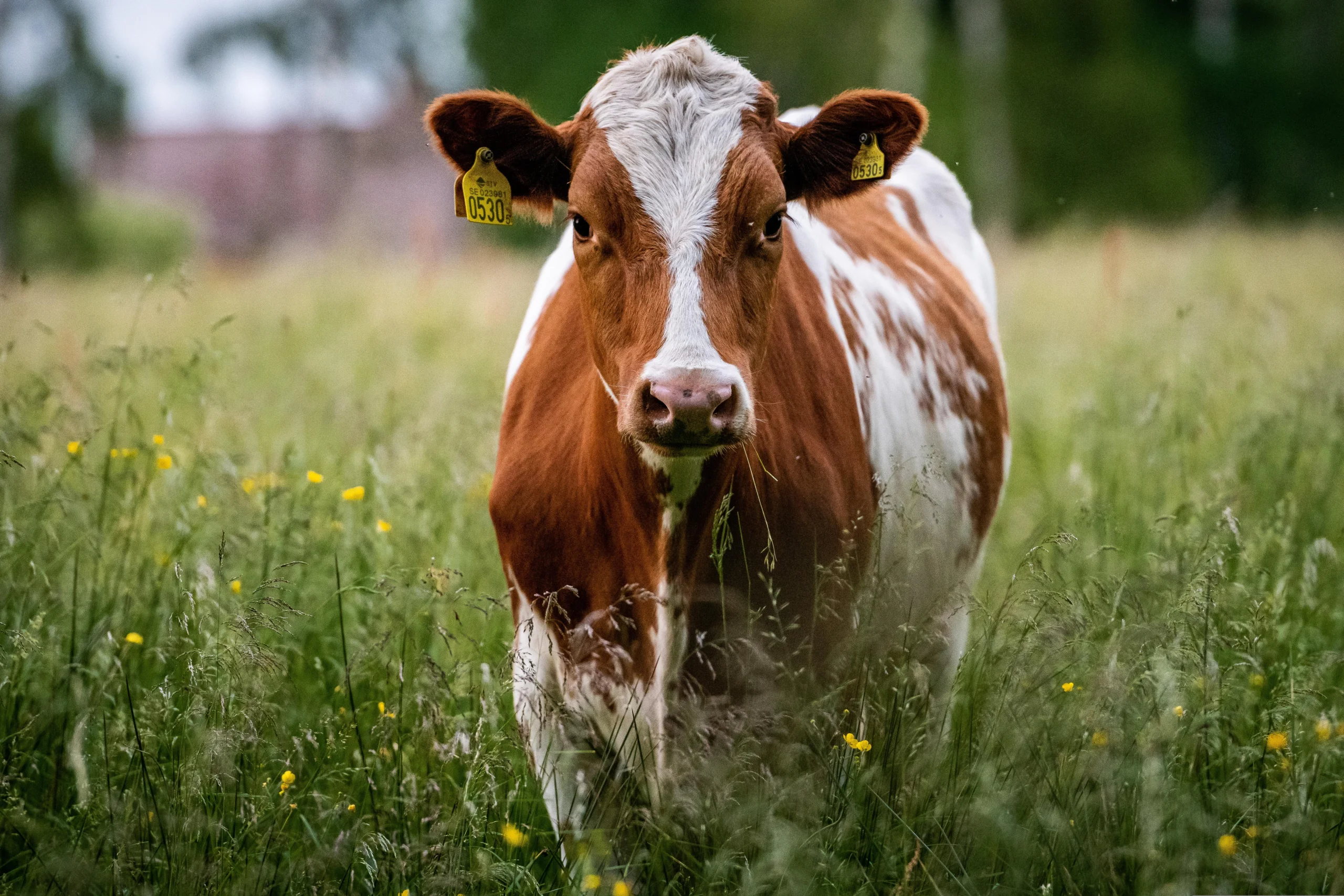
ARE COWS GOOD PETS FOR A
SMALL FARM? MINIATURE BREEDS & CARE GUIDE
Miniature cows make gentle, affectionate farm companions when provided with one acre of fenced pasture per pair, daily herd companionship, certified bovine veterinary care, and high-fiber grass hay rations.
SELECT COMPACT
HERITAGE BOVINE BREEDS
Miniature breeds like Dexter, Miniature Scottish Highland, and Miniature Zebu stand one-third the size of standard commercial cattle. Their smaller 500–700 pound frame causes far less pasture compaction while preserving docility, making them ideal companion grazers for small homestead acreages.
💡 ACTION: Verify parental height genetics with breed registries to ensure true miniature scale rather than stunted crossbreds.
NEVER KEEP A PET
COW IN TOTAL ISOLATION
Bovines are obligate herd ruminants that experience profound psychological distress and depression when isolated from conspecifics. A solitary pet cow will vocalize continuously and attempt dangerous fence breaches. Always keep a bonded pair of cows, or pair with gentle donkeys or goats.
💡 ACTION: Adopt a bonded mother-calf pair or two castrated steers from local rescues for optimal pasture harmony.
ALLOCATE ONE ACRE
OF MANAGED PASTURE
Plan for at least one half to one acre of fertile rotational pasture per miniature cow. Install heavy-duty five-strand woven wire fencing topped with an electric hot wire. Even friendly cows will push against weak wooden post-and-rail fences to reach sweet perimeter grass.
💡 ACTION: Install livestock mineral lick stations providing essential selenium, cobalt, and copper formulated specifically for cattle.
SUPPLEMENT UNLIMITED FORAGE
AND CLEAN WATER
Ruminant digestion requires continuous fiber fermentation in the rumen. Feed miniature cows 2% of their body weight daily in high-quality grass hay, avoiding rich alfalfa that triggers fatal bloat. Provide 15 gallons of fresh, non-frozen drinking water per cow daily.
💡 ACTION: Never feed grain or sweet feed in excess; carbohydrate overload induces acute ruminal acidosis and founder.
ESTABLISH ANNUAL
VETERINARY HOOF TRIMMING
Companion cows require routine herd health management, including biannual hoof trimming by an experienced livestock farrier, core 7-way clostridial vaccinations, and regular fecal egg floatation tests. Desensitize young calves to halters early using positive scratching rewards on their withers.
💡 ACTION: Build a sturdy wooden squeeze chute or narrow lane for safe, low-stress veterinary vaccinations and health checks.