Viral Food Trends for Dogs: Safe Homemade Recipes Your Pup Will Love
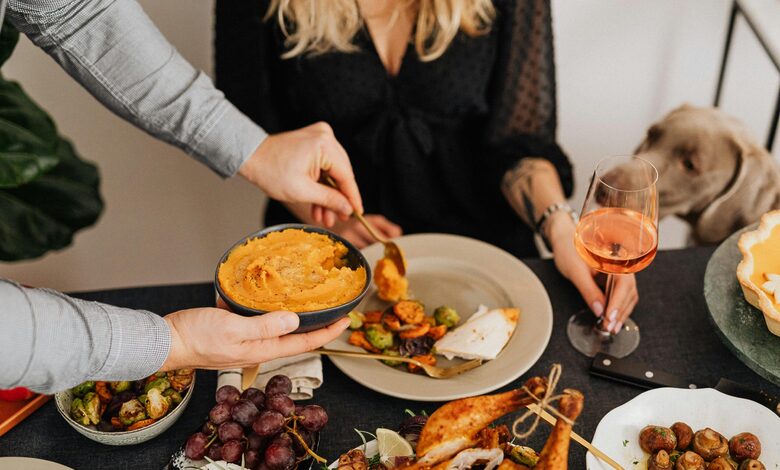
Have you scrolled through social media lately? Chances are, you’ve seen those viral food trends taking over your feed. From luxurious chocolate creations to spicy ramen challenges, humans are experimenting with bold flavors like never before. But here’s the thing. Your furry best friend is watching. Those puppy dog eyes are locked on your plate. And naturally, you’re wondering: “Can my dog enjoy these trending treats too?”
The answer is yes—with important modifications. According to the American Veterinary Medical Association, approximately 67% of U.S. households (about 85 million families) own a pet, with dogs being the most popular choice. As pet parents become more invested in their dogs’ quality of life, the demand for creative, safe, and nutritious homemade dog treats has skyrocketed. In this comprehensive guide, we’ll explore how to transform viral food trends into dog-safe versions. We’ll cover both sweet indulgences and savory delights. Plus, you’ll learn the science behind what makes these recipes safe. Ready to become your pup’s favorite chef? Let’s dive in.
Table of contents
- Why Homemade Dog Treats Are Trending in 2024-2025
- Understanding What Foods Are Safe for Dogs
- Sweet & Indulgent Dog-Safe Treats
- Frozen Fruit Water Refreshers (Inspired by Hwachae)
- Carob “Chocolate” Frozen Treats (Inspired by Luxury Chocolate)
- Colorful Raindrop Layered Treats (Inspired by Viral Raindrop Cakes)
- Pumpkin Spice Layered Cake Bites (Inspired by Decadent Cakes)
- Banana Ice Cream Swirls (Inspired by Gourmet Ice Cream)
- Asian-Inspired Sweet Potato Chews (Inspired by Cool Candies)
- Savory & Satisfying Dog-Safe Treats
- Hydrating Drink Options for Dogs
- Tips for Introducing New Treats to Your Dog
- Storage and Food Safety Guidelines
- Tailoring Recipes for Special Dietary Needs
- Making Treat Time Educational and Fun
- Understanding Portion Sizes and Caloric Content
- Signs Your Dog Loves (Or Doesn’t Love) a Recipe
- Cost Comparison: Homemade vs. Commercial Treats
- Environmental Benefits of Homemade Dog Treats
- Common Mistakes to Avoid When Making Dog Treats
- Frequently Asked Questions About Homemade Dog Treats
Why Homemade Dog Treats Are Trending in 2024-2025
The pet food industry is experiencing a revolution, and it’s happening in home kitchens across America. Recent data from the American Pet Products Association reveals that Americans spent over $147 billion on their pets in 2023, with a significant portion going toward premium and homemade food options. Why the shift? Pet parents are becoming more aware of what goes into commercial treats. They want transparency. They want quality. They want control over ingredients.
When you make treats at home, you know exactly what your dog is eating. No mysterious additives. No questionable preservatives. No hidden allergens. The Cornell University College of Veterinary Medicine emphasizes that homemade treats, when properly formulated, can support better digestive health and reduce allergic reactions in sensitive dogs. Plus, you can tailor recipes to your dog’s specific needs. Does your pup need more protein? Are they watching their weight? You’re in the driver’s seat.
Let’s be honest—making treats for your dog is fun. It strengthens your bond. It shows love in a tangible way. And watching their tail wag at your culinary creations? Priceless.
Understanding What Foods Are Safe for Dogs
Before we get to the recipes, let’s talk safety. Not all human foods are dog-friendly. In fact, some are downright dangerous. The ASPCA Animal Poison Control Center reports that food-related toxicity is one of the top reasons for emergency veterinary visits.




Never feed your dog chocolate (contains theobromine, which is toxic), grapes and raisins (can cause kidney failure), onions and garlic (damage red blood cells), xylitol (artificial sweetener that’s extremely toxic), avocado (contains persin), macadamia nuts (cause weakness and tremors), alcohol of any kind, caffeine, raw yeast dough, or cooked bones (can splinter). Even small amounts of these foods can be harmful, so always keep them out of reach.
Now for the good news—many human foods are perfectly safe for dogs. Dog-safe ingredients include peanut butter (xylitol-free), plain yogurt (unsweetened), pumpkin puree, sweet potatoes, carrots, blueberries, bananas, apples (without seeds), chicken, beef, salmon, rice, and oats. According to the American Kennel Club, these ingredients provide essential nutrients while being gentle on canine digestive systems.
Here’s a critical point: treats should only make up 10% of your dog’s daily caloric intake. The other 90% should come from balanced dog food. This guideline comes directly from veterinary nutritionists at Tufts University’s Cummings School of Veterinary Medicine. Why does this matter? Because even healthy treats can lead to weight gain. Obesity in dogs is a serious health concern. The Association for Pet Obesity Prevention found that 59% of dogs in the United States are fat as of 2024. Keep portions small and keep tails wagging.
Sweet & Indulgent Dog-Safe Treats
Let’s start with the sweet stuff. These recipes are inspired by viral dessert trends but are completely reimagined for canine consumption.
Frozen Fruit Water Refreshers (Inspired by Hwachae)
Hwachae is a traditional Korean punch that’s taken social media by storm. It’s colorful, refreshing, and perfect for hot days. Your dog deserves a version too. To make this delightful treat, you’ll need 2 cups watermelon (seedless, cubed), 1 cup blueberries, 1 cup strawberries (hulled, sliced), 3 cups unsweetened coconut water or plain water, and ice cube trays.
First, wash all fruits thoroughly and remove any seeds or stems. Next, blend half the watermelon with one cup of coconut water until smooth. Pour this mixture into ice cube trays, filling them halfway. Drop a blueberry or small strawberry piece into each cube and freeze for 2-3 hours until solid. Meanwhile, cube the remaining watermelon and strawberries and keep them refrigerated. When you’re ready to serve, place the frozen fruit cubes in your dog’s bowl, add fresh fruit pieces on top, and pour remaining coconut water over everything.
Watermelon is 92% water, making it incredibly hydrating. Blueberries contain antioxidants that support immune health, and strawberries provide vitamin C and fiber. The Pet Nutrition Alliance confirms that these fruits, in moderation, offer health benefits without added sugars. For serving sizes, small dogs should get 2-3 cubes plus a few fruit pieces, medium dogs can have 4-5 cubes plus more fruit, and large dogs can enjoy 6-8 cubes plus generous fruit portions. Always supervise your dog while they enjoy this treat, as the frozen cubes can be a choking hazard if swallowed whole.
Carob “Chocolate” Frozen Treats (Inspired by Luxury Chocolate)
Everyone’s talking about those over-the-top chocolate creations, but remember: chocolate is toxic to dogs. Enter carob—the dog-safe alternative. For this recipe, you’ll need 1 cup plain Greek yogurt (unsweetened), 3 tablespoons carob powder, 2 tablespoons natural peanut butter (xylitol-free), 1 ripe banana (mashed), and silicone molds or ice cube trays.
Start by checking your peanut butter label and make absolutely sure it doesn’t contain xylitol. This artificial sweetener is deadly to dogs. In a mixing bowl, combine yogurt, carob powder, peanut butter, and mashed banana. Whisk until smooth and well-blended—the mixture should have a pudding-like consistency. Spoon or pour into silicone molds and freeze for at least 4 hours or overnight. Pop them out when ready to serve.
Carob tastes similar to chocolate but contains no theobromine. Greek yogurt provides protein and probiotics for gut health. According to research from VCA Animal Hospitals, probiotics can improve digestive function and boost immunity in dogs. Bananas add natural sweetness and potassium, while peanut butter delivers healthy fats and protein. Small dogs should get 1 small treat, medium dogs can have 2 medium treats, and large dogs can enjoy 2-3 larger treats. Store extras in an airtight container in the freezer for up to 3 months.
Colorful Raindrop Layered Treats (Inspired by Viral Raindrop Cakes)
Raindrop cakes have taken social media by storm with their mesmerizing, translucent layers. These delicate desserts look like actual raindrops, and now your dog can enjoy a safe version. For the gelatin layers, you’ll need 4 cups unsweetened apple juice (divided), 4 packets unflavored gelatin (1 oz total), 1/2 cup pureed blueberries, 1/2 cup pureed strawberries, 1/2 cup pureed mango, and silicone molds or small cups. For the topping, use 2 tablespoons plain Greek yogurt and 1 tablespoon honey (optional, very small amount).
Start with the first layer by pouring 1 cup of apple juice into a small saucepan. Sprinkle 1 packet of gelatin over the surface and let it bloom for 5 minutes without stirring. Heat over low heat, stirring constantly until gelatin completely dissolves. Remove from heat and stir in blueberry puree. Pour a thin layer (about 1/4 inch) into your molds and refrigerate for 30 minutes until set. While that sets, prepare the next layer by repeating the process with another cup of apple juice, gelatin packet, and strawberry puree. Once the blueberry layer is firm, gently pour the strawberry layer on top and refrigerate another 30 minutes. Continue this process with the mango layer. For the final clear layer, use plain apple juice without any fruit puree—this creates that signature raindrop effect. Once all layers are set (about 2-3 hours total), unmold carefully and top with a small dollop of Greek yogurt. Drizzle with a tiny amount of honey if desired.
Gelatin is actually beneficial for dogs. According to research from the Whole Dog Journal, gelatin supports joint health and digestion. It’s rich in collagen and amino acids. The fruit layers provide antioxidants and vitamins, while apple juice offers natural sweetness without added sugar. The multiple layers make this treat last longer, as your dog will lick and nibble, providing extended enjoyment. Small dogs should get 1 small (2-inch) treat, medium dogs can have 1 medium (3-inch) treat, and large dogs can enjoy 1 large (4-inch) treat or 2 medium treats. Make sure each layer is completely set before adding the next, otherwise colors will blend together. Use clear molds to show off the beautiful layers. These are perfect for special occasions and photo opportunities. Store in airtight containers in the refrigerator for up to 5 days, as the gelatin texture stays consistent when cold.
Pumpkin Spice Layered Cake Bites (Inspired by Decadent Cakes)
Layered cakes are having a moment. They’re beautiful, indulgent, and Instagram-worthy. Here’s a dog-friendly version that’s just as special. For the cake layers, you’ll need 2 cups whole wheat flour, 1 cup pumpkin puree (not pumpkin pie filling), 2 eggs, 1/4 cup coconut oil (melted), and 1 teaspoon cinnamon. For the “frosting,” use 1 cup plain Greek yogurt and 2 tablespoons natural peanut butter.
Preheat your oven to 350°F (175°C) and line an 8×8 inch baking pan with parchment paper. In a large bowl, whisk together flour and cinnamon. In another bowl, mix pumpkin puree, eggs, and melted coconut oil. Combine wet and dry ingredients until just mixed—don’t overmix, as that’s the secret to tender texture. Pour batter into prepared pan and bake for 25-30 minutes until a toothpick comes out clean. Let cool completely before handling. Once cooled, cut into small squares or use cookie cutters for fun shapes. For the frosting, mix yogurt and peanut butter until smooth. Spread a thin layer between two cake pieces to create sandwiches, or simply top each piece with a dollop.
Pumpkin is a nutritional powerhouse for dogs. It’s high in fiber, which supports digestive health. The American Kennel Club Canine Health Foundation notes that pumpkin can help with both diarrhea and constipation due to its fiber content. Cinnamon has anti-inflammatory properties, coconut oil supports skin and coat health, and whole wheat flour provides complex carbohydrates for energy. Small dogs should get 1 small piece, medium dogs can have 2 small pieces, and large dogs can enjoy 3 small pieces. These can be frozen individually and thawed as needed.
Banana Ice Cream Swirls (Inspired by Gourmet Ice Cream)
Ice cream shops are creating wild flavor combinations, and your dog doesn’t need to miss out. You’ll need 3 ripe bananas (frozen), 1/2 cup plain yogurt, 2 tablespoons natural peanut butter, and optionally 1 tablespoon carob powder for a swirl effect.
Slice bananas and freeze them overnight—this is crucial for the right texture. Add frozen banana slices to a food processor and blend until they break down into small pieces. Scrape down the sides and continue blending until smooth and creamy. This takes about 5 minutes. The mixture will look crumbly at first, then suddenly transform into soft serve. Add yogurt and peanut butter and pulse until combined. For a swirl effect, divide the mixture in half, mix carob powder into one portion, layer both mixtures in a container and swirl with a knife. Freeze for 2 hours for a firmer texture, or serve immediately as soft serve.
This recipe contains only natural sugars from fruit—no added sweeteners needed. Bananas are easy on dog stomachs and provide potassium. The creamy texture mimics real ice cream without dairy overload. Small dogs should get 1-2 tablespoons, medium dogs can have 3-4 tablespoons, and large dogs can enjoy 5-6 tablespoons. Serve in small amounts to avoid stomach upset.
Asian-Inspired Sweet Potato Chews (Inspired by Cool Candies)
Chewy candies from Asia have unique textures and flavors. We can recreate that chewiness with sweet potatoes. You’ll need 2 large sweet potatoes, 1 tablespoon coconut oil, and optionally a pinch of turmeric.
Preheat oven to 250°F (120°C). Wash sweet potatoes thoroughly—no need to peel them, as the skin adds nutrients. Slice into 1/4 inch thick rounds or strips and pat dry with paper towels. Toss with coconut oil and turmeric if using. Arrange in a single layer on parchment-lined baking sheets and bake for 3 hours, flipping halfway through. The low temperature dehydrates them slowly, creating a chewy texture. They should be leathery, not crispy. Let cool completely before serving.
Sweet potatoes are nutrient-dense vegetables packed with vitamins A, C, and B6. The Morris Animal Foundation emphasizes that vitamin A is crucial for vision, immune function, and skin health in dogs. Turmeric has anti-inflammatory properties, and the chewy texture satisfies dogs’ natural urge to chew. Store in an airtight container in the refrigerator for up to 2 weeks, or freeze for up to 3 months. Small dogs should get 1-2 chews, medium dogs can have 3-4 chews, and large dogs can enjoy 4-6 chews. These make excellent training rewards too.
Savory & Satisfying Dog-Safe Treats
Now let’s move to savory options. These recipes are inspired by spicy, crunchy, and umami-rich trends but adapted for canine taste buds.
Chicken & Rice “Ramen” Bowl
Spicy ramen challenges are everywhere online, and your dog can have their own version—minus the heat. You’ll need 2 cups low-sodium chicken broth, 1 cup cooked brown rice or rice noodles, 1 cup cooked chicken breast (shredded), 1/2 cup carrots (finely diced), 1/2 cup spinach (chopped), 1 egg (hard-boiled and sliced), and optionally 1 tablespoon bone broth powder.
Start by cooking your brown rice according to package directions, using low-sodium chicken broth instead of water for extra flavor. While rice cooks, prepare your chicken by boiling or baking chicken breast without any seasonings, then shred into small, bite-sized pieces. In a pot, warm the chicken broth over medium heat. Add diced carrots and cook for 5 minutes until slightly softened. Add spinach and cook for another 2 minutes. In your dog’s bowl, add cooked rice or noodles, pour warm broth and vegetables over the top, add shredded chicken, and top with sliced hard-boiled egg. Let cool to room temperature before serving.
This is a complete, balanced meal option—not just a treat. Chicken provides lean protein, brown rice offers fiber and B vitamins, carrots add beta-carotene, and spinach contributes iron and antioxidants. The Ohio State University Veterinary Medical Center recommends incorporating vegetables into dog diets for their phytonutrient content. Eggs provide essential amino acids. This can be served as a special meal or in smaller portions as a treat. Small dogs should get 1/2 cup, medium dogs can have 1 cup, and large dogs can enjoy 1.5-2 cups. Refrigerate leftovers and use within 3 days.
Crunchy Root Vegetable Chips
Mixed vegetable chips are a trendy snack. They’re colorful, crunchy, and satisfying—perfect for dogs too. You’ll need 1 sweet potato, 1 parsnip, 1 beetroot, 1 carrot, and 1 tablespoon olive oil.
Preheat oven to 275°F (135°C). Wash all vegetables thoroughly and, using a mandoline or sharp knife, slice vegetables into very thin rounds. Aim for 1/8 inch thickness or thinner. Pat dry with paper towels to remove excess moisture and toss with olive oil in a large bowl. Arrange in a single layer on parchment-lined baking sheets—don’t overcrowd, as they need space to crisp up. Bake for 2-3 hours, flipping every 30 minutes. They’re done when crispy and slightly curled at the edges. Let cool completely before serving.
These chips provide natural crunch without added salt. Each vegetable offers unique nutrients: sweet potato provides beta-carotene and fiber, parsnip offers vitamin C and folate, beetroot contains antioxidants and manganese, and carrot delivers vitamin A and potassium. The slow-roasting method concentrates natural flavors—no seasonings needed. Store in an airtight container at room temperature for up to 1 week. They’ll stay crispy if kept dry. Small dogs should get 2-3 chips, medium dogs can have 4-5 chips, and large dogs can enjoy 6-8 chips. These make excellent low-calorie training treats.
Herbed Oat Crackers
Savory, minty crackers are having a moment. We’ll skip the mint (which can be too strong) and use dog-safe herbs instead. You’ll need 2 cups rolled oats, 1/2 cup whole wheat flour, 1/4 cup fresh parsley (finely chopped), 1 tablespoon fresh rosemary (finely chopped), 1 egg, 1/4 cup chicken broth, and 2 tablespoons olive oil.
Preheat oven to 325°F (165°C). In a food processor, pulse oats until they resemble coarse flour, then transfer to a mixing bowl. Add whole wheat flour and chopped herbs and mix well. In a separate bowl, whisk together egg, chicken broth, and olive oil. Pour wet ingredients into dry ingredients and mix until a dough forms. If too dry, add a tablespoon of water at a time. If too wet, add more oat flour. Roll dough between two sheets of parchment paper to 1/4 inch thickness and cut into squares or fun shapes with cookie cutters. Place on parchment-lined baking sheets and bake for 25-30 minutes until golden and crispy. Cool completely before serving.
Oats are gentle on digestion and provide soluble fiber. Parsley freshens breath naturally, and rosemary has antimicrobial properties. According to the Veterinary Botanical Medicine Association, certain herbs like parsley and rosemary are safe and beneficial for dogs in small amounts. These crackers have a satisfying crunch that dogs love. Store in an airtight container for up to 2 weeks, or freeze for up to 3 months. Small dogs should get 1-2 crackers, medium dogs can have 3-4 crackers, and large dogs can enjoy 4-6 crackers.
Beef & Veggie Jerky Strips
Spicy, tangy jerky is wildly popular. Your dog’s version focuses on savory umami flavors. You’ll need 1 pound lean beef (top round or eye of round), 1/2 cup low-sodium beef broth, 1 tablespoon tomato paste (no onion or garlic), and 1 teaspoon dried basil.
Place beef in the freezer for 30 minutes—this firms it up for easier slicing. Using a sharp knife, slice beef against the grain into 1/4 inch thick strips. In a bowl, mix beef broth, tomato paste, and basil. Add beef strips and toss to coat. Marinate in the refrigerator for 2-4 hours. Preheat oven to 175°F (80°C), or use a dehydrator if you have one. Remove beef from marinade and pat dry. Arrange strips on wire racks set over baking sheets—this allows air circulation. Bake for 3-4 hours, flipping halfway through. Jerky is done when dry and leathery but still slightly pliable. Cool completely before serving.
Beef jerky is a high-protein, low-fat treat. The slow drying process concentrates flavors naturally—no need for salt or spices. Tomato paste adds umami depth, and basil provides antioxidants. The American College of Veterinary Nutrition confirms that lean beef is an excellent protein source for dogs. Store in an airtight container in the refrigerator for up to 2 weeks, or freeze for up to 6 months. Small dogs should get 1 small strip, medium dogs can have 1-2 medium strips, and large dogs can enjoy 2-3 large strips. These are great for long car rides or hiking adventures.
Pickle-Style Cucumber Chews
Pickles are trending in creative, spicy forms. Dogs can enjoy the crunch minus the vinegar and spice. You’ll need 2 large cucumbers, 1 cup unsweetened apple juice (no added sugar), 2 tablespoons apple cider vinegar, and 1 tablespoon fresh dill (chopped).
Wash cucumbers thoroughly and slice into 1/4 inch thick rounds. In a bowl, mix apple juice, apple cider vinegar, and dill. Add cucumber slices and refrigerate for 4-6 hours or overnight. The longer they soak, the more flavor they absorb. Drain before serving.
Cucumbers are 96% water, making them hydrating and low-calorie. The mild “pickle” flavor comes from apple juice and minimal vinegar. This amount of vinegar is safe for dogs and can aid digestion. Dill is dog-safe and adds aromatic appeal. These provide satisfying crunch without processed ingredients. Keep refrigerated in the soaking liquid for up to 5 days. Small dogs should get 2-3 slices, medium dogs can have 4-5 slices, and large dogs can enjoy 6-8 slices. Perfect for hot summer days.
Hydrating Drink Options for Dogs
Dogs need more than just plain water sometimes, especially after exercise or during hot weather. Here are some safe, hydrating drink options.
Bone Broth Base
Bone broth is trending in human wellness circles, and it’s even better for dogs. You’ll need 2 pounds beef or chicken bones, 2 tablespoons apple cider vinegar, 12 cups water, and optionally 1 carrot and 1 celery stalk.
Place bones in a large pot or slow cooker. Add water and apple cider vinegar—the vinegar helps extract nutrients from bones. Add optional vegetables if using. If using a pot, bring to a boil then reduce to a simmer and cook for 12-24 hours, adding water as needed. If using a slow cooker, set on low for 12-24 hours. Strain out all solids and let cool completely. Remove any fat that solidifies on top.
Bone broth is rich in collagen, glucosamine, and minerals. According to the Whole Dog Journal, bone broth supports joint health, digestion, and immune function. It’s easily digestible, making it perfect for sick or senior dogs. The savory flavor encourages hydration. Serve at room temperature or slightly warm. Small dogs should get 1-2 ounces, medium dogs can have 3-4 ounces, and large dogs can enjoy 5-6 ounces. Store in the refrigerator for up to 5 days or freeze in ice cube trays for convenient portions.
Coconut Water Refresher
Plain coconut water (unsweetened) is safe for dogs in moderation. You’ll need 1 cup unsweetened coconut water, 1/2 cup fresh watermelon (pureed), and ice cubes. Blend watermelon until smooth and strain to remove any pulp if desired. Mix with coconut water, add ice cubes to chill, and serve immediately.
Coconut water provides natural electrolytes and is lower in calories than many commercial dog drinks. Watermelon adds natural sweetness and hydration. This is perfect after a long walk or play session. Small dogs should get 1-2 ounces, medium dogs can have 3-4 ounces, and large dogs can enjoy 4-6 ounces. Don’t overdo it—too much can cause stomach upset.
Apple & Carrot Juice Blend
Fresh vegetable juice is trendy and nutritious, and this blend is perfect for dogs. You’ll need 2 medium carrots, 1 apple (seeds removed), and 1 cup water. Wash and chop carrots and apple, blend with water until smooth, and strain through a fine-mesh sieve. Serve chilled or at room temperature.
Carrots provide beta-carotene and fiber, while apples offer vitamin C and natural sweetness. This juice is naturally hydrating and nutrient-rich. Small dogs should get 1 ounce, medium dogs can have 2 ounces, and large dogs can enjoy 3 ounces. Serve immediately for maximum freshness.
Tips for Introducing New Treats to Your Dog
You’ve got all these amazing recipes, but how do you introduce them safely? Always start with a tiny portion. Even if an ingredient is generally safe, individual dogs may react differently. Give a small taste and wait 24 hours. Watch for any signs of digestive upset such as vomiting, diarrhea, excessive gas, loss of appetite, or lethargy. If your dog shows any of these signs, discontinue the treat immediately and contact your veterinarian if symptoms persist.
When trying a new recipe, introduce one new ingredient at a time. This helps you identify any potential allergies or sensitivities. For example, if you’re making the pumpkin cake bites and your dog has never had pumpkin before, try plain pumpkin first. Wait a few days, then proceed with the full recipe. Track what treats you give and when by keeping a food diary. Note any reactions or changes in behavior. This information is invaluable for your veterinarian and can help identify patterns and prevent future issues.
Consider your dog’s age and health status. Puppies under six months should stick to puppy-appropriate treats, as their digestive systems are still developing. Senior dogs may have dental issues that require softer treats. Dogs with health conditions need special consideration: diabetic dogs need low-sugar options, dogs with kidney disease need low-protein treats, and dogs with pancreatitis need low-fat options. Always consult your veterinarian about appropriate treats for your dog’s specific situation. Watch for choking hazards, as some dogs inhale treats without chewing. Always supervise treat time and cut treats into appropriate sizes for your dog’s mouth. Small breeds need smaller pieces, large breeds can handle bigger chunks, and frozen treats should be small enough to be licked, not swallowed whole.
Storage and Food Safety Guidelines
Homemade treats don’t contain preservatives, which means they won’t last as long as commercial treats. Proper storage is crucial. Most homemade dog treats should be refrigerated in airtight containers to maintain freshness. Label containers with the date you made the treats. General refrigeration guidelines suggest baked goods last 5-7 days, meat-based treats last 3-5 days, fresh fruit/veggie treats last 3-5 days, and bone broth lasts 5 days. When in doubt, use the sniff test—if it smells off to you, don’t give it to your dog.
Freezing extends shelf life significantly. Most treats can be frozen for 2-3 months. Freeze treats in single portions for convenience using freezer-safe containers or bags. Remove as much air as possible to prevent freezer burn and label with contents and date. To thaw, move treats to the refrigerator overnight. Never use a microwave for defrosting dog treats, as it can create hot spots that burn your dog’s mouth.
Watch for signs of spoilage such as mold (any color), slimy texture, off smell, discoloration, or separation of ingredients. If you see any of these, throw the treats away immediately—don’t risk your dog’s health. Treat your dog’s food with the same care as your own. Wash your hands before and after handling ingredients, clean all surfaces, utensils, and bowls thoroughly, and use separate cutting boards for meat and produce to prevent cross-contamination. The Centers for Disease Control and Prevention reminds pet owners that safe food handling protects both humans and pets from foodborne illness.
Tailoring Recipes for Special Dietary Needs
Not every dog can eat every ingredient, so let’s talk about modifications. Some dogs are sensitive to wheat and grains. For grain-free substitutions, replace whole wheat flour with coconut flour or almond flour, use oat flour (made from ground oats), try chickpea flour for protein, or use tapioca starch for binding. Remember that grain-free doesn’t automatically mean healthier. The FDA has investigated potential links between grain-free diets and heart disease in dogs. Always consult your veterinarian before switching to grain-free.
For fat dogs, weight management requires careful calorie control. Use pumpkin puree to replace some fat in baked goods, choose lean proteins like chicken breast, increase vegetable content, make treats smaller, and freeze treats to make them last longer. The Association for Pet Obesity Prevention recommends reducing treat calories first when addressing weight issues.
Some dogs have delicate digestive systems. For gentle ingredient swaps, use white rice instead of brown rice, choose easily digestible proteins like chicken or turkey, avoid dairy (try coconut yogurt instead), keep recipes simple with fewer ingredients, and cook all vegetables thoroughly. Probiotics can also help—plain yogurt with live cultures supports gut health.
Older dogs have different nutritional needs. For senior-friendly modifications, make treats softer for easier chewing, add supplements like glucosamine (with vet approval), reduce portion sizes (metabolism slows with age), focus on easily digestible ingredients, and avoid very hard or crunchy textures. Senior dogs often benefit from anti-inflammatory ingredients like fish oil and turmeric.
Making Treat Time Educational and Fun
Treats aren’t just about nutrition—they’re opportunities for bonding and training. Homemade treats make excellent training rewards because they’re more valuable than commercial treats since you made them. Cut training treats extra small, as you’ll be giving many throughout a session. Tiny pieces prevent overfeeding while maintaining motivation.
Mental stimulation is just as important as physical exercise. Use treats in puzzle toys by freezing bone broth in a Kong toy, hiding small treats in a snuffle mat, using muffin tins covered with tennis balls, or creating DIY puzzle feeders from cardboard boxes. The American Kennel Club emphasizes that puzzle toys reduce boredom and destructive behaviors. They provide mental enrichment that tires dogs out. A mentally stimulated dog is a happy dog.
Making treats can be a family activity. Kids love helping in the kitchen. Assign age-appropriate tasks: young children can help measure ingredients, older kids can mix and shape treats, and teens can handle baking and cooling. This teaches responsibility and creates lasting memories. Plus, your dog will love the extra attention. Use these recipes for dog-friendly celebrations like birthday pupcakes, Gotcha Day treats, holiday-themed shapes, and training milestone rewards. Take photos and create treat-making traditions. Your dog deserves to feel special.
Understanding Portion Sizes and Caloric Content
Let’s talk numbers—how much is too much? The average dog’s daily caloric needs vary by size and activity level. Approximate daily calories are as follows: small dogs (under 20 lbs) need 200-400 calories, medium dogs (20-50 lbs) need 400-800 calories, large dogs (50-100 lbs) need 800-1,500 calories, and giant breeds (over 100 lbs) need 1,500-2,500 calories. These are general guidelines from the Association for Pet Obesity Prevention. Your veterinarian can calculate your dog’s specific needs.
Remember the golden rule: treats should comprise no more than 10% of daily calories. That means small dogs get 20-40 treat calories per day, medium dogs get 40-80 treat calories per day, and large dogs get 80-150 treat calories per day. A single homemade treat might contain 20-50 calories, so do the math before serving. One treat for a small dog might be their entire daily allowance.
If you give treats, reduce main meal portions slightly to maintain overall caloric balance. Think of it like your own diet—if you have dessert, you might eat a smaller dinner. The same principle applies to dogs. Activity level matters too. Active dogs burn more calories. Working dogs, agility competitors, and high-energy breeds need more food, while couch potato pups need less. Adjust treat portions based on your dog’s lifestyle. A Border Collie who runs daily can handle more treats than a sedentary Bulldog.
Signs Your Dog Loves (Or Doesn’t Love) a Recipe
Dogs are honest critics, and they’ll tell you what they think. Your dog loves the treat if they wag their tail enthusiastically, eat it immediately, lick their lips and look for more, do a happy dance or zoomies, bring you their bowl for seconds, or learn new tricks faster with that treat as motivation. These are all green lights, so keep that recipe in rotation.
Your dog might be unsure if they sniff the treat extensively before eating, eat it slowly or reluctantly, leave it in their bowl for later, or show no particular excitement. They’ll eat it, but it’s not their favorite. That’s okay—try tweaking the recipe or moving on to another. Your dog dislikes the treat if they turn their head away, drop it and walk away, bury it in the yard, try to trade it for something else, or show no interest even when hungry. Don’t force it. Dogs have preferences just like humans, and some dogs hate certain textures or flavors.
Allergic reaction signs are different from dislikes. Watch for itching or scratching, red irritated skin, ear infections, vomiting or diarrhea, excessive drooling, swelling of face or paws, or difficulty breathing (which is an emergency). If you see these signs, stop the treat immediately and contact your veterinarian right away. According to the Veterinary Information Network, food allergies affect approximately 10% of all allergy cases in dogs. Document which ingredient caused the reaction to help prevent future problems.
Cost Comparison: Homemade vs. Commercial Treats
Let’s talk money—are homemade treats worth the effort financially? Premium commercial dog treats typically cost $8-15 for small bags (8-12 oz), $15-25 for medium bags (16-24 oz), and $25-40 for large bags (32+ oz). Specialty treats for dietary restrictions cost even more, with grain-free, organic, or limited-ingredient treats running $20-50 per bag.
Let’s break down the cost of one homemade recipe. The Pumpkin Spice Cake Bites use approximately $0.50 worth of whole wheat flour (2 cups), $1.00 of pumpkin puree (1 cup), $0.50 of eggs (2), $0.75 of coconut oil (1/4 cup), $0.10 of cinnamon (1 tsp), $1.50 of Greek yogurt (1 cup), and $0.30 of peanut butter (2 tbsp), for a total cost of $4.65. This recipe makes approximately 30-40 treats, which works out to about $0.12-0.15 per treat. Compare that to commercial treats at $0.50-1.00 each, and the savings are significant.
Homemade treats offer benefits you can’t buy: complete ingredient control, customization for your dog’s needs, freshness guarantee, no preservatives or additives, quality family time, and the satisfaction of creating something. For many pet parents, these intangible benefits outweigh any cost savings. Keep costs down by buying ingredients in bulk, using seasonal produce when cheaper, shopping sales and using coupons, growing your own herbs (parsley, rosemary), repurposing leftovers safely, and freezing treats in smaller batches. You don’t need bizarre ingredients—simple recipes work beautifully.
Environmental Benefits of Homemade Dog Treats
Sustainability matters, and homemade treats are often more eco-friendly. Commercial treats come in plastic bags, boxes, and excessive packaging, while homemade treats need minimal packaging. Use reusable containers and buy ingredients in bulk with less packaging. According to the Environmental Protection Agency, Americans generate about 292 million tons of municipal solid waste annually, with pet product packaging contributing significantly. Reduce your pawprint by making treats at home.
Buy ingredients from local farmers markets to support local agriculture and reduce transportation emissions. Seasonal, local produce is fresher and often cheaper. Your dog benefits, and the planet benefits too. Use vegetable scraps and meat trimmings to reduce food waste. That chicken carcass makes excellent bone broth, and carrot peels can become veggie chips. According to Feeding America, 40% of food in the United States goes to waste. Using scraps for dog treats reduces household waste.
Commercial pet food production has environmental costs from manufacturing, packaging, and transportation that all create emissions. Homemade treats use ingredients you’re already buying, so the additional environmental impact is minimal.
Common Mistakes to Avoid When Making Dog Treats
Learn from others’ errors and avoid these common pitfalls. Mistake number one is using human recipe seasonings. Salt, garlic powder, onion powder, and other seasonings are harmful. Always adapt human recipes by removing all seasonings. Dogs don’t need flavor enhancers, as they taste food differently than we do.
Mistake number two is overbaking. Overbaked treats become too hard and can crack teeth, especially in senior dogs. Follow baking times carefully and check treats a few minutes before the timer goes off. Remember that treats continue to harden as they cool. Mistake number three is incorrect storage. Leaving treats at room temperature invites mold, and moisture promotes bacterial growth. Always refrigerate or freeze, use airtight containers, and label with dates.
Mistake number four is giving too many treats. Even healthy treats add calories. More isn’t better, so stick to the 10% rule. Your dog’s waistline depends on it. Mistake number five is not testing for allergies. Introducing multiple new ingredients at once makes it impossible to identify allergens. Go slow—one new ingredient at a time. Wait and watch.
Mistake number six is ignoring texture preferences. Some dogs prefer crunchy treats, while others like soft and chewy. Pay attention to your dog’s preferences and adjust recipes accordingly. Mistake number seven is making treats too large. Oversized treats lead to overfeeding and take longer to eat, which can be frustrating during training sessions. Make treats bite-sized, and your dog (and their waistline) will thank you.
Frequently Asked Questions About Homemade Dog Treats
Let’s address common questions pet parents have.
Q1: How long do homemade dog treats last? Shelf life varies by recipe and storage method. Baked treats stored in airtight containers in the refrigerator typically last 5-7 days. Meat-based treats (like jerky) last 3-5 days refrigerated. Frozen treats can last 2-3 months in the freezer. Always check for signs of spoilage before serving. When in doubt, throw it out. Your dog’s health isn’t worth the risk. Fresh is always best, so make smaller batches more frequently rather than large batches that sit too long.
Q2: Can I substitute ingredients in these recipes? Yes, but carefully. Always ensure substitutions are dog-safe. For example, you can swap chicken for turkey, or sweet potato for pumpkin. However, never substitute chocolate for carob, or use xylitol-containing products. When substituting flours, ratios may need adjustment. Coconut flour absorbs more liquid than wheat flour. Start with small test batches when experimenting and keep detailed notes of what works. The American Kennel Club recommends consulting with a veterinary nutritionist if making significant recipe modifications regularly.
Q3: Are these treats suitable for puppies? Most recipes can be adapted for puppies over 6 months old. However, puppies have different nutritional needs than adult dogs. Their treats should be softer to accommodate developing teeth, and portions should be even smaller. Puppies under 6 months should primarily eat puppy-formulated food to support proper growth and development. According to the American Veterinary Medical Association, puppies need specific nutrient ratios for healthy bone and muscle development. Always consult your veterinarian before introducing homemade treats to puppies.
Q4: Can I use these recipes for dogs with diabetes? Diabetic dogs require careful carbohydrate management. Many of these recipes contain natural sugars from fruits. For diabetic dogs, focus on protein-rich, low-carb options like plain chicken jerky or beef strips without marinades. Avoid recipes with bananas, sweet potatoes, or added fruits. The Cornell University College of Veterinary Medicine emphasizes that diabetic dogs need consistent carbohydrate intake timed with insulin administration. Always work closely with your veterinarian to determine appropriate treat options for diabetic dogs.
Q5: What if my dog has food allergies? Food allergies are manageable with careful ingredient selection. Common allergens include beef, dairy, wheat, chicken, and soy. If your dog has diagnosed allergies, avoid those ingredients completely. Use novel proteins your dog hasn’t eaten before (like duck, venison, or rabbit) and opt for grain-free flours if wheat is problematic. The Veterinary Information Network reports that elimination diets are the gold standard for identifying food allergies. Keep a detailed food diary and work with your veterinarian to identify safe ingredients. Then adapt recipes using only those ingredients.
Q6: Can I sell homemade dog treats? This depends on your location and local regulations. Many states and countries require commercial kitchen facilities, business licenses, and food safety certifications for selling pet food products. Liability insurance is essential. The FDA regulates pet food manufacturing in the United States. Requirements include proper labeling, ingredient sourcing documentation, and facility inspections. If you’re interested in selling treats, research your local cottage food laws, consult with a pet food attorney, and start small while following all regulations carefully.
Q7: How do I know if a recipe is nutritionally balanced? These treat recipes are not meant to replace balanced dog food. They’re supplements to your dog’s regular diet, which should be complete and balanced. If you’re making homemade food as your dog’s primary diet (not treats), consult with a board-certified veterinary nutritionist. The American College of Veterinary Nutrition can help you find a qualified professional. They’ll create customized recipes ensuring your dog receives all essential nutrients. For occasional treats, following the 10% rule keeps nutrition on track.
Q8: What’s the best way to introduce new treats? Start with a small amount—just a taste. Wait 24-48 hours and watch for any adverse reactions. Look for changes in stool consistency, vomiting, excessive gas, or skin irritation. If all goes well, gradually increase the portion over several days. Never introduce multiple new ingredients simultaneously, as this makes it impossible to identify problem ingredients. Keep a food journal documenting what you fed and any reactions observed. This information is invaluable for your veterinarian. Slow and steady wins the race with new foods.
Q9: Can I give these treats to senior dogs? Absolutely, with modifications. Senior dogs often have dental issues requiring softer textures. They may also have reduced kidney function, requiring lower protein options. Arthritis is common, so anti-inflammatory ingredients like fish oil and turmeric are beneficial. Senior dogs have slower metabolisms, so reduce portion sizes. According to the Morris Animal Foundation, senior dogs benefit from easily digestible treats with joint-supporting nutrients. Soak hard treats in water or broth to soften them and focus on gentle, nutrient-dense ingredients.
Q10: Should I be concerned about bacteria in homemade treats? Proper food safety practices minimize bacterial risks. Always wash your hands before and after handling ingredients. Use separate cutting boards for meat and produce. Cook meat to appropriate temperatures (165°F for poultry, 145°F for beef). Store treats properly in the refrigerator or freezer. The Centers for Disease Control and Prevention emphasizes that foodborne illness can affect pets just like humans. Don’t leave treats at room temperature for extended periods. When in doubt about freshness, discard the treat. Fresh treats are safer treats.
You’ve reached the end of this comprehensive guide, but your journey is just beginning. Let’s review what we’ve covered. Safety first—always avoid toxic ingredients like chocolate, grapes, onions, and xylitol. Research any unfamiliar ingredients before use. Choose quality ingredients using fresh, whole foods. Skip the additives and preservatives. Your dog deserves the best. Remember proper portions with the 10% rule. Treats are supplements, not meal replacements. Storage matters—refrigerate or freeze homemade treats, label everything with dates, and watch for spoilage.
Customization is key. Adapt recipes for your dog’s size, age, health status, and preferences. Start slowly by introducing new ingredients one at a time. Watch for reactions and keep a food diary. Making homemade treats is about more than nutrition. It’s about love. It’s about quality time together. It’s about knowing exactly what goes into your dog’s body. According to a 2024 survey by the American Pet Products Association, 70% of pet owners consider their pets family members. You’re treating your family member with care and attention, and that matters.
Ready to get started? Here’s your action plan. Step one: choose one recipe from this guide. Start with something simple, like the frozen fruit water refreshers. Step two: gather your ingredients and check labels carefully for dog-safe options. Step three: set aside time to cook and make it a relaxing, enjoyable activity. Step four: introduce the treat slowly and watch your dog’s reaction. Step five: document what works and keep successful recipes handy. Step six: experiment gradually by trying new recipes as you gain confidence. Step seven: share your creations, as other pet parents would love your tips.
Consistency makes this easier. Set a regular treat-making schedule: make a fresh batch of simple treats weekly, try a new recipe bi-weekly, and make larger batches for freezing monthly. Meal prep for your dog just like you might meal prep for yourself. Spend an hour on Sunday making treats for the week. Your future self (and your dog) will thank you. You’re not alone in this journey. Millions of pet parents are making homemade treats. Join online communities, share photos of your creations, exchange recipe ideas, and learn from others’ experiences. The dog-loving community is supportive and generous.
Your dog doesn’t care if your treats look Pinterest-perfect. They care that you made them. They care about the time you spent. They care about the love baked into every bite. Start simple. Make mistakes. Learn and improve. Your dog will love every imperfect creation because to them, everything you make is perfect. Now get into that kitchen. Your pup is waiting.