Dog Allergies Explained: The Complete Guide to Special Diets and Supplements That Actually Work
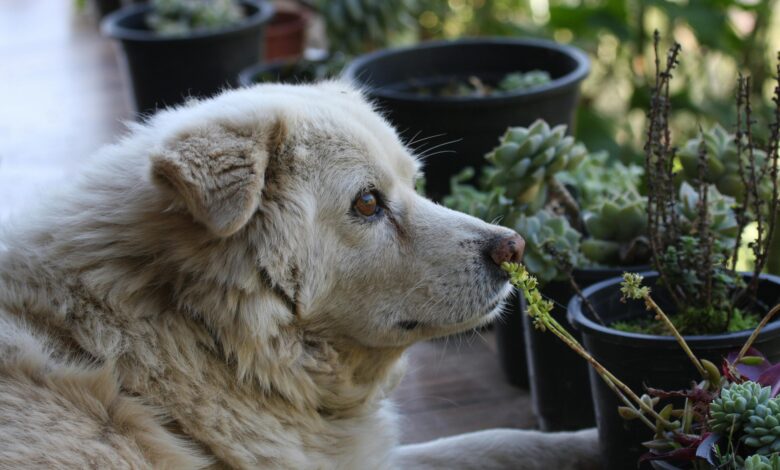
Does your furry friend constantly scratch, lick their paws, or develop skin rashes?
You’re not alone.
According to recent veterinary studies published in 2024, approximately 10-15% of dogs in the United States suffer from some form of allergy. This number has steadily increased over the past decade.
The good news? With the right diet and supplements, you can significantly improve your dog’s quality of life.
This comprehensive guide will walk you through everything you need to know about canine allergies. You’ll discover practical solutions that actually work.
Let’s dive in.




Table of Contents
- Understanding Your Dog’s Allergies: What Every Pet Parent Needs to Know
- The Three Main Types of Dog Allergies
- Recognizing Allergy Symptoms in Your Dog
- The Power of Elimination Diets: Your First Line of Defense
- Hydrolyzed Protein Diets: Science-Backed Relief
- Limited Ingredient Diets: Simplicity Works
- Essential Supplements for Allergy Management
- Creating a Comprehensive Allergy Management Plan
- Topical Treatments and Bathing Strategies
- When to Escalate Treatment: Medical Interventions
- Seasonal Allergy Management Tips
- Breed-Specific Allergy Considerations
- The Role of Stress in Allergic Reactions
- Cost Considerations and Budget-Friendly Options
- Success Stories: Real Dogs, Real Results
- Frequently Asked Questions About Dog Allergies and Diet
- 1. How long does it take to see improvement from a special diet?
- 2. Can I give my dog human omega-3 supplements?
- 3. Should I choose grain-free food for my allergic dog?
- 4. Can probiotics really help my dog’s allergies?
- 5. How do I know if my dog’s itching is from allergies or something else?
- 6. Are expensive prescription diets really necessary?
- 7. Can I use coconut oil for my dog’s itchy skin?
- 8. Why does my dog’s allergy seem worse at night?
- 9. How often should I bathe my allergic dog?
- 10. What should I do if my dog’s allergies aren’t improving?
- Keyword Research Report
- Conclusion: Taking Control of Your Dog’s Allergies
The Three Main Types of Dog Allergies
Environmental Allergies (Atopic Dermatitis)
Environmental allergies affect countless dogs across America.
These allergies occur when your dog reacts to airborne substances.
Common triggers include:
- Pollen from trees, grasses, and weeds
- Dust mites living in carpets and furniture
- Mold spores in damp environments
- Dander from other pets
According to the American College of Veterinary Dermatology, environmental allergies typically develop between 1-3 years of age. They often worsen over time without proper management.
Food Allergies
Food allergies are less common than many pet parents think.
However, they can cause significant discomfort for affected dogs.
Research from veterinary immunology experts in 2023 shows that true food allergies affect only 1-2% of all dogs. Despite this, food sensitivities and intolerances are much more prevalent.
The most common food allergens include:
- Beef (34% of food-allergic dogs)
- Dairy products (17%)
- Chicken (15%)
- Wheat (13%)
- Lamb (5%)
- Soy (6%)
Interestingly, these are ingredients dogs have been exposed to most frequently.
Flea Allergy Dermatitis
Flea allergies represent the most common skin disease in dogs.
A single flea bite can trigger intense itching for weeks.
The Companion Animal Parasite Council reports that flea allergy dermatitis remains a year-round concern in warmer climates. Even in northern states, it’s a significant issue from spring through fall.
Recognizing Allergy Symptoms in Your Dog
Skin-Related Symptoms
Your dog’s skin often tells the story.
Watch for these warning signs:
- Excessive scratching, especially around the face, feet, and ears
- Red, inflamed skin patches
- Hot spots (moist, painful skin lesions)
- Hair loss or thinning coat
- Chronic ear infections
- Persistent paw licking or chewing
According to 2024 data from veterinary dermatologists, ear infections occur in approximately 50% of dogs with environmental allergies.
Digestive Symptoms
Food allergies often manifest through digestive issues.
Common signs include:
- Chronic diarrhea or loose stools
- Frequent vomiting
- Excessive gas
- Gurgling stomach sounds
- Decreased appetite
- Weight loss despite normal eating
These symptoms typically appear within hours to days of eating the offending ingredient.
Respiratory Symptoms
While less common than in humans, some dogs experience respiratory allergy symptoms.
These may include:
- Sneezing or reverse sneezing
- Coughing
- Watery eyes
- Nasal discharge
The American Kennel Club Canine Health Foundation notes that respiratory symptoms are more frequently associated with environmental allergies than food allergies.
The Power of Elimination Diets: Your First Line of Defense
What Is an Elimination Diet?
An elimination diet is the gold standard for identifying food allergies.
Here’s how it works.
You feed your dog a simplified diet containing proteins and carbohydrates they’ve never eaten before. This continues for 8-12 weeks.
The goal? Eliminate all potential allergens from their system.
Choosing the Right Novel Protein
Novel proteins are key to elimination diet success.
These are protein sources your dog has never consumed.
Popular novel protein options include:
- Venison
- Duck
- Rabbit
- Kangaroo
- Bison
- Alligator
- Fish (salmon, whitefish)
Pair these with novel carbohydrates like sweet potato, pumpkin, or green peas.
Implementing an Elimination Diet Successfully
Success requires commitment and consistency.
Follow these essential steps:
Week 1-2: Preparation Phase
- Document all current symptoms with photos
- Choose your novel protein and carbohydrate
- Remove all other foods, treats, and flavored medications
- Inform family members about the strict protocol
Week 3-12: Elimination Phase
- Feed only the selected diet
- Provide no table scraps whatsoever
- Use unflavored medications only
- Monitor and document any symptom changes
Week 13+: Challenge Phase
- Reintroduce one old ingredient at a time
- Wait 1-2 weeks between introductions
- Watch for symptom recurrence
- Identify specific triggers
Research published in the Journal of Veterinary Internal Medicine in 2023 showed that 80% of food-allergic dogs improved significantly during proper elimination trials.
Hydrolyzed Protein Diets: Science-Backed Relief
Understanding Hydrolyzed Proteins
Hydrolyzed protein diets represent cutting-edge nutritional science.
Here’s what makes them special.
Through a process called hydrolysis, proteins are broken down into tiny molecular fragments. These fragments are too small to trigger an immune response.
Think of it like this: Your dog’s immune system can’t recognize the “enemy” when it’s broken into unrecognizable pieces.
Benefits of Hydrolyzed Protein Diets
These specialized diets offer multiple advantages:
- Reduced allergic reactions (85% improvement rate in clinical studies)
- Easier digestion and absorption
- Lower risk of new allergen development
- Suitable for long-term feeding
The American Animal Hospital Association recognizes hydrolyzed diets as an effective management strategy for food allergies.
Top Hydrolyzed Diet Options
Several prescription diets have proven effective:
- Royal Canin Hydrolyzed Protein
- Uses hydrolyzed soy protein
- Complete and balanced nutrition
- Veterinarian-prescribed
- Hill’s Prescription Diet z/d
- Contains highly hydrolyzed chicken liver
- Clinically proven to reduce allergic reactions
- Available in dry and wet formulations
- Purina Pro Plan Veterinary Diets HA
- Features hydrolyzed chicken protein
- Single carbohydrate source
- Supports skin and coat health
According to 2024 veterinary nutritionist data, approximately 70% of dogs show improvement within 4-6 weeks on hydrolyzed protein diets.
Limited Ingredient Diets: Simplicity Works
The Philosophy Behind Limited Ingredient Diets
Less is often more when managing allergies.
Limited ingredient diets (LID) contain fewer components than traditional dog foods. This makes identifying problematic ingredients much easier.
These diets typically include:
- One animal protein source
- One or two carbohydrate sources
- Essential vitamins and minerals
- Omega fatty acids
Selecting Quality Limited Ingredient Foods
Not all limited ingredient diets are created equal.
Look for these quality markers:
Protein Source Clarity
- Named meat as the first ingredient (not “meat meal”)
- Single, identifiable protein source
- No anonymous “poultry” or “meat” listings
Minimal Additives
- No artificial colors or flavors
- No corn, wheat, or soy (common allergens)
- No by-products or fillers
Manufacturing Standards
- Made in USDA-inspected facilities
- Third-party testing for quality assurance
- Transparent ingredient sourcing
Top-Rated Limited Ingredient Brands
Based on 2024 reviews from veterinary nutritionists:
Natural Balance L.I.D.
- Single animal protein options
- Limited carbohydrate sources
- No artificial additives
Wellness CORE Simple Solutions
- Grain-free formulations available
- High-quality protein sources
- Added probiotics for digestive health
Blue Buffalo Basics
- Single animal protein
- Easily digestible carbohydrates
- No chicken or beef by-products
The Veterinary Oral Health Council recommends gradual transitions to any new diet over 7-10 days to prevent digestive upset.
Essential Supplements for Allergy Management
Omega-3 Fatty Acids: Anti-Inflammatory Powerhouses
Omega-3 fatty acids are game-changers for allergic dogs.
These essential nutrients combat inflammation at the cellular level.
How Omega-3s Work
Research from 2023 shows that omega-3 fatty acids:
- Reduce inflammatory cytokine production
- Support skin barrier function
- Decrease itching intensity
- Improve coat quality
EPA and DHA, the active forms of omega-3s, are most beneficial.
Best Sources of Omega-3s
Fish oil supplements provide the highest concentrations:
- Wild-caught salmon oil
- Pollock oil
- Krill oil
- Sardine oil
According to studies from veterinary dermatologists, dogs receiving 50-220 mg of combined EPA/DHA per kilogram of body weight daily showed 30-40% reduction in itching.
Dosing Guidelines
For a 50-pound dog:
- Mild allergies: 1,000-2,000 mg combined EPA/DHA daily
- Moderate allergies: 2,000-3,000 mg daily
- Severe allergies: 3,000-4,000 mg daily
Always choose high-quality, molecularly distilled fish oils to ensure purity.
Probiotics: Gut Health Equals Immune Health
Your dog’s gut houses 70% of their immune system.
Supporting gut health can dramatically improve allergic responses.
The Gut-Skin Connection
Recent immunology research from 2024 reveals fascinating connections:
- Beneficial gut bacteria regulate immune responses
- Dysbiosis (bacterial imbalance) worsens allergic reactions
- Probiotics restore healthy bacterial populations
- Improved gut health reduces systemic inflammation
Choosing Effective Probiotic Supplements
Look for multi-strain formulations containing:
- Lactobacillus acidophilus
- Bifidobacterium animalis
- Enterococcus faecium
- Lactobacillus plantarum
CFU (Colony Forming Units) count matters:
- Minimum 1 billion CFUs per dose
- Ideally 5-10 billion CFUs for allergic dogs
- Guaranteed potency through expiration date
Top Probiotic Products
Research-backed options include:
- Purina Pro Plan FortiFlora
- Contains Enterococcus faecium SF68
- Clinically proven strain
- Highly palatable powder formula
- Nutramax Proviable-DC
- Multi-strain formulation
- Delayed-release capsules
- Veterinarian-recommended
- Nusentia Probiotic Miracle
- 6 beneficial bacterial strains
- High CFU count
- Made in USA
Quercetin: Nature’s Antihistamine
Quercetin is a powerful bioflavonoid with natural antihistamine properties.
Holistic veterinarians often call it “nature’s Benadryl.”
How Quercetin Works
This plant compound:
- Stabilizes mast cells (preventing histamine release)
- Reduces inflammatory pathways
- Provides antioxidant protection
- Supports immune system regulation
A 2023 study in Research in Veterinary Science found that quercetin supplementation reduced allergic symptoms in 65% of participating dogs.
Dosing and Administration
General guidelines for quercetin:
- 5-10 mg per pound of body weight
- Divided into 2-3 doses daily
- Given with meals for better absorption
For a 30-pound dog: 150-300 mg daily
Enhancing Quercetin Absorption
Combine quercetin with:
- Bromelain (from pineapple) – enhances absorption
- Papain (from papaya) – increases effectiveness
- Vitamin C – works synergistically
Many quality supplements include these combinations.
Digestive Enzymes: Supporting Nutrient Absorption
Digestive enzymes help allergic dogs break down and absorb nutrients more effectively.
This reduces the likelihood of undigested proteins triggering immune responses.
Key Enzyme Types
Look for supplements containing:
- Protease – breaks down proteins
- Lipase – digests fats
- Amylase – processes carbohydrates
- Cellulase – breaks down plant fibers
Benefits for Allergic Dogs
Research shows digestive enzymes:
- Reduce food particle size (decreasing allergenicity)
- Improve nutrient absorption
- Decrease digestive inflammation
- Support healthy gut lining
Colostrum: Immune System Support
Bovine colostrum provides natural immune-supporting compounds.
This “first milk” contains antibodies, growth factors, and immune-regulating molecules.
Active Components
Colostrum contains:
- Immunoglobulins (IgG, IgA, IgM)
- Lactoferrin (antimicrobial protein)
- Proline-rich polypeptides (immune modulators)
- Growth factors for gut healing
Application for Allergic Dogs
Studies from 2024 indicate colostrum:
- Reduces intestinal permeability (“leaky gut”)
- Modulates overactive immune responses
- Supports gut lining repair
- Provides passive immunity
Typical dosing: 1/8 to 1 teaspoon per 25 pounds of body weight daily.
Creating a Comprehensive Allergy Management Plan
Step 1: Veterinary Diagnosis
Never self-diagnose your dog’s allergies.
Professional diagnosis is essential.
Your veterinarian may recommend:
Diagnostic Testing Options
- Intradermal skin testing (gold standard for environmental allergies)
- Blood serum testing for specific allergens
- Elimination diet trials for food allergies
- Fecal examination to rule out parasites
- Skin scraping to check for mites
The American Veterinary Medical Association emphasizes that accurate diagnosis leads to more effective treatment.
Step 2: Environmental Management
Reducing allergen exposure helps tremendously.
Implement these household changes:
Indoor Air Quality
- Use HEPA air purifiers in main living areas
- Wash dog bedding weekly in hot water
- Vacuum frequently with HEPA filter vacuums
- Keep humidity levels between 30-50% to reduce dust mites
Outdoor Allergen Control
- Wipe paws and coat after outdoor activities
- Bathe your dog weekly during high pollen seasons
- Keep grass mowed short in your yard
- Limit outdoor time during peak pollen hours (early morning)
Chemical Exposure Reduction
- Switch to pet-safe cleaning products
- Avoid lawn chemicals and pesticides
- Use fragrance-free laundry detergents
- Choose natural, hypoallergenic grooming products
Step 3: Dietary Transition
Switching your dog’s diet requires patience and planning.
Follow this proven transition schedule:
1-3 Days:
- 75% old food + 25% new food
4-6 Days:
- 50% old food + 50% new food
7-9 Days:
- 25% old food + 75% new food
10+ Days:
- 100% new food
Monitor stool quality throughout the transition. Some loose stools are normal initially.
Step 4: Supplement Integration
Add supplements gradually to assess individual effects.
1 Weeks: Start with omega-3 fatty acids
2: Add probiotics
3: Introduce quercetin (if needed)
4: Add digestive enzymes or other targeted supplements
This staged approach helps you identify which supplements provide the most benefit.
Step 5: Ongoing Monitoring
Track your dog’s progress systematically.
Create a simple symptom log including:
- Scratching frequency (times per hour)
- Skin condition (redness, inflammation)
- Ear health status
- Digestive symptoms
- Energy levels
- Coat quality
Take weekly photos to document visual improvements.
Most dogs show noticeable improvement within 4-8 weeks of comprehensive allergy management.
Topical Treatments and Bathing Strategies
Medicated Shampoos
Regular bathing removes allergens from your dog’s coat and soothes inflamed skin.
Effective Ingredients to Look For
- Colloidal oatmeal – soothes itching and inflammation
- Chlorhexidine – antimicrobial properties prevent secondary infections
- Aloe vera – moisturizes and heals irritated skin
- Tea tree oil (in proper dilution) – natural antifungal and antibacterial
- Hydrocortisone – reduces inflammation and itching
Proper Bathing Technique
Follow these steps for maximum benefit:
- Brush your dog before bathing to remove loose hair and debris
- Use lukewarm water (hot water can worsen itching)
- Apply shampoo thoroughly, working into a lather
- Let medicated shampoo sit for 10 minutes for active ingredients to work
- Rinse completely (residue can cause additional irritation)
- Gently towel dry (avoid vigorous rubbing)
Frequency recommendations from veterinary dermatologists:
- Mild allergies: Once every 1-2 weeks
- Moderate to severe allergies: Twice weekly
Leave-In Conditioners and Sprays
Between baths, soothing sprays provide relief.
Look for products containing:
- Ceramides (support skin barrier function)
- Phytosphingosine (anti-inflammatory lipid)
- Oatmeal extracts
- Pramoxine (topical anesthetic)
Apply to affected areas 1-2 times daily for best results.
When to Escalate Treatment: Medical Interventions
Antihistamines
Over-the-counter antihistamines can provide mild to moderate relief.
Commonly Used Antihistamines
According to the Veterinary Information Network, these antihistamines are safe for dogs:
- Benadryl (diphenhydramine) – 1mg per pound every 8 hours
- Zyrtec (cetirizine) – 0.5mg per pound once daily
- Claritin (loratadine) – 0.25mg per pound once or twice daily
Important note: Always consult your veterinarian before giving any medication.
Effectiveness varies by individual dog. About 30% of allergic dogs respond well to antihistamines alone.
Apoquel (Oclacitinib)
Apoquel is a prescription medication specifically designed for canine allergies.
How Apoquel Works
This targeted Janus kinase (JAK) inhibitor:
- Blocks itch signals at the source
- Reduces inflammation
- Works within 4 hours
- Provides relief within 24 hours
Clinical trials in 2023 showed 80% of dogs experienced significant itch reduction within one day.
Dosing and Considerations
- Typically given twice daily for 14 days, then once daily
- Requires bloodwork monitoring initially
- Not recommended for dogs under 12 months old
- May affect immune response (consult with your vet)
Cytopoint (Lokivetmab)
Cytopoint offers a different approach through injectable monoclonal antibody therapy.
Benefits of Cytopoint
- Single injection lasts 4-8 weeks
- Targets IL-31 (the “itch cytokine”)
- Minimal side effects
- No required bloodwork monitoring
- Safe for long-term use
A 2024 study found that 85% of dogs showed reduced itching within 24 hours of injection.
Immunotherapy (Allergy Shots)
For environmental allergies, immunotherapy provides long-term relief.
How Immunotherapy Works
Based on allergy testing results, custom allergen solutions are formulated.
Dogs receive regular injections (or oral drops) containing tiny amounts of their specific allergens.
Over time (usually 6-12 months), the immune system becomes less reactive.
Success Rates
Research indicates:
- 60-70% of dogs show significant improvement
- 20% show moderate improvement
- 10-20% show minimal response
Patience is key. Most dogs require 6-12 months of treatment before seeing substantial results.
The American College of Veterinary Dermatology considers immunotherapy the only treatment that can modify the disease process rather than just managing symptoms.
Seasonal Allergy Management Tips
Spring Strategies
Spring brings high pollen counts and increased allergen exposure.
Proactive Measures
- Start antihistamines 2 weeks before typical allergy season
- Increase bathing frequency to twice weekly
- Wipe paws and face after each outdoor excursion
- Keep windows closed during high pollen days
- Use air conditioning with HEPA filters
Summer Considerations
Heat and humidity create perfect conditions for fleas and mold.
Summer Action Plan
- Maintain year-round flea prevention religiously
- Address lawn moisture issues to reduce mold
- Provide cool, indoor resting areas
- Rinse dogs after swimming (chlorine/lake bacteria irritation)
- Monitor for hot spots in humid conditions
Fall Preparations
Ragweed season peaks in late summer through fall.
Fall Prevention
- Continue or restart seasonal medications
- Reduce outdoor time during peak allergen hours (5-10 AM)
- Keep outdoor equipment clean (allergens on leashes, toys)
- Vacuum more frequently as dogs spend more time indoors
Winter Wellness
Indoor allergens become more concentrated during winter months.
Winter Vigilance
- Wash bedding more frequently (indoor allergen buildup)
- Monitor skin for dryness (indoor heating)
- Use humidifiers to maintain optimal moisture (30-50%)
- Provide omega-3 supplements to combat dry skin
Breed-Specific Allergy Considerations
High-Risk Breeds
Certain breeds are genetically predisposed to allergies.
Most Commonly Affected Breeds
According to veterinary genetic research:
- Golden Retrievers (highest incidence)
- Labrador Retrievers
- German Shepherds
- Bulldogs (English and French)
- Boston Terriers
- Boxers
- Dalmatians
- Shar-Peis
- West Highland White Terriers
- Wire Fox Terriers
If you own one of these breeds, proactive allergy management is especially important.
Breed-Specific Recommendations
Wrinkly Breeds (Bulldogs, Shar-Peis)
- Pay special attention to skin fold cleaning
- Use antifungal/antibacterial wipes in folds daily
- Monitor for yeast infections (common secondary issue)
Long-Coated Breeds (Golden Retrievers, German Shepherds)
- Brush daily to remove allergens from coat
- Bathe more frequently during allergy seasons
- Consider professional grooming every 6-8 weeks
Short-Nosed Breeds (Bulldogs, Boston Terriers)
- Watch for respiratory symptoms
- Avoid exposure to strong fragrances and chemicals
- Keep environment cool (heat sensitivity)
The Role of Stress in Allergic Reactions
The Stress-Allergy Connection
Emerging research reveals that stress significantly impacts allergic responses.
Studies from 2024 show that stressed dogs:
- Experience more intense itching
- Have worse skin conditions
- Show increased inflammation markers
- Respond less effectively to treatment
Stress Reduction Strategies
Implement calming techniques:
Environmental Enrichment
- Provide puzzle toys and interactive feeders
- Rotate toys regularly to maintain interest
- Create a comfortable, quiet resting space
Physical Exercise
- Ensure daily exercise appropriate for breed and age
- Mental stimulation through training and games
- Regular, predictable routines
Anxiety Management
- Consider calming supplements (L-theanine, chamomile)
- Use pheromone diffusers (Adaptil)
- Maintain consistent daily schedules
- Provide safe spaces during stressful events
Behavioral Support
- Work with certified dog trainers for anxiety issues
- Consider veterinary behaviorist consultation for severe cases
- Practice desensitization to triggers
Cost Considerations and Budget-Friendly Options
Managing Allergy Care Costs
Comprehensive allergy management can be expensive.
Here’s a realistic breakdown of typical costs:
Initial Diagnostic Costs
- Veterinary examination: $75-$200
- Allergy testing: $200-$500
- Elimination diet trial: $100-$300 (food costs)
Ongoing Management Costs (Monthly)
- Specialized diet: $80-$150
- Supplements: $40-$80
- Medications (if needed): $50-$150
- Bathing products: $15-$30
- Total monthly: $185-$410
Budget-Friendly Alternatives
You can manage costs without sacrificing quality:
Diet Management
- Cook homemade elimination diets (with vet guidance)
- Buy larger bags of food (better per-pound pricing)
- Look for manufacturer coupons and rebates
Supplement Savings
- Buy human-grade fish oil in bulk (cheaper per dose)
- Purchase large quantities when on sale
- Look for veterinary-grade supplements online
Treatment Alternatives
- Generic antihistamines instead of brand names
- Strategic bathing (twice weekly vs. professional grooming)
- DIY oatmeal baths (colloidal oatmeal from pharmacy)
Pet insurance that covers allergies can significantly reduce long-term costs. Consider enrolling before allergy symptoms appear.
Success Stories: Real Dogs, Real Results
Case Study 1: Max’s Food Allergy Journey
Max, a 3-year-old Golden Retriever, suffered from chronic ear infections and paw licking.
Initial Symptoms:
- Persistent ear infections (every 6-8 weeks)
- Constant paw chewing
- Red, inflamed skin between toes
- Poor coat quality
Treatment Approach:
- 12-week elimination diet (duck and sweet potato)
- Probiotic supplementation
- Omega-3 fish oil (3,000mg daily)
- Weekly medicated baths
Results:
- After 6 weeks: 50% reduction in paw licking
- After 12 weeks: No ear infections, improved coat
- Challenge phase identified chicken as the culprit
- 18 months later: Symptom-free on chicken-free diet
Case Study 2: Bella’s Environmental Allergies
Bella, a 5-year-old Boston Terrier, developed severe spring and fall allergies.
Initial Symptoms:
- Intense scratching (especially face and belly)
- Hair loss on flanks
- Multiple hot spots
- Poor sleep due to itching
Treatment Approach:
- Limited ingredient diet (salmon-based)
- Omega-3 supplementation (2,000mg daily)
- Quercetin with bromelain
- Twice-weekly baths with colloidal oatmeal shampoo
- Apoquel during peak allergy seasons
Results:
- After 4 weeks: 60% reduction in scratching
- After 8 weeks: Hair regrowth visible
- After 6 months: Maintained on diet and supplements alone
- Apoquel reserved for severe flare-ups only
These real-world examples demonstrate that comprehensive management works.
Frequently Asked Questions About Dog Allergies and Diet
1. How long does it take to see improvement from a special diet?
Most dogs show initial improvement within 4-6 weeks of starting a specialized allergy diet.
However, complete resolution of symptoms may take 8-12 weeks.
This timeline varies based on:
- Severity of allergies
- Number of allergens involved
- Individual dog’s healing capacity
- Consistency of diet adherence
Patience is crucial. Don’t give up if you don’t see immediate results.
According to veterinary nutritionists, the full benefits of dietary changes typically manifest between 2-3 months.
2. Can I give my dog human omega-3 supplements?
Yes, high-quality human fish oil supplements are safe for dogs.
In fact, they’re often more cost-effective than pet-specific products.
Important considerations:
- Choose supplements with high EPA and DHA content
- Avoid products with added vitamin D (dogs get this from food)
- Select molecularly distilled oils (remove contaminants)
- Refrigerate after opening to prevent rancidity
- Start with half the recommended dose and increase gradually
Never give cod liver oil supplements regularly due to excessive vitamin A content.
3. Should I choose grain-free food for my allergic dog?
Not necessarily.
Despite popular belief, grains rarely cause allergies in dogs.
According to 2024 research, true grain allergies account for less than 5% of food allergies.
The most common allergens are animal proteins (beef, chicken, dairy), not grains.
Important FDA Warning:
The FDA is investigating potential links between grain-free diets and dilated cardiomyopathy (DCM) in dogs.
Unless your veterinarian specifically recommends grain-free food, there’s no compelling reason to choose it.
Focus on identifying the actual allergen rather than eliminating grains unnecessarily.
4. Can probiotics really help my dog’s allergies?
Yes, research strongly supports probiotic use for allergic dogs.
Multiple studies from 2023-2024 demonstrate that probiotics:
- Reduce skin inflammation
- Decrease allergic response intensity
- Support immune system balance
- Improve gut barrier function
The key is choosing the right probiotic strains and dosages.
Look for products specifically formulated for dogs with documented CFU counts.
Expect to use probiotics for at least 8 weeks before seeing full benefits.
The American Kennel Club Canine Health Foundation recognizes probiotics as beneficial complementary therapy for allergic dogs.
5. How do I know if my dog’s itching is from allergies or something else?
Several conditions can cause itching beyond allergies:
Other Causes of Itching:
- Parasites (fleas, mites, lice)
- Bacterial or yeast infections
- Dry skin
- Contact irritation
- Anxiety or boredom
- Pain from arthritis or injury
Red Flags Requiring Veterinary Attention:
- Sudden onset of severe itching
- Hair loss in patches
- Open sores or wounds
- Foul odor from skin or ears
- Lethargy or appetite changes
- Localized swelling
Only a veterinarian can definitively diagnose the cause of your dog’s itching.
Don’t assume allergies without proper testing.
6. Are expensive prescription diets really necessary?
Not always.
While prescription diets offer proven benefits, well-chosen over-the-counter options can work effectively.
When Prescription Diets Are Best:
- Severe food allergies
- Multiple food sensitivities
- Previous diet trial failures
- Need for hydrolyzed proteins
When OTC Diets May Work:
- Mild food sensitivities
- Environmental allergies (diet is supportive)
- Budget constraints
- Single known allergen
Work with your veterinarian to determine the most appropriate option for your dog’s specific situation.
The “best” diet is one that controls symptoms, fits your budget, and your dog willingly eats.
7. Can I use coconut oil for my dog’s itchy skin?
Coconut oil has mild benefits but isn’t a primary allergy treatment.
Potential Benefits:
- Provides minor antimicrobial effects
- Moisturizes dry skin topically
- Adds healthy fats when fed in small amounts
Limitations:
- Doesn’t address underlying allergies
- Excessive amounts cause digestive upset
- Not as effective as omega-3 fatty acids for inflammation
- Can contribute to obesity if overfed
If using coconut oil:
- Topical application: Small amount on affected areas
- Dietary supplementation: ¼ teaspoon per 10 pounds body weight daily
- Choose organic, unrefined coconut oil
Consider coconut oil a supplemental therapy, not a primary treatment.
8. Why does my dog’s allergy seem worse at night?
Several factors contribute to nighttime allergy symptom intensification:
Biological Reasons:
- Cortisol levels naturally drop at night (less anti-inflammatory effect)
- Fewer distractions make dogs more aware of itching
- Allergen accumulation throughout the day
- Lying on bedding (possible dust mite exposure)
Solutions:
- Wash dog bedding in hot water weekly
- Use HEPA air purifiers in sleeping areas
- Vacuum bedroom floors daily
- Give evening antihistamine dose (if prescribed)
- Apply soothing topical sprays before bedtime
- Consider elevated beds (reduces dust mite exposure)
9. How often should I bathe my allergic dog?
Bathing frequency depends on allergy severity and type.
General Guidelines:
Mild Allergies:
- Every 1-2 weeks with hypoallergenic shampoo
- Focus on removing environmental allergens
Moderate Allergies:
- Twice weekly with medicated shampoo
- Allow shampoo contact time of 10 minutes
Severe Allergies:
- 2-3 times weekly during flare-ups
- Alternate between medicated and moisturizing shampoos
Important Bathing Tips:
- Never bathe more than 3 times per week (can dry skin excessively)
- Always use dog-specific shampoos (human products alter pH)
- Follow with moisturizing conditioner or leave-in spray
- Rinse thoroughly to prevent residue irritation
According to the American Animal Hospital Association, proper bathing technique is as important as frequency for managing allergic skin conditions.
10. What should I do if my dog’s allergies aren’t improving?
If you’ve tried dietary changes and supplements for 12+ weeks without improvement, it’s time to reassess.
Next Steps:
1. Veterinary Dermatologist Consultation
- Specialized allergy testing
- Advanced treatment options
- Rule out other skin conditions
2. Review Diet Compliance
- Ensure absolutely no table scraps or treats
- Check all family members are following protocol
- Verify no access to other pets’ food
3. Consider Additional Allergens
- Environmental factors may be primary issue
- Multiple food allergens possible
- Evaluate household product exposure
4. Explore Medical Treatments
- Apoquel for itch relief
- Cytopoint injections
- Immunotherapy for environmental allergies
- Prescription medications for secondary infections
5. Assess Stress Factors
- Anxiety can worsen allergic responses
- Environmental changes may be contributing
- Consider behavioral consultation
Remember, allergy management is often multifaceted and requires patience.
Some dogs need combination approaches involving diet, supplements, medications, and environmental management for optimal control.
Don’t lose hope. With proper veterinary guidance and persistent effort, most allergic dogs can achieve comfortable, happy lives.
Managing your dog’s allergies can feel overwhelming at first.
But you now have the knowledge and tools to make a real difference.
Remember these key takeaways:
Start with proper diagnosis. Work with your veterinarian to identify specific allergens affecting your dog.
Be patient with dietary changes. Elimination diets and special foods require 8-12 weeks to show full effects.
Combine multiple approaches. Diet, supplements, environmental management, and medical treatments work best together.
Stay consistent. Allergy management requires ongoing commitment, but the results are worth it.
Monitor and adjust. Keep track of symptoms and be willing to modify your approach as needed.
Your dog depends on you to be their advocate and caregiver.
With the comprehensive strategies outlined in this guide, you’re well-equipped to help your furry friend live a comfortable, itch-free life.
Every dog deserves to feel their best.
And every pet parent deserves the satisfaction of seeing their beloved companion happy and healthy.
You’ve got this.