PET ZOOMIES: COMPLETE GUIDE
TO FRAPS, CAUSES AND MANAGEMENT
Manage pet zoomies—clinically termed Frenetic Random Activity Periods (FRAPs)—by clearing indoor running obstacles, redirecting frantic bursts onto grass or non-slip carpets, and avoiding chasing to prevent excitement escalation.
UNDERSTAND FRENETIC
RANDOM ACTIVITY PERIODS
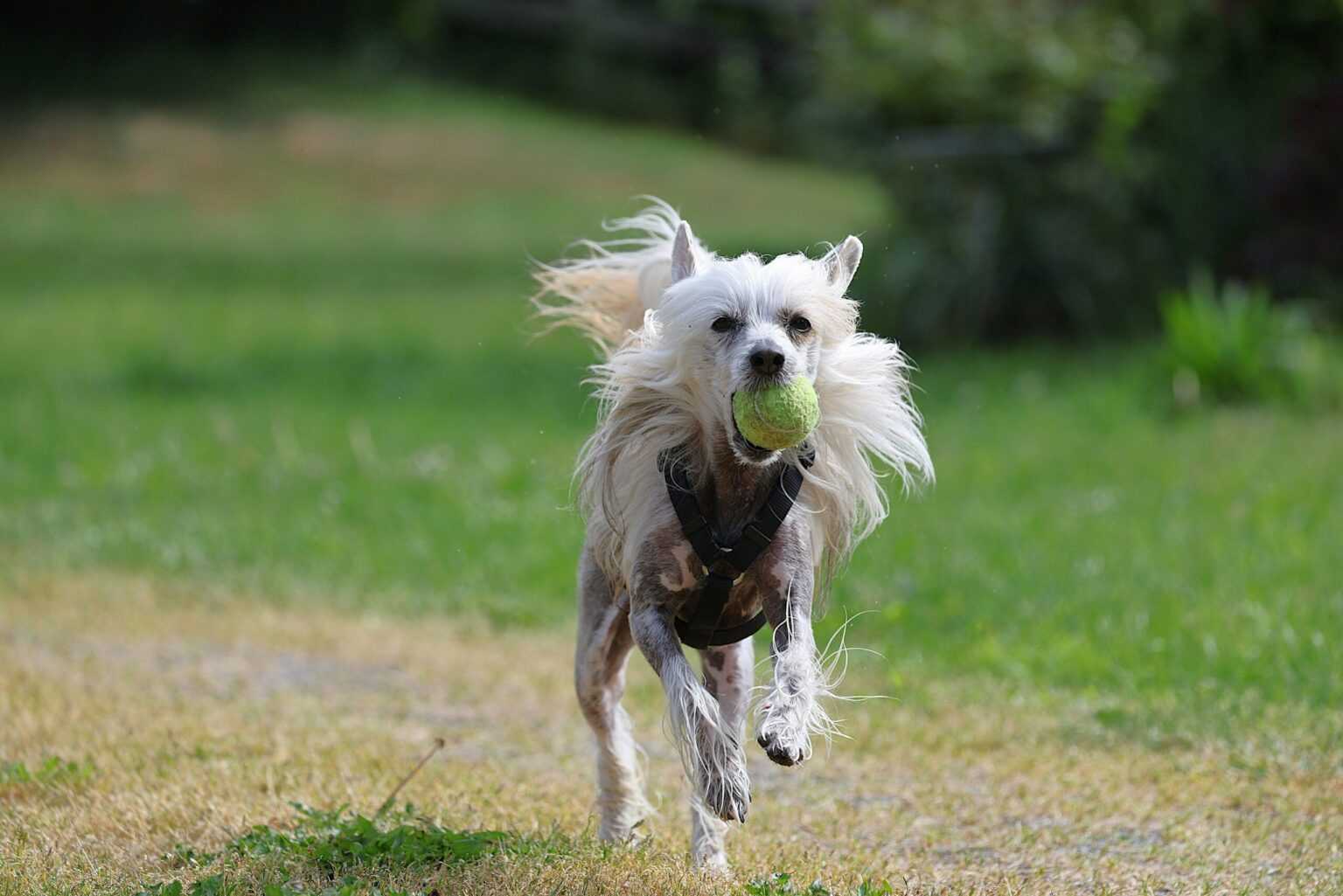
Zoomies are not behavioral defiance or hyperactivity disorders. Known scientifically as Frenetic Random Activity Periods (FRAPs), these spontaneous running episodes represent healthy emotional decompression, where stored physiological arousal and tension release through rapid zigzag sprinting and play bows.
💡 ACTION: Observe zoomies calmly without shouting; high-pitched vocalizing increases autonomic arousal and prolongs manic sprinting.
IDENTIFY BATH, POOP,
AND EVENING TRIGGERS
FRAPs peak predictably after stressful restraint (such as bath time or grooming), immediately following defecation, or during evening twilight hours when predatory circadian rhythms activate. The sudden sensory relief from water or restraint triggers an instantaneous surge of endorphins and adrenaline.
💡 ACTION: Pre-plan zoomie zones with closed doors before bath time to contain frantic wet post-grooming sprint tracks.
PREVENT SLIPS ON
SLICK HARDWOOD AND TILE
The primary medical danger of zoomies is joint trauma on slick indoor flooring. High-speed hairpin turns on hardwood or polished tile cause acute cranial cruciate ligament (ACL) tears, patellar luxation, and spinal disc herniations. Direct galloping pets onto non-slip area rugs or grassy yards.
💡 ACTION: Lay rubber-backed runner rugs along frequent zoomie trajectories through hallways and around tight corners.
AVOID PURSUIT TO
PREVENT PREDATORY FLIGHT
Running toward or chasing a pet in the midst of a FRAP episode reinforces prey-drive simulation. The animal interprets pursuit as tag, running faster and ignoring safety commands. Instead, stand completely still, turn your side, or jog in the opposite direction to encourage recall.
💡 ACTION: Toss a high-value toy or scattering treats across the grass to redirect frenetic momentum into sensory sniffing.
TRANSITION RECOVERY WITH
CHEW TOYS AND WATER
FRAP episodes conclude as abruptly as they ignite. As heart rates normalize, offer fresh water and provide a long-lasting frozen lick mat or natural chew. Chewing and licking stimulate the parasympathetic vagal nerve, restoring emotional serenity and transitioning your companion into deep resting sleep.
💡 ACTION: Offer a frozen peanut butter KONG toy immediately following the sprint to channel residual energy into calming licking.