HOW TO CHECK BACKYARD CHICKENS
FOR EARLY ILLNESS: FLOCK CARE GUIDE
Check backyard chickens for illness by inspecting comb color (pale or purple indicates hypoxia or anemia), palpating the crop before morning feeding for impaction, checking vent cleanliness, and listening for nighttime respiratory wheezing.
INSPECT COMB
COLOR AND TURGOR
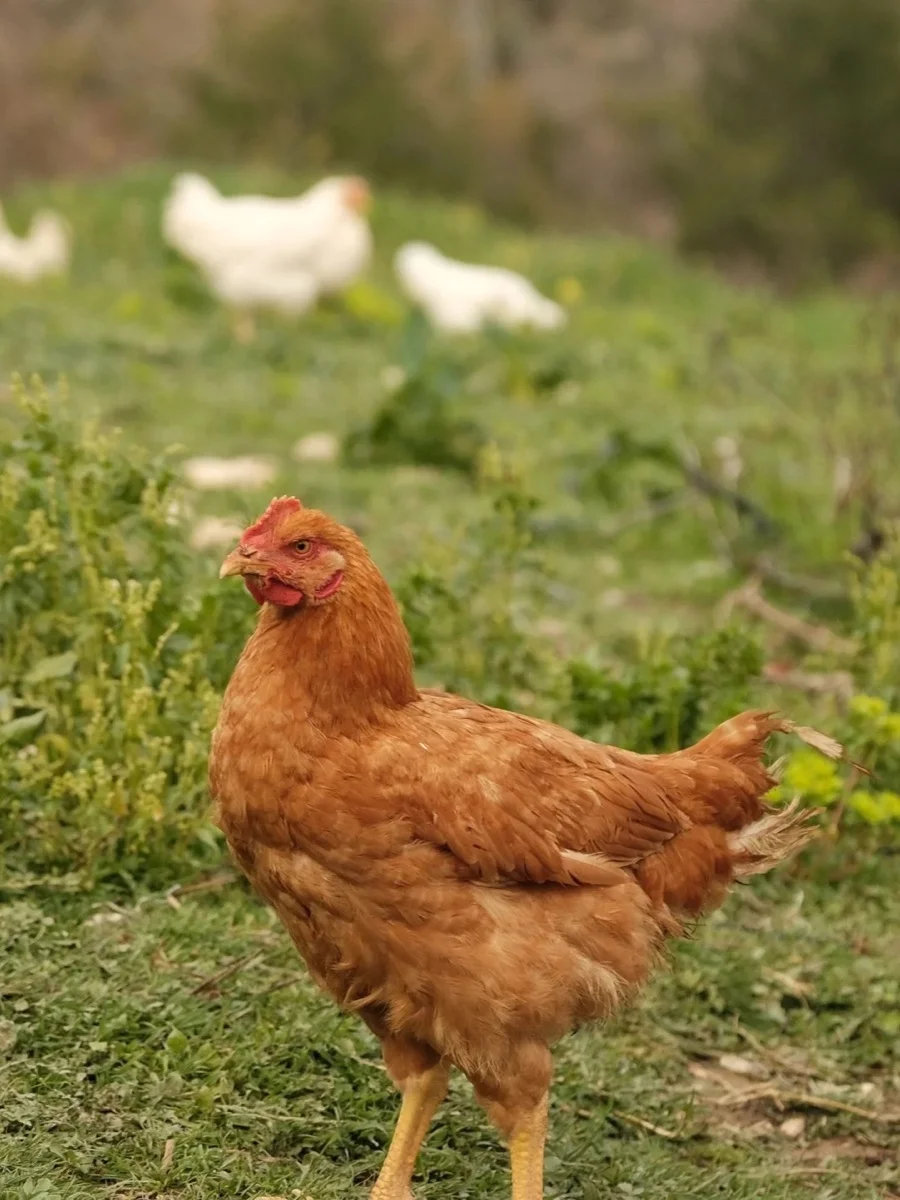
A healthy laying hen has a vibrant, plump red comb. A pale, shrunken comb indicates severe external mite infestation or internal parasites. Purple or dusky tips signal acute circulatory shock, hypoxia, or avian influenza.
💡 ACTION: Check combs during morning roost exit when resting capillary perfusion is easiest to evaluate.
PALPATE THE CROP
BEFORE MORNING FEEDING
A chicken's crop should be completely empty and flat in the early morning before breakfast. A hard, impacted crop indicates fibrous grass obstruction, while a squishy, foul-smelling crop signals Candida yeast infection (sour crop).
💡 ACTION: Provide poultry grit free-choice; grit in the gizzard is required to grind down long fibrous grasses.
EXAMINE THE VENT
FOR PASTING & PARASITES
Part feathers around the cloaca. The vent should be moist, pink, and contract rhythmically. White chalky discharge indicates vent gleet (candidiasis), while caked droppings (pasting) or abdominal swelling suggest egg binding.
💡 ACTION: If a hen strains without passing an egg, provide a 20-minute warm Epsom salt soak and oral calcium.
LISTEN FOR NIGHTTIME
WHEEZES & STRIDOR
Enter the coop at night when the flock is roosting in silence. Listen for subtle clicking, rattling (rales), sneezing, or open-mouth breathing. Bubbles in the eye corner indicate infectious coryza or Mycoplasma.
💡 ACTION: Ensure coop cross-ventilation near rooflines; ammonia buildup above 10 ppm paralyzes tracheal cilia.
QUARANTINE SICK BIRDS
IN A HOSPITAL CRATE
Flock mates will aggressively peck a weak or ailing chicken. Immediately isolate sick birds in a quiet, predator-proof hospital crate with heat, fresh water infused with electrolytes, and easily digestible scrambled egg.
⚡ PRO RULE: Quarantine new birds for at least 30 days before integrating them into an established backyard flock.