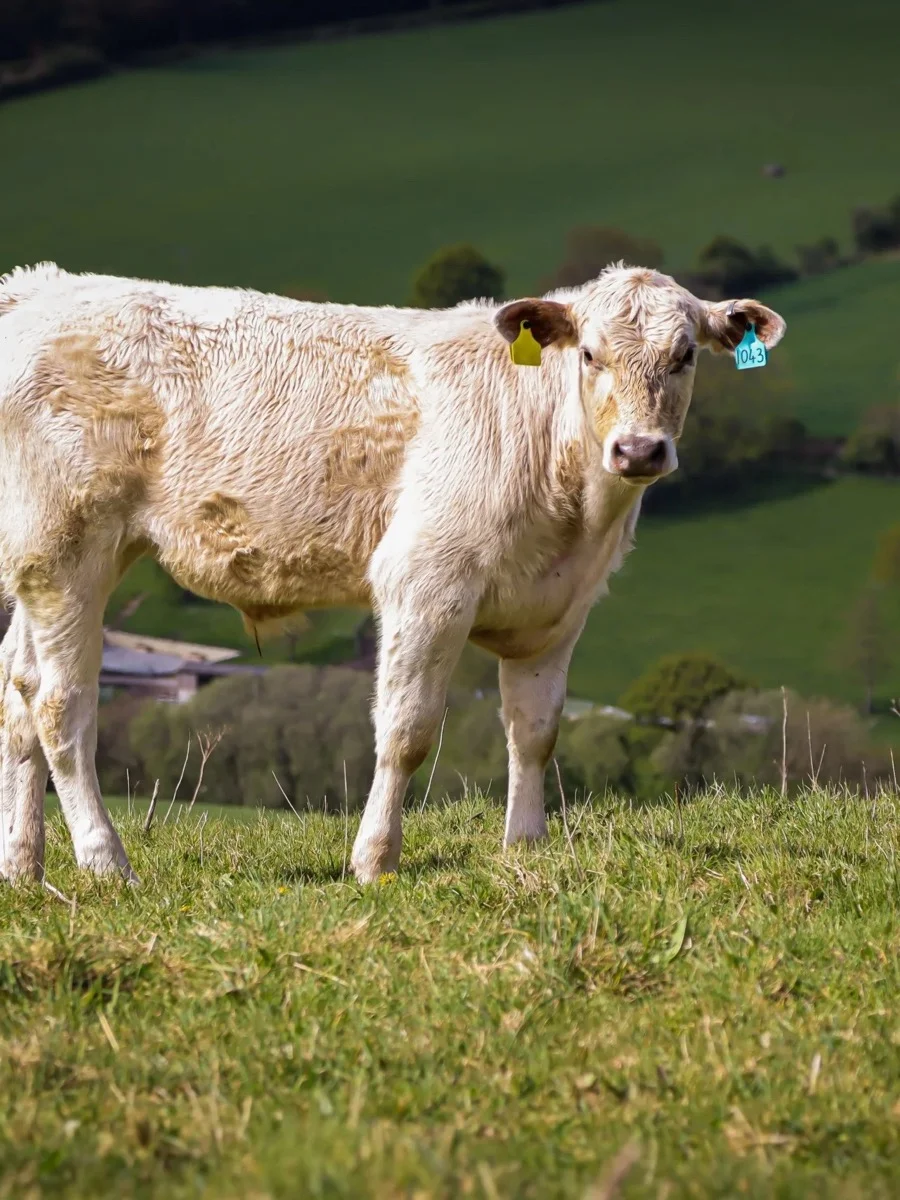
CARING FOR YOUR PET COW:
NATURAL HEALTH, FEEDING & WELFARE
Care for a pet cow by providing at least 1–2 acres of rotational pasture, feeding 2–2.5% of body weight in quality grass hay daily, offering 24/7 loose cattle minerals, and keeping a bovine companion for herd wellness.
NEVER KEEP A
SINGLE COW ALONE
Bovines are deeply social herd animals. A solitary cow experiences chronic stress, vocalizes continuously, and develops neurotic pacing. Always keep at least two cattle, or pair with a donkey or miniature horse.
💡 ACTION: Dexter and miniature breeds thrive in bonded pairs and manage small acreages efficiently.
FEED 2.0%–2.5% BODY
WEIGHT IN DRY FORAGE
A 600-lb miniature cow requires 12–15 lbs of grass hay daily, while a standard 1,200-lb cow needs 25–30 lbs. The bovine rumen requires constant long-stem forage to maintain a healthy 6.2–6.8 rumen pH.
💡 ACTION: Limit sweet grain feeds to small handfuls for training; high grain induces life-threatening lactic acidosis.
PROVIDE 24/7
LOOSE WEATHERPROOF MINERALS
Cattle require loose trace minerals containing copper, selenium, and zinc. Pressed blocks can damage cattle tongues. Never feed sheep minerals to cows (they lack vital copper), and never feed cow mineral to sheep (copper toxic).
💡 ACTION: Ensure continuous access to clean fresh water; a lactating or summer cow drinks 20–30 gallons daily.
BUILD 5-STRAND FENCES
& THREE-SIDED SHELTER
Cattle lean heavily on fences to reach grass. Install 5-strand high-tensile wire, cattle panels, or woven wire with sturdy corner posts. Provide a dry, three-sided run-in shed facing away from prevailing winds.
💡 ACTION: Keep shelters bedded with dry straw or wood shavings; damp muck breeds foot rot bacteria.
SCHEDULE ANNUAL HOOF
TRIMS & VACCINATIONS
Pasture-kept pet cows require annual hoof trimming by an experienced livestock farrier to prevent corkscrew claws and laminitis. Administer annual 7-way clostridial and respiratory vaccines.
⚡ PRO RULE: Spend 15 minutes daily brushing your pet cow with a hard curry comb; grooming lowers heart rate and strengthens handler trust.