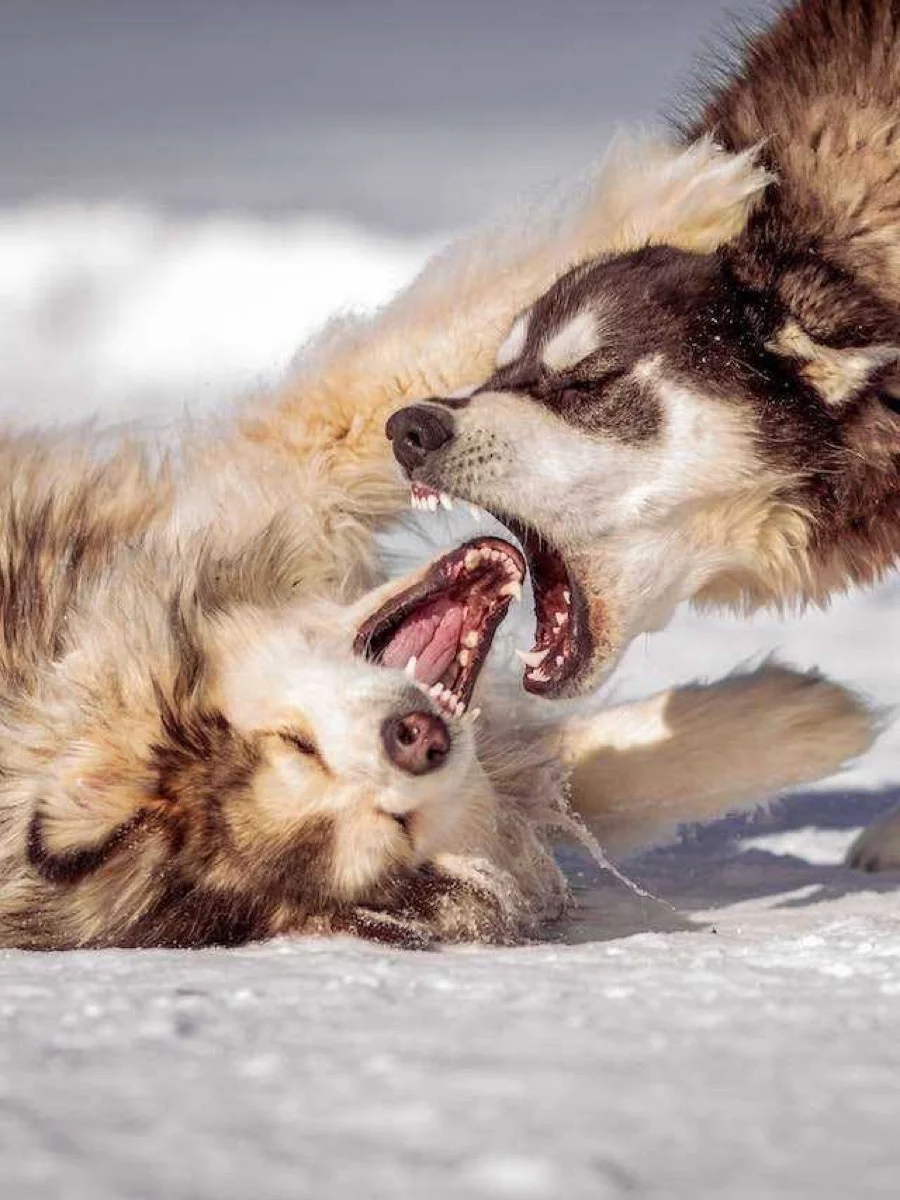
DOG AGGRESSION BEHAVIOR
MODIFICATION: SAFE PROTOCOL GUIDE
Modify dog aggression using sub-threshold systematic desensitization and classical counter-conditioning (DS/CC). Pair exposure to distant triggers with ultra-high-value food rewards while strictly eliminating punishment and aversive tools.
RULE OUT UNDERLYING
PAIN & DYSFUNCTION
Up to 60% of sudden canine aggression is rooted in physical discomfort: hip dysplasia, dental abscesses, cervical disc disease, or hypothyroidism. Complete a full vet physical exam and thyroid panel first.
💡 ACTION: Never punish growling; growling is an essential warning signal that prevents unprovoked bites.
WORK STRICTLY BELOW
THE AGITATION THRESHOLD
Identify the exact distance at which your dog notices a trigger without barking, stiffening, or fixating (e.g., 50 feet). Behavior modification only rewires neural pathways when the sympathetic nervous system is calm.
💡 ACTION: If your dog barks or lunges, you are too close; immediately turn 180 degrees and increase distance.
DEPLOY CLASSICAL
COUNTER-CONDITIONING (DS/CC)
The instant the trigger appears in the distance, feed pea-sized pieces of real roast chicken or liver continuously. When the trigger disappears, immediately stop feeding. The trigger becomes a predictor of euphoria.
💡 ACTION: Use treats your dog only gets during trigger training; standard dry kibble lacks sufficient valence.
CONDITION A
BASKET MUZZLE POSITIVELY
A well-fitted basket muzzle allows full panting, drinking, and treat delivery while providing 100% bite protection. Condition the muzzle with peanut butter over 2 weeks so your dog views it as a game.
💡 ACTION: Never use cloth occlusion muzzles for training; they restrict panting and induce heatstroke.
ELIMINATE PUNISHMENT
& CORRECTION COLLARS
Shock, prong, and choke collars suppress behavioral warning signs through acute pain without changing the underlying emotional state. Aversive fallout is the leading cause of sudden bites without warning.
⚡ PRO RULE: Work with a certified veterinary behaviorist (DACVB) or certified clinical animal behaviorist for severe territorial or redirective aggression.